
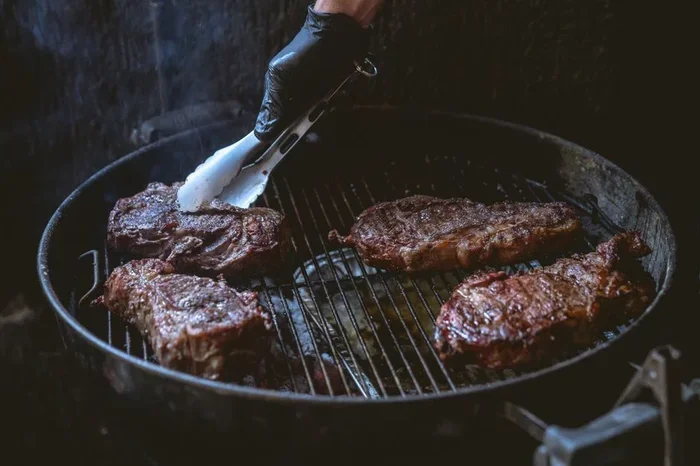
Our filet mignon temperature chart printable helps you cook restaurant-quality steaks at home with precise temperatures for every doneness level. Whether you prefer a rare center or a perfect medium-rare crust, this guide covers grilling, pan-searing, and oven-baking methods with simple, actionable steps. Use our printable chart to track temperatures, avoid overcooking, and serve the best steak of your life.
There is nothing quite like a perfectly cooked filet mignon. The tender center, the flavorful crust, and that satisfying pink hue — it all comes down to one thing: temperature. If you have ever overcooked a beautiful cut of beef, you know how disappointing that can be. A filet mignon temperature chart printable changes everything. It gives you a simple, reliable reference right at your fingertips so you can cook steak with confidence every time.
Whether you are grilling outdoors on a summer evening or searing a steak on a weeknight, knowing the exact internal temperature makes all the difference. Our printable chart covers every doneness level from rare to well-done. It works for grilling, pan-searing, and oven-baking alike. You will learn how to use a meat thermometer correctly, when to pull your steak off the heat, and how to let it rest for maximum juiciness.
This guide is designed for home cooks of all skill levels. You do not need fancy equipment or years of experience. Just a good meat thermometer, a quality cut of beef tenderloin, and our easy-to-follow temperature chart. Let us dive in and help you cook the best steak of your life.
Key Takeaways
- Know Your Temperatures: A printable filet mignon temperature chart gives you exact internal temps for rare, medium-rare, medium, and well-done steaks.
- Use a Meat Thermometer: Instant-read thermometers remove all guesswork and guarantee perfectly cooked filet mignon every single time.
- Rest Your Steak: Letting your steak rest for 5-10 minutes redistributes juices and keeps your filet mignon tender and juicy.
- Multiple Cooking Methods: You can grill, pan-sear, or oven-bake filet mignon using the same temperature targets from our chart.
- Printable Convenience: Keep a physical copy of our chart in your kitchen for quick reference while cooking steak.
- Avoid Common Mistakes: Cutting too early, skipping the rest, and not calibrating your thermometer are the top errors home cooks make.
📑 Table of Contents
- Why a Filet Mignon Temperature Chart Is Essential
- How to Use a Printable Filet Mignon Temperature Chart
- Cooking Methods and Temperature Targets
- How to Print and Use Your Temperature Chart
- Common Mistakes When Cooking Filet Mignon
- Expert Tips for Perfect Filet Mignon Every Time
- Pairing Your Steak with the Right Sides
- Final Thoughts on Using a Printable Temperature Chart
Why a Filet Mignon Temperature Chart Is Essential
Cooking steak without a temperature chart is like driving without a map. You might get there, but you will probably take a few wrong turns along the way. Filet mignon is a premium cut from the beef tenderloin, and it deserves precise attention. A printable steak temperature chart takes the guesswork out of the equation.
Here is why this matters so much. Filet mignon is a lean cut with very little fat marbling. That means it has less margin for error compared to a ribeye or a strip steak. Lean cuts dry out quickly if you cook them too long. Even a few extra minutes over the target temperature can turn a tender, juicy filet into a tough, dry piece of beef.
Understanding Steak Doneness Levels
Steak doneness is all about internal temperature. Each level gives you a different texture, juiciness, and flavor profile. Here is a quick breakdown of what happens inside the meat at each stage:
- Rare (120-125°F): A cool red center with a soft, almost raw feel. The steak has a buttery texture and maximum juiciness.
- Medium Rare (130-135°F): A warm red center that is firm but still very juicy. This is the sweet spot for most steak lovers.
- Medium (140-145°F): A pink center with a firmer texture. Less juicy than medium-rare but still tender.
- Medium Well (150-155°F): A slightly pink center that is starting to lose moisture. The steak feels mostly firm.
- Well Done (160°F+): No pink left. The steak is fully cooked through but can become dry and tough.
Most steak experts recommend cooking filet mignon to medium-rare or medium. These temperatures bring out the best flavor while keeping the meat tender. Our printable chart makes it easy to check your target temperature at a glance while you cook.
How to Use a Printable Filet Mignon Temperature Chart
A temperature chart is only useful if you know how to use it properly. The first step is always to insert your meat thermometer into the thickest part of the steak. Avoid touching bone or fat, as those areas conduct heat differently than the meat itself.
Step-by-Step Guide to Checking Steak Temperature
- Insert the probe into the center of the thickest part of the filet.
- Hold the thermometer steady for about 10 seconds until the reading stabilizes.
- Check the temperature against your printable chart for your desired doneness.
- Remove the steak from heat 5 degrees before the target temp. The temperature will rise during resting.
- Let the steak rest for at least 5 minutes before cutting.
This process is simple but incredibly effective. The key detail in step 4 is called carryover cooking. After you pull the steak off the heat, the internal temperature continues to rise by about 5 degrees. This is why pulling early is so important. Our printable chart accounts for this carryover effect so you get the perfect final temperature every time.
Cooking Methods and Temperature Targets
Filet mignon can be cooked in several ways, and the temperature targets remain the same regardless of your method. Here is how each method works and what to watch for.
Grilling Filet Mignon
Grilling gives filet mignon a beautiful charred crust and smoky flavor. Preheat your grill to high heat, then sear the steak for 2-3 minutes per side. After searing, move the steak to a cooler part of the grill and close the lid. Check the temperature frequently with your thermometer until you reach your target.
Grilling works well for thicker cuts, typically 1.5 inches or more. Thinner steaks can overcook quickly over direct heat, so keep a close eye on the thermometer. Having your filet mignon temperature chart printable nearby makes this process much easier.
Pan-Searing Filet Mignon
Pan-searing is the fastest way to cook a perfect steak at home. Heat a cast-iron skillet over high heat until it is smoking hot. Add a high smoke-point oil, then place the filet in the pan. Sear for 2-3 minutes on each side without moving the steak.
After searing both sides, you can finish the steak in a 400°F oven for 3-5 minutes depending on thickness. This method gives you a great crust and an evenly cooked center. Our printable chart helps you track the oven time and final internal temperature with ease.
Oven-Baked Filet Mignon
Oven-baking is a hands-off method that works beautifully for filet mignon. Preheat your oven to 400°F, sear the steak first in a hot skillet, then transfer it to the oven. Roast until the internal temperature reaches about 5 degrees below your target doneness.
This method is forgiving and consistent, which makes it great for beginners. You can also use a reverse sear method where you start in a low oven at 250°F and finish with a hot sear. The reverse sear gives you incredibly even cooking from edge to center.
How to Print and Use Your Temperature Chart
One of the best things about a printable chart is its convenience. You can print it on standard letter-size paper and keep it right next to your grill or stove. Laminate it or slip it into a clear sleeve so it survives splashes and grease.
Here are some tips for getting the most out of your printable chart:
- Print a copy for your kitchen and another for your outdoor grill station.
- Use a dry-erase marker on a laminated copy to track temperatures during cooking.
- Share the chart with friends and family so everyone knows when the steak is ready.
- Store the chart in a binder with your other cooking references for easy access.
You can also pair your temperature chart with other kitchen tools. For instance, keeping your workspace clean and organized helps you stay focused while cooking. If you are using high-temperature plastic wrap for sous vide or meal prep, make sure it is rated for cooking temperatures so it does not release harmful chemicals. Check out our guide on the best high-temperature plastic wrap for cooking to learn more.
Common Mistakes When Cooking Filet Mignon
Even experienced home cooks make mistakes when preparing steak. Knowing what to avoid saves you from ruined cuts and wasted money. Here are the most common errors and how to prevent them.
Not Using a Thermometer
The biggest mistake is relying on touch or time instead of temperature. Pressing on a steak might give you a rough idea, but it is not precise. An instant-read thermometer takes the guesswork out completely. Our printable chart pairs perfectly with a good thermometer to give you foolproof results.
Skipping the Rest Period
Cutting into a steak right after cooking is tempting, but it is a mistake. The juices inside the steak need time to redistribute. If you cut too early, those juices run out onto the cutting board instead of staying in the meat. Let your filet rest for at least 5 minutes before slicing.
Starting with a Cold Steak
Take your filet mignon out of the refrigerator 30-45 minutes before cooking. A cold steak cooks unevenly because the outside overcooks while the center stays raw. Bringing the steak to room temperature ensures more even cooking throughout.
Using a Dull Knife
Slicing a perfectly cooked steak with a dull knife tears the fibers and lets juices escape. A sharp blade gives you clean cuts that keep all those delicious juices locked inside. If your knife needs attention, learn how to sharpen a filet knife properly to maintain a razor edge.
Expert Tips for Perfect Filet Mignon Every Time
Want to take your steak game to the next level? Here are some expert tips that make a real difference in the final result.
- Dry the surface before searing. Pat your steak dry with paper towels. Moisture on the surface creates steam instead of a crispy crust.
- Season generously. Use kosher salt and freshly cracked black pepper at least 40 minutes before cooking. This draws out moisture and creates a flavorful crust.
- Let the pan heat up. A hot pan is essential for a good sear. Wait until the oil just starts to smoke before adding the steak.
- Use tongs, not a fork. Piercing the steak with a fork lets juices escape. Tongs give you control without damaging the meat.
- Check multiple spots. Temperatures can vary across a thick steak. Check the center and slightly off-center to get an accurate reading.
These small details add up to a big difference. When you combine proper technique with a reliable filet mignon temperature chart printable, you set yourself up for consistent, restaurant-quality results at home.
Pairing Your Steak with the Right Sides
While the steak is the star of the meal, the right sides can elevate the entire experience. Classic pairings include roasted asparagus, garlic mashed potatoes, and a simple side salad. You can also serve a red wine reduction or a compound butter on top for extra richness.
After a great steak dinner, you will want to keep things refreshing. A crisp glass of water or a cold drink pairs wonderfully. Having a reliable cold and room temperature water dispenser in your kitchen makes it easy to keep everyone hydrated without leaving the gathering. Check out our picks for the best cold and room temperature water dispensers to find the perfect fit for your home.
Final Thoughts on Using a Printable Temperature Chart
Cooking filet mignon does not have to be intimidating. With the right tools and a little knowledge, anyone can cook a steak that rivals what you would find at a fancy restaurant. A printable temperature chart gives you the confidence to experiment with different doneness levels and cooking methods.
Print your chart, keep it in your kitchen, and refer to it every time you cook steak. You will notice an immediate improvement in your results. The best part is that once you internalize these temperature targets, you will not even need the chart anymore. You will just know when your steak is perfect.
So go ahead and fire up that grill or preheat your oven. Your next filet mignon is going to be a showstopper. Print the chart, grab your thermometer, and get ready to enjoy the best steak you have ever made at home.
Frequently Asked Questions
What temperature is medium-rare for filet mignon?
Medium-rare filet mignon has an internal temperature of 130-135°F. This is the most recommended doneness level because it keeps the steak juicy, tender, and full of flavor. Use our printable temperature chart to track your steak as it cooks for perfect results every time.
Can I use a digital meat thermometer with the printable chart?
Absolutely. Digital instant-read thermometers work perfectly with our temperature chart. They give you fast, accurate readings so you can pull your steak off the heat at exactly the right moment. Just make sure to insert the probe into the thickest part of the filet for the most accurate reading.
How long should I let my filet mignon rest after cooking?
Let your filet mignon rest for at least 5 minutes before cutting. This resting period allows the juices to redistribute throughout the meat, making every bite more tender and flavorful. Tent the steak loosely with foil to keep it warm during resting.
Is well-done filet mignon still good?
Well-done filet mignon is safe to eat, but it will be drier and less tender than lower doneness levels. Because filet mignon is a lean cut with minimal fat, cooking it to well-done removes much of the juiciness. If you prefer a more done steak, try marinating it beforehand to add moisture.
What thickness of filet mignon works best for grilling?
Filet mignon that is 1.5 to 2 inches thick works best for grilling. Thicker cuts give you more room for error and allow for a good sear without overcooking the center. Use our printable temperature chart along with your thermometer to monitor the internal temp as you cook.
Can I print the temperature chart on regular paper?
Yes, regular printer paper works fine for a first copy. However, if you want the chart to last longer in a busy kitchen, consider printing on cardstock or laminating the page. This protects it from grease, splashes, and wear so you can use it meal after meal.



