Finding the right hard boiled egg time is the key to perfectly cooked eggs every morning. Whether you prefer a firm yolk or a slightly creamy center, nailing the timing makes all the difference. This guide covers everything from stovetop methods to steaming techniques, so you can get consistent results without any guesswork. Read on to master the art of boiling eggs like a pro.
Key Takeaways
- Timing is everything: The perfect hard boiled egg time ranges from 9 to 12 minutes depending on your desired yolk texture.
- Start with room temperature eggs: This helps prevent cracking and ensures even cooking throughout.
- Use an ice bath immediately: Shocking eggs in cold water stops the cooking process and makes peeling easier.
- Steam or boil: Both methods work well, but steaming often produces easier-to-peel eggs with fewer cracks.
- Freshness matters: Older eggs peel more easily than very fresh ones, so plan accordingly.
- Pair your eggs with great recipes: Hard boiled eggs shine in egg salad, deviled eggs, and quick breakfast bowls.
- Invest in the right tools: A quality egg cooker or timer can simplify the process and remove all the guesswork.
📑 Table of Contents
- How Long to Cook Hard Boiled Egg Time for Perfect Results
- The Best Methods for Cooking Hard Boiled Eggs
- Perfect Hard Boiled Egg Time by Doneness Level
- The Ice Bath: Why It Is Non-Negotiable
- Common Mistakes That Ruin Your Hard Boiled Eggs
- What to Do with Your Perfect Hard Boiled Eggs
- Pro Tips for Consistently Great Results
- Final Thoughts on Hard Boiled Egg Time
How Long to Cook Hard Boiled Egg Time for Perfect Results
There is something deeply satisfying about a perfectly cooked hard boiled egg. The whites are firm. The yolk is smooth and golden. And the peel comes off clean without tearing chunks of egg white along with it. Yet so many people struggle to achieve this simple perfection every single time.
The secret? It all comes down to hard boiled egg time. Too little time and you get a runny center. Too much time and you end up with a greenish ring around the yolk that tastes bitter. Getting the timing right transforms a basic breakfast staple into something truly delightful.
In this guide, we will walk you through everything you need to know about perfect hard boiled eggs. We will cover exact timing, different cooking methods, peeling tricks, and common mistakes that ruin your eggs. By the end, you will never second-guess your egg cooking time again.
Why Timing Matters So Much
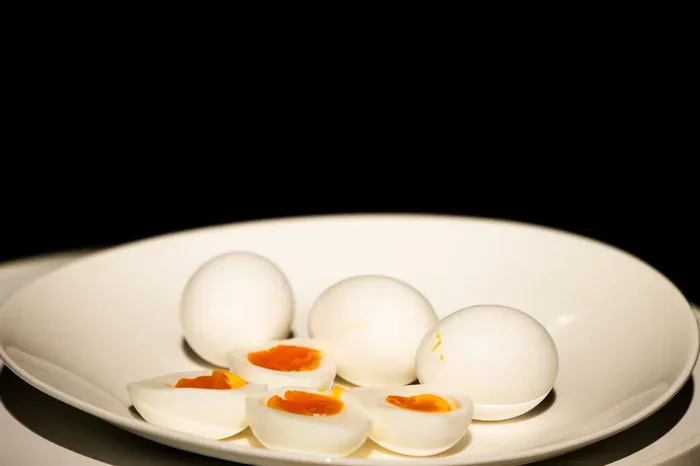
Eggs are deceptively simple to cook. But the difference between a great boiled egg and a disappointing one often comes down to just one or two minutes. A 9-minute egg has a slightly creamy yolk. A 12-minute egg has a fully firm yolk with that telltale pale green ring.
The boiling time you choose depends entirely on what you like. Some people love a soft, jammy center. Others want a completely firm yolk for slicing onto toast or chopping into a salad. Understanding your preference helps you set the right egg timer from the start.
Temperature also plays a role. Cold eggs straight from the fridge behave differently than eggs that have been sitting at room temperature. We will cover all of this below so you can cook with confidence every morning.
The Best Methods for Cooking Hard Boiled Eggs
Not all cooking methods are created equal. Some give you cleaner peeling. Others give you more consistent results. Here are the top methods that home cooks swear by for the best hard boiled egg time control.
Method 1: The Classic Stovetop Boil
This is the most traditional approach and the one most people learned from a parent or grandparent. You place eggs in a pot, cover them with cold water, bring the water to a rolling boil, and then let them cook for a set amount of time.
Here is how to do it right:
- Place your eggs gently in a single layer at the bottom of a saucepan.
- Add enough cold water to cover the eggs by about one inch.
- Bring the water to a full, rolling boil over medium-high heat.
- Once boiling, remove the pot from the heat and cover it with a lid.
- Set your egg timer for the desired time (more on this below).
- Transfer the eggs to an ice bath immediately after the timer goes off.
The classic stovetop method works well for most kitchens. It gives you direct control over the heat and lets you adjust on the fly. The hard boiled egg time for this method is typically 10 to 12 minutes for a fully firm yolk.
Method 2: Steaming the Eggs
Steaming is a game-changer for people who struggle with peeling. When you steam eggs, the steam penetrates the shell more gently than boiling water. This creates a subtle separation between the egg white and the inner membrane, making peeling a breeze.
To steam eggs, follow these steps:
- Add about an inch of water to a pot and bring it to a boil.
- Place a steamer basket or insert inside the pot.
- Set the eggs in the steamer basket in a single layer.
- Cover the pot with a tight-fitting lid.
- Steam for 11 to 13 minutes for hard boiled eggs.
- Move the eggs straight into an ice bath.
Many cooks prefer steaming because it produces fewer cracked shells. The egg boiling time is slightly different when steaming, so make sure you adjust accordingly. A best egg cooker for hard boiled eggs can also simplify this process if you want hands-off results.
Method 3: Using an Electric Egg Cooker
If you make boiled eggs regularly, an electric egg cooker is worth considering. These small appliances take all the guesswork out of the process. You add water to a specific line, place your eggs in the tray, and press a button.
Most electric egg cookers come with settings for soft, medium, and hard boiled eggs. They automatically adjust the egg cooking time based on the number of eggs and your chosen setting. This is ideal for busy mornings when you want a quick and reliable breakfast eggs option without standing over a pot.
For those who want the easiest setup, a best egg cookers for easy perfect breakfasts can be a worthwhile kitchen investment. They consistently deliver great results and free up your stovetop for other tasks.
Perfect Hard Boiled Egg Time by Doneness Level
The table below breaks down the ideal cooking times for different levels of doneness. Use this as your quick reference guide whenever you are in the kitchen.
| Doneness Level | Cooking Time | Yolk Texture | Best For |
|---|---|---|---|
| Soft Boiled | 4 to 6 minutes | Runny, liquid center | Dipping toast, ramen topping |
| Medium Boiled | 7 to 8 minutes | Jammy, slightly creamy | Snacks, salads, rice bowls |
| Hard Boiled | 10 to 12 minutes | Fully firm, pale yellow | Egg salad, deviled eggs, snacking |
| Overcooked (avoid) | 15+ minutes | Greenish ring, dry texture | Not recommended |
For the classic hard boiled egg time that most people prefer, aim for 11 minutes. This gives you a fully cooked yolk without the green ring. If you like a slightly creamier center, pull the eggs at 10 minutes.
Keep in mind that altitude affects cooking time. If you live at a high elevation, water boils at a lower temperature, which means your eggs may need an extra minute or two. Adjust accordingly and keep notes until you find your perfect boiling time.
The Ice Bath: Why It Is Non-Negotiable
Placing your eggs in an ice bath immediately after cooking is one of the most important steps in the entire process. It might seem like a small detail, but it makes a huge difference in both texture and peeling.
Here is what happens when you skip the ice bath. The residual heat inside the egg continues to cook the yolk. This is what creates that unappetizing greenish-grey ring around the yolk. It also makes the egg white rubbery and harder to peel.
To make the perfect ice bath:
- Fill a large bowl with cold water and plenty of ice cubes.
- As soon as the egg timer goes off, use tongs to transfer the eggs into the bowl.
- Let the eggs sit in the ice bath for at least 10 minutes.
- Peel them under cool running water for the easiest results.
The cold water rapidly cools the eggs and stops the cooking process instantly. It also helps separate the membrane from the egg white, which is the number one reason eggs become easy to peel. Do not skip this step if you want perfect hard boiled eggs every time.
Common Mistakes That Ruin Your Hard Boiled Eggs
Even experienced cooks make mistakes when boiling eggs. Here are the most common errors and how to avoid them.
Starting with Boiling Water Instead of Cold Water
Some recipes call for dropping eggs into already boiling water. While this works, it increases the chance of cracking. Cold eggs hitting hot water experience a sudden temperature shock. Starting with cold water and bringing it up gradually gives the eggs a more even cook and reduces cracks significantly.
Overcooking the Eggs
This is the most common mistake of all. It is easy to get distracted and forget about the egg timer. But even two extra minutes can turn a perfect yolk into a dry, chalky one. Set a timer on your phone or use a dedicated kitchen timer every single time.
Using Very Fresh Eggs
Fresh eggs are wonderful for baking and frying, but they are the worst choice for boiling. The pH of the egg white in very fresh eggs causes it to stick tightly to the shell membrane. Eggs that are 7 to 10 days old peel much more easily. If you can, buy your eggs a week or two before you plan to boil them.
Not Peeling Under Water
Peeling boiled eggs under a thin stream of cool running water helps water slip under the shell and membrane. This makes the whole process faster and cleaner. Dry peeling often tears the egg white and leaves pieces of shell behind.
What to Do with Your Perfect Hard Boiled Eggs
Once you have mastered the hard boiled egg time, the fun part begins. Hard boiled eggs are incredibly versatile and can be used in so many delicious recipes.
One of the most popular uses is egg salad. Simply chop your perfectly boiled eggs, mix them with mayonnaise, mustard, salt, and pepper, and serve on toast or between slices of bread. For 13 creative variations, check out our classic egg salad recipe for sandwiches.
Deviled eggs are another crowd favorite. They are perfect for parties, picnics, and holiday gatherings. Our guide on best deviled egg trays can help you serve them beautifully and keep them organized at any gathering.
For something different, try slicing your hard boiled eggs over avocado toast, adding them to a noodle bowl, or chopping them into a fresh green salad. They also make an excellent high-protein snack on their own with a sprinkle of salt and paprika.
If you want to get really efficient, consider using a best egg cutter for soft boiled eggs to get clean, even slices every time. A good egg cutter takes the hassle out of prep and makes your eggs look restaurant-quality.
Pro Tips for Consistently Great Results
Here are some extra tips from experienced cooks that will elevate your boiled egg game:
- Use a timer every time. Even if you think you remember the timing, a timer takes the guesswork out completely.
- Buy an egg piercer. Poking a tiny hole in the wider end of the egg before boiling prevents cracking and makes peeling easier.
- Store eggs in their shells. Unpeeled hard boiled eggs last up to 7 days in the refrigerator. Peel them only when you are ready to eat.
- Add a teaspoon of baking soda to the water. This raises the pH of the water and helps the shell separate from the white during cooking.
- Label your storage container. Hard boiled eggs should be eaten within one week. Label the container with the date so you always know how fresh they are.
For more breakfast inspiration, explore our collection of easy breakfast ideas that feature hard boiled eggs as a star ingredient. They pair wonderfully with toast, fruit, and a hot cup of coffee to start your day right.
Final Thoughts on Hard Boiled Egg Time
Mastering the hard boiled egg time is one of the simplest yet most rewarding kitchen skills you can develop. It takes just a few minutes of attention and a reliable timer. The payoff is enormous: perfectly cooked eggs every single time, with a smooth yolk, tender white, and easy-to-peel shell.
Remember the basics. Start with room temperature eggs when possible. Use cold water and bring it to a boil gradually. Set a timer for the exact egg cooking time you need. And always use an ice bath right after cooking. Follow these steps consistently and you will never eat a bad boiled egg again.
Whether you eat them on their own, slice them into a salad, or mash them into a creamy egg salad, the quality starts with proper cooking time. Take the guesswork out of your mornings and enjoy the simple pleasure of a perfect hard boiled egg every day. Your taste buds will thank you.
Frequently Asked Questions
What is the best hard boiled egg time for a firm yolk?
For a fully firm yolk with no green ring, cook your eggs for 11 minutes using the stovetop method. This time works well for most standard-sized eggs at sea level. If you are at a higher altitude, add an extra minute to compensate for the lower boiling point of water.
Can I use fresh eggs for hard boiling?
You can, but fresh eggs are much harder to peel. The egg white in very fresh eggs bonds tightly to the inner shell membrane. For the easiest peeling experience, use eggs that are at least 7 to 10 days old. The natural aging process raises the pH inside the egg and creates a better separation between the shell and the white.
How do I know when hard boiled eggs are done?
The simplest way is to use a timer. Set it for 10 to 12 minutes depending on how firm you want the yolk. Another trick is to spin the egg on a flat surface. A fully cooked egg spins smoothly and quickly, while an undercooked egg wobbles and stops fast. For the most reliable results, always rely on your egg timer rather than guesswork.
Why does my hard boiled egg have a green ring around the yolk?
The greenish ring forms when eggs are overcooked. The iron in the yolk reacts with the sulfur in the white when exposed to too much heat for too long. This is a chemical reaction, not a safety issue, but it affects both the taste and appearance. Prevent it by sticking to the recommended hard boiled egg time and using an ice bath immediately after cooking.
How long do hard boiled eggs last in the fridge?
Unpeeled hard boiled eggs stay fresh for up to 7 days when stored in the refrigerator. Keep them in their shells until you are ready to eat or use them. Once peeled, consume the eggs within 2 days for the best quality and food safety. Always store them in a sealed container to prevent them from absorbing odors from other foods.
Is steaming better than boiling for hard boiled eggs?
Many cooks prefer steaming because it produces eggs that are easier to peel with fewer cracks. The gentle heat of steam cooks the eggs more evenly and creates a natural separation between the shell and the egg white. Both methods work well, so choose the one that fits your kitchen setup and preference. If you want the easiest peeling, give steaming a try for your next batch.