
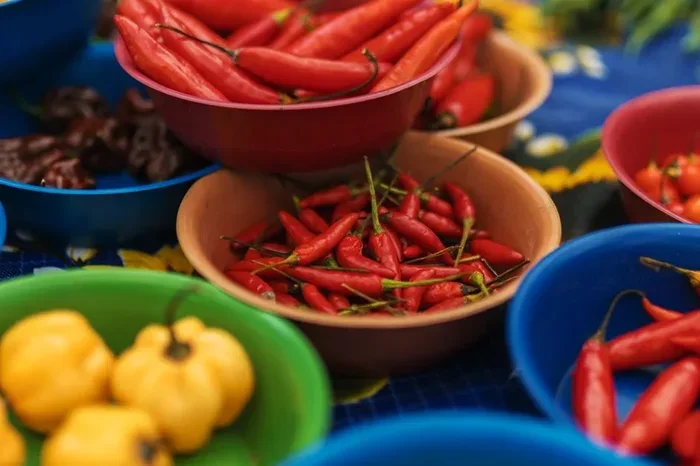
Hot pepper is one of the most powerful and flavorful ingredients you can add to your kitchen. Adding hot peppers to your meals boosts flavor, supports health, and opens up a world of culinary possibilities. Here is everything you need to know about why you should embrace the heat.
There is something magical about a hot pepper. It can transform a plain dish into something extraordinary. Whether you love a gentle warmth or a fiery blaze, adding hot peppers to your cooking is one of the easiest ways to elevate your meals.
Many people shy away from spicy food. They worry it is too intense or hard to handle. But the truth is, cooking with hot peppers is simpler than you think. You do not need to be a professional chef. A little knowledge and some fresh hot peppers are all you need.
In this guide, we will explore why you should add more hot peppers to your kitchen. We will look at the health benefits, the best varieties, and practical tips for cooking with them. By the end, you will be eager to turn up the heat in your next meal.
Key Takeaways
- Hot peppers boost your health: They are packed with vitamins, antioxidants, and capsaicin that support metabolism and reduce inflammation.
- Many varieties to explore: From mild jalapeños to fiery habaneros, there is a hot pepper for every taste level.
- Easy to cook with: You can add peppers to almost any dish for extra flavor and heat.
- Weight management support: Capsaicin in hot peppers may help boost metabolism and reduce appetite.
- Growing peppers is simple: Even beginners can grow hot peppers at home with minimal effort.
- Handle with care: Always use gloves and avoid touching your eyes when working with super hot varieties.
📑 Table of Contents
The Health Benefits of Hot Peppers
Hot peppers are not just about flavor. They are packed with nutrients that support your overall well-being. Adding them to your diet can do wonders for your body. From fighting inflammation to boosting immunity, the health benefits of peppers are impressive.
Capsaicin and Your Body
The secret behind the heat of hot peppers is a compound called capsaicin. Capsaicin is what makes your mouth feel hot. But it does much more than that. It has powerful anti-inflammatory properties. This means it can help reduce swelling and pain in your body.
Capsaicin also supports heart health. Studies show it may help lower blood pressure. It can also improve blood circulation. These are important benefits for long-term wellness. Many people who eat spicy food regularly report feeling more energized throughout the day.
Capsaicin is also a natural pain reliever. It is used in creams and patches for muscle soreness. When you eat hot peppers, you get a similar effect from the inside. This makes them a great addition to an anti-inflammatory diet plan.
Vitamins and Minerals in Peppers
Hot peppers are rich in vitamin C. In fact, they have more vitamin C than oranges. Vitamin C is essential for a strong immune system. It helps your body fight off colds and infections more effectively.
Peppers also contain vitamin A, which is great for your eyes and skin. They provide vitamin E, which acts as an antioxidant. Antioxidants help protect your cells from damage. They also support healthy aging from the inside out.
Here are some key nutrients found in hot peppers:
- Vitamin C: Boosts immunity and skin health
- Vitamin A: Supports eye health and cell growth
- Vitamin B6: Helps with brain function and mood
- Potassium: Supports heart and muscle function
- Iron: Important for energy and oxygen transport
- Fiber: Aids digestion and gut health
The peppers nutrition profile is truly impressive. Even a small amount can contribute to your daily vitamin needs. This is why nutritionists often recommend adding spicy peppers to your daily meals.
Popular Hot Pepper Varieties
Not all hot peppers are the same. There is a wide range of heat levels and flavor profiles. Understanding the different varieties helps you choose the right one for each dish.
Mild to Medium Peppers
If you are new to spicy food, start with milder varieties. Jalapeños are the most popular choice. They have a bright, fresh flavor with moderate heat. They work great in salsas, salads, and stuffed dishes.
Another excellent option is the poblano pepper. It has a rich, earthy flavor that adds depth to any meal. Poblanos are perfect for chiles rellenos and hearty soups. Anaheim peppers are similar. They are mild, slightly sweet, and very versatile in the kitchen.
Serrano peppers are a step up in heat. They are smaller than jalapeños but pack more punch. Many people use serranos in homemade hot sauce and fresh guacamole. They are a staple in authentic Mexican cooking and bring a bright, sharp heat.
Super Hot Peppers
For those who love extreme heat, there are super hot varieties. The habanero is a favorite among spice lovers. It has a fruity, floral flavor with intense heat. Habaneros are common in Caribbean and West African cuisine.
The Scotch bonnet is similar to the habanero. It is essential in many traditional Caribbean dishes. Both of these hot chili varieties should be handled with care. Their pepper heat level can be overwhelming for beginners who are not used to extreme spice.
At the very top of the heat scale, you find peppers like the ghost pepper and the Carolina Reaper. These are extremely hot and should be used sparingly. They are not for everyone. But for spice enthusiasts, they represent the ultimate challenge. Always use these chili peppers in small amounts and with respect.
| Pepper Variety | Heat Level (Scoville) | Flavor Profile | Best Uses |
|---|---|---|---|
| Jalapeño | 2,500 – 8,000 | Bright, fresh, slightly sweet | Salsas, stuffed dishes, salads |
| Poblano | 1,000 – 2,000 | Earthy, mild, rich | Chiles rellenos, soups, stews |
| Serrano | 10,000 – 23,000 | Sharp, bright, crisp | Hot sauce, guacamole, garnishes |
| Habanero | 100,000 – 350,000 | Fruity, floral, intense | Caribbean dishes, hot sauces |
| Ghost Pepper | 800,000 – 1,041,427 | Sweet then extremely hot | Extreme heat challenges, spice blends |
The Scoville scale measures the heat of different peppers. It was created by Wilbur Scoville in 1912. The scale measures capsaicin concentration. Higher numbers mean more heat. This table helps you pick the right pepper variety for your taste and tolerance level.
Cooking with Hot Peppers
Now that you know about the health benefits and varieties, let us talk about cooking. Using hot peppers in your kitchen is easier than you might think. You do not need complicated recipes or special skills.
Adding Heat to Everyday Meals
You do not need fancy recipes to use hot peppers. Simply chop one up and toss it into your stir-fry. Add sliced jalapeños to your pizza. Mix diced serranos into your scrambled eggs. These small additions make a big difference in flavor.
One of the easiest ways to cook with spicy peppers is to make a simple hot pepper flakes topping. Just dry some peppers in the oven and crush them into flakes. Sprinkle them over pasta, pizza, or roasted vegetables. It adds instant heat and a smoky flavor.
Another great method is to make a quick homemade hot sauce. Blend hot peppers with vinegar, garlic, and a pinch of salt. Store it in a jar in your fridge. It lasts for weeks and adds a personal touch to every meal you prepare.
When you are preparing a large batch of spicy recipes, consider how you will store and transport them. A good best insulated lunch box for hot food keeps your meals warm for hours. This is perfect for meal prep or taking lunch to work. Similarly, a best thermal lunch containers for hot food ensures your hot pepper dishes stay at the right temperature until you are ready to eat.
Tips for Handling Hot Peppers
Working with hot peppers requires some care. The oils from the peppers can irritate your skin and eyes. Here are some practical tips to keep in mind:
- Wear gloves: This is the simplest way to protect your hands. Disposable gloves work great and are easy to find.
- Do not touch your face: The oils can cause a burning sensation on sensitive skin, especially around the eyes.
- Wash your hands thoroughly: Use soap and warm water after handling any type of pepper.
- Remove the seeds for less heat: Most of the capsaicin is concentrated in the seeds and inner membranes.
- Start small: Add a little at a time. You can always add more, but you cannot take it away once it is in.
When serving hot pepper dishes at gatherings, presentation matters. Using best strong disposable plates for hot food makes cleanup easy and keeps your food looking great. These plates are sturdy enough to hold hot, saucy dishes without leaking or bending under the heat.
Hot Peppers and Weight Management
Many people are surprised to learn that hot peppers can support weight management. The connection between capsaicin and metabolism is well-studied in scientific research. Adding spice to your meals may be one of the simplest ways to support your health goals.
How Peppers Boost Metabolism
Capsaicin has a thermogenic effect on the body. This means it raises your body temperature slightly. When this happens, your body burns more calories to cool down. This process is called diet-induced thermogenesis.
Studies show that eating hot peppers can temporarily boost your metabolism by 4 to 5 percent. This may not sound like a lot. But over time, it adds up. Combined with a healthy diet and regular exercise, this can support your weight goals naturally.
Capsaicin also helps your body burn fat for energy. It activates a protein called TRPV1. This protein plays a role in fat metabolism and energy regulation. More research is needed, but the early results are promising for those looking to manage their weight through natural peppers and metabolism support.
Spicy Food and Appetite Control
Eating spicy food can help you feel full faster. When you add hot peppers to your meals, you tend to eat more slowly. This gives your brain time to register that you are satisfied. It prevents overeating and mindless snacking.
Some studies suggest that capsaicin reduces levels of ghrelin. Ghrelin is the hunger hormone that signals your body to eat. Lower ghrelin levels mean less appetite throughout the day. This can help you eat fewer calories without feeling deprived or hungry.
If you are trying to eat healthier, adding hot chili to your meals is an easy and tasty strategy. It makes food more satisfying and flavorful. You are less likely to reach for unhealthy snacks after a spicy, flavorful meal that truly hits the spot.
Growing Your Own Hot Peppers at Home
One of the best things about hot peppers is that you can grow them yourself. You do not need a large garden or a lot of space. Even a small patio or balcony works perfectly for growing your own fresh peppers.
Easy Peppers to Start With
Jalapeños are the easiest hot peppers to grow. They thrive in warm weather and produce plenty of fruit throughout the season. They are perfect for beginners who want quick results. You can grow them in pots or directly in the ground.
Cayenne peppers are another great choice for home gardens. They grow tall and produce many long, thin peppers. They are perfect for making your own hot pepper flakes right at home. Banana peppers are mild and fun to grow. They add bright color to your garden and your plate.
Container Tips for Growing Peppers
If you do not have a yard, grow hot peppers in containers. Use a pot that is at least 12 inches deep. Make sure it has proper drainage holes. Use quality potting soil and place the pot in a sunny spot that gets at least six hours of sunlight daily.
Water your pepper plants regularly. They like moist soil but not soggy conditions. Feed them with a balanced fertilizer every few weeks. In about 60 to 90 days, you will have ripe hot peppers ready to harvest and enjoy in your kitchen.
Growing your own hot peppers is incredibly rewarding. You know exactly how they were grown. There are no pesticides or chemicals. And there is nothing quite like picking a fresh, warm pepper straight from the plant and adding it to your dinner.
Common Mistakes When Cooking with Hot Peppers
Even experienced cooks make mistakes with hot peppers. Being aware of these common errors helps you avoid them and get better results every time you cook.
Using too much heat too fast: This is the most common mistake people make. If you are new to spicy food, start with mild peppers. Gradually work your way up to hotter varieties. Adding a whole habanero to a dish when you are not used to heat can ruin the entire meal for everyone at the table.
Forgetting to taste as you go: Always taste your food while cooking. You want the heat to complement the other flavors, not overpower them. Adjust the amount of hot pepper gradually until you reach the perfect balance of spice and flavor.
Not storing peppers properly: Fresh hot peppers last longer when stored correctly. You can keep them in the refrigerator for up to two weeks. For longer storage, freeze them or dry them out. Dried dried peppers can be ground into powder for easy seasoning and long-term use.
Ignoring the pepper seeds: Many people think the seeds are the hottest part. While they do contain some capsaicin, the membranes inside the pepper are actually hotter. Removing both seeds and membranes reduces the heat significantly and gives you more control over the spice level.
Pairing wrong flavors: Hot peppers work best when balanced with other complementary flavors. Acid from lime juice, sweetness from honey, or creaminess from avocado can all tame the heat beautifully. Experiment with different combinations to find what works best for your taste buds and cooking style.
Conclusion
There are many reasons to add more hot peppers to your cooking. They boost your health with essential vitamins and powerful antioxidants. They add exciting flavor and heat to everyday meals. They support weight management and healthy metabolism. And growing them at home is simple and rewarding for gardeners of all levels.
Whether you prefer a mild jalapeño or a fiery ghost pepper, there is a hot pepper for everyone. Start small if you need to. Explore different pepper varieties and spicy recipes from around the world. Soon, you will wonder how you ever cooked without them.
The world of hot peppers is vast, exciting, and full of flavor. Embrace the heat and let it transform your cooking. Your taste buds and your body will thank you for it. So next time you are at the grocery store or farmers market, grab some fresh peppers and get creative in the kitchen.
Frequently Asked Questions
What is the Scoville scale and how does it work?
The Scoville scale measures the heat level of hot peppers. It was developed in 1912 by Wilbur Scoville. The scale measures the amount of capsaicin in a pepper. Higher Scoville units mean more heat. For example, a jalapeño ranges from 2,500 to 8,000 units, while a ghost pepper can exceed 1 million units.
Can eating hot peppers help with weight loss?
Hot peppers may support weight loss efforts. Capsaicin boosts metabolism and can help you feel full faster. While it is not a magic solution, adding spicy peppers to a balanced diet and exercise routine can provide a small metabolic advantage. Always consult a healthcare professional before making major changes to your diet.
How do I reduce the heat when a dish is too spicy?
If your hot pepper dish is too hot, there are several ways to tame it. Add dairy products like yogurt or cheese, which neutralize capsaicin. Sugar or honey can also help balance the heat. Acid from lime or lemon juice works well too. You can also add more non-spicy ingredients to dilute the overall heat.
What is the difference between a hot pepper and a bell pepper?
The main difference is capsaicin content. Hot peppers contain capsaicin, which creates the burning sensation. Bell peppers have very little or no capsaicin, making them sweet and mild. Both are nutritious and can be used in cooking, but they serve very different purposes in the kitchen.
Can I grow hot peppers indoors?
Yes, you can grow hot peppers indoors successfully. Use a container with drainage holes and place it in a sunny window or under grow lights. Choose smaller varieties like jalapeños or cayennes for indoor growing. Keep the soil warm and water regularly. Indoor fresh peppers can thrive year-round with proper care and attention.
Are hot peppers safe for everyone to eat?
Most people can enjoy hot peppers without any issues. However, people with digestive conditions like IBS or acid reflux should be cautious. Capsaicin can irritate the stomach lining in sensitive individuals. If you are unsure, start with milder varieties and consult your doctor. Children may also need smaller amounts of heat introduced gradually over time.



