Air fryer ovens combine convection heating with rapid airflow to mimic deep frying without the extra oil. If you are asking how do you use an air fryer in the oven, the process starts with understanding your appliance type and adjusting temperature settings. Built-in models often run hotter, so lowering the heat by 25 degrees usually gives the best results. Always preheat, arrange food in a single layer, and shake the basket halfway through for even browning. With simple tweaks to your routine, you can get crispy fries, golden chicken, and perfectly roasted vegetables every time.
If you have ever stood in front of your kitchen wondering how do you use an air fryer in the oven, you are not alone. Many homeowners buy a new appliance and feel unsure about the settings, the trays, and the cooking times. The good news is that the process is straightforward once you understand how the machine moves heat around your food.
An air fryer oven is basically a compact convection oven with a powerful fan. That fan pushes hot air around your ingredients at high speed. The result is a browned, crispy exterior without needing a pot of hot oil. You still get the convenience of a regular oven, but you gain faster cooking and better texture on many foods.
In this guide, we will walk through the basics, share practical tips, and help you avoid common mistakes. You will learn how to set up your appliance, adjust temperatures, pick the right trays, and get consistent results. Let us dive in.
Key Takeaways
- Understand your appliance: Built-in air fryer ovens use convection fans, so they cook faster and hotter than standard ovens.
- Adjust temperature: Lower the recipe temperature by 20 to 25 degrees Fahrenheit for optimal results.
- Preheat properly: A short preheat cycle helps food start crisping immediately instead of steaming.
- Avoid overcrowding: Single-layer placement and shaking the tray halfway through ensure even airflow and browning.
- Use the right cookware: Perforated trays, wire racks, and oven-safe silicone molds improve air circulation.
- Monitor cooking times: Air fryer ovens often finish 20 to 30 percent faster, so check food a few minutes early.
- Clean regularly: Grease buildup on fans and trays can affect performance and flavor, so wipe down after each use.
📑 Table of Contents
- What Makes an Air Fryer Oven Different
- How Do You Use an Air Fryer in the Oven: Step by Step
- Temperature and Time Adjustments That Work
- Best Foods to Cook and How to Prep Them
- Trays, Racks, and Accessories That Help
- Common Mistakes and How to Fix Them
- Quick Tips for Better Results Every Time
- Conclusion
What Makes an Air Fryer Oven Different
Before you start cooking, it helps to know what sets this appliance apart from a standard oven. A traditional oven heats from the top and bottom elements. The air inside moves slowly, which can leave some spots cooler than others. An air fryer oven adds a strong fan and often a dedicated heating coil near the top. This design creates rapid, even airflow.
That airflow is the secret behind the crispy texture. It strips away surface moisture quickly, which helps browning happen faster. Because the heat is more focused, you usually need less time and slightly lower temperatures than a regular oven recipe suggests. If you have ever used a convection setting, you already understand part of the idea. The air fryer oven just turns the fan up and tightens the cooking chamber.
You may also notice that many models come with multiple racks, a rotisserie spit, or interchangeable trays. These extras give you more ways to cook, but they also mean you need to think about placement. Food sitting directly under a strong airflow will brown faster than food tucked near the edges. Learning how do you use an air fryer in the oven means paying attention to these small details.
Convection vs. True Air Fryer Settings
Some ovens offer a simple convection mode and a separate air fry setting. The convection mode is great for roasted vegetables, baked goods, and large cuts of meat. The air fry setting usually runs the fan at a higher speed and may use a more intense top heat. That combination works well for frozen snacks, chicken wings, and anything you want extra crisp on.
If your oven has both options, start with the air fry setting for foods that need crunch. Switch to convection when you want gentler, more even heat. You can also experiment by using convection at a lower temperature for slower roasting. The best choice depends on the texture you want.
Size and Capacity Matter
Not all air fryer ovens are built the same. Countertop models are compact and heat up quickly, while built-in versions blend into your kitchen layout and often offer more space. A larger chamber gives you room to cook more food at once, but it may also take slightly longer to recover heat after you open the door. Smaller units can be faster, but you have to watch portion sizes closely.
Think about your typical meals. If you mostly cook for one or two people, a compact unit may be perfect. If you host often or love batch cooking, a larger model saves time. Either way, the core principles stay the same: give food space, keep the airflow moving, and check progress early.
How Do You Use an Air Fryer in the Oven: Step by Step
Now let us answer the main question directly. How do you use an air fryer in the oven without guessing? Start with a simple routine and adjust as you learn your machine. The steps below work for most models and help you build confidence fast.
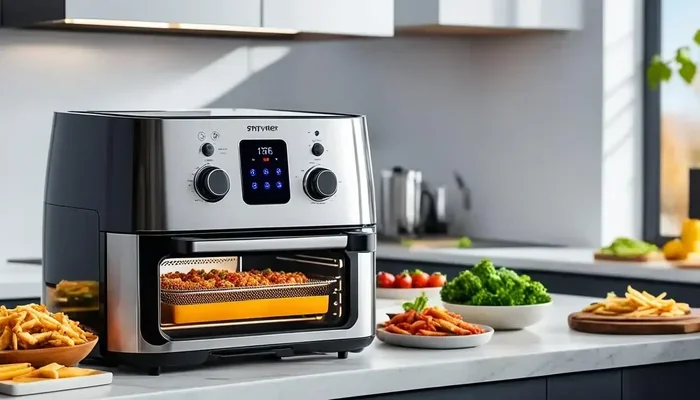
Visual guide about air fryer oven cooking setup
Image source: airfryeraid.com
1. Read the Manual First
Every brand has its own quirks. Some units preheat automatically, while others need a manual start. Some use digital controls, and others rely on dials. The manual tells you which trays fit best, how to clean the fan area, and whether your model has special modes. Spending five minutes with the guide can save you a lot of trial and error.
2. Preheat for Better Crisping
Preheating is not always required, but it helps a lot when you want browning. A short preheat cycle gets the chamber hot before the food goes in. That means the surface starts crisping right away instead of steaming while the oven catches up. Many recipes suggest three to five minutes, but your model may need less. If you are cooking something delicate, a shorter preheat can prevent over-browning.
3. Prepare the Food Properly
Dry surfaces crisp better. If you are cooking vegetables or proteins, pat them dry before seasoning. A light coating of oil can improve browning, but you do not need much. Too much oil can drip, smoke, or make the tray harder to clean. For frozen foods, a light spray often works well. For fresh ingredients, toss them evenly and keep the coating thin.
4. Arrange Food in a Single Layer
Air needs room to move. If you pile food too high, the top layer blocks airflow from reaching the bottom. That leads to uneven cooking and soft spots. Use the tray or rack that comes with your oven, and spread items out with a little space between them. If you are cooking a larger batch, work in rounds rather than cramming everything in at once.
5. Set Temperature and Time
A good starting point is to reduce the recipe temperature by about 20 to 25 degrees Fahrenheit. Then check the food a few minutes before the original time ends. Air fryer ovens often finish faster because the fan moves heat efficiently. If you are trying a new recipe, watch the color and texture closely. It is easier to add a minute or two than to fix overcooked food.
6. Shake, Flip, or Rotate Midway
For the best results, pause halfway through and give the food a quick shake or flip. This simple step helps every side meet the hot air. If you are using multiple racks, you can also swap their positions. Food near the top may brown faster, so moving trays around keeps things even.
7. Check Doneness and Rest
Use a thermometer for meats and larger cuts. Visual cues work for many snacks and vegetables, but temperature is the safest check for proteins. Once the food is done, let it rest for a minute or two if needed. That brief pause helps juices settle and keeps the texture crisp.
Temperature and Time Adjustments That Work
One of the biggest learning curves is figuring out how to change temperature and time. The good news is that you do not need a new recipe for every meal. A few simple rules can help you adapt almost anything.
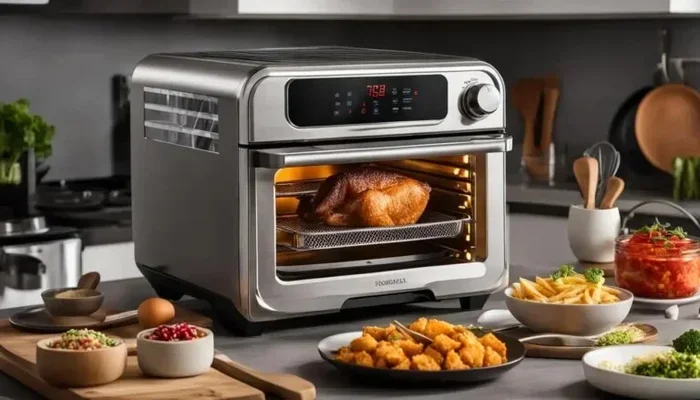
Visual guide about air fryer oven cooking setup
Image source: airfryeraid.com
First, remember that airflow speeds up browning. That means you can often lower the heat a bit and still get great color. If a regular oven recipe calls for 400 degrees, try 375 degrees in your air fryer oven and watch the food closely. You may find that the texture improves because the outside does not dry out as quickly.
Second, check early. If a recipe says 20 minutes in a standard oven, start checking around 14 to 16 minutes in the air fryer oven. Frozen foods often need even less time because they already have a cooked or partially cooked surface. Fresh foods may need a little more attention because moisture content varies.
Third, use the rack position to your advantage. If you want more top browning, place the tray higher. If you want gentler heat, move it lower. Some models brown more evenly in the center, while others favor the top section. A quick test with a small batch can show you where the hot spots sit.
Quick Temperature Guide
Here are some common starting points you can adjust based on your model:
- French fries or frozen snacks: 380 to 400 degrees, 10 to 15 minutes, shake halfway.
- Chicken wings or drumettes: 380 to 400 degrees, 20 to 25 minutes, flip halfway.
- Roasted vegetables: 370 to 390 degrees, 12 to 20 minutes, toss once.
- Breaded fish or shrimp: 370 to 380 degrees, 8 to 12 minutes, check early.
- Reheating leftovers: 350 to 360 degrees, 3 to 6 minutes, until hot and crisp.
These ranges are starting points, not fixed rules. Your oven, the food thickness, and how much you load the tray all change the result. Keep notes on what works, and you will build your own reliable timings quickly.
Best Foods to Cook and How to Prep Them
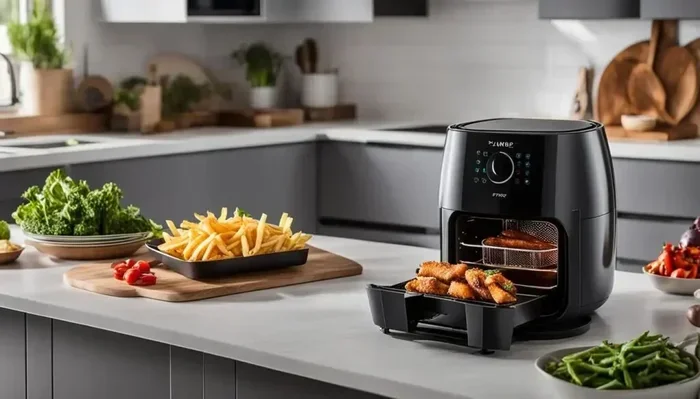
Some foods shine in an air fryer oven, while others need a different approach. Crispy items usually do well because the fan helps create a dry, browned surface. Moist or delicate foods can also work, but they may need extra care.
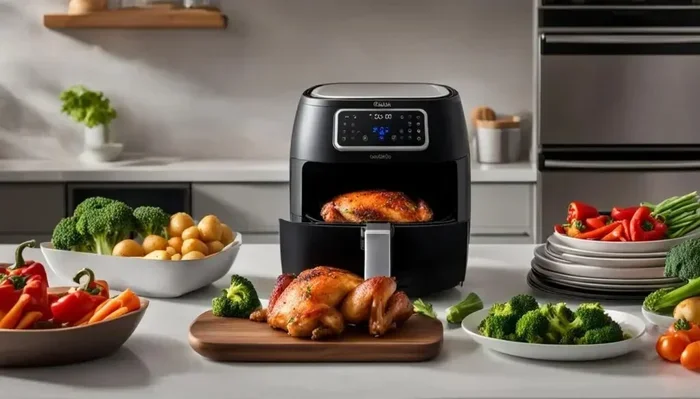
Visual guide about air fryer oven cooking setup
Image source: airfryeraid.com
Frozen snacks are a classic choice. Fries, nuggets, fish sticks, and similar foods often come out better than in a regular oven because they brown more evenly. You usually do not need extra oil, though a light spray can help if the coating looks dry. For frozen vegetables, a quick toss with a little oil and seasoning can improve flavor and texture.
Fresh vegetables also do well when you want roast-like results. Broccoli, Brussels sprouts, zucchini, and carrots can develop nice edges without turning soggy. The key is to cut them into similar sizes so they cook at the same rate. A light oil coating helps heat transfer and browning.
Proteins like chicken pieces, salmon fillets, and meatballs can cook nicely too. For chicken, pat it dry and season well. For fish, a light breading or simple seasoning works best. For meatballs, avoid crowding the tray so the surfaces can brown instead of steam. If you are curious about other methods, you can also compare stovetop techniques, such as how do you make meatballs on the stove, to see which style fits your meal.
Foods That Need Extra Care
Not everything benefits from strong airflow. Very delicate baked goods can dry out or brown too fast. Soft cheeses may melt and drip before the rest of the dish is ready. Wet batters can drip through trays unless you use the right setup. For these foods, lower the temperature a bit and keep a close eye on the texture.
You may also want to use a different method for dishes that rely on slow, even heat. Large roasts, casseroles, and recipes that need gentle rising often do better in a standard oven mode. If your appliance offers both, switch to convection or regular baking when the recipe needs it.
Trays, Racks, and Accessories That Help
The right accessories make a big difference. Airflow is the whole point, so anything that blocks it can hurt your results. Perforated trays, wire racks, and mesh baskets let hot air move around the food instead of trapping it. If your oven came with custom inserts, use them first and learn how they behave.
Silicone molds can be useful for certain recipes, especially when you want shaped portions or easier cleanup. If you plan to use them, make sure they are rated for oven heat and leave space around them for circulation. You can learn more about safe use in guides like how do you use silicone mould in the oven, which can help you avoid warping or uneven cooking.
For foods that need a crisp bottom, a rack usually works better than a solid pan. For items that tend to drip, a tray underneath can catch mess and simplify cleaning. If you cook a lot of frozen snacks or breaded items, a nonstick surface can save time. Just avoid stacking accessories too closely, because tight spacing reduces airflow.
Cleaning and Maintenance Tips
A clean oven performs better. Grease and crumbs can smoke, smell, and even affect how the fan moves air. After each use, let the tray cool, then wash it with warm soapy water if the material allows. Wipe the interior with a damp cloth once it is safe to do so. Avoid abrasive scrubbers on coated surfaces.
If your model has a removable filter or a visible fan area, check the manual for cleaning instructions. Some parts need gentle wiping, while others should not be soaked. Regular care keeps the appliance working well and helps your food taste cleaner and fresher.
Common Mistakes and How to Fix Them
Even experienced cooks make a few missteps when they start using a new appliance. The good news is that most of them are easy to correct. Here are the most common ones and what to do instead.
Overcrowding the tray. When food touches too tightly, the air cannot move freely. The result is uneven browning and softer spots. Fix it by spreading food out and cooking in batches when needed.
Using too much oil. A little oil can help, but excess oil can drip and create smoke. It can also make the texture heavy instead of crisp. Use a light coating and let the fan do the rest.
Ignoring preheat time. Skipping preheat can leave food steaming at the start. A short preheat gives you better color and more consistent timing. Even three minutes can help.
Setting the temperature too high. Strong airflow already speeds up browning. If the heat is too high, the outside can darken before the inside is ready. Lower the temperature a bit and check early.
Forgetting to shake or flip. Static food often cooks unevenly. A quick shake or flip halfway through improves texture and color. For larger items, rotate the tray if your model tends to brown one side faster.
Not adjusting for frozen foods. Frozen items often cook faster than fresh ones because they start with a dry surface and a prepared coating. Treat them as a separate category and check them earlier than you would with fresh ingredients.
Expert Insight
The best way to learn is to run small tests. Try one tray of fries or one batch of wings and watch how your oven behaves. Notice whether the top browns first, whether the center stays cooler, and how long it takes to get color. Those observations tell you more than any generic chart. Over time, you will know when to lower the heat, when to move the tray, and when to pull the food early.
If you want to compare different appliances before buying or upgrading, it can help to read about the best 10 in 1 air fryer oven options on the market. Different models can behave differently, so a little research can save you time once you start cooking.
Quick Tips for Better Results Every Time
Here are a few simple habits that make a big difference:
- Keep a small notebook or phone note with your best timings for favorite foods.
- Use parchment or liners only when needed, and cut them to fit so they do not block airflow.
- Season before cooking, not after, so the flavors stick and the surface browns well.
- Let hot air circulate around the food by avoiding deep piles and tight stacking.
- Check the food early and often until you learn your model’s pace.
- Use the right mode for the job, air fry for crunch, convection for even roasting, and regular bake when the recipe needs it.
These small habits add up. Once they become routine, you will spend less time guessing and more time enjoying the meal.
Conclusion
Learning how do you use an air fryer in the oven is mostly about understanding airflow, adjusting temperature, and giving your food enough space. Once you preheat, arrange the tray well, and check the food a little early, you will get better texture with less effort. The appliance is flexible, so you can use it for frozen snacks, roasted vegetables, proteins, and even quick reheating when you want a crisp finish.
Start with simple foods, take notes, and make small changes as you go. In a short time, you will know your machine well enough to cook with confidence. Then every meal becomes easier, crispier, and more consistent.
Frequently Asked Questions
Do you need to preheat an air fryer oven?
Preheating is not always required, but it usually helps food crisp faster and more evenly. A short preheat gives the chamber time to reach temperature before the food goes in, which improves browning on fries, wings, and similar foods.
Can you use aluminum foil or parchment paper in an air fryer oven?
Yes, but use them carefully so they do not block airflow or touch the heating element. Keep the sheets small enough to fit within the tray, and weigh them down with food if needed. Avoid covering the entire surface when you want maximum crispness.
Why is my food not crispy in the air fryer oven?
Soft results often happen when the tray is too crowded, the food is too wet, or the temperature is too low. Dry the food first, use a light oil coating, and spread items out in a single layer. Shaking or flipping halfway through can also improve crispness.
How do you convert regular oven recipes for an air fryer oven?
Start by lowering the temperature by about 20 to 25 degrees Fahrenheit and checking the food a few minutes early. Air fryer ovens often cook faster because the fan moves heat efficiently. Watch color and texture closely, then adjust based on your model.
Is an air fryer oven better than a countertop air fryer?
It depends on your needs. An air fryer oven often gives you more space and more cooking modes, while a countertop air fryer can be compact and quick for small batches. Both can produce crisp results, so the better choice comes down to portion size, kitchen setup, and how you like to cook.
How often should you clean an air fryer oven?
Clean the tray and interior after each use if possible, especially when cooking greasy or breaded foods. Regular wiping prevents smoke, smells, and buildup that can affect performance. Deep clean removable parts according to the manual, and let everything cool before washing.