

Every cup of coffee starts with a simple cherry on a tree, but the process to turn it into your morning brew is fascinating. Understanding how is coffee beans made helps you appreciate the hard work behind each sip. From picking the right cherries to roasting them just right, many steps shape the flavor you love. This guide breaks down the entire journey so you can brew better coffee at home.
Have you ever wondered what goes into your morning mug? It is more than just dark liquid that wakes you up. The story begins far away on a lush farm. Understanding how is coffee beans made gives you a new respect for your daily ritual. It is a journey filled with care, science, and nature.
Many people think coffee comes from a factory. But it starts as a fruit on a tree. Farmers work hard to pick the best cherries. Then, processors remove the flesh to reveal the seed. This seed is what we call a coffee bean. Each step changes the taste in big ways.
In this guide, we will walk through every stage. You will learn about growing, processing, and roasting. We will also share tips on how to handle beans at home. By the end, you will know exactly what happens before your coffee reaches your cup. Let’s dive into the amazing world of coffee production.
Key Takeaways
- Coffee starts as a cherry: The beans we roast are actually the seeds inside a fruit grown on coffee trees in tropical regions.
- Processing matters: How farmers remove the fruit flesh affects the final taste, with methods like washed and natural being very common.
- Roasting transforms flavor: Heat changes the chemical structure of the bean, creating the rich aromas and tastes we expect in coffee.
- Grinding is crucial: The size of your grounds must match your brewing method to extract the best flavor without bitterness.
- Freshness counts: Coffee beans lose flavor quickly after roasting, so buying fresh and storing them properly is key.
- Ethical sourcing helps: Knowing where your beans come from supports farmers and often leads to higher quality cups.
- Home brewing is an art: You can control variables like water temperature and brew time to make cafe-quality coffee in your kitchen.
📑 Table of Contents
- Growing Coffee Trees and Harvesting Cherries
- Processing Methods After Harvesting
- Milling, Sorting, and Grading the Green Beans
- The Roasting Process and Flavor Development
- Grinding and Brewing for the Perfect Cup
- Sustainability and Ethical Sourcing
- Common Mistakes in Coffee Preparation
- Expert Insights on Bean Quality
- Final Thoughts on the Coffee Journey
Growing Coffee Trees and Harvesting Cherries
Coffee does not grow everywhere. It needs specific weather to thrive. Most coffee grows near the equator in a zone called the Coffee Belt. This area includes countries in South America, Africa, and Asia. The trees need warm temperatures and plenty of rain. They also like shade from taller trees sometimes.
The Coffee Plant Varieties
There are many types of coffee plants. But two main species dominate the market. Arabica is known for its smooth and complex flavor. It grows at higher altitudes. Robusta is stronger and has more caffeine. It grows at lower heights and is hardier. You will often see these names on coffee bags.
Farmers choose seeds carefully. They plant them in nurseries first. Once the seedlings are strong, they move them to the field. It takes years for a tree to produce fruit. A mature tree can produce cherries for many years. But the quality drops as the tree gets older.
Picking the Perfect Cherries
Harvest time is critical. Coffee cherries turn red when they are ripe. Picking them at the right time ensures sweet flavors. If you pick them too early, the coffee tastes sour. If you wait too long, the fruit might rot.
There are two main ways to harvest. The first is hand-picking. Workers go through the fields and pick only the red cherries. This is slow but very selective. The second way is strip-picking. Machines or workers strip all the cherries off the branch at once. This is faster but less precise. High-quality coffee usually comes from hand-picked cherries.
Processing Methods After Harvesting
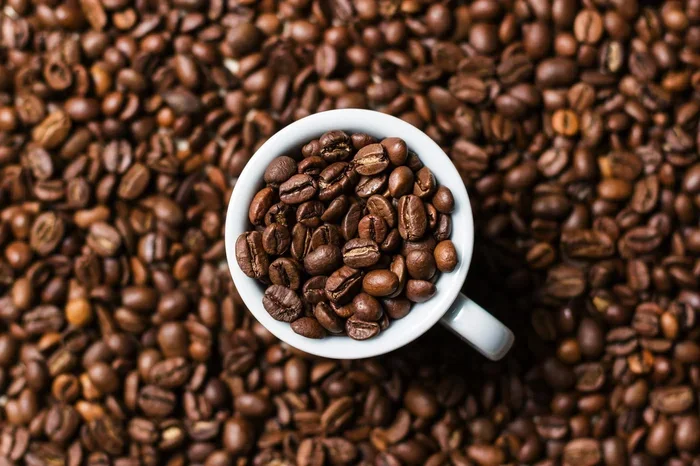
Once the cherries are picked, the clock starts ticking. The fruit must be processed quickly to prevent spoilage. This step is vital in understanding how is coffee beans made. The goal is to remove the flesh and dry the seed. There are three main methods used around the world.
Visual guide about coffee beans processing from farm to cup
Image source: wallup.net
The Washed Process
This method is very common for high-quality Arabica. First, machines remove the outer skin of the cherry. Then, the beans go into water tanks. Fermentation happens here to remove the sticky mucilage. After that, the beans are washed clean with fresh water. Finally, they are dried on patios or raised beds. This method highlights the clean, acidic notes of the bean.
The Natural Process
In this method, the whole cherry is dried without removing the fruit first. The cherries are spread out in the sun. They turn dry and brown over several weeks. During this time, the fruit sugars ferment around the bean. This gives the coffee a fruity and sweet taste. It uses less water than the washed process. But it requires careful monitoring to avoid bad flavors.
The Honey Process
This is a mix of the other two methods. Farmers remove the skin but leave some mucilage on the bean. Then they dry the beans with this sticky layer still on. The name comes from the sweet, sticky feel of the mucilage. It creates a balance between the clean taste of washed coffee and the sweetness of natural coffee.
Proper drying is essential for all methods. If beans stay too wet, mold can grow. If they dry too fast, they might crack. Farmers turn the beans often to ensure even drying. Once the moisture content is low enough, the beans are stable for storage.
Milling, Sorting, and Grading the Green Beans
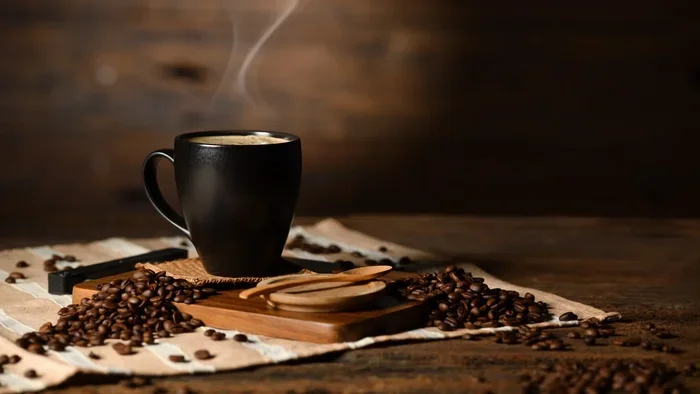
After drying, the beans still have some layers on them. They are called parchment coffee at this stage. The next step is milling. This removes the hard parchment layer around the bean. Now you have what is known as green coffee beans. They are hard and smell grassy, not like roasted coffee yet.
Visual guide about coffee beans processing from farm to cup
Image source: tastingtable.com
Sorting for Quality
Not all beans are perfect. Some might be broken or discolored. Sorting removes these defects. Machines use screens to sort beans by size. They also use air jets to blow away light, defective beans. Hand sorting is also done for premium lots. Workers pick out bad beans by eye. This ensures only the best beans move forward.
Grading Systems
Coffee is graded based on quality. Factors include size, density, and defect count. Specialty coffee has very strict standards. Lower grades might have more broken beans or sour tastes. Grading helps buyers know what they are getting. It also affects the price significantly. Higher grades cost more but offer better flavor.
Once graded, the green beans are packed in large sacks. They are ready for export. This stage is crucial because damaged beans can ruin a whole batch. Careful handling here protects the potential flavor inside.
The Roasting Process and Flavor Development
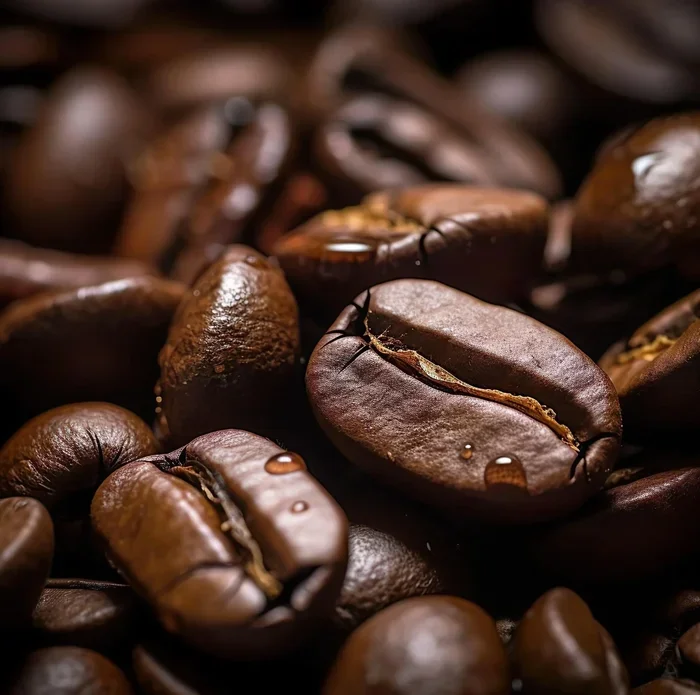
This is where the magic happens. Green beans do not smell like coffee. Roasting changes everything. Heat triggers chemical reactions inside the bean. Sugars caramelize and oils develop. This creates the aroma and taste we love. Knowing how is coffee beans made includes knowing how they are roasted.
Visual guide about coffee beans processing from farm to cup
Image source: static.vecteezy.com
Light vs. Dark Roasts
Roasters control the heat and time. A light roast stops earlier in the process. It keeps more of the bean’s original flavor. You might taste fruit or floral notes. A dark roast goes longer. The heat dominates the bean’s natural flavor. You get a bolder, smokier taste. It is often less acidic too.
Here is a quick comparison of roast levels:
| Roast Level | Color | Flavor Profile | Acidity |
|---|---|---|---|
| Light | Cinnamon Brown | Fruity, Floral, Bright | High |
| Medium | Medium Brown | Balanced, Caramel, Nutty | Medium |
| Dark | Dark Brown/Oily | Bold, Smoky, Chocolatey | Low |
The First and Second Crack
During roasting, beans make sounds. The first crack sounds like popcorn popping. This marks the start of a light roast. The bean expands and loses moisture. If you keep heating, you get the second crack. This is louder and sharper. It signals a dark roast. Oils move to the surface here.
Roasters watch the color and smell closely. They must decide when to stop the heat. Cooling the beans quickly stops the cooking. This locks in the flavor profile they wanted. It is a skilled job that takes practice.
Grinding and Brewing for the Perfect Cup
Once roasted, the beans are ready to be ground. But you cannot grind them too early. Freshness fades fast after roasting. Oxygen is the enemy of flavor. That is why many people buy whole beans and grind them at home. This step is the final part of how is coffee beans made into a drinkable product.
Choosing the Right Grind Size
The size of your grounds matters a lot. Different brewing methods need different sizes. If the grind is too fine, the water flows too slow. This makes the coffee bitter. If it is too coarse, the water flows too fast. The coffee tastes weak and sour.
- French Press: Needs a coarse grind like sea salt.
- Drip Coffee: Needs a medium grind like sand.
- Espresso: Needs a very fine grind like powder.
- Pour Over: Needs a medium-fine grind.
Brewing Tips for Home
Water quality is just as important as the beans. Use filtered water if possible. Tap water can add bad tastes. The temperature should be just off the boil. Around 200 degrees Fahrenheit is perfect. Boiling water can burn the grounds.
You can learn more about measuring your coffee accurately to get consistent results. Getting the ratio right ensures you do not waste expensive beans. It also helps you replicate a good cup every morning.
Storage is another key factor. You want to keep beans away from light and heat. Some people wonder about storage containers for other foods, like how to store beans after soaking for cooking. But coffee beans need airtight containers to stay fresh. Do not store them in the fridge unless you live in a very humid place.
Sustainability and Ethical Sourcing
Coffee farming supports millions of people worldwide. But it faces challenges. Climate change threatens growing regions. Prices can fluctuate wildly too. Ethical sourcing helps ensure farmers get a fair wage. This allows them to invest in better farming practices.
When you buy certified coffee, you support these goals. Labels like Fair Trade or Rainforest Alliance mean something. They show care for people and the planet. Better pay often leads to better quality cherries. Farmers can take time to pick only the ripe fruit.
Consumers play a role too. Choosing sustainable brands encourages good practices. It helps protect the environments where coffee grows. This ensures we can enjoy coffee for generations to come. Every purchase is a vote for the kind of world you want.
Common Mistakes in Coffee Preparation
Even with great beans, mistakes happen. Here are some things to avoid to enjoy the best flavor.
- Using stale beans: Old beans lose their oils and aroma. Always check the roast date.
- Wrong water temperature: Water that is too hot burns the coffee. Water that is too cool under-extracts it.
- Dirty equipment: Old coffee oils build up in machines. They make fresh coffee taste rancid. Clean your gear often.
- Inconsistent grinding: A bad grinder makes uneven particles. This leads to mixed flavors in one cup.
- Ignoring the ratio: Too much coffee wastes money. Too little makes weak drink. Use a scale for precision.
If you are using a specific device, check if it is safe for your kitchen setup. For example, you might want to know how to tell if a mug is oven safe if you plan to heat it directly. While rare for coffee, knowing your tools helps prevent accidents.
Expert Insights on Bean Quality
Experts look for specific signs of quality. They smell the dry grounds before brewing. They taste the coffee at different temperatures. A good bean tastes sweet, not just bitter. It should have a clean finish without mudiness.
Origin plays a huge role. Beans from Ethiopia often taste floral. Beans from Brazil might taste nutty. Knowing the region helps you predict the flavor. It adds context to your cup. Try different origins to find your favorite profile.
Freshness is the biggest indicator. Roasted beans peak within a few weeks. After a month, the flavor declines rapidly. Buy smaller batches more often. This ensures you always drink at the peak of flavor.
Final Thoughts on the Coffee Journey
From a cherry on a tree to a brew in your hand, coffee goes through an incredible transformation. Every step adds to the final taste. Understanding how is coffee beans made connects you to the farmers and roasters. It makes every sip more meaningful.
You now know about growing, processing, and roasting. You also have tips for grinding and brewing at home. Use this knowledge to improve your daily routine. Try different methods and origins. Your perfect cup is waiting to be discovered.
Enjoy the process. Coffee is more than fuel. It is a craft and a culture. Share your love for good coffee with friends. Keep exploring the world of beans.
Frequently Asked Questions
Where do coffee beans grow?
Coffee beans grow on trees in tropical regions near the equator, known as the Coffee Belt. Major producers include countries in South America, Africa, and Asia. They need warm climates and specific altitudes to produce high-quality cherries.
What is the difference between Arabica and Robusta?
Arabica beans are smoother, more complex, and contain less caffeine. Robusta beans are stronger, more bitter, and have higher caffeine content. Most specialty coffee shops prefer Arabica for its superior flavor profile.
How long do roasted coffee beans stay fresh?
Roasted coffee beans are best within two to four weeks of roasting. After this period, they lose their aromatic oils and flavor quickly. Store them in an airtight container away from light to maintain freshness longer.
Can you eat coffee beans raw?
You can eat raw coffee beans, but they are very hard and taste grassy. They also contain more acid and caffeine than roasted beans. It is much better to consume them after roasting and brewing for the best experience.
Why does coffee taste bitter?
Coffee tastes bitter if it is over-extracted or roasted too dark. Using water that is too hot or grinding too fine can also cause bitterness. Adjusting your brew time and grind size usually fixes this issue.
How should I store coffee beans at home?
Store coffee beans in a cool, dark place in an airtight container. Avoid the fridge or freezer unless necessary, as moisture can damage the flavor. Keep them away from heat sources like the stove for the best results.



