Roasted coffee beans stay at their best for about one to two weeks after roasting. Proper storage in airtight containers away from light and heat can extend their quality for up to a month. Once ground, coffee loses flavor much faster, so grind only what you need. Watch for flat aroma, bitter taste, or oily residue to spot stale beans. Follow these simple tips to enjoy a rich, fresh cup every single day.
There is nothing quite like the smell of fresh coffee in the morning. That rich aroma fills the kitchen and wakes up your senses. But have you ever wondered how long are roasted coffee beans good for? Many coffee lovers buy a big bag and keep it on the counter for weeks. The truth is that coffee beans change quickly after roasting. They do not last forever. Their flavor, aroma, and acidity shift over time. If you want the best cup, you need to know when your beans are still fresh and when they start to fade.
Coffee is a living product in many ways. The roasting process creates gases and oils that give each bean its unique character. Right after roasting, the beans release carbon dioxide. This is called degassing. During this phase, the coffee can taste too bright or even a bit sour. After a few days, the flavors settle and reach their peak. That is when most people enjoy the best brew. But the clock keeps ticking. Oxygen, moisture, heat, and light all work against your beans. They slowly break down the oils and dull the taste. Knowing how to slow this process makes a huge difference in your daily cup.
In this guide, we will break down everything you need to know about coffee bean freshness. You will learn the ideal window for brewing, the best ways to store your beans, and how to spot when they have gone stale. We will also share simple tips to keep your coffee tasting great for longer. Whether you buy beans from a local roaster or order them online, these facts will help you get the most out of every bag. Let us dive in and discover how to keep your coffee at its best.
Key Takeaways
- Peak freshness window: Roasted coffee beans taste best within 7 to 14 days after roasting.
- Storage matters most: Keep beans in a cool, dark place inside a sealed container to preserve flavor.
- Grind right before brewing: Whole beans stay fresh longer than pre ground coffee.
- Signs of stale beans: Loss of aroma, flat taste, and excessive oil on the surface mean the beans are past their prime.
- Freezing works for long term: You can freeze roasted beans for up to six months if you pack them correctly.
- Avoid moisture and heat: Both speed up oxidation and ruin the delicate oils in coffee.
- Buy in small batches: Purchasing smaller amounts ensures you always drink fresh coffee.
📑 Table of Contents
- How Long Are Roasted Coffee Beans Good For After Roasting
- Best Ways to Store Roasted Coffee Beans
- Whole Beans vs Ground Coffee Shelf Life
- Signs Your Roasted Coffee Beans Are Going Stale
- Can You Freeze Roasted Coffee Beans for Long Term Storage
- Quick Tips for Keeping Coffee Fresh Longer
- Common Mistakes That Ruin Coffee Bean Freshness
- Expert Insights on Coffee Bean Freshness
- Key Takeaways for Coffee Bean Freshness
How Long Are Roasted Coffee Beans Good For After Roasting
The short answer is that roasted coffee beans are at their peak for about one to two weeks after roasting. During this time, the flavors are balanced and the aroma is strong. Most specialty coffee roasters suggest brewing within this window for the best experience. However, the beans do not suddenly turn bad after day fourteen. They simply start to lose some of their bright notes and complexity. You can still brew them for several weeks, but the taste will change.
Several factors affect how quickly beans lose their quality. The roast level plays a big role. Light roasts tend to hold their acidity and floral notes a bit longer. Dark roasts often lose their bold character faster because the oils are more exposed on the surface. The bean origin also matters. Some beans have more natural oils and sugars that break down over time. Storage conditions make the biggest difference. Beans kept in a cool, dark, and dry place will stay fresh much longer than those left in a warm kitchen or a clear jar on the counter.
The First Few Days After Roasting
Right after roasting, the beans are still releasing gas. This degassing phase usually lasts three to five days. During this time, the coffee may taste sharp or uneven. Many people wait at least a few days before brewing to let the flavors settle. If you try to brew too early, you might notice a sour or grassy note. That is normal. The beans are still calming down. Patience pays off here.
Peak Freshness Window
Between day seven and day fourteen, most roasted coffee beans hit their sweet spot. The gases have mostly escaped. The flavors are rounded and full. The aroma is strong and inviting. This is the ideal time to brew for a rich and balanced cup. If you buy fresh beans from a roaster, aim to use them within this period. You will notice a clear difference in taste compared to older beans.
When Beans Start to Lose Flavor
After about two weeks, the beans begin to lose some of their top notes. The bright acidity may fade. The aroma becomes softer. The coffee still works well for daily drinking, but it will not taste as lively. By the four week mark, the beans are noticeably older. They may taste flat or dull. They are still safe to drink, but the experience is not as enjoyable. If you want the best flavor, try to finish your bag before this point.
Best Ways to Store Roasted Coffee Beans
Storage is the secret to keeping your coffee fresh. The right method slows down oxidation and protects the delicate oils. Many people make the mistake of leaving beans in the original bag on the counter. That is not ideal. Light, air, and heat all work together to degrade the beans. You need a simple system that keeps these elements away. With the right storage habits, you can enjoy better coffee for longer.
Visual guide about fresh roasted coffee beans in jar
Image source: static1.bigstockphoto.com
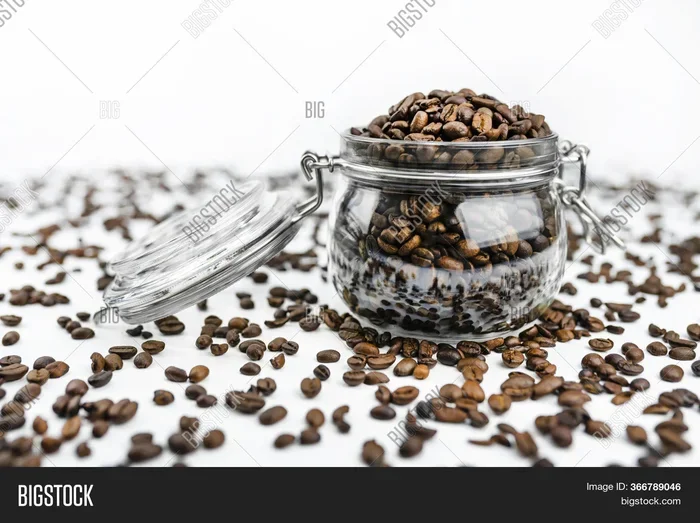
The first rule is to keep beans in an airtight container. A sealed jar, a tight lid canister, or a quality bag with a zip lock works well. The goal is to limit the amount of air that touches the beans. Oxygen is the main enemy of fresh coffee. It breaks down the oils and causes the flavor to fade. You do not need fancy equipment. A simple container in a dark cupboard is enough for most home brewers.
Temperature also matters. Coffee beans like a stable, cool environment. Avoid places near the stove, oven, or a sunny window. Heat speeds up the aging process and can make the beans taste bitter. Moisture is another problem. Humidity can cause the beans to lose their crunch and affect the grind. Keep your container in a dry spot. If you live in a humid climate, you may want to store your beans in a closed cabinet away from the kitchen steam.
Airtight Containers vs Original Bags
Many coffee bags come with a one way valve and a resealable top. These bags are actually quite good at keeping beans fresh if you use them correctly. The valve lets gas escape without letting air in. If you keep the bag sealed and store it in a dark place, it can work well for a week or two. However, once you open the bag often, the seal may weaken. At that point, moving the beans to a rigid airtight container is a smart choice. Containers with tight lids offer better protection over time.
Where to Keep Your Coffee Beans
The best place for roasted coffee beans is a cool, dark cupboard or pantry. Choose a spot that stays at a steady temperature. Avoid the top of the fridge, where warm air escapes. Avoid the counter near a window. A simple kitchen cabinet works well for most people. If you want to go the extra mile, you can use a container that blocks light. Dark glass or metal canisters help keep the beans away from light exposure.
Whole Beans vs Ground Coffee Shelf Life
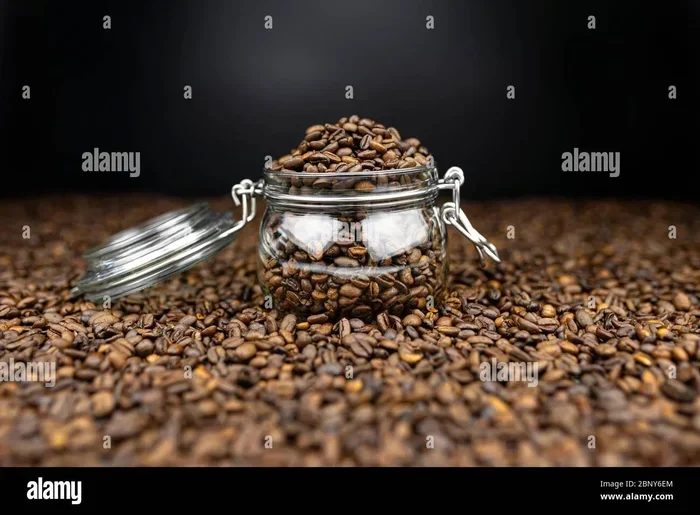
If you want the longest lasting freshness, always choose whole beans. Whole roasted coffee beans stay good much longer than ground coffee. The reason is simple. Grinding exposes more surface area to air. Once the beans are broken into small particles, oxidation happens much faster. The oils evaporate more quickly. The aroma fades in a matter of hours or days. That is why many coffee experts recommend grinding right before you brew.
Visual guide about fresh roasted coffee beans in jar
Image source: c8.alamy.com
Ground coffee has a much shorter peak window. After opening a bag of pre ground coffee, the flavor starts to drop within days. You can still use it for a couple of weeks, but the taste will not be as bright. If you buy ground coffee for convenience, try to use it quickly. Keep it sealed tight and store it in the same cool, dark place as whole beans. The rules are similar, but the clock moves faster.
There is also a difference in how the beans behave during brewing. Freshly ground coffee releases more aroma and gives a cleaner cup. Older ground coffee can taste flat or muddy. The difference is easy to notice if you compare the two side by side. If you have a simple grinder at home, using it each morning is one of the best upgrades you can make for your coffee routine.
Why Grinding Changes Freshness So Fast
When you grind coffee, you break the protective structure of the bean. The inner oils and volatile compounds are suddenly exposed to the air. This speeds up the loss of flavor and smell. Even a small amount of grinding makes a big difference. That is why coffee shops grind beans right before brewing. They know that fresh ground coffee tastes better. You can do the same at home with a basic grinder.
How Long Does Ground Coffee Last?
Ground coffee is best used within one to two weeks of opening. After that, the flavor declines more quickly than whole beans. It is still safe to drink for a while, but the taste may become dull. If you want the best results, buy smaller bags of ground coffee and use them faster. You can also store ground coffee in the freezer for a short time, but only if you pack it well and avoid repeated thawing.
Signs Your Roasted Coffee Beans Are Going Stale
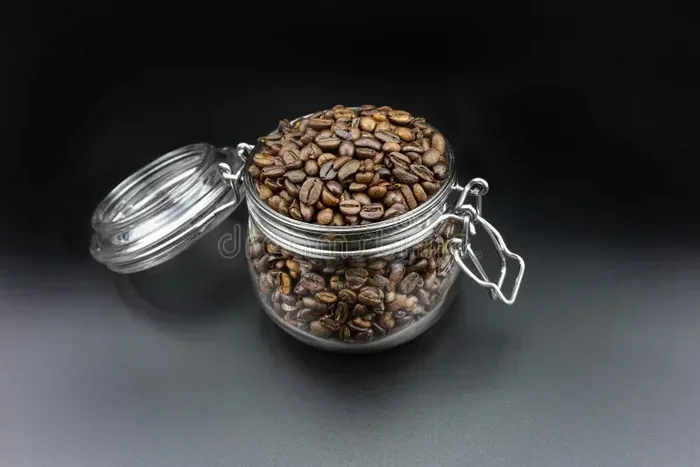
It is not hard to tell when coffee beans are past their best. Your senses give you clear clues. The first sign is usually the smell. Fresh roasted coffee beans have a strong, pleasant aroma. If the scent is weak or smells like cardboard, the beans are losing their freshness. The oils have started to break down. The flavor will likely be flat as well.
Visual guide about fresh roasted coffee beans in jar
Image source: thumbs.dreamstime.com
Taste is another good indicator. Fresh coffee has a clear flavor profile. You can notice the acidity, sweetness, and body. Stale coffee often tastes dull, bitter, or overly sharp without balance. The cup may feel thin. You might not get the same satisfaction from your brew. If you drink the same bean regularly, you will notice the change over time. It is a gradual shift, but it is real.
Visual signs can also help. Fresh beans usually have a dry, matte look. Some dark roasts may have a slight oily sheen, which is normal. But if the beans look very oily or clumpy, they may be older. Moisture can also cause clumping. If you see mold or strange spots, discard the beans. Safety comes first. In most cases, stale coffee is not dangerous, but it is not pleasant either.
Smell and Taste Changes
The aroma of fresh coffee is one of the best parts of the brewing routine. When the smell fades, the cup usually suffers too. Try this simple test. Open the container and take a deep breath. If the scent is strong and rich, the beans are likely still good. If the smell is faint or dusty, the beans have aged. Taste a small cup. If the flavor feels flat or unbalanced, it is time to use fresher beans.
Visual and Texture Clues
Look at the beans closely. Fresh beans are usually uniform in color and texture. Older beans may look drier or have uneven patches. If the beans stick together, moisture may be present. That can affect the grind and the brew. Check the inside of the container too. Any signs of condensation or dampness mean the storage conditions need improvement. Keep your beans dry and sealed to avoid these issues.
Can You Freeze Roasted Coffee Beans for Long Term Storage
Freezing is a useful option when you want to keep roasted coffee beans for a longer period. It can work well if you do it correctly. The main goal is to protect the beans from moisture, air, and temperature swings. If you simply toss an open bag into the freezer, you will likely ruin the flavor. Ice crystals and condensation can damage the beans. The key is careful packaging and smart thawing.
To freeze coffee beans the right way, divide them into small portions. Use airtight bags or containers that block light and air. Remove as much air as possible before sealing. Label the bags with the date. When you need coffee, take out only one portion and let it come to room temperature before opening. This helps prevent moisture from settling on the beans. Once the beans thaw, use them within a day or two for the best taste.
Freezing works best for beans you will not use within a few weeks. If you buy fresh beans every week, freezing is not necessary. But if you stock up during a sale or receive a large batch from a roaster, freezing can help preserve quality. Keep in mind that repeated freezing and thawing hurts the flavor. Plan your portions so you only thaw what you need.
How to Freeze Coffee Beans Properly
Start with fresh beans that are still within their peak window. Divide them into single use or few use portions. Place each portion in a sealed bag or container. Squeeze out excess air. Store the bags in the coldest part of the freezer, away from the door where temperature changes happen often. When you are ready to brew, move one portion to the kitchen and let it warm up before opening. This simple routine keeps the beans in good shape.
Thawing and Using Frozen Beans
Thawing is just as important as freezing. Do not open the bag while the beans are still cold. Condensation can form on the surface and affect the flavor. Let the sealed portion sit at room temperature for a short time. Once it reaches normal temperature, open it and use the beans. Try to finish the portion quickly. Frozen coffee can taste great if you handle it with care.
Quick Tips for Keeping Coffee Fresh Longer
Small habits make a big difference. Here are some easy tips to help your roasted coffee beans stay fresh and flavorful:
- Buy in smaller amounts. Purchase only what you will use in one to two weeks. Fresh beans taste better than old stock.
- Store in a dark, cool place. A pantry or cabinet works well. Keep the container away from heat and light.
- Seal the container tightly. Limit air exposure every time you close the lid or bag.
- Grind just before brewing. Whole beans keep their flavor longer than ground coffee.
- Use clean, dry tools. Moisture and old coffee residue can affect the taste of your next brew.
- Avoid the fridge. The refrigerator is humid and can introduce odors. It is not a good spot for coffee beans.
- Check the roast date. If your bag has a roast date, use it as a guide for freshness.
Common Mistakes That Ruin Coffee Bean Freshness
Even experienced coffee drinkers make a few storage mistakes. Avoiding these errors can help you enjoy better coffee every day.
One common mistake is leaving beans in a clear jar on the counter. Light and heat break down the oils faster. Another mistake is storing coffee near the stove or oven. The warmth speeds up aging. Some people also keep coffee in the fridge, which adds moisture and odors. That usually hurts the flavor more than it helps.
Another mistake is buying huge bags and using them slowly over months. Coffee is best when it is fresh. A large bag that sits open for a long time will lose quality. It is better to buy smaller amounts more often. Also, some people grind all the beans at once and store the grounds. That reduces freshness quickly. Grinding right before brewing is a much better habit.
Finally, ignoring the roast date can lead to disappointment. If you do not know when the beans were roasted, you may assume they are fresh when they are not. When possible, choose bags that show the roast date. That gives you a clear starting point for tracking freshness.
Expert Insights on Coffee Bean Freshness
Coffee roasters and baristas agree on a few key points. Freshness is not just about safety. It is about flavor. The best cup comes from beans that are still within their peak window. That is when the oils, acids, and aromatic compounds are in balance. Once the beans age, the cup loses some of its character. You can still enjoy it, but it will not be as vibrant.
Experts also stress the importance of consistency. Store your beans the same way each time. Use a sealed container. Keep them in a stable spot. Grind only what you need. These simple habits create a better routine. Over time, you will notice a clearer taste and a more enjoyable brew. Freshness is one of the easiest ways to improve your coffee without buying expensive gear.
Another useful insight is that different brewing methods can highlight freshness in different ways. Pour over and drip coffee often show the bright notes of fresh beans. Espresso can reveal the body and sweetness. If your beans are stale, these methods may produce a flatter cup. Matching your beans to your brewing style can help you get the most out of them.
Key Takeaways for Coffee Bean Freshness
To wrap things up, here are the most important points to remember:
- Roasted coffee beans are best within 7 to 14 days after roasting. That is the peak window for flavor and aroma.
- Storage makes a huge difference. Keep beans in an airtight container in a cool, dark place.
- Whole beans last longer than ground coffee. Grind right before brewing for the freshest taste.
- Watch for signs of staleness. Weak smell, flat taste, and clumpy texture mean the beans are aging.
- Freezing can help for long term storage. Use proper packaging and thaw only what you need.
- Buy smaller batches. Fresh coffee is worth the habit of frequent purchases.
- Avoid heat, light, and moisture. These are the main enemies of coffee freshness.
Knowing how long are roasted coffee beans good for helps you make better choices at home. You do not need to be a coffee expert to enjoy a fresh cup. You just need a few simple habits. Store your beans well, grind them close to brewing time, and pay attention to the aroma and taste. When you do that, your coffee will taste better and feel more satisfying. Freshness is one of the easiest ways to upgrade your daily routine. Try these tips with your next bag of beans and notice the difference for yourself.
Frequently Asked Questions
How long are roasted coffee beans good for after opening?
Once opened, roasted coffee beans stay at their best for about one to two weeks if stored properly. After that, they gradually lose flavor and aroma but are still safe to brew for several weeks. Keep them in an airtight container in a cool, dark place for the best results.
Do roasted coffee beans go bad?
Roasted coffee beans do not usually spoil in a dangerous way, but they do go stale over time. The oils break down, the aroma fades, and the taste becomes flat or bitter. They are still drinkable, but the quality drops as they age.
How should I store roasted coffee beans for maximum freshness?
Store roasted coffee beans in a sealed, airtight container away from light, heat, and moisture. A cool cupboard or pantry works well. Avoid the counter, the stove area, and the refrigerator, since these places can speed up flavor loss.
Can I freeze roasted coffee beans to keep them fresh longer?
Yes, you can freeze roasted coffee beans if you pack them in airtight portions and protect them from moisture. Thaw one portion at a time before opening to avoid condensation. Freezing works best for beans you will not use within a few weeks.
How can I tell if my coffee beans are stale?
Stale coffee beans usually have a weak aroma, a flat taste, and less balance in the cup. You may also notice clumping, excess oil, or a dull appearance. If the smell and flavor are noticeably weaker than before, the beans are past their peak.
Is it better to buy whole beans or ground coffee for freshness?
Whole beans are better for freshness because they stay protected until you grind them. Ground coffee loses flavor much faster due to greater exposure to air. For the best taste, buy whole beans and grind them right before brewing.