Many people wonder how long can coffee sit in the fridge before it goes bad. You can safely store brewed coffee for 3 to 4 days in a sealed container. Always check for off smells or mold before drinking old coffee. Proper coffee storage helps you save money and reduce waste.
We all love a good cup of coffee. It wakes us up and tastes great. But sometimes life gets busy. You brew a pot and do not finish it. Now you have a big question. How long can coffee sit in the fridge before it is unsafe to drink? This is a common kitchen worry. Nobody wants to waste good beans or get sick.
Storing food and drinks properly is key to safety. Coffee is no different. Many people pour leftover brew into a mug and leave it on the counter. Others put it straight in the cold box. Both methods have rules. We will break down the facts for you. You will learn the safe limits and the best ways to store your brew.
This guide covers everything you need to know. We talk about brewed coffee, cold brew, and beans. We also look at what happens when you add milk. By the end, you will feel confident about your coffee storage habits. Let us dive into the details so you can enjoy your drink safely.
Key Takeaways
- Safe Storage Time: Brewed coffee stays fresh in the fridge for 3 to 4 days.
- Container Matters: Use airtight containers to prevent flavor loss and odor absorption.
- Signs of Spoilage: Discard coffee if it smells sour, looks cloudy, or has mold.
- Cold Brew Differences: Cold brew concentrate lasts longer than regular hot brew coffee.
- Reheating Tips: Reheat gently to avoid burning the coffee and altering the taste.
- Avoid Dairy Risks: Adding milk or cream shortens the safe storage time significantly.
- Freezer Option: Freezing coffee is possible but may affect texture and flavor quality.
📑 Table of Contents
- Understanding Coffee Storage Basics
- How Long Can Brewed Coffee Last in the Fridge
- Cold Brew vs. Hot Brew Storage
- Impact of Additives Like Milk and Cream
- Reheating Your Leftover Coffee
- Freezing Coffee for Long-Term Storage
- Common Mistakes to Avoid
- Expert Insights on Coffee Freshness
- Key Takeaways for Safe Coffee Storage
Understanding Coffee Storage Basics
Coffee is a perishable item once brewed. It contains water and organic compounds. These things break down over time. Bacteria can grow if conditions are right. That is why how long can coffee sit in the fridge matters so much. You need to know the limits to stay safe.
The fridge slows down bacterial growth. It keeps things cold. But it does not stop time completely. Air exposure is another big factor. Oxygen makes coffee go stale fast. It also lets bad smells from other foods get in. Your coffee might taste like onions if you are not careful.
Heat is the enemy too. Hot coffee cools down eventually. But leaving it out on the counter is risky. The danger zone for food is between 40 and 140 degrees Fahrenheit. Bacteria grow quickly in this range. You should cool your coffee down fast if you plan to save it.
The Role of Containers
What you put your coffee in changes everything. An open mug is not a good idea. It lets air in and spills out. A sealed jar is much better. Glass or ceramic works well too. Plastic can hold onto smells sometimes.
You want an airtight container for best results. This keeps the flavor inside. It also keeps the fridge smells outside. If you use a pitcher, make sure the lid fits tight. Even a small gap can let air in. This speeds up the staling process.
Cleanliness is also vital. Wash your container before using it. Old residue can spoil new coffee. Bacteria love dirty surfaces. A clean start ensures your leftover coffee stays safe longer. Always use clean spoons too when you scoop some out.
How Long Can Brewed Coffee Last in the Fridge
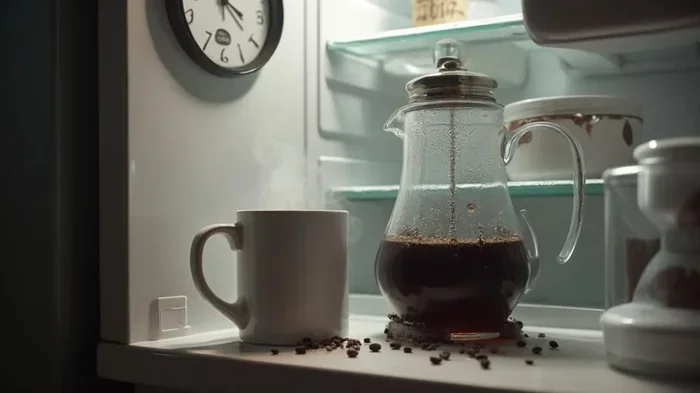
This is the main question many ask. How long can coffee sit in the fridge after brewing? The general rule is simple. You have about 3 to 4 days. After that, the risk goes up. The taste gets worse too.

Visual guide about Fresh brewed coffee in fridge
Image source: keurigcoffee.blog
Day one is the best time. The flavor is still strong. The aroma is fresh. By day three, you might notice changes. It may taste flat or acidic. The oils in the coffee break down. This changes the profile of the drink.
Day four is the limit for most people. After this point, throw it away. It is not worth the risk. You might get a stomach ache. Or you just will not enjoy the taste. Drinking expired coffee is not a good idea. Safety comes first in the kitchen.
Signs Your Coffee Has Gone Bad
You need to use your senses. Look at the liquid. Is it cloudy? Does it have floating bits? These are bad signs. Fresh coffee should look clear. If you see mold growth, toss it immediately.
Smell is a powerful tool. Fresh coffee smells rich and nutty. Bad coffee smells sour or rancid. It might smell like vinegar. If the aroma makes you wrinkle your nose, do not drink it. Trust your nose.
Taste is the last check. But do not take a big sip if you doubt it. A tiny taste can tell you a lot. If it tastes bitter or off, spit it out. Coffee spoilage signs are usually obvious. When in doubt, throw it out.
Cold Brew vs. Hot Brew Storage
Not all coffee is the same. Cold brew is popular now. It is made with cold water over a long time. This changes how you store it. Cold brew coffee often lasts longer than hot brew. The acidity is lower. This helps preservation.
Visual guide about Fresh brewed coffee in fridge
Image source: coffeereviewhq.com
Hot brewed coffee has more acids. These can degrade faster. The heat also extracts oils quickly. These oils can go rancid. So hot coffee might spoil sooner. Cold brew concentrate is very strong. You dilute it before drinking.
If you store concentrate, it lasts longer. You can keep it for up to a week sometimes. But once you add water, the clock starts. Treat diluted cold brew like regular coffee. Keep it in the cold box for 3 to 4 days max.
Storage Tips for Cold Brew
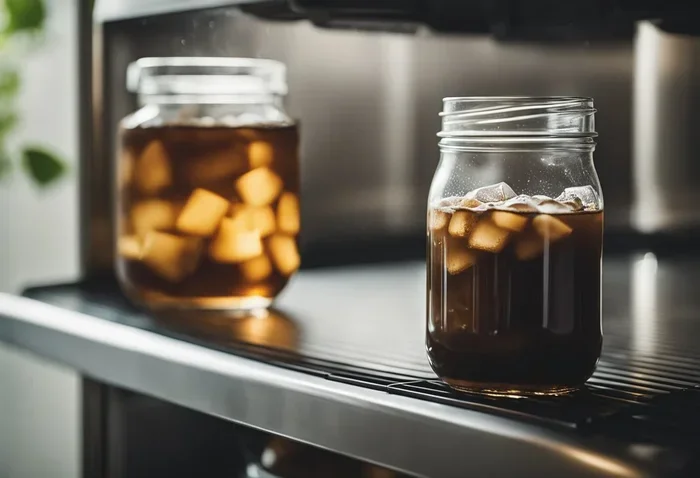
Use a glass bottle for cold brew. It keeps the taste clean. Seal it tight. Put it in the back of the fridge. The temperature is more stable there. The door opens often and changes temp.
Label your bottle with the date. This helps you track coffee freshness. You might forget when you made it. A piece of tape works well. Write the day you brewed it. This avoids guessing later.
Impact of Additives Like Milk and Cream
Adding dairy changes the rules. Plain black coffee is more stable. Milk spoils faster than coffee. If you mix them, the milk dictates the safety. Coffee with milk should be treated carefully.

Visual guide about Fresh brewed coffee in fridge
Image source: tipsbulletin.com
Dairy products are prone to bacteria. They need constant cold temps. If you leave coffee with cream out, it goes bad fast. Even in the fridge, the window is shorter. You should drink it within 1 to 2 days.
Plant-based milks are similar. Almond or oat milk can spoil too. Check the carton for expiry. Once opened, they have a limit. Mixing them with coffee does not stop spoilage. Treat them like dairy for safety.
Sweeteners and Flavors
Sugar does not spoil quickly. But it can change texture. Syrups are usually safe longer. However, mixed into coffee, they become part of the mix. The liquid environment matters most.
Flavored syrups might have preservatives. This helps a bit. But do not rely on them for safety. The coffee base still degrades. Keep the mixture sealed. Avoid cross-contamination with dirty spoons.
Reheating Your Leftover Coffee
Many people want to warm up old coffee. You can do this safely if it is within the time limit. Reheating coffee brings it back to a drinkable temp. But be careful not to burn it.
Use a stove or microwave. Low heat is best. High heat makes coffee taste burnt. It releases more bitter compounds. Stir it often to spread the heat. You want it warm, not boiling.
Microwaves are quick but uneven. Hot spots can form. Stir halfway through. This ensures even warming. If you used a stove, a small pot works well. Keep the flame low. Watch it closely.
Does Reheating Affect Taste?
Yes, it does. Coffee changes when heated again. Volatile aromas escape. The flavor profile shifts. It might taste more acidic. Some people do not mind this. Others prefer fresh brew.
To minimize loss, heat gently. Do not overheat. Just take the chill off. This keeps more of the original character. Adding fresh milk after heating helps too. It masks some of the stale notes.
Freezing Coffee for Long-Term Storage
What if you want to keep it longer? The freezer is an option. Freezing coffee stops bacterial growth. It pauses time almost. But it affects quality. Ice crystals can form.
Texture might change when thawed. The separation of oils can happen. Taste might suffer slightly. But it is safe to eat. This is good for bulk storage. You can freeze brewed coffee in ice cube trays.
Use the cubes for iced coffee later. This is a smart trick. You get cold coffee without dilution. Just pop a cube in a glass. It saves space and reduces waste. Make sure to seal the bag tight.
Best Practices for Freezing
Cool the coffee before freezing. Hot liquid raises the freezer temp. This affects other foods. Portion it out. Small bags are easier to use. You do not want to thaw a big block.
Label everything. Write the date and type. Coffee blends taste different. You might want a specific roast later. Keep it organized. This makes coffee preservation easier.
Common Mistakes to Avoid
People make errors with storage. One big mistake is leaving the lid off. This lets air in. It also lets smells in. Your coffee tastes like leftover pizza. Keep it sealed tight.
Another error is using dirty containers. Old coffee oils stick to walls. These go rancid. They spoil the new batch. Wash everything with hot soapy water. Rinse well.
Do not store coffee in the door. The temperature fluctuates there. Every time you open the fridge, the temp changes. The back shelf is colder and stable. Put your container there.
Ignoring Expiration Dates
If you use bottled coffee, check the label. Store-bought drinks have preservatives. They last longer than home brew. But they still expire. Look at the printed date.
Once opened, the clock starts. Treat it like fresh brew. Do not assume it lasts months. Opened bottles need care. Keep them cold. Drink them within a few days.
Expert Insights on Coffee Freshness
Baristas know a lot about beans. They say freshness is key. Whole beans stay good longer than ground. But brewed coffee is different. It is already extracted. The clock ticks faster.
Professional kitchens follow strict rules. They label and date everything. This prevents waste and sickness. You can do this at home too. It takes little effort. Just a marker and tape.
Quality matters too. High-quality beans taste better longer. Cheap coffee might go stale faster. The roast level plays a role. Darker roasts might degrade differently. But safety rules are the same for all.
Maintaining Flavor Profile
To keep flavor, limit air exposure. Oxygen is the main enemy. It oxidizes the coffee. This makes it taste flat. Use vacuum seals if you can. Or just fill the container to the top.
Less air space means less oxidation. This is a simple trick. It helps brewed coffee storage significantly. You keep more of the original taste. It makes the reheating step better too.
Key Takeaways for Safe Coffee Storage
Wrapping up, here is what you need to remember. How long can coffee sit in the fridge is the main question. The answer is 3 to 4 days for black coffee. Dairy shortens this time.
Use airtight containers. Keep them in the back of the fridge. Watch for signs of spoilage. Smell and look before drinking. When in doubt, throw it out. Safety is more important than saving a cup.
Freezing is an option for long term. But taste might change. Reheat gently if you want it hot. Avoid the fridge door for storage. Follow these tips and enjoy your coffee safely.
Coffee is a daily joy. Do not let storage worries ruin it. With a little care, you can save leftovers. You save money and reduce waste. Just respect the limits. Your taste buds and your stomach will thank you.
Now you know the rules. You can plan your brewing better. Make only what you need. Or store the rest properly. Either way, you are informed. Enjoy your next cup with confidence.
Frequently Asked Questions
Can I drink coffee that was left out overnight?
No, you should not drink coffee left on the counter overnight. It stays in the temperature danger zone for too long. Bacteria can grow and make you sick. Always put leftover coffee in the fridge quickly.
Does coffee go bad in the fridge?
Yes, coffee does go bad eventually. It loses flavor and can grow mold. Brewed coffee lasts 3 to 4 days in the cold box. After that, it is best to discard it for safety.
How long does cold brew last compared to hot coffee?
Cold brew often lasts slightly longer than hot brew. The lower acidity helps preservation. Concentrate can last up to a week. Diluted cold brew should be treated like regular coffee.
Can I freeze brewed coffee?
Yes, you can freeze brewed coffee safely. It stops spoilage but may change the texture. Ice cube trays work well for this. Use the frozen cubes for iced drinks later.
Is it safe to reheat old coffee?
It is safe if stored properly within 3 days. Reheat gently to avoid burning the flavor. Do not boil it as it tastes bitter. If it smells off, do not heat it at all.
Does adding milk change how long coffee lasts?
Yes, adding milk shortens the safe storage time. Dairy spoils faster than black coffee. You should drink coffee with milk within 1 to 2 days. Keep it very cold to stay safe.