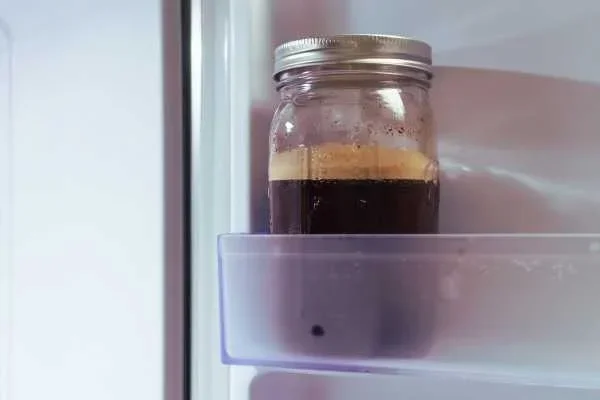
Brewed coffee lasts 3 to 4 days in the fridge when stored in a sealed container. After this time, the flavor fades and the risk of spoilage rises. Keep it cold, airtight, and away from strong odors to enjoy a smooth cup later. Always check for sour smells or cloudiness before drinking.
We have all been there. You brew a full pot in the morning, sip a cup or two, and then life gets busy. By evening, you wonder if that leftover brewed coffee is still safe to drink. The short answer is yes, but only for a short window. Storing it the right way keeps the flavor decent and keeps your stomach happy.
Coffee is a daily ritual for millions of people. When you make a big batch, you want to know how long does brewed coffee last in the fridge before it turns stale or unsafe. The good news is that refrigeration slows down spoilage. The bad news is that coffee still changes over time. Acids shift, aromas fade, and outside smells can sneak in. In this guide, we will walk through safe storage times, the best containers, signs of spoilage, and simple tricks to keep your cup tasting great.
Key Takeaways
- Safe Storage Window: Brewed coffee stays fresh and safe for 3 to 4 days in the refrigerator.
- Airtight Matters: Use a sealed container to block fridge odors and prevent oxidation.
- Flavor Changes: Cold storage alters acidity and sweetness, so reheating may taste slightly different.
- Watch for Spoilage: Sour smells, cloudiness, or mold mean it is time to toss the batch.
- Milk Adds Risk: Adding dairy shortens shelf life to 1 to 2 days due to faster bacterial growth.
- Best Containers: Glass jars or clean mason jars work better than open mugs or plastic cups.
- Cold Brew Difference: Cold brew concentrate lasts longer and stays smoother than hot brewed coffee.
📑 Table of Contents
- How Long Does Brewed Coffee Last in the Fridge
- Best Ways to Store Brewed Coffee in the Fridge
- Signs Your Coffee Has Gone Bad
- Does Adding Milk or Cream Change Shelf Life
- Cold Brew vs. Hot Brewed Coffee Shelf Life
- How to Reheat or Use Leftover Coffee
- Common Mistakes People Make
- Quick Tips for Fresh-Tasting Leftover Coffee
- Key Takeaways for Storing Coffee
How Long Does Brewed Coffee Last in the Fridge
The safe window for brewed coffee in the fridge is about 3 to 4 days. This assumes you pour it into a clean, airtight container and keep it at a steady cold temperature. Within this timeframe, the coffee stays drinkable and retains most of its original character. After day four, the taste usually drops and the risk of spoilage climbs.
Temperature matters a lot. Your fridge should stay at or below 40°F (4°C). If your appliance runs warm, the clock ticks faster. Also, every time you open the container, warm air slips in and speeds up flavor loss. That is why a tight lid makes such a big difference.
Why the Clock Starts Ticking
Coffee is not a sterile product. Once it leaves the brewer, it meets air, moisture, and tiny microbes from the room. Refrigeration slows bacterial growth, but it does not stop change. The oils in coffee can oxidize, and the bright notes can flatten. This is normal. It does not mean the coffee is unsafe right away, but it does mean the flavor will move downhill.
Hot brewed coffee also carries more dissolved solids and acids than cold brew. Those compounds break down over time. You may notice a sharper or more bitter edge after a day or two. That is part of the natural aging process. It is still safe within the window, but the taste profile shifts.
Room Temperature vs. Refrigerated
Leaving coffee on the counter is a different story. At room temperature, brewed coffee should be consumed within 12 to 24 hours. Bacteria grow much faster when the liquid sits warm. If you forget a mug on the table overnight, it is safer to toss it. The fridge buys you extra time because cold slows microbial activity.
That said, cold storage is not a magic shield. It only extends the life if you seal the coffee well. An open mug in the fridge will pick up onion smells, leftover pizza vibes, and other fridge ghosts. A closed jar keeps the coffee closer to its original state.
Best Ways to Store Brewed Coffee in the Fridge
The container you choose changes everything. A clean glass jar with a tight lid works well. Glass does not hold onto odors, and it is easy to wash. A sealed pitcher also works if you plan to pour yourself a cup over several days. Avoid leaving coffee in the open carafe from the brewer, since the lid rarely seals tightly.
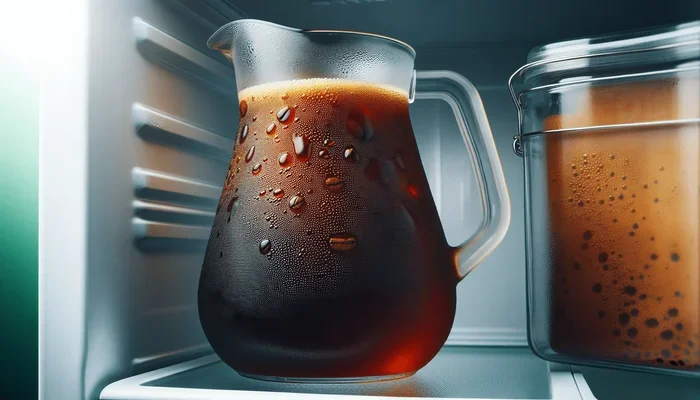
Visual guide about fresh brewed coffee in fridge
Image source: identitycoffees.com
Here are a few simple storage habits that help:
- Cool it first: Let the coffee reach room temperature before sealing it. This reduces condensation inside the container.
- Use a tight lid: A snug cover blocks air and fridge odors.
- Pick glass or food-safe plastic: Clean, odor-free containers keep the taste pure.
- Keep it in the back: The back of the fridge stays colder and more stable than the door.
- Label the date: A small note on the jar helps you track the 3 to 4 day window.
Glass Jars vs. Plastic Containers
Glass jars are a top choice because they do not absorb smells or stains. They are also easy to rinse and dry fully. Plastic containers can work if they are food-grade and clean, but they may hold onto previous odors. If you use plastic, wash it well and let it air out before storing coffee.
Another option is a stainless steel thermos or insulated jar. These keep temperature steady and block light. Just make sure the lid seals well. Any container that lets air wander in will speed up flavor loss and reduce the safe window.
Keep It Away From Strong Odors
Fridges are full of scents. Leftover fish, onions, citrus, and spices can all drift through the air. Coffee is porous in the sense that it can pick up surrounding aromas. If you store it next to a strong-smelling item, your next cup might taste a little odd. A sealed container helps, but placement matters too. Tuck the coffee into a quiet corner away from pungent leftovers.
Signs Your Coffee Has Gone Bad
Even within the safe window, coffee can turn. You do not need to guess. Your nose and eyes usually tell the story. If something feels off, trust that instinct and pour it out. It is not worth the risk.
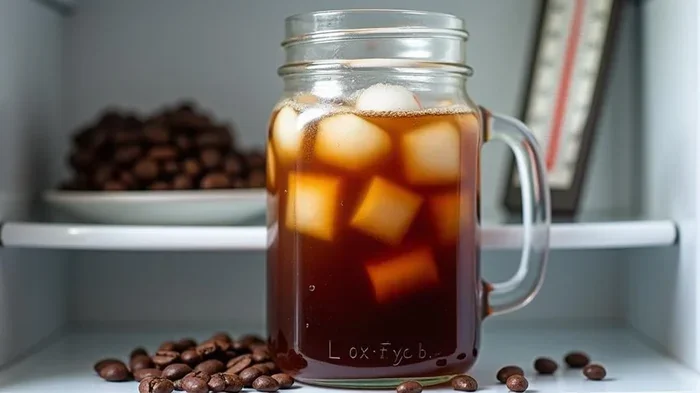
Visual guide about fresh brewed coffee in fridge
Image source: coffeereviewhq.com
Watch for these common signs:
- Sour or funky smell: Fresh coffee smells rich and roasted. A sharp, sour, or stale odor means it is past its prime.
- Cloudy look: Clear brewed coffee should stay relatively clear. Hazy or murky liquid can signal spoilage.
- Unusual taste: If the first sip tastes sharply sour, bitter in a wrong way, or just off, stop drinking.
- Visible mold: Any fuzzy spots or floating growth mean toss it immediately.
- Odd texture: Slimy or thick feel is a red flag. Coffee should stay thin and smooth.
Mold and Bacteria Risks
Mold can grow when coffee sits too long or when the container is not clean. Cold slows growth, but it does not kill existing spores. If you see any mold, discard the whole batch. Do not try to scoop out the bad part. Bacteria can spread through the liquid even if you cannot see them.
The risk goes up if you added milk, cream, or sweeteners. Dairy is more prone to spoilage, and sugar can feed microbial growth. Plain black coffee is more stable than a creamy latte that has been sitting in the fridge.
When in Doubt, Throw It Out
This old kitchen rule applies here. If the coffee smells strange, looks cloudy, or tastes wrong, do not gamble. A wasted cup is better than an upset stomach. When you store coffee the right way, you usually have a clear 3 to 4 day window. Once that passes, the chance of spoilage rises enough that caution is the smart move.
Does Adding Milk or Cream Change Shelf Life
Yes, it does. Plain black coffee lasts longer than coffee with dairy. Milk and cream introduce extra moisture and nutrients that bacteria love. Once you mix them in, the safe window shrinks to about 1 to 2 days in the fridge. After that, the dairy can sour and the whole drink can turn unsafe.
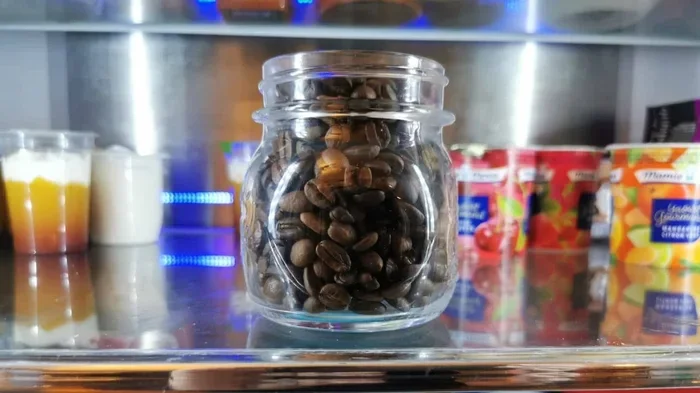
Visual guide about fresh brewed coffee in fridge
Image source: storables.com
If you like a creamy cup, store the milk separately when possible. Pour black coffee into a sealed jar and keep the milk in its own container. Mix them fresh when you are ready to drink. This simple habit keeps the coffee stable longer and gives you a fresher tasting cup.
Sweeteners and Flavored Syrups
Sugar and syrups also change the game. They add food for microbes and can make the drink spoil faster. A sweetened iced coffee will not last as long as a plain black brew. If you plan to store coffee for a few days, keep it plain. Add sugar, syrup, or cream right before you drink it.
Some people like to make a big batch of sweet coffee for the week. That is risky if the sweetener is already mixed in. The flavor may seem fine at first, but the shelf life drops. For the best safety and taste, store the base coffee plain and customize each cup.
Cold Brew vs. Hot Brewed Coffee Shelf Life
Cold brew coffee often lasts longer than hot brewed coffee. The brewing process uses cold or room temperature water over many hours. This creates a smoother concentrate with less acidity. Because it starts off gentler, many people find it holds its flavor a bit better in storage. A cold brew concentrate can stay good for up to a week in the fridge when sealed well.
Hot brewed coffee is different. The heat extracts more acids and oils quickly. Those compounds change faster in storage. That is why hot brewed coffee usually tastes best within 3 to 4 days. After that, the flavor can feel flat or harsh. Cold brew tends to stay smooth and mellow for longer, which makes it a favorite for meal prep and batch making.
Storage Tips for Cold Brew
Cold brew is often made as a concentrate. You can store the concentrate in a sealed jar and dilute it later with water or milk. This keeps the base stable and lets you control strength per cup. A clean glass jar with a tight lid is a great fit. Keep it in the back of the fridge and label the date.
If you dilute the cold brew ahead of time, treat it like regular brewed coffee. Drink it within a few days and keep it sealed. The more you open and pour, the faster the quality drops. For the best taste, store the concentrate and mix fresh each day.
How to Reheat or Use Leftover Coffee
Leftover coffee does not have to go to waste. You can reheat it gently, but the flavor may shift. High heat can make acids taste sharper and can flatten the sweet notes. A slow warm-up on the stove or in a mug warmer works better than a hard boil. If you use a microwave, heat in short bursts and stir between them.
Here are a few smart ways to use stored coffee:
- Make iced coffee: Pour chilled coffee over ice and add a splash of milk or a sweetener.
- Blend into smoothies: Coffee adds a rich, roasted note to chocolate or banana smoothies.
- Use in baking: Coffee can boost brownies, cakes, and oat bars with depth and color.
- Make a warm latte: Heat the coffee gently and froth some milk for a quick café-style drink.
- Chill and sip cold: If the flavor still tastes good, enjoy it straight over ice.
Reheating Without Killing Flavor
The goal is to warm the coffee without cooking it further. A gentle heat keeps the taste closer to the original brew. Avoid boiling, since that can drive off aromas and make the drink harsher. If you only need a small cup, warm just what you will drink. That way, the rest stays sealed and cold.
Some people swear by a quick stovetop warm-up in a small pot. Others like a microwave with short bursts. Both can work if you stay gentle. Taste a sip before adding milk or sugar. If the flavor has gone stale, it may be better to use the coffee in baking or smoothies instead of drinking it plain.
Common Mistakes People Make
A few simple errors can shorten the life of your coffee and hurt the taste. Avoiding them is easy and pays off every week.
- Leaving coffee in the brewer carafe: Most carafes do not seal well. Move the coffee to a closed container soon after brewing.
- Storing in the fridge door: The door warms up often. The back of the fridge stays colder and steadier.
- Using a dirty container: Old residues and odors can spoil the flavor fast. Wash and dry the jar well.
- Adding milk too early: Dairy shortens shelf life. Keep it separate until you are ready to drink.
- Forgetting the date: Without a label, it is easy to lose track. A quick note helps you stay within the safe window.
- Ignoring smell and taste: If it smells sour or tastes off, do not push it. Toss it and start fresh.
Expert Insights on Coffee Storage
Baristas and food safety experts agree on a few basics. Keep coffee cold, sealed, and clean. Drink it within a few days for the best taste and safety. Store the base plain if you plan to keep it longer. Add cream, sugar, or flavorings at serving time. These habits keep the drink safer and tastier.
Another useful tip is to brew smaller batches if you often waste leftovers. A fresh cup tastes better than a tired one. If you love batch prep, cold brew concentrate is a strong option because it stays smooth for longer. Either way, a tight container and a clear timeline make storage simple.
Quick Tips for Fresh-Tasting Leftover Coffee
Small habits make a big difference. Try these quick tips to keep your coffee tasting closer to fresh:
- Seal it fast: Pour the coffee into a closed jar soon after brewing.
- Keep it cold: Store it in the back of the fridge, not the door.
- Go plain: Skip milk and sugar until you are ready to drink.
- Label the day: Write the date on the jar so you know when to use it.
- Taste first: Always check smell and flavor before reheating or mixing.
- Use it creatively: Turn older coffee into iced drinks, smoothies, or baked goods.
Key Takeaways for Storing Coffee
To wrap it up, brewed coffee lasts 3 to 4 days in the fridge when you store it right. Use a clean, airtight container. Keep it away from strong smells. Watch for sour odors, cloudiness, or mold. If you add milk or sugar, the window drops to 1 to 2 days. Cold brew concentrate can last longer and stays smoother. When in doubt, toss it out. A few simple habits keep your coffee safe, tasty, and ready when you are.
Frequently Asked Questions
How long does brewed coffee last in the fridge before it goes bad?
Brewed coffee stays safe and decent tasting for about 3 to 4 days in the fridge. Keep it in a sealed container and check the smell before drinking. After that, the flavor fades and the risk of spoilage rises.
Can I drink coffee that was left out overnight?
It is safer to toss coffee that sat out overnight. At room temperature, coffee can spoil within 12 to 24 hours. If you want to keep it, put it in the fridge soon after brewing and drink it within a few days.
Does coffee with milk last longer in the fridge?
No, coffee with milk lasts a shorter time than plain black coffee. Dairy can sour faster, so aim to drink it within 1 to 2 days. For longer storage, keep the milk separate and mix it fresh.
How can I tell if brewed coffee has gone bad?
Trust your nose and eyes. A sour or funky smell, cloudy look, strange taste, or any mold means it is time to throw it out. If the coffee feels slimy or tastes sharply off, do not drink it.
Is cold brew coffee safer to store than hot brewed coffee?
Cold brew often holds its flavor longer because it is less acidic and smoother from the start. A sealed cold brew concentrate can last up to a week in the fridge. Hot brewed coffee is best within 3 to 4 days for the best taste and safety.
What is the best container for storing coffee in the fridge?
A clean glass jar with a tight lid is a great choice. Glass does not hold onto odors and is easy to wash. A sealed pitcher or stainless steel jar also works if the lid fits well and the container is clean.