
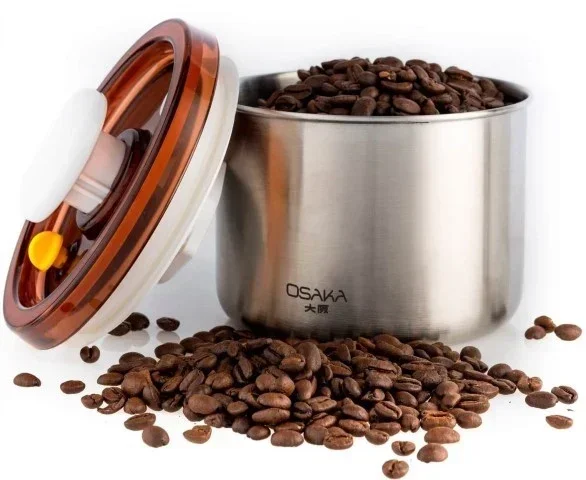
Wondering how long does whole bean coffee last? Fresh beans stay at peak flavor for about two to four weeks after roasting. Proper storage in an airtight container away from light and heat can extend their life up to six months without major quality loss. This guide covers everything you need to know about keeping your coffee fresh.
If you love starting your morning with a rich, aromatic cup, you already know that fresh coffee makes all the difference. But have you ever opened a bag of beans and wondered if they are still good? Many coffee lovers ask the same question: how long does whole bean coffee last? The answer depends on how you store it and when it was roasted. In this guide, we will break down everything you need to know about coffee freshness, shelf life, and smart storage habits.
Coffee beans are living seeds that slowly lose their flavor over time. Oxygen, light, heat, and moisture are the main enemies of fresh coffee. When you understand what affects your beans, you can keep them tasting great for much longer. Whether you buy in bulk or enjoy single-origin roasts, knowing how to protect your beans will save you money and improve every cup.
Key Takeaways
- Peak freshness window: Whole bean coffee tastes best within two to four weeks of roasting.
- Shelf life extension: Proper storage can keep beans usable for up to six months with minimal flavor loss.
- Best storage method: Use an airtight container kept in a cool, dark, and dry place.
- Freezing works: You can freeze whole beans for up to a year if sealed properly in small portions.
- Signs of stale coffee: Look for loss of aroma, flat taste, and oily or dull beans.
- Grind right before brewing: Whole beans stay fresh much longer than pre-ground coffee.
- Avoid common mistakes: Keep coffee away from moisture, heat, and direct sunlight for best results.
📑 Table of Contents
- What Is the Shelf Life of Whole Bean Coffee
- How to Store Whole Bean Coffee for Maximum Freshness
- Signs That Your Whole Bean Coffee Has Gone Stale
- Best Practices for Keeping Coffee Fresh Longer
- Common Mistakes That Shorten Coffee Shelf Life
- Quick Tips for Better Coffee Storage
- Expert Insights on Coffee Freshness
- Conclusion
What Is the Shelf Life of Whole Bean Coffee
The short answer is that whole bean coffee stays fresh for about two to four weeks after the roast date. During this time, the beans release carbon dioxide and develop their full flavor profile. This period is often called the peak freshness window. After that, the coffee does not go bad right away, but the taste slowly becomes flatter and less vibrant.
Most coffee experts agree that whole beans remain usable for up to six months if stored correctly. After six months, the oils inside the beans begin to oxidize. This changes the flavor and can make the coffee taste stale or cardboard-like. The good news is that you can still brew it, but you will notice a clear drop in quality.
Roast Date vs. Expiration Date
Many people look for an expiration date on coffee bags, but the roast date matters much more. Coffee does not really expire in the traditional sense. Instead, it gradually loses its best qualities. A bag with a clear roast date helps you track freshness much better than a generic best-by label.
If your beans were roasted within the last month, they are likely still in great shape. If they are several months old, you can still use them, but expect a milder cup. Always check the roast date when you buy new beans. It gives you a much better idea of what to expect in your cup.
Whole Beans vs. Ground Coffee
Whole bean coffee lasts much longer than pre-ground coffee. Once coffee is ground, it exposes far more surface area to oxygen. This speeds up the staling process dramatically. Ground coffee usually stays fresh for only a few days to a week after opening.
When you keep the beans whole, you protect the inner oils and aromas. That is why many coffee lovers prefer to grind right before brewing. If you want the best flavor, buy whole beans and use a good grinder at home. You will notice a bigger, brighter, and more complex taste in your daily cup.
How to Store Whole Bean Coffee for Maximum Freshness
Storage plays a huge role in answering how long does whole bean coffee last. The right habits can stretch freshness well beyond the typical window. The goal is to slow down oxidation and protect the beans from the four main enemies: air, light, heat, and moisture.
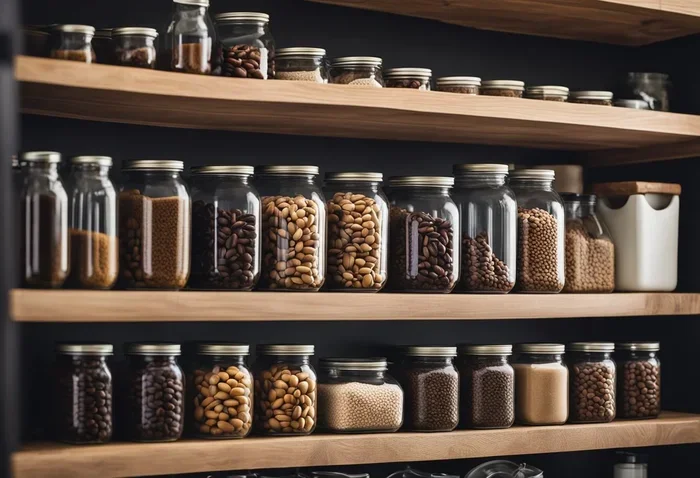
Visual guide about whole bean coffee storage
Image source: koala.sh
Best Containers for Coffee Beans
An airtight container is the most important tool for coffee storage. Glass jars with tight lids, ceramic canisters, or specially designed coffee vaults all work well. The key is to limit how much air reaches the beans each time you open the container.
Avoid clear containers if you can, since light can degrade coffee over time. If you only have a clear jar, store it inside a cupboard or pantry. You can also use opaque containers that block light completely. Many coffee brands sell bags with one-way valves that let gas escape while keeping air out. These bags work well for short-term storage, but a sealed container is better for longer keeping.
Ideal Storage Location
Where you keep your coffee matters just as much as the container. The best spot is a cool, dark, and dry place like a pantry or cupboard. Keep the beans away from the stove, oven, windowsill, and any appliance that gives off heat.
Many people make the mistake of storing coffee in the fridge. This is not a good idea because the fridge introduces moisture and odors. Coffee beans can absorb smells from other foods, which changes the flavor. A cold, damp environment also speeds up staling. For most home brewers, a dark kitchen cabinet is the safest and simplest choice.
Should You Freeze Whole Bean Coffee
Freezing is a common question, and the answer is yes, but only if you do it right. You can freeze whole bean coffee for up to a year without major quality loss. The trick is to freeze it in small, sealed portions so you do not have to thaw and refreeze the whole batch.
Place the beans in a heavy-duty freezer bag or airtight container. Remove as much air as possible before sealing. When you want to brew, take out only what you need and let it come to room temperature before opening. This prevents condensation from forming on the cold beans. If you follow these steps, freezing can be a smart way to keep coffee fresh for a long time.
Signs That Your Whole Bean Coffee Has Gone Stale
Coffee does not usually spoil in a dangerous way, but it can lose its charm. Knowing the signs of stale beans helps you decide whether to keep brewing or start fresh. The most common clues are changes in smell, look, and taste.
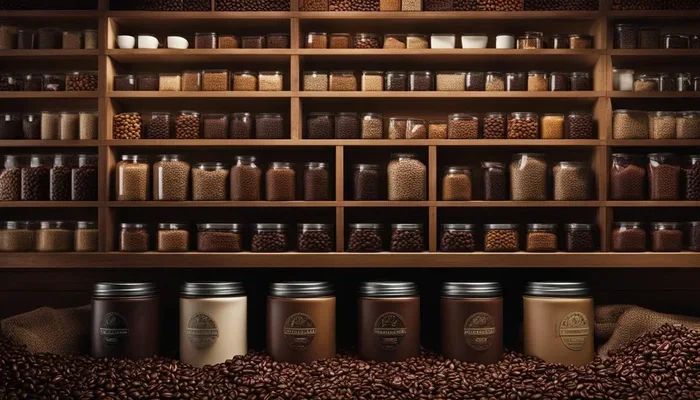
Visual guide about whole bean coffee storage
Image source: suddencoffee.com
Loss of Aroma and Flavor
Fresh coffee has a strong, inviting smell. If your beans no longer give off much aroma, they have likely lost a lot of their volatile compounds. The same goes for the cup itself. Stale coffee often tastes flat, dull, or slightly bitter without the bright notes you expect.
If you brew a cup and it feels lifeless, the beans may be past their prime. This does not mean they are unsafe, but they will not give you the best experience. Many people still use older beans for iced coffee or baking, where the flavor is less noticeable.
Visual Clues: Oily, Dull, or Discolored Beans
Take a close look at your beans. Fresh whole beans usually have a matte or slightly glossy surface, depending on the roast level. If the beans look very oily, they may be old or were roasted heavily long ago. If they look dry, cracked, or faded, they have likely been exposed to air for too long.
Mold is rare in dry coffee beans, but it can happen if moisture gets in. If you see any fuzzy spots, strange colors, or a musty smell, throw the beans away. Always trust your senses. A quick smell and visual check can save you from a disappointing brew.
Best Practices for Keeping Coffee Fresh Longer
If you want to stretch the life of your beans, a few simple habits make a big difference. These tips are easy to follow and do not require special equipment. They just rely on consistency and good storage choices.
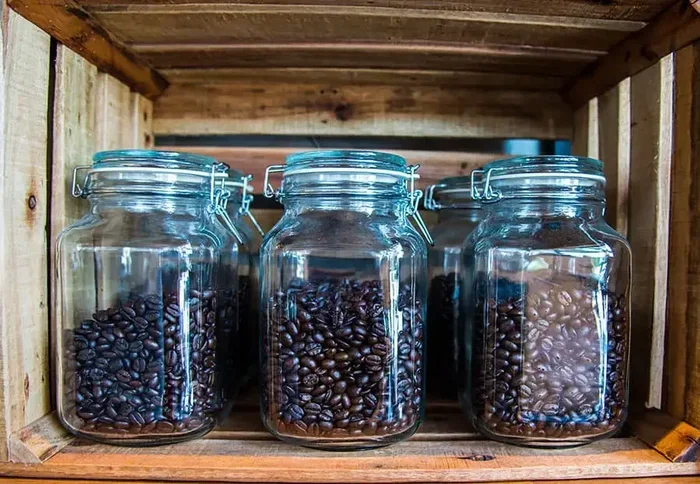
Visual guide about whole bean coffee storage
Image source: craftcoffeeguru.com
Buy in Smaller Quantities
One of the best ways to enjoy fresh coffee is to buy smaller amounts more often. Instead of stocking up on a huge bag that sits for months, choose a size you can finish in a few weeks. This keeps the beans in their prime drinking window more often.
If you love a certain roast, check its roast date and plan your purchases around it. Many local roasters and online shops let you order fresh batches on a schedule. This simple habit keeps your daily cup tasting bright and full of character.
Grind Only What You Need
Grinding just before brewing is one of the easiest ways to protect flavor. Whole beans stay stable much longer than grounds. When you grind only the amount you need for each cup, you keep the rest of the batch sealed and fresh.
A good burr grinder gives you a consistent grind and better extraction. If you are still using pre-ground coffee, switching to whole beans and grinding at home can be a game changer. You will notice a clearer flavor and a more satisfying aroma in every mug.
Keep Coffee Away From Heat and Light
Heat and light are silent flavor killers. Even a few minutes near a warm stove or in direct sun can speed up oxidation. Make it a habit to store your coffee in a stable, shaded spot.
If your kitchen gets a lot of sunlight, use a cabinet or drawer instead of a countertop jar. The same idea applies to heat sources. Keep your beans away from the oven, toaster, and coffee maker while it is brewing. Small changes like these add up over time and help your beans stay fresh longer.
Common Mistakes That Shorten Coffee Shelf Life
Even well-meaning coffee drinkers make mistakes that hurt freshness. Avoiding these common pitfalls is one of the fastest ways to improve your daily brew. Most of them come down to simple storage habits.
Storing Coffee in the Wrong Place
The most common mistake is leaving coffee in a warm or sunny spot. A jar on the counter may look nice, but it exposes the beans to light and temperature swings. Another frequent error is storing coffee in the fridge, where moisture and food odors can ruin the flavor.
Pick one cool, dark place and stick with it. Consistency matters more than perfection. Once you find a good storage spot, keep your beans there and avoid moving them around too much.
Using Damaged or Open Bags
Coffee bags with torn seals, loose zippers, or weak clips let air in constantly. If your bag is damaged, transfer the beans to an airtight container right away. Every little bit of air exposure adds up over time.
Also, avoid leaving the bag open on the counter between uses. Seal it tightly after every scoop. If you use a container, make sure the lid closes firmly each time. These small habits protect your beans from unnecessary staling.
Buying Too Much at Once
It is tempting to stock up during a sale, but large quantities can lead to waste. Coffee is at its best when it is relatively fresh. If you buy more than you can use in a month or two, the older portions will lose quality before you get to them.
A better approach is to buy enough for a few weeks and rotate your stock. If you do buy in bulk, consider dividing the beans into smaller portions and freezing some of them. This way, you always have a fresh supply ready without sacrificing quality.
Quick Tips for Better Coffee Storage
Here are some fast, practical tips you can use today to keep your beans in great shape:
- Seal it tight: Use an airtight container or a well-closed bag after every use.
- Stay cool: Store coffee in a cool, dark pantry away from heat and sunlight.
- Freeze smart: Freeze small portions in sealed bags for long-term storage.
- Grind late: grind only right before brewing for the freshest flavor.
- Check the roast date: Choose beans roasted within the last two to four weeks for peak taste.
- Avoid moisture: Keep beans dry and never store them in the fridge.
- Trust your senses: If the aroma is weak or the taste is flat, it may be time for fresh beans.
Expert Insights on Coffee Freshness
Coffee roasters and baristas agree on one main idea: freshness is a moving window, not a fixed date. The best coffee is usually brewed within a few weeks of roasting, but good storage can keep beans enjoyable for much longer. The key is to slow down the natural aging process as much as possible.
Many experts also recommend treating coffee like a fresh food product rather than a pantry staple. That mindset helps you pay attention to roast dates, storage conditions, and grilling habits. When you respect the bean and protect it from air, light, heat, and moisture, you get a better cup every time.
If you ever wonder how long does whole bean coffee last, remember that the real answer depends on your goals. For the best flavor, aim for the first month. For acceptable everyday coffee, proper storage can carry you through several months. And if you need to keep beans for a long time, freezing in small portions is a reliable option.
Conclusion
So, how long does whole bean coffee last? In ideal conditions, whole beans stay at their best for about two to four weeks after roasting and remain usable for up to six months with good storage. If you freeze them properly, you can extend that timeline even further. The most important things are to keep the beans in an airtight container, store them in a cool and dark place, and grind them only when you are ready to brew.
Fresh coffee does not have to be complicated. With a few simple habits, you can enjoy brighter aroma, richer flavor, and a more satisfying cup every day. Start by checking your storage setup, paying attention to roast dates, and buying amounts that match your pace. Your future self will thank you with every delicious sip.
Frequently Asked Questions
How long does whole bean coffee last after opening?
After opening, whole bean coffee stays at peak flavor for about two to four weeks if stored well. It can still be used for up to six months, but the taste will slowly become less vibrant. Keep it in an airtight container in a cool, dark place for the best results.
Does whole bean coffee go bad?
Whole bean coffee does not usually spoil in a dangerous way, but it can go stale and lose its flavor. Over time, the oils oxidize and the aroma fades, making the coffee taste flat. If you notice mold, a musty smell, or strange colors, it is best to throw the beans away.
Can you freeze whole bean coffee to keep it fresh?
Yes, you can freeze whole bean coffee for up to a year if you seal it well. Use small portions in heavy-duty bags or airtight containers, and let the beans reach room temperature before opening to avoid condensation. This is a smart way to extend shelf life without losing much quality.
What is the best way to store whole bean coffee?
The best method is to use an airtight container kept in a cool, dark, and dry place like a pantry. Avoid the fridge, direct sunlight, and areas near heat sources. Grinding only right before brewing also helps preserve freshness for longer.
How can you tell if coffee beans are stale?
Stale beans often have a weak aroma, a dull appearance, and a flat or bitter taste when brewed. They may also look overly oily or faded, depending on the roast. If your cup lacks the usual brightness and depth, the beans are likely past their prime.
Does whole bean coffee last longer than ground coffee?
Yes, whole bean coffee lasts much longer than ground coffee because it has less surface area exposed to oxygen. Ground coffee loses freshness quickly, often within days of opening. Keeping beans whole and grinding them just before brewing is one of the best ways to protect flavor.



