
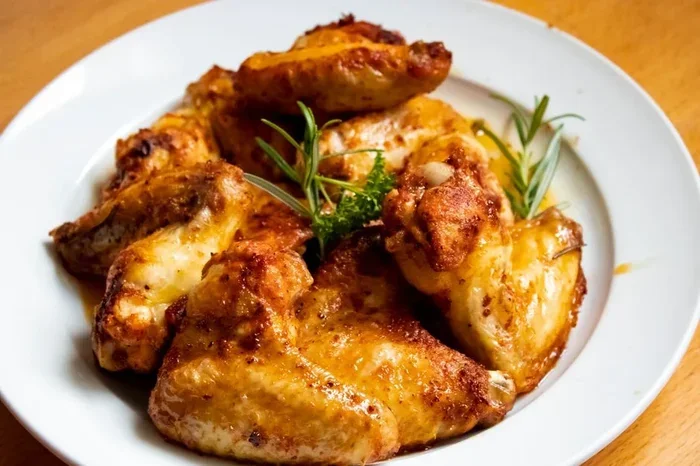
Knowing how long to bake chicken wings is the key to getting perfectly crispy, juicy results every single time. Most chicken wings bake at 400°F for 40 to 50 minutes, but the exact time depends on whether they are frozen, bone-in, or marinated. This guide walks you through every step so you can serve restaurant-quality wings at home with confidence.
There is nothing quite like biting into a perfectly crispy chicken wing. The crunchy outside gives way to juicy, tender meat, and the flavor hits you right away. Whether you are hosting a game day party or just craving a tasty snack, how long to bake chicken wings is the question that determines everything.
Baking wings at home is simpler than you might think. You do not need a deep fryer or fancy equipment. A basic oven, a baking sheet, and a little patience are all you need. This guide covers everything from bake times to temperatures, seasoning tips, and common mistakes to avoid. By the end, you will know exactly how to get crispy baked wings that rival any restaurant.
Key Takeaways
- Bake at 400°F: This temperature delivers the best balance of crispy skin and juicy meat.
- Plan for 40-50 minutes: Standard bone-in wings need about 40 to 50 minutes at 400°F.
- Pat wings dry: Removing moisture before baking is the single biggest trick for extra crispiness.
- Use a meat thermometer: Chicken wings are done when they reach 165°F internal temperature.
- Do not skip the rest: Letting wings rest for 5 minutes after baking keeps juices locked in.
- Flip halfway: Turning wings mid-bake ensures even browning on all sides.
- Frozen wings take longer: Add 10 to 15 extra minutes if baking from frozen.
📑 Table of Contents
- Why Baking Wings at Home Works So Well
- How Long to Bake Chicken Wings at Different Temperatures
- Step-by-Step Guide to Perfect Baked Chicken Wings
- Common Mistakes That Ruin Crispy Chicken Wings
- How to Tell When Chicken Wings Are Done
- Best Seasoning and Sauce Options for Baked Wings
- Storing and Reheating Leftover Wings
- Pro Tips for Next-Level Crispy Chicken Wings
- Conclusion
Why Baking Wings at Home Works So Well
Oven-baked chicken wings offer a healthier alternative to deep-fried versions. You use less oil, and the results are still incredibly crispy when you follow the right steps. Many home cooks swear by the baking chicken wings at 400°F method because it delivers consistent, reliable results.
Baking also gives you more control. You can adjust the time, temperature, and seasoning to match your preferences. Want extra crispy skin? Just pat the wings dry and bake them a few minutes longer. Prefer saucy wings? Toss them in sauce right after they come out of the oven. The flexibility is one of the best things about oven-baked chicken wings.
The Science Behind Crispy Chicken Wings
When you bake chicken wings, the heat dries out the skin. This drying process is what creates that satisfying crunch. The higher the temperature, the faster the moisture evaporates, which means crispier skin. This is why 400°F is the sweet spot for most recipes.
Moisture is the enemy of crispiness. If your wings are wet before they go in the oven, they will steam instead of roast. That is why patting chicken wings dry with paper towels before seasoning is such an important step. It removes surface moisture and lets the skin crisp up beautifully.
How Long to Bake Chicken Wings at Different Temperatures
The bake time for chicken wings changes depending on the oven temperature you use. Here is a quick look at the most common settings and what to expect.
Baking at 400°F (The Gold Standard)
Most experts agree that baking chicken wings at 400°F produces the best results. At this temperature, the skin crisps up nicely while the meat stays moist and tender.
- Bone-in wings: 40 to 50 minutes
- Boneless wings: 25 to 30 minutes
- Frozen wings: 55 to 65 minutes
For the crispiest results, flip the wings halfway through the bake. This ensures both sides get equal exposure to the heat. Use a wire rack on top of your baking sheet if you have one. It allows air to circulate underneath, which helps the skin crisp up evenly.
Baking at 375°F (Slower and Gentler)
A lower temperature like 375°F works well if you prefer a more hands-off approach. The wings take a bit longer, but the slower cook can sometimes produce juicier results.
- Bone-in wings: 50 to 60 minutes
- Boneless wings: 30 to 35 minutes
The trade-off is that the skin may not get as crispy at 375°F. If you want extra crunch, simply extend the bake time by 5 to 10 minutes in the last part of cooking.
Baking at 425°F (Faster and Extra Crispy)
If you are short on time or love ultra-crispy skin, try baking chicken wings at 425°F. The higher heat speeds up the crisping process.
- Bone-in wings: 35 to 45 minutes
- Boneless wings: 20 to 25 minutes
Watch these wings closely. The higher temperature means they can go from perfectly crispy to overcooked quickly. Check them a few minutes before the minimum time is up.
Step-by-Step Guide to Perfect Baked Chicken Wings
Follow this simple process to get crispy baked wings every single time. Each step matters, so do not skip anything.
Step 1: Prep the Wings
Start by patting the wings dry with paper towels. Remove any excess moisture from the surface. This single step makes a huge difference in how crispy the final result turns out. Next, place the wings in a large bowl and add your favorite chicken wing seasoning.
Common seasonings include salt, black pepper, garlic powder, paprika, and a touch of cayenne for heat. Toss the wings gently until every piece is evenly coated. Let them sit for about 15 minutes while the oven preheats.
Step 2: Set Up Your Baking Sheet
Line a baking sheet with foil or parchment paper for easy cleanup. Place a wire rack on top if you have one. Arrange the wings in a single layer with space between each piece. Crowding the pan traps steam, which prevents the skin from crisping up properly.
Step 3: Bake and Monitor
Place the baking sheet in the preheated oven. Set a timer for the recommended time based on your temperature. At 400°F, check the wings at the 30-minute mark and flip them. Continue baking until the skin is golden brown and the chicken wing internal temperature reaches 165°F when measured at the thickest part.
Use a meat thermometer for accuracy. It removes all guesswork and ensures your wings are safe to eat while still juicy.
Step 4: Rest and Serve
Take the wings out of the oven and let them rest for about 5 minutes. This brief rest allows the juices to redistribute throughout the meat, making each bite more flavorful. Toss them in your favorite sauce if desired, and serve immediately.
Common Mistakes That Ruin Crispy Chicken Wings
Even experienced cooks sometimes make mistakes when baking wings. Here are the most common ones and how to avoid them.
Skipping the Drying Step
The number one reason wings come out soggy is moisture. If you skip the step of drying the wings thoroughly, the skin will steam instead of roast. Always pat them dry with paper towels before seasoning and placing them on the baking sheet.
Overcrowding the Pan
It is tempting to fit as many wings as possible on one sheet. But overcrowding blocks airflow and creates steam pockets. The result is unevenly cooked, soggy wings. Use two baking sheets if you need to. The extra effort is worth it for that perfect crunch.
Not Flipping the Wings
Baking wings on just one side leads to uneven browning. One side gets perfectly crispy while the other stays pale and soft. Flip the wings halfway through the bake for even color and texture on all sides.
Opening the Oven Too Often
Every time you open the oven door, the temperature drops. This slows down the cooking process and can prevent the skin from crisping properly. Resist the urge to check on them constantly. Trust your timer and only open the door when it is time to flip or check doneness.
How to Tell When Chicken Wings Are Done
Timing is important, but the internal temperature is the real indicator of doneness. A meat thermometer is your best friend here. Insert it into the thickest part of the wing, avoiding the bone. When the chicken wing internal temperature reads 165°F, they are done.
Visual cues also help. Look for golden brown skin that is slightly charred at the tips. The meat should pull back slightly from the bone. If you cut into a wing, the juices should run clear, not pink.
If you are cooking bone-in chicken wings, they will feel firm to the touch when done. The skin should snap slightly when you bend it. For boneless wings, check that the inside is no longer pink and the texture is firm and opaque throughout.
Best Seasoning and Sauce Options for Baked Wings
The seasoning you choose can transform plain baked wings into something extraordinary. Here are some popular options to try.
Dry Rub Ideas
- Classic Buffalo: Salt, pepper, garlic powder, and a dash of cayenne
- Smoky BBQ: Smoked paprika, brown sugar, chili powder, and cumin
- Asian-Inspired: Soy sauce, ginger, garlic, and sesame oil
- Lemon Herb: Lemon zest, rosemary, thyme, garlic, and olive oil
Sauces to Toss After Baking
Adding sauce after baking keeps the skin crispy. Toss hot wings in your sauce right when they come out of the oven. The heat melts the sauce slightly, creating a thin glaze that clings to the crispy skin without making it soggy.
Popular options include buffalo sauce, honey mustard, teriyaki, and garlic parmesan. For a sweet and spicy combo, mix honey with hot sauce. The possibilities are endless.
Storing and Reheating Leftover Wings
Leftover wings can still be delicious the next day if you store and reheat them properly. Let them cool to room temperature before placing them in an airtight container. They will keep in the refrigerator for up to 3 to 4 days.
To reheat, use the oven or an air fryer. Both methods restore the crispiness better than a microwave. Reheat at 375°F for about 10 to 15 minutes until warmed through and crispy again. Avoid microwaving if you can, as it tends to make the skin soft and chewy.
For more tips on keeping leftovers fresh, check out our guide on how to store fries, which shares principles that apply to crispy baked foods as well.
Pro Tips for Next-Level Crispy Chicken Wings
Take your wings to the next level with these expert tips that make a noticeable difference.
- Use baking powder: A light coating of baking powder on the skin raises the pH level, which promotes browning and crispiness. Just a small amount goes a long way.
- Brine overnight: Soaking wings in a saltwater brine for a few hours or overnight makes them juicier. The salt penetrates the meat and helps it retain moisture during baking.
- Air dry in the fridge: Place seasoned wings uncovered on a rack in the refrigerator for a few hours or overnight. The dry air in the fridge further removes surface moisture, leading to even crispier skin.
- Preheat the oven fully: Always let the oven reach the target temperature before putting the wings in. A fully preheated oven starts the cooking process immediately and promotes better browning.
If you want to explore more chicken recipes, our guide on how long chicken breast in oven 350 offers great insights on timing and temperature for other chicken cuts.
For those who love experimenting with different cooking methods, you might also enjoy learning about how to grill chicken in a toaster for a quick and alternative approach to flavorful chicken.
Conclusion
Baking chicken wings at home does not have to be complicated. The key is getting the temperature right, the timing down, and following a few simple prep steps. How long to bake chicken wings depends on a few factors, but 400°F for 40 to 50 minutes is a reliable starting point for most recipes.
Remember to dry your wings well, space them out on the pan, and flip them halfway through. Use a meat thermometer to check for doneness, and always let them rest before serving. With these tips, you will serve crispy, juicy, flavorful wings that everyone will love.
Now that you know the secrets to perfect baked wings, it is time to fire up the oven and give it a try. Your family and friends will be impressed, and you might just discover a new favorite way to cook chicken wings at home.
Frequently Asked Questions
Can I bake frozen chicken wings without thawing them first?
Yes, you can bake frozen chicken wings directly from the freezer. Simply add 10 to 15 extra minutes to the normal bake time. Make sure the internal temperature reaches 165°F before serving. The results may be slightly less crispy than with thawed wings, but they are still delicious.
What is the best temperature to bake chicken wings for crispiness?
400°F is widely considered the best temperature for crispy baked chicken wings. It provides enough heat to crisp the skin while keeping the meat juicy and tender. If you prefer extra crunch, you can increase the temperature to 425°F and reduce the bake time slightly.
How do I know if baked chicken wings are fully cooked?
The most reliable way is to use a meat thermometer. Chicken wings are done when they reach an internal temperature of 165°F at the thickest part. You can also check that the skin is golden brown, the juices run clear, and the meat feels firm when pressed.
Should I use a wire rack when baking chicken wings?
Yes, using a wire rack is highly recommended. It allows hot air to circulate around the wings evenly, which promotes crispiness on all sides. If you do not have a wire rack, you can bake them directly on a foil-lined baking sheet, but flipping them halfway becomes even more important.
How long can I store leftover baked chicken wings?
Leftover baked chicken wings keep well in the refrigerator for 3 to 4 days when stored in an airtight container. For longer storage, you can freeze them for up to 3 months. Reheat them in the oven or air fryer at 375°F for 10 to 15 minutes to restore the crispiness.
Can I marinate chicken wings overnight before baking?
Absolutely. Marinating wings overnight in the refrigerator allows the flavors to penetrate deeply into the meat. Just make sure to pat them dry before baking, as excess marinade moisture can prevent the skin from crisping up properly. This extra step makes a big difference in flavor and texture.



