
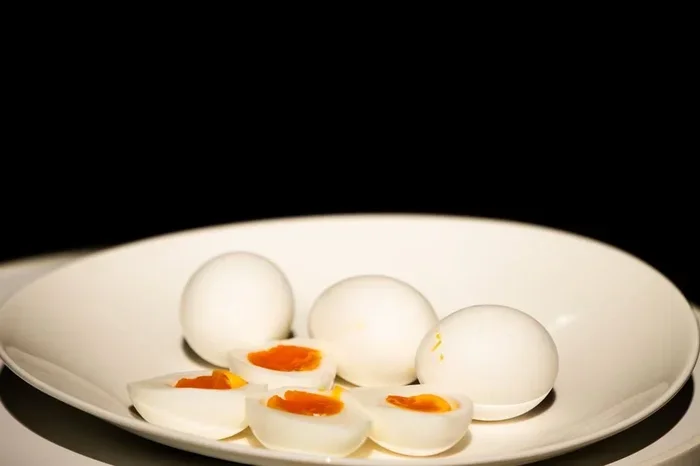
Boiling eggs perfectly is easier than you think once you know the exact timing. Whether you want a soft, medium, or fully hard boiled egg, the right boiling time makes all the difference. This guide covers everything from timing and technique to peeling and storing your eggs so they turn out great every single time.
There is nothing quite like a perfectly boiled egg. The white is firm but tender, and the yolk is smooth and creamy without any gray ring around it. Yet so many people struggle with how long to boil hard boiled eggs and end up with rubbery whites or chalky yolks.
The truth is, boiling eggs is one of the simplest cooking tasks. But simple does not mean foolproof. A few small details like egg temperature, water amount, and timing can change the outcome completely. This guide will walk you through everything you need to know to get perfect hard boiled eggs every single time.
Whether you are meal prepping for the week, making a quick snack, or assembling a fancy egg salad, nailing the timing is the key. Let us dive in and take the guesswork out of boiling eggs.
Key Takeaways
- 12 minutes is the sweet spot for fully hard boiled eggs in a standard pot.
- Starting temperature of your eggs and water changes the cooking time slightly.
- An ice bath stops cooking immediately and makes peeling much easier.
- Fresh eggs are harder to peel than older eggs, so plan accordingly.
- A best egg cooker for hard boiled eggs can simplify the process if you cook eggs often.
- Proper storage keeps boiled eggs fresh for up to one week in the fridge.
📑 Table of Contents
The Perfect Boiling Time for Hard Boiled Eggs
When it comes to how long to boil hard boiled eggs, the general rule is straightforward. For large eggs taken straight from the refrigerator, 12 minutes of boiling gives you a fully cooked egg with a firm yolk and tender white.
But timing is not one-size-fits-all. Several factors can shift that number slightly. Here is a quick breakdown of boiling times based on egg size and desired doneness:
- Small eggs: 11 minutes for hard boiled
- Medium eggs: 12 minutes for hard boiled
- Large eggs: 12 minutes for hard boiled
- Extra-large eggs: 13 minutes for hard boiled
- Jumbo eggs: 14 minutes for hard boiled
If you prefer soft boiled eggs with a runny yolk, drop the time to 6 minutes. For medium boiled eggs with a slightly jammy center, aim for 9 minutes. These times assume you are starting with room-temperature water and placing eggs gently into boiling water.
Why Egg Size Matters
Not all eggs are created equal. A jumbo egg has more mass, which means it takes longer for heat to reach the center. A small egg cooks faster because there is less distance for the heat to travel. This is why egg size directly affects your boiling time for eggs. Always check the size marking on your egg carton if you want consistent results.
Another thing to keep in mind is your altitude. At higher elevations, water boils at a lower temperature, which means your eggs will take slightly longer to cook. If you live above 3,000 feet, add one to two extra minutes to your cooking time.
What Affects Boiling Time
Several factors go into getting the right egg doneness. Understanding these will help you adjust your method and avoid common mistakes.
Starting Temperature of the Eggs
Cold eggs straight from the fridge take a bit longer to cook through than eggs at room temperature. If you are doing a quick breakfast, you might not have time to let eggs sit out. That is perfectly fine. Just add one extra minute to your cooking time when using cold eggs.
On the other hand, if you are meal prepping hard boiled eggs, you can take them out of the fridge 10 to 15 minutes before cooking. This small step helps ensure more even cooking throughout the egg.
Boiling Method: Pot vs. Steamer
You can boil eggs in a pot on the stove or use a steamer basket. Both methods work well, but they have slight differences:
- Pot method: Eggs sit directly in boiling water. Heat transfers quickly and evenly.
- Steamer method: Eggs sit above boiling water. Steam cooks them gently and often makes peeling easier.
If you use a steamer, add about one extra minute to your cooking time since steam transfers heat slightly differently than direct water contact. Some people swear by the steamer method for easy peel boiled eggs, and it is worth trying if you have struggled with peeling in the past.
Altitude and Water Volume
As mentioned, altitude plays a role. But water volume matters too. If you use a very small pot with just enough water to cover the eggs, the water temperature drops significantly when you add the eggs. This means you need to wait for the water to return to a boil before starting your timer.
Using a larger pot with more water helps maintain a steady temperature when you add the eggs. This leads to more consistent cooking eggs results, especially when boiling a larger batch.
Step-by-Step Guide to Boiling Eggs
Now that you understand the timing and factors involved, let us walk through the actual process step by step. This method works every time and gives you reliable, repeatable results.
- Place eggs in a single layer at the bottom of a saucepan. Do not stack them. Overcrowding leads to uneven cooking and makes them harder to handle.
- Cover eggs with cold water by about one inch. Starting with cold water helps the eggs heat gradually, which reduces cracking.
- Bring the water to a rolling boil over medium-high heat. Once you see a full, steady boil, move to the next step.
- Set a timer for 12 minutes (for large eggs). Adjust based on egg size and desired doneness using the times listed above.
- Immediately transfer eggs to an ice bath once the timer goes off. Let them sit for at least 10 minutes. This stops the cooking process and makes peeling much easier.
- Peel and enjoy. Gently tap the egg on a hard surface and roll it between your hands to loosen the shell.
This method is simple but effective. The ice bath is the secret weapon many people skip. Without it, the residual heat keeps cooking the egg even after you remove it from the pot. That extra cooking leads to a greenish-gray ring around the yolk and a rubbery texture.
Pro Tip: Use Older Eggs for Easier Peeling
If you have ever wondered why some eggs peel like a dream while others turn into a sticky mess, the answer is freshness. Older eggs (7 to 10 days old) peel much more easily than very fresh eggs. As an egg ages, the pH level of the white rises, which causes the inner membrane to separate from the shell more readily.
If you only have fresh eggs on hand, try adding a half teaspoon of baking soda to the boiling water. This raises the pH and can help with peeling. Or better yet, store your eggs properly so they age a few days before you boil them.
How to Tell When Eggs Are Done
Timing is your best friend, but sometimes you need to double-check. Here are a few ways to confirm your hard boiled eggs are done:
- Spin test: A hard boiled egg spins smoothly and steadily on a flat surface. A raw egg wobbles because the liquid inside shifts.
- Light test: Hold the egg up to a bright light or flashlight. A fully cooked egg will look opaque throughout with no shadowy liquid center.
- Temperature check: If you have a kitchen thermometer, the internal temperature of a hard boiled egg should reach 165 degrees Fahrenheit.
The spin test is the fastest and easiest method. Try it once and you will never second-guess your eggs again. It takes just a second and gives you instant feedback.
Tips for Easy Peeling
Peeling hard boiled eggs can be frustrating, especially when chunks of the white come off with the shell. These tips will save you time and frustration:
- Always use an ice bath. This is the single most effective tip for easy peeling. The rapid cooling contracts the egg inside the shell, creating a gap between the membrane and the white.
- Peel under running water. Water gets under the shell and membrane, lifting them away cleanly. It also prevents sticky fingers.
- Use eggs that are 7 to 10 days old. Fresh eggs are the biggest enemy of easy peeling.
- Gently crack all over first. Roll the egg on the counter to create small cracks all around before peeling.
- Try the spoon method. Slide a spoon between the shell and the white for a clean, quick peel.
If you find yourself peeling eggs often and want a tool that makes it even faster, check out a best egg cutter for soft boiled eggs. While it is designed for soft boiled eggs, many models work great for hard boiled ones too and make slicing a breeze.
Storing and Using Your Hard Boiled Eggs
Once you have perfected your boiling technique, you will want to know how to keep your eggs fresh. Hard boiled eggs should be stored in the refrigerator and consumed within one week. Keep them in their shells until you are ready to eat or use them. The shell acts as a natural barrier that keeps bacteria out and moisture in.
For longer-term storage, you can freeze cooked egg whites, but the yolks will become gelatinous and are best used in recipes where texture does not matter. If you want to learn more about preserving eggs, here is a helpful guide on how to store eggs for long term that covers multiple methods.
Best Ways to Use Hard Boiled Eggs
Hard boiled eggs are incredibly versatile. Here are some quick ideas:
- Egg salad: Mash them with mayo, mustard, salt, and pepper for a classic sandwich filling.
- Snack on their own: A pinch of salt, paprika, or everything bagel seasoning makes a great quick snack.
- Add to salads: Sliced boiled eggs elevate any green salad or grain bowl.
- Deviled eggs: Mix yolks with mayo, vinegar, and spices for a party favorite.
- Ram topping: Slice them and place on top of ramen for a protein boost.
The possibilities are nearly endless. Once you master the basics of boiling eggs perfectly, you will find yourself making them regularly for quick, protein-packed meals and snacks.
Common Mistakes to Avoid
Even experienced cooks make mistakes when boiling eggs. Here are the most common ones and how to avoid them:
- Overcooking: Leaving eggs in boiling water too long leads to a dry, chalky yolk and an unappealing green ring. Stick to your timer.
- Skipping the ice bath: This is the number one mistake. The ice bath is not optional if you want perfect eggs.
- Using eggs that are too fresh: Very fresh eggs are notoriously hard to peel. Plan ahead and use eggs that are at least a week old.
- Crowding the pot: Too many eggs in one pot means uneven cooking. Boil them in batches if needed.
- Not enough water: If the water level drops below the eggs, they will cook unevenly and may crack from exposure to air.
Avoiding these simple mistakes will put you well ahead of most people when it comes to cooking eggs on the stovetop. A little attention to detail goes a long way.
Expert Insights on Egg Boiling
Professional chefs and food scientists agree on a few key principles for perfect boiled eggs. First, always start with room temperature or cold water rather than dropping eggs into already boiling water. This gradual heating reduces thermal shock and prevents cracking.
Second, the egg boiling time should begin the moment the water reaches a full, rolling boil, not when you first put the pot on the heat. Many people mistakenly start their timer too early, which leads to undercooked or overcooked results.
Finally, do not be afraid to experiment. Every stove, pot, and batch of eggs is slightly different. Once you understand the principles, you can adjust to your own kitchen and get the exact egg consistency you prefer every time.
Conclusion
Getting hard boiled eggs right is all about understanding a few simple principles. The standard 12-minute boiling time for large eggs is a reliable starting point, but adjusting for egg size, freshness, and cooking method helps you fine-tune your results. The ice bath, older eggs, and proper storage are the small details that make a big difference.
With the tips and timing guide in this article, you have everything you need to boil eggs perfectly every time. Whether you are making a quick breakfast, prepping meals for the week, or crafting the perfect egg salad, you now know exactly how long to boil hard boiled eggs and why each step matters. Start experimenting, trust your timer, and enjoy perfectly cooked eggs from now on.
Frequently Asked Questions
Can I boil eggs without starting them in cold water?
Yes, you can drop eggs directly into already boiling water. This method cooks them faster and is great for soft boiled eggs with runny yolks. However, starting in cold water is gentler and reduces the chance of cracking, especially for beginners.
How long do hard boiled eggs last in the fridge?
Hard boiled eggs stay fresh for up to seven days when stored in their shells in the refrigerator. Once peeled, eat them within two days for the best quality and safety. Always keep them in a sealed container.
Why do hard boiled eggs turn green around the yolk?
The green ring is caused by a reaction between the iron in the yolk and the sulfur in the white. This happens when eggs are overcooked or sit too long in the hot water after cooking. Using the right boiling time and an ice bath prevents this entirely.
Is it better to boil or steam eggs?
Both methods produce great results. Steaming often makes peeling easier because the steam cooks the egg more gently. Boiling is faster and more convenient for most people. Try both and see which method you prefer for your egg boiling routine.
Can I use a pressure cooker to boil eggs?
Yes, pressure cookers work well for eggs and often produce easier-to-peel results. Cooking times are shorter, usually around 5 to 7 minutes on high pressure depending on egg size. Let the pressure release naturally for the best egg consistency.
What is the best way to reheat hard boiled eggs?
Hard boiled eggs are best enjoyed cold or at room temperature. If you need to reheat them, place them in hot (not boiling) water for 3 to 4 minutes. Avoid microwaving, which can cause the yolk to explode. For more egg storage tips, check out this guide on how to store eggs for long term.



