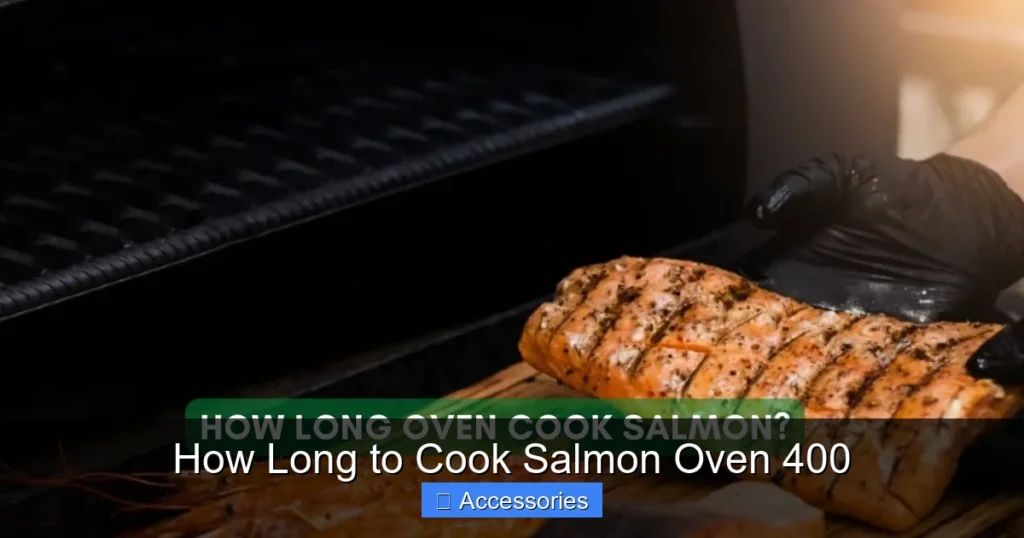
Cooking salmon in the oven at 400°F is quick, easy, and delivers perfectly moist results. Most fillets take just 12–15 minutes, depending on thickness, but using a meat thermometer ensures doneness without overcooking. This method is ideal for busy weeknights or elegant dinner parties.
Salmon is one of the most beloved proteins—rich in omega-3s, flavorful, and surprisingly forgiving in the kitchen. Whether you’re preparing a simple family meal or impressing guests with restaurant-quality fare, knowing how long to cook salmon in the oven at 400°F can make all the difference. Too little time, and it might be translucent in the center; too much, and it dries out into something resembling leather. But fear not! With the right technique, timing, and tools, you’ll never have to guess again.
The magic number—400°F—strikes the sweet spot: hot enough to gently cook the fish without scorching, fast enough to seal in juices, and versatile enough for endless seasonings and sauces. In this comprehensive guide, we’ll walk through everything you need to know—from prep to presentation—so your next baked salmon dish is always a success.
Key Takeaways
- Standard cooking time: For a 6-ounce salmon fillet at 400°F, expect 12–15 minutes in a preheated oven.
- Doneness indicator: Internal temperature should reach 125–130°F; use a digital thermometer for accuracy.
- Thin vs. thick fillets: Thinner cuts (¾ inch) cook faster (~10–12 min), while thicker ones (1.5 inches) may need 18–20 minutes.
- Prep matters: Pat dry, season well, and place skin-side down if desired for crispier texture.
- Baking sheet choice: Use parchment paper or foil to prevent sticking and make cleanup easier.
- Resting is optional: Unlike steak, salmon benefits more from resting after removing from heat due to moisture retention.
- Safety tip: Always let cold salmon come to room temperature before baking for even cooking.
📑 Table of Contents
The Science Behind Perfectly Baked Salmon
Before diving into recipes or timers, understanding *why* salmon behaves the way it does helps explain why timing matters so much. Raw salmon is mostly water and protein. When heated, those proteins begin to denature around 120°F, causing the flesh to firm up. By 140°F, the collagen breaks down further, making the texture tender but still intact. Overcooking pushes the internal temp past 150°F, which pulls out moisture and leads to a rubbery, dry result.
That’s why monitoring both time **and** temperature is key. While general guidelines suggest 12–15 minutes per side, actual cooking time depends heavily on thickness, starting temperature, and even your oven’s calibration. A frozen fillet will take longer than one straight from the fridge; a ½-inch slice cooks faster than a 1.25-inch cut. That’s where a meat thermometer becomes your best friend.
Why 400°F Is Ideal
Unlike high-heat grilling or pan-searing that create a crispy exterior quickly, oven-baking at 400°F provides steady, radiant heat. This moderate temperature allows the inside to cook evenly without burning the edges. It also gives you control—no need to flip or babysit the fish constantly. Plus, it works beautifully with broilers for a golden top crust if you want extra browning.
Many chefs recommend starting with 400°F because it mimics convection oven settings (which circulate air for faster cooking) without needing special equipment. If you don’t have an oven thermometer, calibrate your appliance first—some models run hotter or cooler than the dial indicates.
Step-by-Step Guide: How Long to Cook Salmon Oven 400
Let’s break down the process into clear, actionable steps so you can follow along confidently:
Step 1: Choose Your Fish
Not all salmon is created equal when it comes to oven cooking. Wild-caught Alaskan salmon tends to hold its shape better than farmed varieties, though both work well. Look for firm flesh, bright color, and minimal odor. Avoid fish that smells overly fishy or has grayish spots. Freshness matters—if your salmon is older than two days in the refrigerator, consider marinating or adding extra moisture (like lemon juice or butter) during cooking.
If you’re using frozen salmon, thaw it safely in the fridge overnight. Never thaw on the countertop, as this encourages bacterial growth. Once thawed, pat the fillets completely dry with paper towels—this ensures better browning and prevents steaming instead of roasting.
Step 2: Prepare the Oven and Pan
Preheat your oven to exactly 400°F. Place a rimmed baking sheet (lined with parchment paper or foil) inside to heat up too—this helps prevent sticking and promotes even heat distribution. Avoid overcrowding the pan; give each fillet space so steam doesn’t trap moisture beneath them.
For added flavor, brush the pan lightly with oil or melted butter before placing the fish. This also makes cleanup simpler.
Step 3: Season Generously
Salmon absorbs flavor beautifully, so don’t skimp on seasoning. A simple mix of salt, black pepper, garlic powder, and a squeeze of lemon works wonders. You can also try herbs like dill or parsley, or rub it with honey and mustard for a glazed effect. Let seasoned fillets sit at room temperature for about 15 minutes before baking—this evens out the cooking process.
If you’re short on time, skipping this step is fine, but room-temperature fish cooks more uniformly than cold fillets pulled directly from the fridge.
Step 4: Bake at 400°F
Place the salmon skin-side down (if present) on the prepared pan. If there’s no skin, that’s okay—just ensure the pan isn’t greasy. Slide the tray into the center rack of the preheated oven.
Now, here’s the critical part: **timing**. For a standard 6-ounce fillet that’s about ¾ to 1 inch thick, bake for **12 to 15 minutes**. Check for doneness by gently pressing the thickest part with a fork—it should flake easily but still be moist. Alternatively, insert a digital thermometer into the thickest section; remove when it reads 125–130°F. The carryover cooking (temperature rise while resting) will bring it to safe 145°F serving temp.
Thicker pieces (up to 1.5 inches) may need 18–20 minutes, while thinner slices (½ inch) could be done in just 10–12 minutes. Keep an eye on the last few minutes—ovens vary!
Step 5: Rest and Serve
Once out of the oven, transfer the salmon to plates immediately. While salmon doesn’t “rest” like beef like steak, allowing it to sit for 2–3 minutes helps redistribute juices. Top with fresh lemon wedges, a drizzle of olive oil, or your favorite sauce before serving.
Common Mistakes and How to Avoid Them
Even experienced cooks occasionally run into issues with oven-baked salmon. Here are the most frequent pitfalls—and how to fix them:
Mistake #1: Not Preheating the Oven
Skipping preheat means inconsistent cooking. Cold ovens cause uneven heating, leading to undercooked centers or dried-out edges. Always preheat for at least 10–15 minutes before adding food.
Mistake #2: Overcrowding the Pan
Placing multiple large fillets too close together traps steam, turning your oven-baked salmon into steamed fish instead of roasted. Use two trays if needed, or stagger smaller portions.
Mistake #3: Ignoring Thickness Variations
A single timer won’t work for mixed-size fillets. Rotate pans halfway through or check the thickest piece early to avoid overcooking thin bits.
Mistake #4: Using the Wrong Pan Liner
Avoid aluminum foil alone unless it’s nonstick-safe. Regular foil can react with acidic ingredients (like tomatoes or vinegar-based marinades). Parchment paper is safer and prevents sticking without chemicals.
Mistake #5: Cutting Into the Fish Before It’s Done
Resist the urge to peek too often! Opening the oven door lets heat escape, slowing cooking. Wait until the final 2–3 minutes to check progress.
Flavor Variations and Creative Sides
Oven-baked salmon at 400°F is delicious plain, but it’s also incredibly adaptable. Try these ideas to keep meals exciting:
Herb Butter Glaze
Mix softened butter with chopped chives, capers, lemon zest, and a pinch of red pepper flakes. Brush onto the salmon during the last 5 minutes of baking for a burst of brightness.
Asian-Inspired Marinade
Combine soy sauce, ginger, garlic, rice vinegar, and a touch of honey. Marinate salmon for 30 minutes (or skip if rushed), then bake as usual. Finish with sesame seeds and scallions.
Vegetable Medley
Roast cherry tomatoes, zucchini, bell peppers, and asparagus alongside the salmon on the same tray. They’ll finish around the same time and create a colorful, balanced plate. For extra inspiration, check out how to cook frozen asparagus in an air fryer—similar principles apply to oven-roasting!
Wine Reduction Sauce
After removing salmon from the oven, deglaze the pan with white wine, reduce slightly, then stir in heavy cream and Dijon mustard. Spoon over the fish just before serving.
Frequently Asked Questions About Cooking Salmon at 400°F
Can I cook frozen salmon in the oven at 400°F?
Yes, but it requires longer cooking time—typically 20–25 minutes for a 6-oz fillet. To prevent drying, wrap the sealed package in foil and bake until internal temp reaches 145°F. Alternatively, thaw in the fridge first for best results.
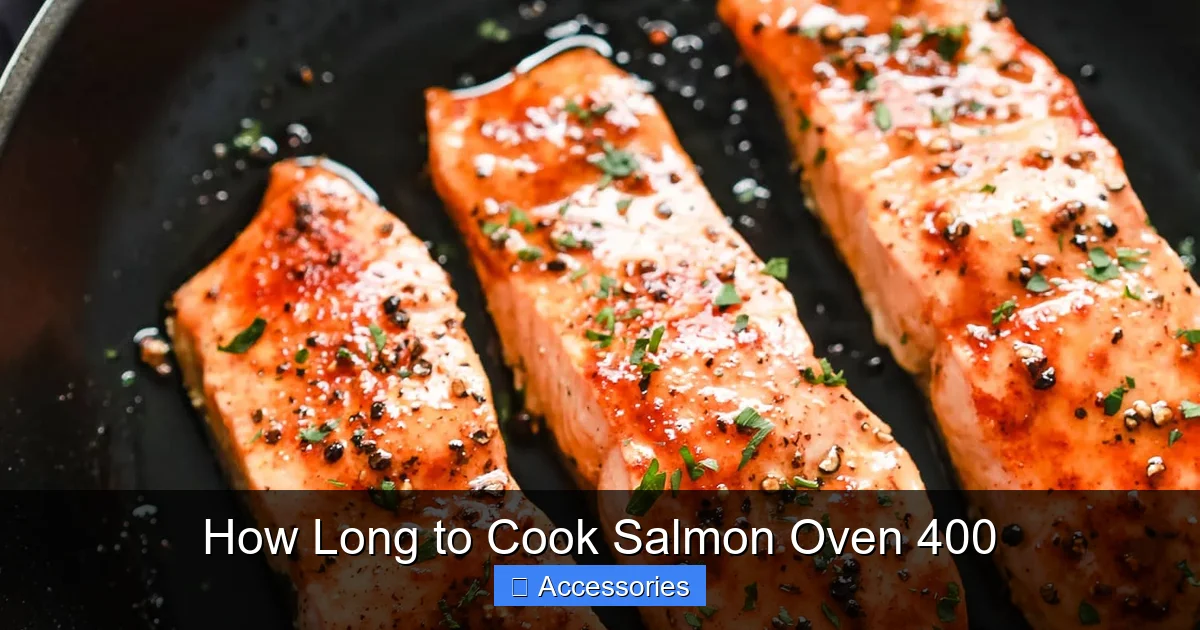
Visual guide about How Long to Cook Salmon Oven 400
Image source: primaverakitchen.com
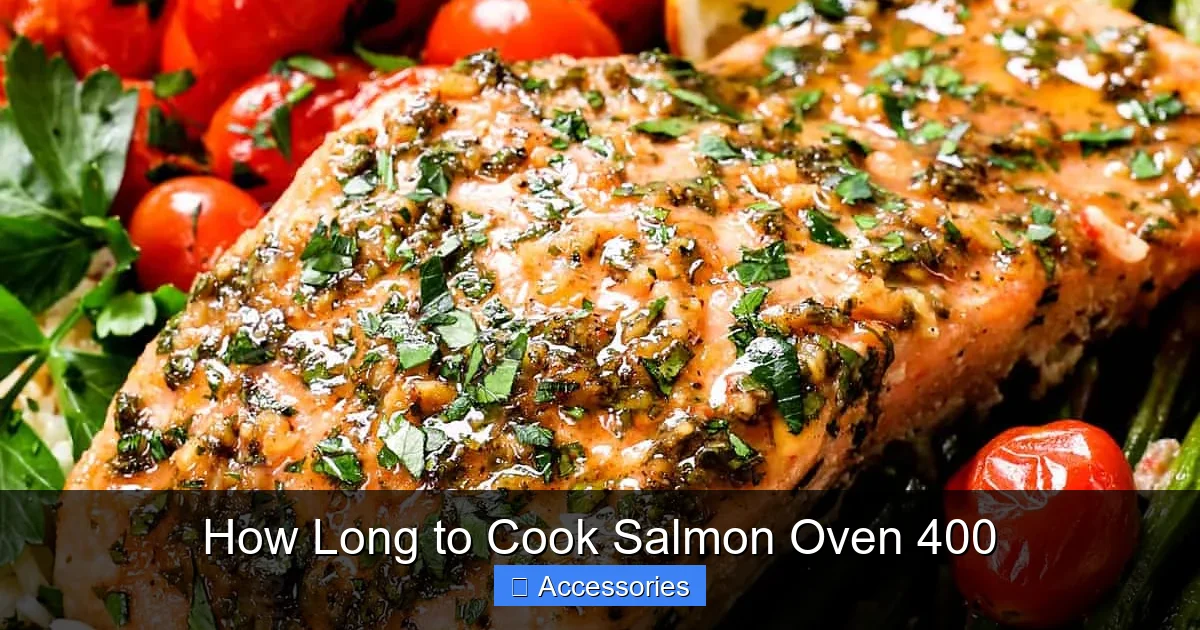
Visual guide about How Long to Cook Salmon Oven 400
Image source: carlsbadcravings.com
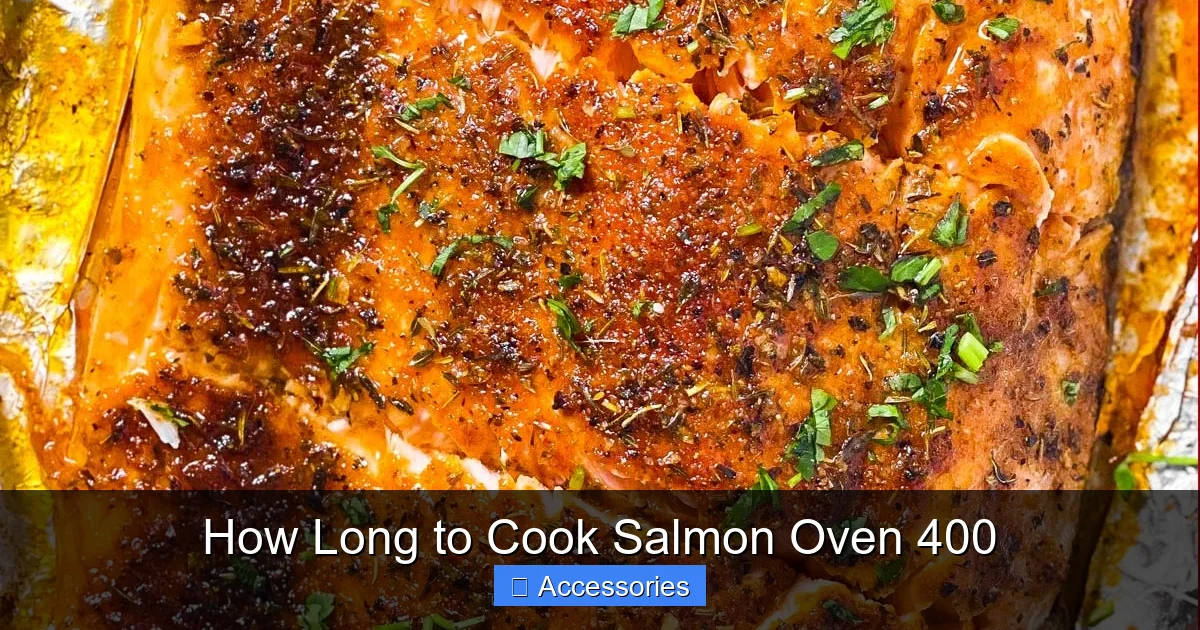
Visual guide about How Long to Cook Salmon Oven 400
Image source: savorynothings.com
Do I need to flip salmon when baking at 400°F?
No, flipping isn’t necessary—especially if placed skin-side down. Turning increases risk of breaking delicate flesh. Just monitor thickness and use a thermometer for accuracy.
What if my salmon sticks to the pan?
Always line your baking sheet with parchment paper or use a silicone mat. Also, ensure the pan is preheated and lightly oiled—cold, dry pans cause sticking.
How do I tell if salmon is fully cooked without a thermometer?
Gently press the thickest part with a fork. It should flake easily but remain moist. Translucent pink flesh turns opaque, and the edges should curl slightly away from the center.
Can I add vegetables to the same pan?
Absolutely! Root veggies like carrots or potatoes need longer than salmon, so place them farther back on the tray or use two sheets. Broccoli or green beans go in earlier. See tips for cooking frozen fish in an air fryer for similar layered cooking techniques.
Is it safe to eat salmon at 125°F internal temperature?
Yes! USDA recommends 145°F for safety, but salmon can be safely consumed at lower temps due to its natural low pathogen levels. However, if concerned, aim for 130–135°F to be extra cautious.
Final Thoughts: Mastering the Oven-Baked Salmon
Cooking salmon in the oven at 400°F is less about rigid rules and more about gentle attention. With a few key pointers—preheat the oven, respect thickness differences, and use a thermometer—you’ll consistently achieve moist, flaky perfection. Don’t stress over exact minutes; trust your senses and tools more than clock-watching.
Experiment with flavors, sides, and presentations to turn this humble protein into your go-to weeknight hero or dinner party showstopper. And remember: even if it’s slightly overdone once or twice, salmon is forgiving—and still delicious. Happy cooking!
Frequently Asked Questions
What is How Long To Cook Salmon Oven 400?
How Long To Cook Salmon Oven 400 is an important topic with many practical applications.