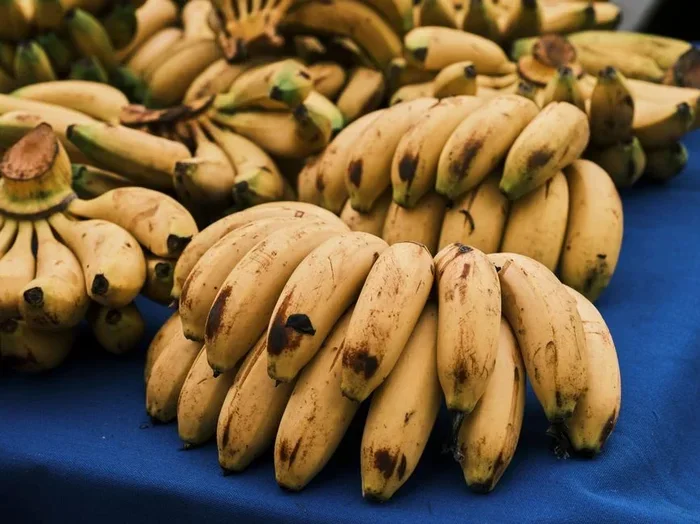
A medium banana has about 105 calories, making it a perfect healthy snack for busy days. The exact calories in a banana depend on its size, ranging from 72 calories in a small banana to 135 in a large one. Bananas also pack fiber, potassium, and natural energy that fuel your body. Whether you eat them for breakfast, before a workout, or as a sweet treat, bananas are a nutritious choice. Keep reading to learn everything about banana nutrition and how to enjoy them the right way.
Key Takeaways
- Calories in a banana vary by size: small (72), medium (105), large (135)
- A banana is a great source of potassium, fiber, and natural energy
- Ripe bananas have more sugar, while green bananas have more resistant starch
- Bananas make an excellent pre-workout or post-workout snack
- You can store bananas properly to extend their freshness and nutrition
- Banana calories are comparable to other popular fruits like apples and oranges
- Adding bananas to your diet is an easy way to boost daily nutrient intake
📑 Table of Contents
How Many Calories Are in a Banana?
Bananas are one of the most popular fruits on the planet. They are affordable, portable, and packed with nutrients. But when you are watching your calorie intake, you might wonder exactly how many calories a banana contains. The answer is not as simple as a single number. The calories in a banana depend on its size, ripeness, and how you prepare it.
On average, a medium banana contains about 105 calories. This is the standard size most people think of when they picture a banana. But bananas come in different sizes, and each size has a different calorie count. A small banana has fewer calories, while a large banana has more.
Understanding banana calories helps you plan your meals and snacks better. Whether you are trying to lose weight, maintain your current weight, or just eat healthier, knowing the calorie content of a banana is useful. Let us break down the numbers so you know exactly what to expect.
Banana Calories by Size
The size of a banana changes its calorie count more than you might think. A short, thin banana is very different from a long, thick one. Here is a clear look at how banana calories change with size.
Small Banana (under 6 inches)
A small banana has about 72 calories. It weighs roughly 100 grams. This is a great option if you want a light snack. A small banana calories count makes it perfect for a quick energy boost without a big calorie hit.
Medium Banana (6 to 7 inches)
A medium banana has about 105 calories. This is the most common size you will find at the grocery store. It is the standard used on most nutrition labels. A medium banana gives you a balanced mix of carbs, fiber, and natural sugars.
Large Banana (7 to 8 inches)
A large banana has about 135 calories. These are the big, filling bananas that are great for post-workout recovery. The large banana calories are still very reasonable for a whole fruit snack.
Extra Large Banana (over 8 inches)
An extra large banana can have up to 150 calories or more. These are less common but do show up sometimes. If you ever bite into a giant banana, know that it packs more energy and carbs than a regular one.
Banana Nutrition Facts
Beyond calories in a banana, there is a lot of nutrition to appreciate. A medium banana is not just about energy. It delivers vitamins, minerals, and fiber that support your health in many ways.
Macronutrients in a Medium Banana
Here is what you get in a standard medium banana:
- Calories: 105
- Carbohydrates: 27 grams
- Fiber: 3 grams
- Protein: 1 gram
- Fat: 0.4 grams
- Sugar: 14 grams (natural)
Key Vitamins and Minerals
Bananas are famous for their potassium content. One medium banana provides about 422 milligrams of potassium. That is roughly 12% of your daily needs. Potassium helps regulate blood pressure and supports muscle function.
Bananas also provide vitamin B6, vitamin C, and magnesium. These nutrients help with energy metabolism, immune health, and nerve function. The banana nutrition profile makes it one of the most well-rounded fruits you can eat.
Banana Carbs and Sugar
A banana has about 27 grams of carbohydrates. Most of these come from natural sugars like glucose, fructose, and sucrose. The banana carbs are not empty calories. They come with fiber, which slows down sugar absorption. This gives you steady energy instead of a sharp spike.
As a banana ripens, the starch converts to sugar. A green banana has more resistant starch, which acts like fiber. A ripe banana has more simple sugars and tastes sweeter. Both stages have their own health benefits.
Health Benefits of Eating Bananas
Now that you know the calories in a banana, let us talk about why they are so good for you. Bananas offer a range of health benefits that go beyond just fueling you.
Great for Digestive Health
Bananas contain about 3 grams of fiber per serving. Fiber keeps your digestive system running smoothly. It helps prevent constipation and promotes regular bowel movements. The dietary fiber in bananas also feeds good bacteria in your gut.
Support Heart Health
The potassium in bananas supports healthy blood pressure. High blood pressure is a major risk factor for heart disease. Eating bananas regularly can help keep your heart and cardiovascular system in good shape. The fiber in bananas also contributes to heart health.
Boost Energy Naturally
Bananas are a natural source of quick energy. The natural sugars in bananas give you an immediate lift. The fiber slows the release, so you get sustained energy. This is why many athletes eat bananas before or after exercise.
Help with Weight Management
At about 105 calories for a medium banana, they are a filling and satisfying snack. The fiber and banana carbs keep you full longer. This can help you avoid overeating later in the day. Bananas are a much better snack choice than processed foods.
Rich in Antioxidants
Bananas contain dopamine and catechins, which are powerful antioxidants. These compounds help fight free radicals in your body. Antioxidants reduce inflammation and may lower the risk of chronic diseases. Eating bananas regularly is an easy way to boost your antioxidant intake.
How to Incorporate Bananas into Your Diet
Knowing the calories in a banana is one thing. Actually adding them to your daily routine is another. Here are some practical and delicious ways to enjoy bananas.
Breakfast Ideas
Slice a banana into your morning oatmeal or yogurt. Blend it into a smoothie with spinach and peanut butter. Spread peanut butter on banana slices for a quick breakfast sandwich. These ideas make mornings easier and more nutritious.
Pre-Workout and Post-Workout Snacks
Eat a banana 30 minutes before a workout for quick energy. After exercise, pair a banana with a protein source like Greek yogurt or nuts. The banana carbs help replenish glycogen stores. This is why bananas are a favorite among fitness enthusiasts.
Healthy Baking and Cooking
Use mashed bananas instead of sugar or oil in muffins and pancakes. Freeze ripe bananas and blend them for a healthy ice cream substitute. You can also add sliced bananas to whole grain toast with almond butter. These swaps make your favorite treats healthier without sacrificing taste.
Storing Bananas Properly
Proper storage keeps bananas fresh and preserves their nutritional value. Store bananas at room temperature until they ripen. Once ripe, you can refrigerate them to slow further ripening. The peel may darken, but the fruit inside stays fresh longer.
If you want to store bananas long term, consider freezing them. Peel the bananas, slice them, and place them in an airtight container. Frozen bananas are perfect for smoothies and baking. Proper food storage ensures you get the most out of every banana.
For more tips on storing fresh produce and keeping it at its best, check out this guide on how to store baby carrots in the fridge. The principles are similar for many fruits and vegetables.
Banana Calories vs Other Fruits
Curious how banana calories compare to other popular fruits? Here is a simple comparison to help you understand where bananas stand.
| Fruit (medium size) | Calories | Carbs (g) | Fiber (g) |
|---|---|---|---|
| Banana | 105 | 27 | 3 |
| Apple | 95 | 25 | 4 |
| Orange | 62 | 15 | 3 |
| Grapes (1 cup) | 104 | 27 | 1 |
| Strawberries (1 cup) | 49 | 12 | 3 |
| Mango | 202 | 50 | 3 |
As you can see, bananas are in the middle of the pack. They have more calories than oranges or strawberries but fewer than mangoes. The fiber content in bananas is also quite good compared to many other fruits. This makes bananas a balanced and satisfying choice for snacking.
Common Myths About Banana Calories
There are a few misconceptions about banana calories that can confuse people. Let us clear them up so you can enjoy bananas without worry.
Myth 1: Bananas Are Too High in Calories
Some people think bananas are calorie-dense. In reality, 105 calories for a medium banana is quite reasonable. It is comparable to an apple and much lower than many processed snacks. A banana calorie count is very manageable in a balanced diet.
Myth 2: Bananas Make You Gain Weight
This is simply not true. Bananas are naturally low in fat and high in fiber. The banana nutrition profile supports healthy weight management. Weight gain happens from eating too many calories overall, not from eating one banana.
Myth 3: Green Bananas Have Fewer Calories
Green and ripe bananas have nearly the same calorie count. The difference is in the type of carbohydrate. Green bananas have more resistant starch, which behaves like fiber. Ripe bananas have more simple sugars. But the total calories remain very similar.
Myth 4: You Should Avoid Bananas on a Low-Carb Diet
Bananas do have more carbs than some fruits. But they also have more nutrients and fiber. If you are on a low-carb diet, a small banana can still fit. It is all about portion control and balanced eating.
Final Thoughts on Banana Calories
The calories in a banana are modest and nutrient-dense. A medium banana gives you about 105 calories, along with fiber, potassium, and natural energy. Whether you are looking for a quick snack, a pre-workout fuel, or a healthy ingredient in your cooking, bananas deliver.
Understanding banana nutrition helps you make informed choices. You can enjoy bananas confidently, knowing they support your health goals. The next time you reach for a banana, you will know exactly what you are getting.
For more food storage tips and nutrition guides, you might also find this article on how to store food in mylar bags helpful for keeping your kitchen organized and your food fresh.
So go ahead and enjoy that banana. It is one of nature’s most convenient, affordable, and nutritious snacks. Your body will thank you for it.
Frequently Asked Questions
How many calories are in a small banana?
A small banana, which is under 6 inches long, has about 72 calories. This makes it a great low-calorie snack option. If you are watching your daily calorie intake, a small banana is an excellent choice.
Do banana calories change when you freeze them?
No, freezing a banana does not change its calorie content. A frozen banana has the same calories in a banana as a fresh one. Freezing only changes the texture, making it perfect for smoothies and frozen treats.
Are banana calories different from plantain calories?
Yes, plantains are higher in carbs and calories than sweet bananas. A cup of cooked plantains has about 232 calories, while a medium banana has 105. Plantains are also typically cooked before eating, which changes their nutritional profile.
How many calories are in a banana smoothie?
A basic banana smoothie with just banana and milk has about 200 to 250 calories. Adding ingredients like peanut butter, protein powder, or oats will increase the calorie count. The banana calories in a smoothie are just the starting point.
Is it okay to eat two bananas a day?
Yes, eating two bananas a day is generally fine for most people. Two medium bananas would give you about 210 calories and a good dose of potassium and fiber. However, if you have specific dietary restrictions, it is always best to consult a healthcare provider.
What time of day is best to eat a banana?
There is no bad time to eat a banana. Many people enjoy them as a morning breakfast item or a pre-workout snack. Bananas provide steady energy, so they work well any time of day. The key is to enjoy them as part of a balanced diet.
=== CONCLUSION ===
Understanding the calories in a banana is simple once you know the basics. A small banana has about 72 calories, a medium one has 105, and a large banana can reach 135 or more. These numbers make bananas one of the most convenient and nutritious snacks available.
Beyond calories, bananas offer potassium, fiber, vitamin B6, and natural energy. They support heart health, digestion, and weight management. Whether you eat them raw, blended, or baked, bananas fit easily into any healthy eating plan.
Remember to store your bananas properly to keep them fresh and full of nutritional value. Use the tips in this guide to make the most of every banana you buy. Enjoy this delicious fruit with confidence, knowing exactly what it does for your body.