Knowing how many cups are in a pint is essential for any home cook or baker. A standard US liquid pint equals two cups, while a dry pint is slightly different. This guide covers conversions, practical tips, and common mistakes so you can measure ingredients with confidence every time.
Ever stood in your kitchen holding a recipe card and a measuring cup, wondering exactly how many cups are in a pint? You are not alone. This question comes up more often than you might think, especially when you are mid-recipe and need to get the measurements right.
The good news is that the answer is simple. A standard US liquid pint equals two cups. But there is a bit more to it than that. Whether you are baking a cake, making soup, or preserving jams, understanding pint-to-cup conversions saves time and prevents costly mistakes. In this guide, we break everything down in plain language so you never have to guess again.
Key Takeaways
- One liquid pint equals two cups: This is the most common conversion you will use in everyday cooking and baking.
- Dry pints differ from liquid pints: A dry pint holds about 2.33 cups, so always check which type your recipe calls for.
- Use the right measuring tools: Liquid measuring cups and dry measuring cups give different results if swapped.
- Metric conversions are simple too: One pint equals roughly 473 milliliters for liquid measurements.
- Halving or doubling recipes becomes easy: Once you know the pint-to-cup ratio, scaling recipes is a breeze.
- Common mistakes are easy to avoid: Using the wrong cup size or confusing liquid with dry pints causes most errors.
📑 Table of Contents
What Exactly Is a Pint?
A pint is a unit of volume used in both the US customary and imperial measurement systems. In everyday cooking, you will mostly encounter the US liquid pint. But there is also a dry pint, and the two are not the same size. Let us look at each one closely.
US Liquid Pint
The US liquid pint is the one you see most often in recipes. It equals two cups, or 16 fluid ounces. If you pick up a pint of milk at the grocery store, it contains exactly two cups of liquid. This is the standard conversion that most home cooks use daily.
Here is a quick breakdown:
- 1 US liquid pint = 2 cups
- 1 US liquid pint = 16 fluid ounces
- 1 US liquid pint = 473 milliliters
US Dry Pint
The dry pint is used for measuring dry ingredients like berries, grains, or flour. It is slightly larger than the liquid pint in terms of volume, but it measures differently because dry ingredients have different densities. One US dry pint equals about 2.33 cups. You will rarely need this conversion for everyday recipes, but it matters for precision baking.
Imperial Pint (UK)
If you follow British recipes, the imperial pint is larger than the US pint. One imperial pint equals about 20 fluid ounces, or roughly 2.4 cups. This difference can throw off your recipe if you are not aware of it. Always check whether a recipe uses US or UK measurements before you start cooking.
How Many Cups Are in a Pint: The Simple Conversion
The core conversion you need to remember is this: one pint equals two cups for liquid measurements. This is the foundation of most pint-to-cup calculations you will do in the kitchen. Once you know this, you can easily scale any recipe up or down.
Let us look at some practical examples to make this stick.
Everyday Examples
Say you are making a batch of blueberry muffins and the recipe calls for one pint of blueberries. You know that means two cups of blueberries. Or imagine you are preparing a tomato soup and need a pint of chicken broth. That is simply two cups of broth in your liquid measuring cup.
When you are measuring coffee in a coffee maker, understanding volume conversions helps you adjust brew strength. If a recipe calls for a pint of water, you would use two full cups. The same logic applies when you are boiling in an Instant Pot and need to add the right amount of liquid for pressure cooking.
Quick Conversion Chart
- 1 pint = 2 cups
- 2 pints = 4 cups (also 1 quart)
- 4 pints = 8 cups (also 1 gallon)
- Half pint = 1 cup
- Quarter pint = 0.5 cup
Keep this chart handy. Tape it to your fridge or save it on your phone. It makes cooking and baking so much smoother when you do not have to stop and think about the math.
Liquid vs. Dry Measuring Cups
One of the most common mistakes home cooks make is using the wrong type of measuring cup. Liquid measuring cups and dry measuring cups are designed differently, and using the wrong one leads to inaccurate measurements.
Liquid Measuring Cups
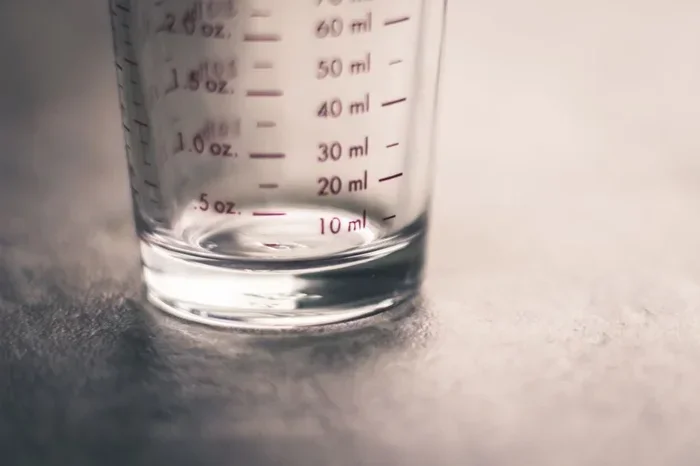
Liquid measuring cups are usually glass or plastic with a pour spout. They have markings on the side that let you see the liquid level at eye level. You fill them to the desired line, which makes reading the volume easy and accurate. For pint conversions, a liquid measuring cup marked in cups works perfectly.
Dry Measuring Cups
Dry measuring cups come in set sizes, like 1 cup, 1/2 cup, 1/3 cup, and 1/4 cup. You fill them to the top and level off the excess with a straight edge. These are designed for ingredients like flour, sugar, and oats. Because dry ingredients settle and pack differently than liquids, using a dry cup gives a more accurate weight-based volume for those ingredients.
Why It Matters for Pint Conversions
When a recipe calls for a pint of a dry ingredient, using a liquid measuring cup can give you too much or too little. The packing density of dry ingredients changes how much fits in a cup. Always match your measuring tool to the type of ingredient you are working with.
Pint Conversions for Common Ingredients
Different ingredients behave differently when measured by volume. Here are some real-world examples that show how pint-to-cup conversions work in practice.
Fruits and Vegetables
Berries are often sold by the pint. One pint of strawberries or blueberries equals about two cups. This is helpful when you are making jam or a fruit salad. If you are storing strawberries in a mason jar, knowing the pint-to-cup ratio helps you plan how many jars you need for a given recipe.
Dairy Products
A pint of heavy cream, whole milk, or buttermilk is always two cups. This is one of the easiest conversions to remember because dairy products are liquids. When you are heating up lasagna in the oven and the recipe calls for a pint of cream sauce, you simply pour two cups.
Broths and Liquids
Chicken broth, vegetable broth, and stock are frequently measured in pints. A pint of broth equals two cups, which is also one quart. When you are simmering a stew or braising ribs in the oven, having this conversion memorized makes the process faster and more intuitive.
Baking Ingredients
For dry baking ingredients like flour or sugar, a dry pint equals about 2.33 cups. However, most baking recipes list ingredients in cups or ounces rather than pints. Still, knowing the conversion helps when you are scaling a recipe up or down, or when you are converting a metric recipe to US measurements.
Common Mistakes When Converting Pints to Cups
Even experienced cooks make conversion errors. Here are the most common mistakes and how to avoid them.
Confusing Liquid and Dry Pints
The biggest mistake is treating all pints as equal. A liquid pint and a dry pint are different volumes. Always check whether your recipe refers to a liquid or dry pint before you start measuring.
Using the Wrong Measuring Cup
Using a dry measuring cup for liquids, or a liquid measuring cup for dry ingredients, leads to inaccurate results. Stick to the right tool for each job.
Not Leveling Off Dry Ingredients
When you use a dry measuring cup, always sweep the excess off with a straight edge like a butter knife. Scooping directly can pack the ingredient down and give you more than the recipe calls for.
Ignoring Temperature Effects
Liquids expand when heated and contract when cold. If you are measuring a warm liquid, let it cool to room temperature first for the most accurate reading. This matters especially when you are working with precise baking recipes.
Forgetting the US vs. Imperial Difference
If you are using a recipe from the UK or another country that uses the imperial system, remember that an imperial pint is larger than a US pint. Using the wrong standard can throw off your entire recipe.
Expert Tips for Accurate Measuring
Here are some pro tips that will help you measure like a seasoned chef.
- Always read measurements at eye level. Looking at a liquid measuring cup from above or below gives a skewed reading. Get down to the level of the liquid for accuracy.
- Use a kitchen scale for precision. Volume measurements like cups and pints are helpful, but weight measurements in grams are even more precise, especially for baking.
- Keep a conversion cheat sheet in your kitchen. Print out or write down common conversions like pint to cup and tape it inside a cabinet door.
- When in doubt, measure twice. Especially with expensive or hard-to-find ingredients, double-checking your measurement saves time and ingredients.
- Know your kitchen tools. Familiarize yourself with the markings on your measuring cups and liquid measuring cups. Not all brands mark their cups the same way.
How Pint Conversions Apply to Everyday Cooking
Pint-to-cup conversions are not just for baking. They come up in all kinds of kitchen tasks. Whether you are meal prepping, canning, or simply following a weeknight dinner recipe, knowing your conversions makes everything easier.
When you are reheating rice in a rice cooker, you might need a pint of water or broth. That is two cups. When you are steaming vegetables in a rice cooker without a basket, the same pint-to-cup logic applies to the water you add. Even when you are keeping ribs warm in the oven after braising them, knowing liquid volumes helps you maintain the right moisture level.
These small conversions add up. Once they become second nature, you will find that cooking and baking feel more intuitive and less stressful. You will spend less time looking things up and more time enjoying the process.
Key Takeaways
- One liquid pint equals two cups: This is the standard conversion for most US recipes.
- A dry pint equals about 2.33 cups: Use this for dry ingredients when precision matters.
- An imperial pint equals about 2.4 cups: Watch for this in British or international recipes.
- Always use the right measuring cup: Liquid and dry measuring cups serve different purposes.
- Keep a conversion chart handy: Quick reference tools save time and reduce errors in the kitchen.
Conclusion
The next time someone asks you how many cups are in a pint, you will know the answer instantly. One pint equals two cups for liquid measurements, and that simple fact opens the door to confident cooking and baking. You now also know the difference between liquid pints, dry pints, and imperial pints, which gives you an edge when working with recipes from different sources.
Remember to use the right measuring tools, level off your dry ingredients, and always double-check your conversions. These small habits make a big difference in the quality of your food. With the tips and charts in this guide, you are well equipped to handle any recipe that calls for a pint.
So go ahead and measure with confidence. Whether you are whipping up a quick weeknight dinner or tackling a complex baking project, you have the knowledge to get it right every single time. Happy cooking!
Frequently Asked Questions
How many cups are in a pint of liquid?
A US liquid pint equals exactly two cups. This is the standard conversion used in most American recipes for liquids like milk, broth, and cream.
Is a dry pint the same as a liquid pint?
No, a dry pint is slightly different. One US dry pint equals about 2.33 cups, while a liquid pint equals 2 cups. The difference matters when you are measuring dry ingredients like flour or berries with precision.
How many cups are in a half pint?
A half pint equals one cup. This is a handy shortcut to remember for quick recipe adjustments and smaller batch cooking.
Does the imperial pint have more cups than the US pint?
Yes. One imperial pint equals about 20 fluid ounces, or roughly 2.4 cups. It is larger than the US liquid pint, so always check which measurement system a recipe uses.
Can I use a liquid measuring cup for dry ingredients?
You can, but it is not ideal. Dry measuring cups give more accurate results for dry ingredients because they are designed to be filled and leveled. Liquid measuring cups are better suited for fluids.
Why do pint conversions matter in cooking?
Pint conversions help you scale recipes up or down accurately. They also prevent mistakes when you are substituting ingredients or working with recipes from different countries that use different measurement systems.