
A standard cup of coffee contains between 95 and 165 mg of caffine, but the exact amount varies widely. Factors like bean type, brew method, and serving size all change the final number. Knowing how many mg of caffine in coffee helps you manage energy, sleep, and health. This guide breaks down every variable so you can drink smarter.
Key Takeaways
- Standard Range: An 8-ounce cup of brewed coffee typically has 95 to 165 mg of caffine.
- Bean Matters: Robusta beans contain nearly twice the caffine of Arabica beans.
- Brew Method Changes Levels: Espresso has more caffine per ounce, but drip coffee delivers more per serving.
- Roast Level Myth: Light, medium, and dark roasts have similar caffine content by weight.
- Serving Size Rules: Larger cups and coffee shop sizes dramatically increase total mg of caffine.
- Decaf Is Not Zero: Decaffeinated coffee still contains 2 to 7 mg of caffine per cup.
- Health Limits: Most adults should stay under 400 mg of caffine daily for safe consumption.
📑 Table of Contents
- How Many Mg of Caffine in Coffee: The Quick Answer
- Understanding Caffine Content by Coffee Type
- How Bean Type and Roast Affect Caffine
- Brewing Method and Serving Size: The Real Game Changers
- Daily Caffine Limits and Health Considerations
- Practical Ways to Control Your Caffine Intake
- Expert Insights: What Coffee Professionals Watch For
- Key Takeaways for Smarter Coffee Drinking
How Many Mg of Caffine in Coffee: The Quick Answer
Many people ask the same question every morning. They want to know how many mg of caffine in coffee before they take that first sip. The short answer is simple. A regular 8-ounce cup of brewed coffee contains about 95 mg of caffine on average. Some cups fall lower. Some cups go much higher. The range usually sits between 95 and 165 mg for standard home brewing.
This number changes based on many small details. The coffee bean plays a big role. The water temperature matters too. The brewing time changes the final result. Even the grind size shifts the caffine extraction. You do not need to memorize every detail. You just need a clear picture of what affects your cup.
Think of caffine as a natural stimulant. It wakes up your brain. It sharpens focus. It gives you that familiar energy boost. But too much can cause jitters or sleep trouble. That is why knowing the mg count helps you stay in control. You can enjoy your drink without guessing.
Why the Numbers Vary So Much
Coffee is not a fixed formula. Two people can brew the same beans and still get different caffine levels. The main reason is simple. Coffee strength depends on extraction. Water pulls caffine out of the grounds over time. More contact usually means more caffine. Less contact means less caffine.
The bean type creates another big difference. Arabica beans taste smoother. They also carry less caffine. Robusta beans taste stronger and more bitter. They hold much more caffine per bean. Many commercial blends mix both types. That blend changes the final mg count in your cup.
Serving size also tricks people. A small mug and a large travel tumbler are not the same. The larger cup holds more liquid. It also holds more caffine. People often think one cup means one standard serving. In reality, cup sizes vary wildly. That is why the mg number can feel confusing.
Understanding Caffine Content by Coffee Type
Not all coffee drinks carry the same caffine load. The brewing method changes the concentration. It also changes the total amount you drink. Here is a clear look at common coffee types and their typical caffine ranges.
Visual guide about cup of coffee beans mg
Image source: foodinsight.org
Drip Brewed Coffee
Drip coffee is the most common home brew. It uses a filter and slow water flow. This method extracts a steady amount of caffine. An 8-ounce cup usually contains 95 to 165 mg of caffine. The exact number depends on your coffee-to-water ratio.
People often use about one to two tablespoons of grounds per cup. More grounds usually mean more caffine. But the effect is not endless. After a certain point, the water cannot extract much more. Still, a stronger brew ratio will push the mg higher.
Espresso
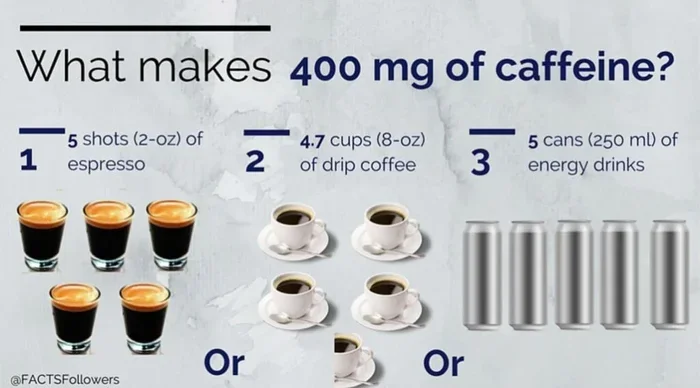
Espresso looks powerful, and it is. The brew uses pressure and very hot water. This pulls caffine quickly from fine grounds. A single shot of espresso contains about 63 mg of caffine on average. A double shot lands near 125 mg.
The key difference is volume. Espresso serves in small amounts. That means less total caffine per drink compared with a large mug of drip coffee. But espresso is dense. It feels stronger because the flavor and caffine hit faster.
Cold Brew
Cold brew uses time instead of heat. Coarse grounds steep in cold water for many hours. This slow process extracts caffine steadily. The result often contains more caffine than hot brew. An 8-ounce serving can reach 100 to 200 mg of caffine.
Cold brew also tastes smoother. Many people drink it black. Others dilute it with water or milk. If you dilute it, the caffine per cup drops. If you drink it concentrated, the mg count stays high. Always check the final serving size.
Instant Coffee
Instant coffee offers convenience. It also tends to have less caffine. A cup often contains 30 to 90 mg of caffine. The lower number comes from the brewing and drying process. Some caffine gets lost before the granules reach your mug.
This makes instant coffee a good choice for lighter stimulation. You still get a boost. You just get a smaller one. If you want a gentler start, instant can work well.
Decaffeinated Coffee
Decaf is popular for evening drinks. Many people assume it has zero caffine. It does not. Decaf usually contains 2 to 7 mg of caffine per cup. The decaffeination process removes most of it, but not all of it.
If you are very sensitive, even that small amount can matter. If you want a nighttime cup with almost no stimulation, decaf is still a smart pick. Just remember it is not completely caffine-free.
How Bean Type and Roast Affect Caffine
The bean itself is the starting point for every cup. Coffee beans are not all the same. The species changes the natural caffine level. The roast level changes flavor more than caffine. Many people misunderstand this part.
Visual guide about cup of coffee beans mg
Image source: elevencoffees.com
Arabica vs. Robusta
Arabica beans are the most common in specialty coffee. They grow at higher altitudes. They taste nuanced and smooth. They also contain less caffine. Robusta beans grow in hotter, lower areas. They taste bolder and more bitter. They also contain much more caffine.
If a blend includes Robusta, the mg count rises. Some espresso blends use Robusta for extra body and crema. That choice also increases the caffine per shot. Check the label if you want to guess the strength.
Light, Medium, and Dark Roast
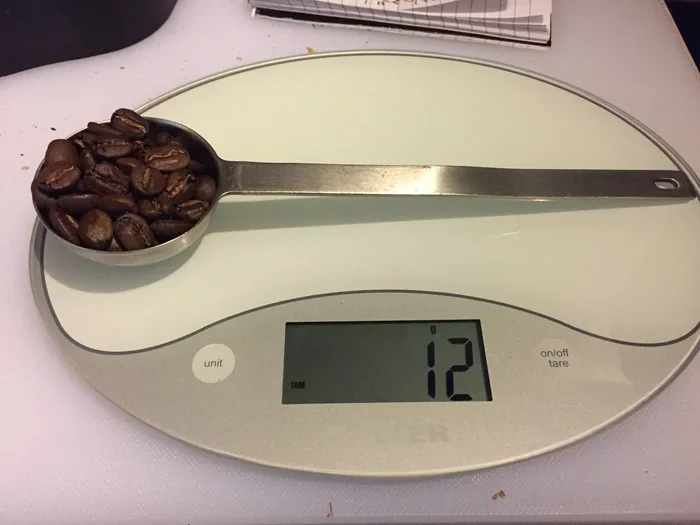
Roast level changes aroma, acidity, and color. It does not change caffine as much as people think. Light roast and dark roast have similar caffine by weight. The difference appears only if you measure by scoop.
Dark roast beans lose a little mass during roasting. That means a scoop of dark roast may hold slightly less caffine than a scoop of light roast. But the gap is small. If you weigh your coffee, the caffine stays fairly consistent across roasts.
So do not choose roast based on caffine alone. Choose it for flavor. Light roast tastes brighter. Dark roast tastes deeper and more toasted. Both can fit your routine.
Brewing Method and Serving Size: The Real Game Changers
If you want to control how many mg of caffine in coffee you drink, focus on two things. The first is brew method. The second is serving size. These two factors create the biggest swing in your daily total.
Visual guide about cup of coffee beans mg
Image source: i.stack.imgur.com
Brew Time and Temperature
Hot water extracts caffine faster. Longer contact also increases extraction. A French press sits longer than a quick pour-over. That longer steep can raise the caffine level. A short brew may leave more caffine in the grounds.
Temperature matters too. Very hot water pulls compounds more efficiently. Cooler water works slower. That is one reason cold brew needs many hours. It needs time to reach a strong extraction without heat.
Grind Size
Grind size changes surface area. Finer grounds expose more coffee to water. That can increase extraction. Coarser grounds expose less. This is why espresso uses a fine grind. It needs fast, strong extraction.
If your grind is too coarse for the method, the coffee may taste weak. It may also carry less caffine. If your grind is too fine for the method, the cup may taste harsh. The right grind helps balance flavor and caffine.
Serving Size Reality Check
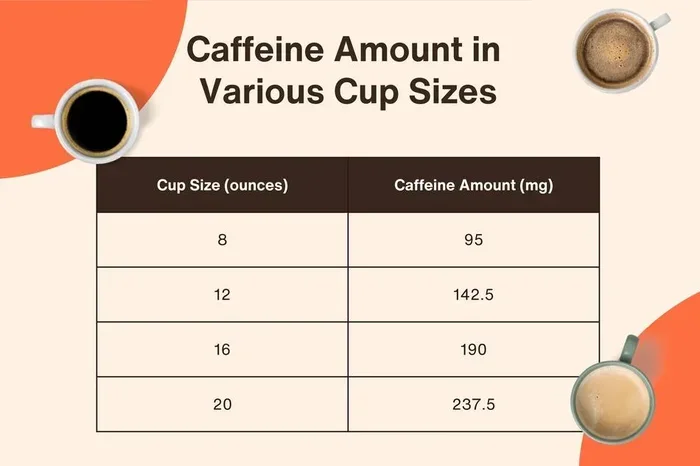
This is where many people get surprised. A home mug may hold 8 to 10 ounces. A coffee shop medium may hold 12 to 16 ounces. A large may hold 20 ounces or more. The caffine scales with the volume.
Imagine two cups. One is 8 ounces with 100 mg of caffine. The other is 16 ounces with the same brew strength. The larger cup may hold around 200 mg. That is a big difference. Always think in terms of total ounces, not just the word cup.
Daily Caffine Limits and Health Considerations
Caffine can help you feel alert and ready. It can also cause problems when you overdo it. Most healthy adults can handle up to 400 mg of caffine per day. That is a common general guideline. Your personal tolerance may be different.
Signs You May Have Had Too Much
Too much caffine can make you feel restless. You may notice a fast heartbeat. You may feel nervous or shaky. Sleep can also suffer, especially if you drink coffee late in the day. Some people get stomach upset too.
If you feel these signs, cut back a little. Try a smaller cup. Try half-caff. Try switching to tea or water later in the day. Small changes often help a lot.
Who Should Be More Careful
Some people need to watch their intake more closely. Pregnant people often follow stricter limits. People with anxiety may feel more sensitive. People with sleep issues may need an earlier cutoff. Certain heart conditions also call for caution.
If you have a health concern, ask a professional for guidance. A safe limit for one person may not fit another. Personal needs matter more than general rules.
Timing Your Coffee Wisely
Timing can matter as much as mg count. Caffine peaks in your blood after a short delay. It can stay in your system for hours. A late afternoon cup may still affect bedtime. If sleep is a concern, set a cutoff time.
Many people do best by drinking coffee earlier. A morning cup feels natural. A mid-morning cup can smooth out the day. An early afternoon cup may still work. After that, the risk of sleep trouble rises.
Practical Ways to Control Your Caffine Intake
You do not need to give up coffee to manage caffine. You can adjust your habits. Small tweaks make the mg count easier to predict. Here are simple ways to stay in control.
Track Your Cup Size
Use the same mug when you can. That makes your intake more consistent. If you switch cups, notice the difference. A bigger mug usually means more caffine. Measuring once can help you learn your usual amount.
Adjust Your Ratio
Use a little less coffee if you want less caffine. You can also brew a stronger base and dilute it. This gives you control without losing flavor. Many people like this trick for large drinks.
Try Half-Caff
Half-caff blends mix regular and decaf beans. This cuts the caffine while keeping the coffee taste. It is a simple middle ground. You still get a boost, just not as strong.
Read Labels on Packaged Drinks
Bottled coffee and canned coffee often list caffine. That makes tracking easier. Coffee shop drinks may not list it clearly. If you want certainty, ask or estimate based on size and style.
Watch Add-Ons and Total Routine
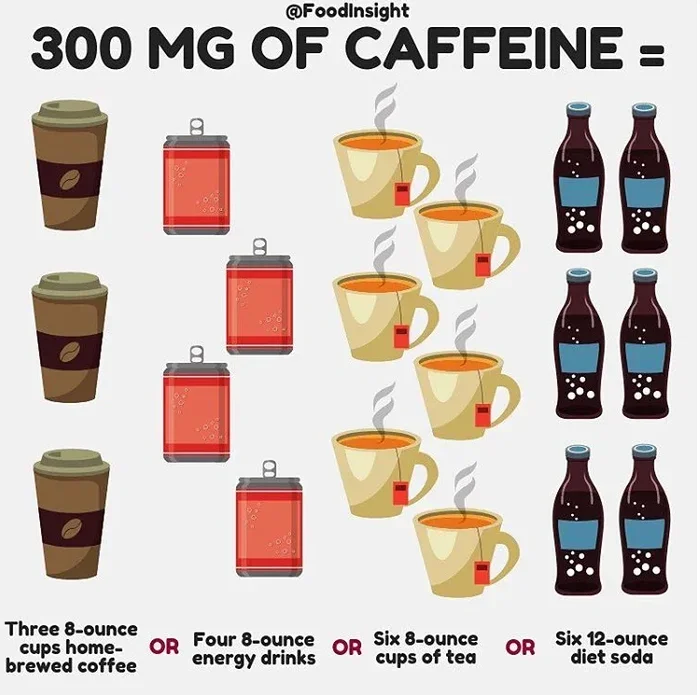
Coffee is only one source of caffine. Tea, soda, energy drinks, and chocolate can add more. Think about your whole day. A few small sources can add up quickly. Balance matters more than any single drink.
Expert Insights: What Coffee Professionals Watch For
Baristas and roasters think about caffine more than most people realize. They watch bean origin, blend style, and brew variables. They know that flavor and caffine do not always move together. A bold-tasting cup is not always higher in caffine.
Professionals also care about consistency. If you visit the same shop, your drink should taste similar each time. That consistency helps you guess the caffine level more accurately. Home brewers can do the same by keeping their recipe steady.
One useful insight is this. Caffine is only one part of the experience. Aroma, body, and taste shape how the coffee feels. A smooth cup may feel lighter even if the mg count is moderate. A strong-tasting cup may feel intense even if the caffine is average. Trust both your palate and your numbers.
Key Takeaways for Smarter Coffee Drinking
You now have a clear picture of what changes the caffine in your cup. The bean type matters. The brew method matters. The serving size matters most of all. Use that knowledge to make coffee work for you.
Start by noticing your usual drink. Estimate its mg range. Then adjust if you want more energy or less stimulation. Keep your routine simple. Keep your cup size familiar. Keep your timing smart. That is the easiest path to better coffee habits.
Remember the main idea. A standard cup usually lands near 95 mg of caffine, but the real number can move up or down. When you understand how many mg of caffine in coffee across different styles, you can drink with confidence. You get the boost you want without the guesswork.
Frequently Asked Questions
How many mg of caffine in coffee on average?
An average 8-ounce cup of brewed coffee contains about 95 mg of caffine, though the range is usually 95 to 165 mg depending on brew strength and bean type.
Does espresso have more caffine than drip coffee?
Espresso has more caffine per ounce, but a standard cup of drip coffee usually has more total caffine because it is served in a larger volume.
Is dark roast coffee higher in caffine?
Not really. Light, medium, and dark roasts have similar caffine by weight, though scoop measurements can create a small difference because of bean density.
How much caffine is in decaf coffee?
Decaf coffee is not completely caffine-free. It usually contains about 2 to 7 mg of caffine per cup after the decaffeination process.
How many mg of caffine in coffee is safe per day?
Most healthy adults can safely consume up to 400 mg of caffine per day, but personal tolerance, health conditions, and sleep needs can lower that limit.
Why does cold brew sometimes have more caffine?
Cold brew steeps for a long time, which can extract a lot of caffine, and people often drink it concentrated, so the final mg count can be quite high.



