How many milligrams caffeine in coffee varies widely based on bean type, roast level, and brewing method. A standard cup of drip coffee usually contains 95 to 200 milligrams of caffeine per serving. Espresso packs more caffeine per ounce, but a full mug of drip often wins the total count. Cold brew can reach 200 to 300 milligrams in a large glass. Use this guide to track your daily intake and enjoy your favorite cup without the jitters.
If you have ever wondered how many milligrams caffeine in coffee shows up in your favorite mug, you are not alone. People ask this question every day because caffeine affects energy, focus, and sleep. The answer is not a single number. It changes with the bean, the roast, the brew method, and the cup size. In this guide, we will break down the numbers in a simple way. You will learn what to expect from drip coffee, espresso, cold brew, and decaf. You will also learn how to estimate your own cup and keep your daily intake in a healthy range.
Let us start with the big picture. Most adults enjoy coffee for the boost. That boost comes from caffeine, a natural compound found in coffee beans. The amount in your cup depends on several easy-to-understand factors. We will cover each factor step by step. By the end, you will know what to look for on a label, how to adjust your brew, and how to choose the right cup for your day.
Key Takeaways
- Standard drip coffee: A typical 8-ounce cup contains 95 to 200 milligrams of caffeine.
- Espresso strength: A single shot has about 63 milligrams, but the small size keeps the total lower than a mug.
- Cold brew concentration: Cold brew often ranges from 200 to 300 milligrams per large serving due to long steeping.
- Decaf is not zero: Decaffeinated coffee still carries 2 to 7 milligrams per cup.
- Bean and roast matter: Robusta beans usually contain more caffeine than Arabica, and lighter roasts retain slightly more caffeine.
- Brew time and ratio: Longer contact time and higher coffee-to-water ratios increase the final caffeine amount.
- Daily limits: Most healthy adults can safely consume up to 400 milligrams of caffeine per day.
📑 Table of Contents
- How Many Milligrams Caffeine In Coffee: The Basics
- Drip Coffee And Standard Mugs
- Espresso, Lungo, And Small Strong Drinks
- Cold Brew And Large Serving Sizes
- Decaf Coffee And Low-Caffeine Options
- What Changes The Caffeine Amount Most
- How To Estimate Your Own Cup
- Common Mistakes People Make
- Key Takeaways For Your Daily Cup
How Many Milligrams Caffeine In Coffee: The Basics
The short answer is that a normal cup of coffee usually contains 95 to 200 milligrams of caffeine. This range covers most standard drip coffees served in homes and cafes. The number changes because coffee is not a fixed product. Two cups can taste similar and still hold different caffeine amounts. The size of the cup matters a lot. An 8-ounce cup is the common reference point. A 12-ounce mug or a 16-ounce to-go cup will usually carry more caffeine simply because there is more liquid.
It also helps to think about concentration. Some cups have more caffeine per ounce. Others have less per ounce but a larger total because the cup is bigger. This is why people sometimes feel confused. A small espresso drink may taste strong, while a large drip coffee may deliver more total caffeine. We will compare these styles soon. First, here are the main things that change the caffeine count:
- Bean variety: Arabica and Robusta beans differ in caffeine content.
- Roast level: Light, medium, and dark roasts change flavor and slightly change caffeine by weight.
- Brew method: Drip, espresso, French press, cold brew, and instant coffee all extract caffeine differently.
- Coffee-to-water ratio: More grounds per cup usually means more caffeine.
- Brew time: Longer contact between water and grounds can increase extraction.
If you want a quick estimate, use the standard range and adjust for your cup size. For example, a 12-ounce drip coffee may land near 140 to 300 milligrams depending on the brew. A small 1-ounce espresso shot is much more concentrated, but the total caffeine is lower than a full mug. Knowing these basics makes it easier to plan your day.
Drip Coffee And Standard Mugs
Drip coffee is the most common style in many homes and offices. When people ask how many milligrams caffeine in coffee they drink every morning, they are often thinking about drip coffee. A standard 8-ounce cup of drip coffee usually contains about 95 to 200 milligrams of caffeine. Many sources use a middle value near 95 milligrams as a practical average. Some strong home brews go higher. Some weak office pots go lower.
Visual guide about fresh coffee beans caffeine
Image source: i.ytimg.com
The brew ratio plays a big role. If you use more coffee grounds for the same amount of water, the cup usually gets stronger in flavor and often carries more caffeine. The grind size matters too. A medium grind works well for drip machines. If the grind is too fine, the water may pass too slowly and over-extract some compounds. If the grind is too coarse, the water may rush through and extract less. Both flavor and caffeine can shift with these changes.
Here is a simple way to think about common drip sizes:
- 8 ounces: About 95 to 200 milligrams
- 12 ounces: About 140 to 300 milligrams
- 16 ounces: About 190 to 400 milligrams
These numbers are estimates. They help you plan, but your actual cup may differ. If you want a more consistent result, keep your ratio steady. Many home brewers enjoy a balanced cup when they measure their grounds instead of scooping by eye. If you want help with that, you can learn how to measure coffee in a coffee maker for a more repeatable brew.
Light Roast Versus Dark Roast
Roast level changes flavor more than it changes caffeine, but people often ask about it. A lighter roast usually keeps a bit more caffeine by weight because less moisture and mass is lost during roasting. A darker roast tastes bolder and may seem stronger, but the caffeine difference is usually small. In practice, the bean type and brew method matter more than the roast color. Still, if you compare two cups by scoop, the lighter roast may give you a touch more caffeine.
For most drinkers, the best choice is the roast you enjoy most. If you want a little more caffeine from the same scoop, choose a lighter roast and use a steady ratio. If you prefer a deeper, smokier flavor, a darker roast can still fit your routine. The caffeine gap is real, but it is often modest.
Espresso, Lungo, And Small Strong Drinks
Espresso is famous for its bold taste and quick energy hit. A single shot of espresso is small, usually about 1 ounce. That small serving typically contains around 63 milligrams of caffeine. A double shot, which many coffee drinks use, lands near 125 milligrams. This makes espresso very concentrated. The taste is intense, and the caffeine per ounce is high.
Visual guide about fresh coffee beans caffeine
Image source: cdn.shopify.com
People sometimes think espresso always has more caffeine than drip coffee. That is not always true when you compare total caffeine. A full mug of drip coffee can contain more total caffeine than a single espresso shot because the mug holds much more liquid. The difference is in concentration versus total amount. Espresso gives you a strong taste in a small volume. Drip coffee gives you a larger volume with a steady caffeine load.
Here is a quick comparison:
- Single espresso: About 63 milligrams in a small shot
- Double espresso: About 125 milligrams in a larger shot
- Lungo: A longer espresso extraction that can pull slightly more caffeine and more compounds from the grounds
- Americano: Espresso diluted with hot water, so the caffeine stays similar to the espresso base
If you like small, strong drinks, espresso can be a great choice. If you want a longer drink with a larger total caffeine amount, a mug of drip coffee may be the better fit. You can also explore other classic methods if you enjoy a hands-on brew. For example, you can read how to make coffee in a stove top percolator if you want a different extraction style that changes flavor and strength.
Milk Drinks And Caffeine
Lattes, cappuccinos, and flat whites usually start with espresso. That means their caffeine comes from the espresso base. A latte with one shot carries about 63 milligrams. A latte with two shots carries about 125 milligrams. The milk adds volume and smoothness, but it does not add caffeine. This is why a large latte may taste mild while still delivering a meaningful caffeine amount.
If you want to manage your intake, check how many shots your drink includes. A bigger cup does not always mean more caffeine. Sometimes it just means more milk or water. When in doubt, ask how many shots are in the drink. That simple question often gives you a clearer picture.
Cold Brew And Large Serving Sizes
Cold brew has become very popular because it tastes smooth and can be very strong. The steeping process uses cold or room-temperature water for a long time, often 12 to 24 hours. This long contact time can pull a lot of caffeine from the grounds, especially if the brew is made as a concentrate. That is why how many milligrams caffeine in coffee questions often get a bigger answer with cold brew.
Visual guide about fresh coffee beans caffeine
Image source: cdn.shopify.com
A small cold brew may be similar to drip coffee. A large cold brew, especially a concentrate diluted to taste, can reach 200 to 300 milligrams or more in a big cup. The exact number depends on the ratio, the steep time, and the final serving size. Some cafes serve cold brew in large cups that carry a high total caffeine load. If you are sensitive to caffeine, this is worth watching.
A few practical tips for cold brew:
- Check the dilution: Concentrates are strong. Water or milk added later changes the final caffeine per cup.
- Watch the size: A 16-ounce cold brew can hold much more caffeine than an 8-ounce cup of drip.
- Taste first: Smooth flavor does not always mean low caffeine. Cold brew can taste mild while still being strong.
Cold brew is a great option if you like a less acidic cup. It can also be a good choice when you want a refreshing drink. Just remember that the smooth taste can hide a high caffeine total. If you want a steady routine, measure your grounds and keep your dilution consistent.
Decaf Coffee And Low-Caffeine Options
Decaf is a helpful choice for people who love coffee flavor but want less caffeine. Decaffeinated coffee is not caffeine-free. It usually contains about 2 to 7 milligrams per cup. The exact amount depends on the bean, the decaffeination process, and the brew. For most people, that is a very small amount. For highly sensitive people, even a little caffeine can matter.
Decaf can be a smart evening option. It gives you the warm ritual and taste of coffee without a big stimulant load. If you want to cut back slowly, you can mix regular and decaf. This lets you keep the flavor you enjoy while lowering the total caffeine. Many people find this easier than stopping suddenly.
If you are choosing between regular and decaf, think about your day. Regular coffee can support focus and alertness in the morning or early afternoon. Decaf can fit better later in the day if you want to protect your sleep. The best choice depends on your schedule and your sensitivity.
What Changes The Caffeine Amount Most
Several factors work together to decide the final caffeine count. If you understand these factors, you can make better guesses and better choices. Here are the biggest levers:
Bean Type
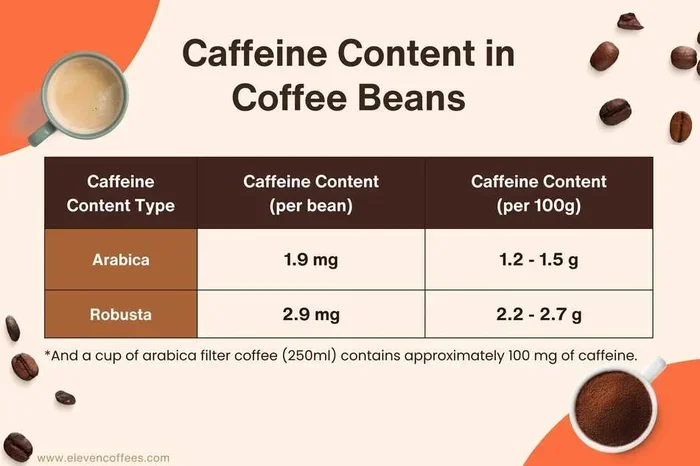
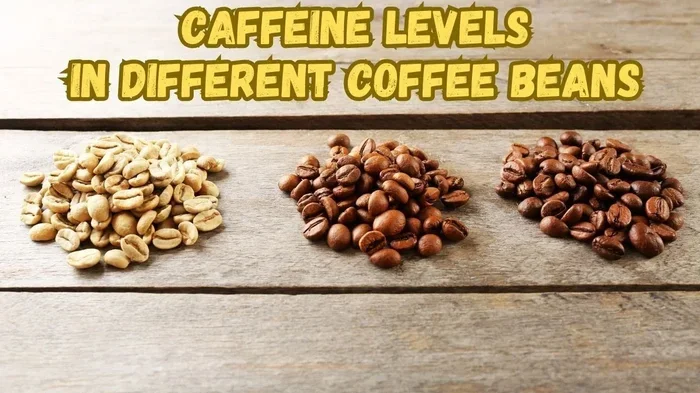
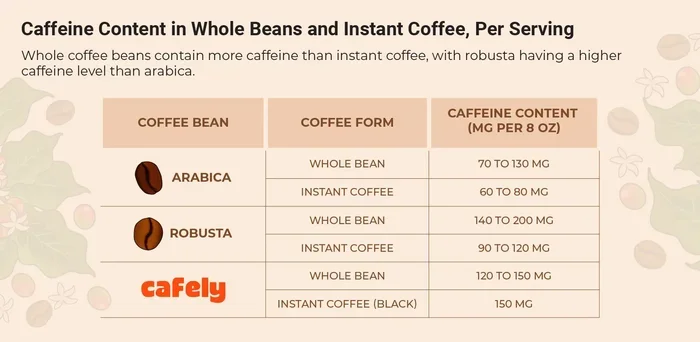
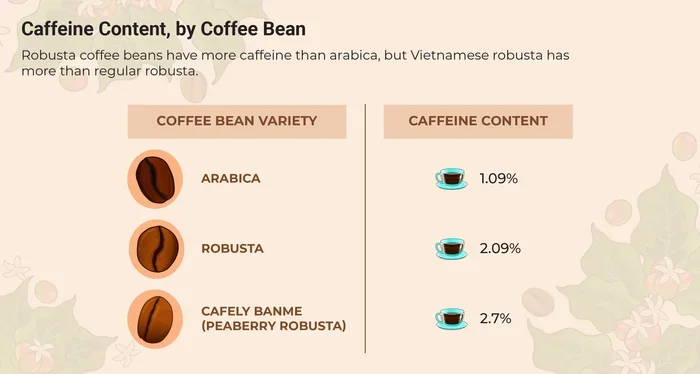
Arabica and Robusta are the two most common coffee beans. Robusta usually contains more caffeine than Arabica. That is one reason Robusta can taste stronger and more bitter. Many espresso blends use a mix of beans. If a blend has more Robusta, the caffeine may be a bit higher. Arabica is known for a smoother, more nuanced flavor. For most home drinkers, Arabica is the most common choice.
Brew Method And Contact Time
The way water meets the grounds changes extraction. Espresso uses pressure and a short brew time. Drip coffee uses gravity and a moderate brew time. French press and similar methods let grounds steep for several minutes. Cold brew uses a long steep at a low temperature. Longer contact time often increases extraction of caffeine and other compounds. This is why brew method matters so much when you ask how many milligrams caffeine in coffee you are getting.
Ratio And Grind
The coffee-to-water ratio is one of the easiest things to control. More grounds per cup usually means more caffeine. A consistent ratio helps you repeat a brew you like. Grind size also matters because it changes how quickly water moves through the coffee. A grind that is too fine or too coarse can change the result. If you want a more reliable cup, measure your coffee and keep your grind steady.
Cup Size
Cup size is a simple but powerful factor. A small cup has less total caffeine than a large cup of the same brew. Many cafe drinks are large, so the total caffeine can be higher than people expect. If you are tracking your intake, pay attention to the ounce size, not just the drink name.
Brand And Preparation
Different brands and cafes use different beans, ratios, and brew settings. That means two similar drinks can have different caffeine amounts. If you buy packaged coffee, the label may give you useful information. If you order out, the preparation can vary from day to day. When precision matters, ask about the brew or check the packaging.
How To Estimate Your Own Cup
You do not need a lab to make a good estimate. You just need a few simple habits. Start with the brew method and the cup size. Then think about your ratio and bean type. Here is a practical way to estimate:
- Pick a baseline: Use 95 milligrams for an 8-ounce drip cup as a starting point.
- Adjust for size: Scale up for larger mugs. A 12-ounce cup often lands higher than the 8-ounce baseline.
- Adjust for strength: If you use more grounds or a stronger brew, expect more caffeine.
- Adjust for espresso: Use about 63 milligrams per single shot as a rough guide.
- Adjust for cold brew: Assume a higher total if the drink is large or made from concentrate.
This approach gives you a useful range. It is not exact, but it is practical. If you want better consistency, write down your ratio and cup size. Over time, you will learn what your usual brew delivers. That makes it easier to plan your day and avoid too much caffeine at once.
Quick Tips For Managing Caffeine
If you want to keep your caffeine in a comfortable range, these tips can help:
- Track your total: Count all sources, including coffee, tea, soda, and energy drinks.
- Front-load your intake: Many people prefer most of their caffeine earlier in the day.
- Choose size wisely: A smaller cup can give you the taste you want with less total caffeine.
- Try half-caf: Mixing regular and decaf lowers the total while keeping flavor.
- Read labels: Packaged drinks sometimes list caffeine content or useful serving details.
- Notice your response: Sleep, focus, and comfort are good personal signals.
Common Mistakes People Make
A few mistakes come up often when people estimate caffeine. Avoiding them can make your numbers more useful.
- Assuming all coffee is the same: Brew method, bean type, and size change the result a lot.
- Confusing strength with total caffeine: A bold-tasting small drink may have less total caffeine than a large mug.
- Ignoring cup size: A 16-ounce drink can carry much more caffeine than an 8-ounce drink.
- Forgetting decaf is not zero: Decaf still has a small amount of caffeine.
- Overlooking other sources: Tea, soda, chocolate, and some medicines can add caffeine too.
- Using taste as the only guide: Smooth coffee can still be strong in caffeine.
Expert Insights
If you want a more stable routine, consistency is the best tool. Use the same bean type, the same ratio, and the same cup size when you can. That makes your caffeine intake more predictable. If you enjoy trying new drinks, treat each new style as a fresh estimate. A new brew method or a new cafe may change the result. Small changes in ratio and size can add up.
Another useful habit is to match your coffee to your goals. If you need focus for a morning task, a standard drip cup may be enough. If you want a quick, strong taste, espresso can fit well. If you want a large drink for a warm break, watch the total caffeine in a big cold brew. The right choice is the one that supports your day without making you feel wired or restless.
Key Takeaways For Your Daily Cup
Here is the practical bottom line. A normal cup of coffee usually lands in a familiar range, but your actual number depends on the details. Use the basics below to guide your choices:
- Drip coffee: Often around 95 to 200 milligrams per 8-ounce cup.
- Espresso: About 63 milligrams per single shot, more for doubles.
- Cold brew: Can be high, especially in large servings or concentrates.
- Decaf: Usually 2 to 7 milligrams per cup.
- Bean and brew: Robusta, lighter roasts, higher ratios, and longer contact time can raise caffeine.
- Size matters: Bigger cups usually mean more total caffeine.
- Healthy range: Many adults stay comfortable under 400 milligrams per day, but personal tolerance varies.
If you want the best balance, choose the cup that matches your taste, your schedule, and your sensitivity. Coffee should help your day, not hijack it. With a little attention to size, brew method, and ratio, you can enjoy your coffee with more confidence.
So, how many milligrams caffeine in coffee should you expect? For most people, the answer is a range, not a fixed number. A standard mug of drip coffee usually sits near the middle of that range. Espresso gives you concentration in a small cup. Cold brew can give you a large total in a smooth-tasting drink. Decaf gives you flavor with very little caffeine. Once you know these patterns, you can make better choices and enjoy every cup with less guesswork.
Frequently Asked Questions
How many milligrams caffeine in coffee on average?
A typical 8-ounce cup of drip coffee contains about 95 to 200 milligrams of caffeine. The exact amount depends on the bean, brew method, and cup size.
Does espresso have more caffeine than drip coffee?
Espresso has more caffeine per ounce, but a full mug of drip coffee often has more total caffeine. A single espresso shot usually has about 63 milligrams.
How much caffeine is in decaf coffee?
Decaf coffee is not completely caffeine-free. It usually contains about 2 to 7 milligrams per cup, which is much lower than regular coffee.
Why does cold brew sometimes have so much caffeine?
Cold brew often steeps for a long time and may be served as a concentrate. That can lead to a high total caffeine count, especially in large servings.
Do light roasts have more caffeine than dark roasts?
Light roasts can have slightly more caffeine by weight, but the difference is usually small. Bean type and brew method usually matter more than roast color.
How much caffeine is safe to drink in a day?
Many healthy adults can safely consume up to 400 milligrams of caffeine per day. Your personal limit may be lower if you are sensitive, pregnant, or have certain health concerns.