Wondering how many ounces in a cup? We’ve got you covered! Our comprehensive guide breaks down the conversion for various ingredients, ensuring you never struggle with measurements again.
Introduction
Ever found yourself mid-recipe, squinting at the ingredient list, trying to decipher if 1 cup equals 8 ounces or 16? You’re not alone! The world of cooking and baking is filled with measurements, and understanding the conversion between ounces and cups is crucial. In this comprehensive guide, we’ll demystify how many ounces in a cup and help you become a measurement pro in no time!
The Basics: US Customary Units*
In the United States, the customary units of measurement are commonly used in cooking and baking. The conversion between these units can be a bit tricky, so let’s start with the basics.
1 cup equals 8 ounces (oz). This is the standard conversion for US customary units.
Converting Ounces to Cups
Now that you know 1 cup equals 8 ounces, converting ounces to cups is a breeze!
To find out how many cups are in a specific number of ounces, divide the number of ounces by 8.
For example, if a recipe calls for 16 ounces of an ingredient, you would divide 16 by 8 to get 2 cups.
Converting Cups to Ounces
Similarly, converting cups to ounces is just as simple!
To find out how many ounces are in a specific number of cups, multiply the number of cups by 8.
For example, if a recipe calls for 2 cups of an ingredient, you would multiply 2 by 8 to get 16 ounces.
Dry Ingredients: A Special Case
While the standard conversion between ounces and cups is 1:8, dry ingredients like flour and sugar have different densities. As a result, the conversion varies slightly.
1 cup of all-purpose flour weighs approximately 4.5 ounces.
1 cup of granulated sugar weighs approximately 7 ounces.
Imperial and Metric Systems: A Word of Caution
It’s essential to be aware that the imperial and metric systems have different conversions for ounces and cups. In the metric system, 1 cup is roughly equal to 237 milliliters (ml) or 240 milliliters (ml) in some cases. However, the focus of this guide is on US customary units.
Using a Kitchen Scale for Precision
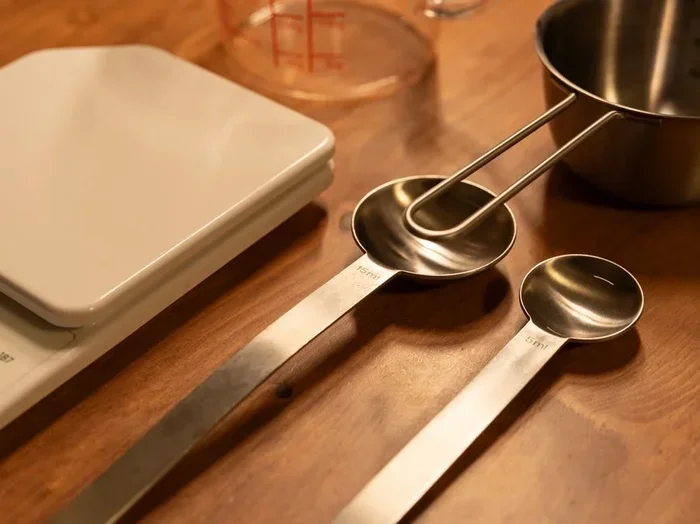
While conversion charts are helpful, using a kitchen scale ensures the most accurate measurements. This is especially important when working with dry ingredients or when following recipes from other cultures that may use different measurement systems.
Practice Makes Perfect
The more you cook and bake using ounces and cups, the more comfortable you’ll become with the conversions. Don’t be afraid to experiment and make mistakes – it’s all part of the learning process!
H2: Common Measurement Conversions
To further assist you in the kitchen, here are some common measurement conversions:
1 teaspoon (tsp) equals 1/3 tablespoon (tbsp) or 4.2 grams (g).
1 tablespoon (tbsp) equals 3 teaspoons (tsp) or 14.2 grams (g).
1 ounce (oz) equals 28.35 grams (g).
1 pound (lb) equals 453.59 grams (g).
H2: Ounces to Cups Conversion Chart
For quick reference, here’s a handy conversion chart from ounces to cups:
| Ounces | Cups |
| — | — |
| 0.5 | 0.0625 |
| 1 | 0.125 |
| 2 | 0.25 |
| 3 | 0.375 |
| 4 | 0.5 |
| 5 | 0.625 |
| 6 | 0.75 |
| 7 | 0.875 |
| 8 | 1 |
| 9 | 1.125 |
| 10 | 1.25 |
| 12 | 1.5 |
| 14 | 1.75 |
| 16 | 2 |
H2: Cups to Ounces Conversion Chart
And here’s a conversion chart from cups to ounces for your convenience:
| Cups | Ounces |
| — | — |
| 0.0625 | 0.5 |
| 0.125 | 1 |
| 0.25 | 2 |
| 0.375 | 3 |
| 0.5 | 4 |
| 0.625 | 5 |
| 0.75 | 6 |
| 0.875 | 7 |
| 1 | 8 |
| 1.125 | 9 |
| 1.25 | 10 |
| 1.5 | 12 |
| 1.75 | 14 |
| 2 | 16 |
Conclusion
Understanding the conversion between ounces and cups is essential for any home cook or baker. By familiarizing yourself with these measurements and using them regularly, you’ll build confidence and expertise in the kitchen. So go ahead, tackle that recipe with the confidence of a pro – you’ve got this!
**
Key Takeaways
- 1 cup equals 8 ounces: This is the standard conversion for US customary units.
- Dry ingredients vary: The conversion between ounces and cups differs for dry ingredients like flour and sugar.
- Imperial and metric systems are different: Be aware of the distinction when converting between ounces and cups.
- Use a kitchen scale for precision: While conversions are helpful, using a scale ensures accurate measurements.
- Practice makes perfect: The more you cook and bake using ounces and cups, the more comfortable you’ll become with the conversions.
[FEATURED_IMAGE_PLACEHOLDER]
Frequently Asked Questions
**
Q: How many ounces are in 1 cup of all-purpose flour?
A: There are approximately 4.5 ounces in 1 cup of all-purpose flour.
Q: What is the difference between ounces and cups?
A: Ounces and cups are units of measurement with different volumes. 1 cup equals 8 ounces in the US customary system.
Q: How many ounces are in 1 cup of granulated sugar?
A: There are approximately 7 ounces in 1 cup of granulated sugar.
Q: What is the conversion between ounces and milliliters (ml) in the metric system?
A: In the metric system, 1 ounce is roughly equal to 28.35 milliliters (ml).
Q: How many ounces are in 2 cups of an ingredient?
A: To find out how many ounces are in 2 cups of an ingredient, multiply 2 by 8 to get 16 ounces.
Q: Why is it important to use a kitchen scale for accurate measurements?
A: Using a kitchen scale ensures the most accurate measurements, especially when working with dry ingredients or following recipes from other cultures that may use different measurement systems.