
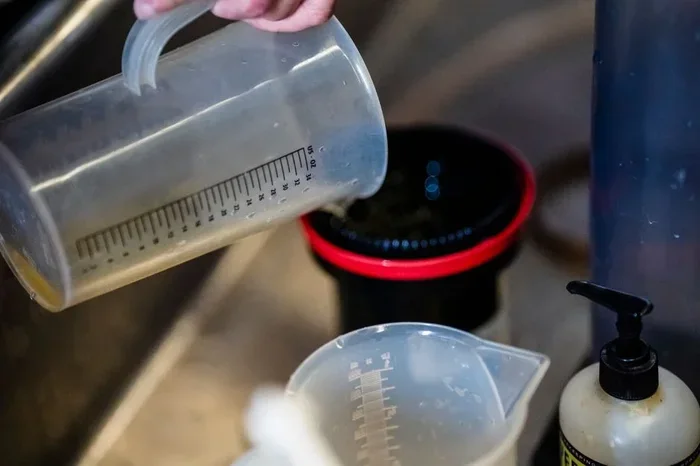
So how many oz in a quart? The answer is 32 fluid ounces in one US liquid quart. Whether you are cooking, baking, or just pouring a drink, knowing this liquid measurement conversion saves time and prevents mistakes in the kitchen.
Ever stood in front of a recipe and wondered how many oz in a quart? Maybe you are scaling up a soup recipe or pouring marinade into a container. Either way, knowing this liquid measurement conversion is a kitchen superpower.
Here is the quick answer: one quart equals 32 fluid ounces. That is the US standard. But there is more to it than just a number. In this guide, we break down everything you need to know about quart to ounce conversions, dry vs liquid measurements, and practical tips you can use right now.
Key Takeaways
- 32 fluid ounces equal one US liquid quart.
- A quart is also equal to 4 cups or 2 pints.
- Understanding liquid measurement conversions helps in cooking and baking.
- Dry measurements differ from liquid measurements, so always check the type.
- A simple conversion chart makes quick work of kitchen math.
- The imperial quart (UK) has 40 fluid ounces, not 32.
- Practical tips and examples make these conversions easy to remember.
📑 Table of Contents
What Is a Quart?
A quart is a unit of volume measurement used in the US customary system. It measures liquid capacity. The word “quart” comes from the Latin word “quartus,” meaning one-quarter. This makes sense because a quart is one-quarter of a gallon.
There are two main types of quarts you will encounter:
- US Liquid Quart — used for measuring liquids in the United States. This equals 32 fluid ounces.
- Imperial Quart (UK) — used in the United Kingdom. This equals 40 fluid ounces.
For most American cooking and baking, you will work with the US liquid quart. That is the one we focus on in this article.
How Big Is a Quart Actually?
To put it in perspective, a quart is the same as 4 cups. It is also equal to 2 pints. If you have a standard quart-sized container, it holds about the same volume as a large bottle of soda. This volume conversion is handy to remember when you do not have measuring tools nearby.
Many kitchen tools are marked in quarts. Measuring jugs, saucepans, and storage containers often list quart sizes. Understanding what a quart looks like helps you estimate amounts faster.
How Many Ounces Are in a Quart?
The core question is simple: how many oz in a quart? The answer depends on what type of measurement you are working with.
For liquid measurements, one US quart equals 32 fluid ounces. This is the standard you will see in almost all American recipes. If a recipe calls for one quart of milk, you need 32 fluid ounces.
For dry measurements, the weight in ounces varies by ingredient. A quart of flour weighs differently than a quart of sugar. This is why it is important to understand the difference between fluid ounces and weight ounces.
Fluid Ounces vs Weight Ounces
This is one of the most common kitchen measurement confusions. Let us clear it up:
- Fluid ounces (fl oz) measure volume. They tell you how much space a liquid takes up.
- Weight ounces (oz) measure mass. They tell you how heavy something is.
When recipes call for a quart of a liquid ingredient, they mean 32 fluid ounces. When a recipe lists dry ingredients by weight, ounces refer to heaviness, not volume. Always check the recipe to know which type of ounce is being used.
Quick Conversion Chart for Quarts and Ounces
Keep this conversion chart handy whenever you are cooking or baking. It takes the guesswork out of kitchen conversions.
- 1 quart = 32 fluid ounces
- 2 quarts = 64 fluid ounces
- 0.5 quart (1 pint) = 16 fluid ounces
- 1.5 quarts = 48 fluid ounces
- 0.25 quart (1 cup) = 8 fluid ounces
These numbers are easy to memorize once you know the base fact: 1 quart = 32 fl oz. From there, you can multiply or divide to get any amount you need.
Quick Tips for Remembering the Conversion
Here are some simple tricks to make these measurement conversions stick:
- Think of a quart as 4 cups. Each cup is 8 fluid ounces. Four times eight equals 32.
- Remember that a pint is half a quart, so a pint is 16 fluid ounces.
- A gallon is 4 quarts. That means a gallon has 128 fluid ounces.
Once you know these three facts, you can figure out almost any liquid volume conversion in seconds.
Why Accurate Measurements Matter in Cooking
Precision in the kitchen is not just about following rules. It is about getting consistent results. Whether you are making a batch of soup or baking a cake, the right liquid ingredients ratio matters.
How Wrong Measurements Affect Your Food
Too much liquid can make a batter runny. Too little can leave your dish dry or undercooked. When you know exactly how many oz in a quart, you can scale recipes up or down with confidence.
For example, if a recipe calls for 2 quarts of broth and you only have a measuring cup marked in ounces, you now know you need 64 fluid ounces. Without this knowledge, you might eyeball it and end up with a very different result.
When to Use Volume vs Weight Measurements
Liquid ingredients like water, milk, oil, and broth are best measured by volume. Dry ingredients like flour, sugar, and rice are often better measured by weight for accuracy. A kitchen scale is your best friend for dry ingredients.
However, when a recipe gives you a quart measurement, it is referring to volume. This is where the 32 fluid ounces conversion comes in handy.
Common Mistakes People Make With Quart and Ounce Conversions
Even experienced cooks make mistakes with liquid measurement. Here are the most common ones and how to avoid them.
Confusing Fluid Ounces with Weight Ounces
This is the number one mistake. A quart of water weighs about 32 ounces because water is dense. But a quart of flour weighs much less. Always check whether your recipe calls for fluid ounces or weight ounces.
Using the Wrong Quart Size
If you follow a US recipe but use an imperial quart measurement, you will add 8 extra fluid ounces. That is a 25% increase in liquid. This can completely change the texture and taste of your dish. Always use the US liquid quart for American recipes.
Not Leveling Off Measuring Cups
When measuring liquids, always read the measurement at eye level. A meniscus (the curved surface of the liquid) can trick your eyes. Use a clear measuring cup and place it on a flat surface for the most accurate reading.
Quick Tips for Everyday Kitchen Use
Knowing how many oz in a quart is useful in many everyday situations. Here are some practical examples:
- Measuring marinades: If a marinade recipe calls for 1 quart, pour 32 fluid ounces into your bowl.
- Scaling recipes: Doubling a recipe that calls for 1 quart means you need 64 fluid ounces.
- Storing liquids: Know that a standard quart jar holds exactly 32 fluid ounces of liquid.
- Buying in bulk: A gallon jug contains 4 quarts, or 128 fluid ounces. Great for meal prep.
Many people also find it helpful to keep a small conversion chart taped inside a kitchen cabinet. Quick access to these numbers makes cooking faster and more enjoyable.
Helpful Tools for Accurate Measurements
You do not need fancy equipment to measure accurately. A basic liquid measuring cup with quart markings works great. For more precision, consider a digital kitchen scale for dry ingredients. And if you are ever unsure, a simple measurement conversion chart posted in your kitchen saves time and reduces errors.
Also, if you are working with coffee recipes, understanding how to measure coffee properly in your coffee maker makes a big difference in taste and consistency. Check out our guide on measuring coffee for more tips.
Converting Between Quarts, Cups, Pints, and Gallons
The US customary system can feel confusing at first. But once you understand the relationships between units, everything clicks.
- 1 gallon = 4 quarts = 128 fluid ounces
- 1 quart = 2 pints = 32 fluid ounces
- 1 pint = 2 cups = 16 fluid ounces
- 1 cup = 8 fluid ounces
This hierarchy makes it easy to move between units. Start with the base fact — 1 quart = 32 fl oz — and build from there. Whether you are converting for a large batch of chili or a small sauce, these relationships help you calculate quickly.
If you are storing food and need to know how much liquid fits in different containers, understanding these conversions is essential. Learn how to store water in mason jars for practical storage tips that use these measurements.
Metric Conversions for Reference
For those who work with the metric system, here is a quick reference:
- 1 US liquid quart ≈ 946 milliliters
- 1 fluid ounce ≈ 29.57 milliliters
- 1 imperial quart ≈ 1136 milliliters
Most American recipes use the US customary system. But if you are following an international recipe, these metric equivalents help you convert accurately.
Conclusion
So there you have it. The definitive answer to how many oz in a quart: 32 fluid ounces in one US liquid quart. This simple liquid measurement conversion is one of the most useful facts you can keep in your kitchen toolkit.
Remember that a quart equals 4 cups, 2 pints, and one-quarter of a gallon. These relationships make kitchen conversions easy and fast. Whether you are following a recipe, meal prepping, or just pouring a drink, knowing these numbers gives you confidence and accuracy.
Keep this guide handy. Print the conversion chart and tape it to your cabinet. With a little practice, these measurements will become second nature. Happy cooking!
Frequently Asked Questions
How many fluid ounces are in a quart?
There are 32 fluid ounces in one US liquid quart. This is the standard measurement used in American recipes and cooking. For the imperial quart used in the UK, the answer is 40 fluid ounces.
Is a quart the same as 32 ounces of weight?
Not exactly. A quart measures volume, not weight. 32 fluid ounces refers to the space a liquid takes up. The actual weight of 32 fluid ounces depends on the liquid. Water weighs about 32 ounces, but oil weighs less because it is less dense.
How many cups are in a quart?
There are 4 cups in one quart. Since each cup equals 8 fluid ounces, four cups equal 32 fluid ounces. This is one of the easiest ways to remember the quart to cup conversion.
What is the difference between a US quart and an imperial quart?
A US liquid quart equals 32 fluid ounces. An imperial quart (used in the UK) equals 40 fluid ounces. The imperial quart is about 20% larger than the US quart. Always check which system your recipe uses to avoid adding too much or too little liquid.
Can I use a quart measuring cup for dry ingredients?
You can, but it is not ideal. Quart measuring cups are designed for liquid measurements. Dry ingredients like flour and sugar are better measured by weight using a kitchen scale. If you must measure dry ingredients by volume, use dry measuring cups and level them off for accuracy.
How do I convert quarts to gallons?
The conversion is simple: 4 quarts equal 1 gallon. So if you have 2 quarts, that is half a gallon. This relationship makes it easy to scale recipes up or down for larger or smaller batches.



