
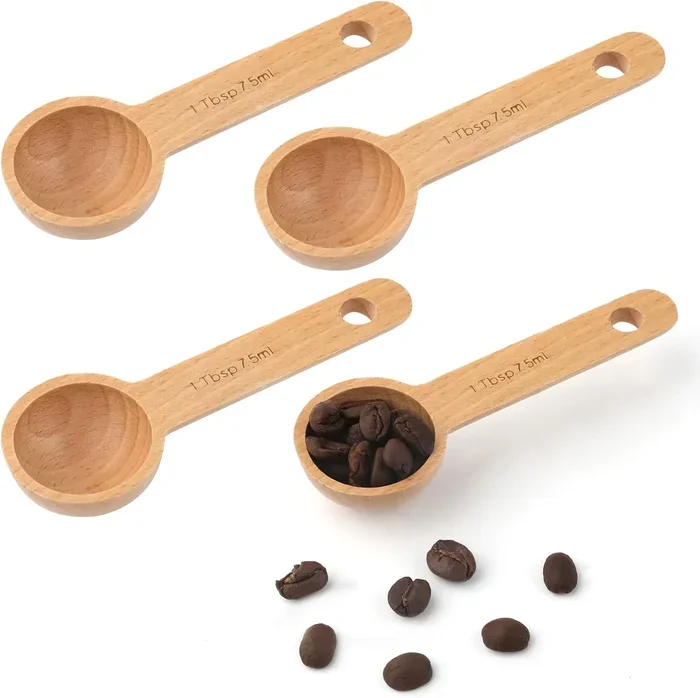
Getting the right how many tablespoons of ground coffee per cup ratio makes all the difference in your morning brew. Too much coffee tastes bitter, while too little tastes weak and watery. This guide breaks down the golden ratio for standard drip machines, french presses, and single-serve makers. You will learn simple measurements to master your coffee brewing skills at home.
Making great coffee starts with one simple question. How much coffee should you use? Many people guess this part. They might use too much or too little. This changes the taste completely. You want a balanced cup every morning. It should not be too bitter or too weak. Finding the right how many tablespoons of ground coffee per cup is the secret to consistency.
You do not need to be a barista to make good coffee. You just need to know the basic rules. This guide will help you understand measurements. We will talk about scoops, tablespoons, and water ratios. You will learn how to adjust for your taste. Let us make your morning routine better together.
Key Takeaways
- Standard Ratio: Use 1 to 2 tablespoons of ground coffee for every 6 ounces of water.
- Golden Rule: The ideal golden ratio is roughly 1:16 coffee to water by weight for precision.
- Grind Size Matters: Coarse grinds need more contact time, while fine grinds extract faster.
- Taste Preference: Adjust the coffee strength by adding more grounds for boldness or less for mildness.
- Freshness Count: Use freshly ground coffee beans for the best flavor and aroma.
- Measurement Tools: A scale provides accuracy, but scoops work well for consistency.
- Cleaning Impact: Old oils affect taste, so clean your maker regularly for pure flavor.
📑 Table of Contents
Understanding the Golden Ratio for Coffee
The golden ratio is the standard rule for brewing. It helps you get a balanced flavor. Most experts agree on a specific range. This range ensures you extract the right flavors. You do not want sour or bitter notes. You want a smooth and rich cup.
What Is the Standard Ratio?
The standard ratio is often 1:16. This means one part coffee to sixteen parts water. For most home brewers, this translates to tablespoons. A common rule is one tablespoon per six ounces of water. Some people prefer it stronger. They might use two tablespoons per cup. It depends on your personal taste.
Water quality matters too. Hard water can change the extraction. Soft water might make it taste flat. Use filtered water if you can. This simple change improves the flavor. It works with any coffee brewing method you choose.
Why Measurements Matter
Consistency is key for good coffee. If you change the amount every day, the taste changes. You might love it one day and hate it the next. Measuring helps you replicate success. You can write down your favorite ratio. Then you can make it again tomorrow.
Using a scale is the most accurate way. But tablespoons are easier for most people. You do not need special tools to start. A standard kitchen spoon works fine. Just keep the size consistent. Do not mix teaspoon and tablespoon sizes.
How Many Tablespoons of Ground Coffee Per Cup
This is the most common question. The answer depends on the cup size. A standard coffee cup is usually six ounces. A mug at home might be twelve ounces. You need to adjust for the size. Let us break down the numbers clearly.
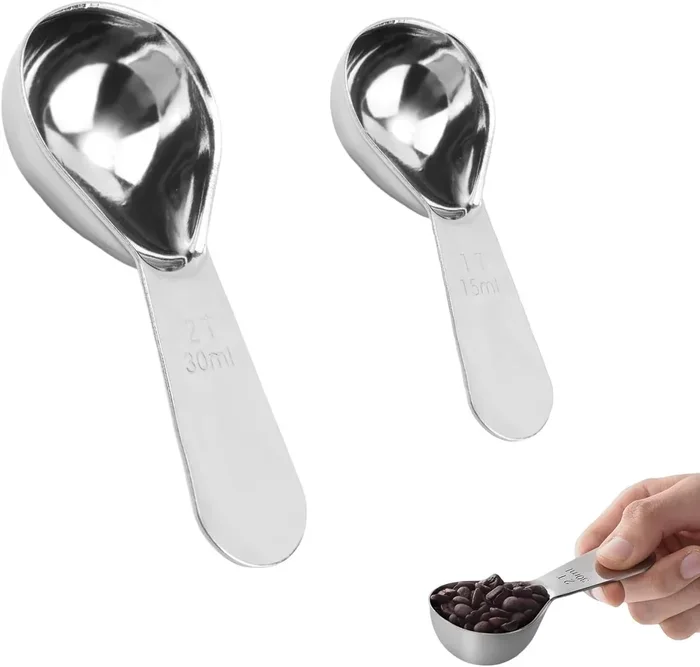
Visual guide about ground coffee measuring spoons
Image source: m.media-amazon.com
Standard Drip Coffee Maker Measurements
For a standard drip machine, use one tablespoon per six ounces. If you have a twelve-ounce mug, use two tablespoons. This keeps the strength consistent. Most machines have lines on the carafe. These lines show water levels. Match your coffee grounds to these lines.
If you like stronger coffee, add half a tablespoon. You can experiment to find your sweet spot. Do not go too high too fast. Bitterness happens when you use too much coffee. It overwhelms the water. Start with the standard and adjust slowly.
French Press and Pour Over Differences
French press coffee often needs a coarser grind. The ratio might stay the same. But the steeping time changes. You let it sit for four minutes. Pour over methods flow faster. You might need a slightly finer grind. The tablespoons of coffee count remains similar. Focus on the grind size for these methods.
Pour over requires a steady hand. You pour water in circles. This ensures all grounds get wet. Even saturation helps extraction. If you miss spots, the coffee tastes weak. Use the same ratio but watch your pouring technique.
Tablespoons vs. Scoops vs. Scales
You have options for measuring your beans. Each method has pros and cons. Tablespoons are common in every kitchen. Scoops come with many coffee makers. Scales are for precision lovers. Let us compare them.
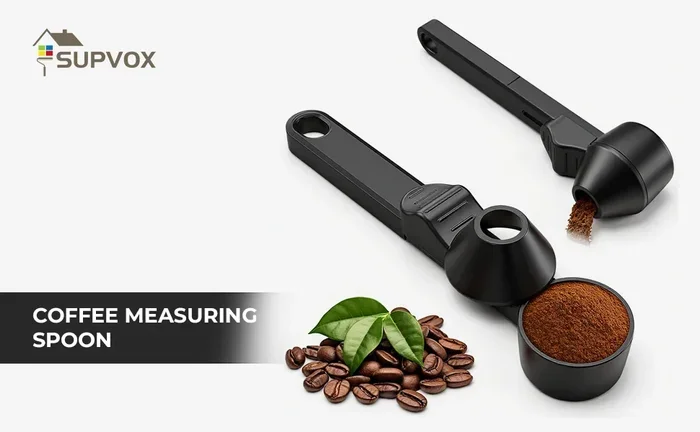
Visual guide about ground coffee measuring spoons
Image source: m.media-amazon.com
Using Kitchen Tablespoons
Tablespoons are easy to find. Everyone has a set in their drawer. One level tablespoon is a good standard. Do not pack the coffee down. Just scoop and level it off. This gives a consistent volume. It is not perfect weight, but it works.
Keep in mind that grind size affects volume. Fine grounds pack tighter. Coarse grounds take up more space. You might need more tablespoons for coarse grounds. This is why weight is better. But for daily use, tablespoons are fine.
Coffee Scoops and Their Size
Many machines come with a plastic scoop. These scoops vary in size. Some hold one tablespoon. Others hold two. Check your scoop against a kitchen tablespoon. You want to know what you are using. If the scoop is large, use less of them.
Scoops are convenient. You can keep one near the machine. It makes the morning routine fast. Just remember to clean it. Old coffee oils stick to the plastic. This can make fresh coffee taste stale. Wash it with warm soapy water.
Why a Scale Is Best
A scale removes all guesswork. You weigh the beans before grinding. This ensures the same mass every time. Water weight is also measured. This is the professional way to brew. It takes more time but gives better results.
If you want to upgrade your brew, buy a scale. Look for one with a timer. Some scales start timing when you put the cup on. This helps with pour over methods. It takes the stress out of brewing. You can focus on enjoying the cup.
Adjusting for Taste and Strength
Your perfect cup might not match the standard. That is okay. Coffee is personal. Some like it mild. Others like it bold. You should adjust the ratio to fit you. Here is how to tweak it.
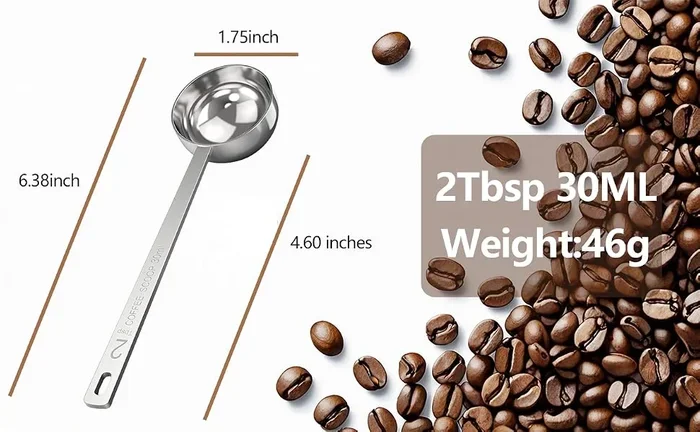
Visual guide about ground coffee measuring spoons
Image source: m.media-amazon.com
Making It Stronger
To make coffee stronger, add more grounds. Do not just add less water. Adding less water makes it concentrated but not necessarily better. Increase the coffee by half a tablespoon. Taste it and see if you like it. You can keep adding until it is right.
Dark roast beans taste bolder naturally. They have a stronger flavor profile. If you want strength, try a dark roast. It often needs less adjustment. Light roasts are more acidic and fruity. They might need more coffee to feel bold.
Making It Milder
If your coffee is too bitter, use less coffee. Reduce the amount by half a tablespoon. This lowers the intensity. You can also use a coarser grind. This reduces extraction. Less extraction means less bitterness.
Water temperature also affects strength. Boiling water burns the grounds. Use water that is just off the boil. Around 200 degrees Fahrenheit is ideal. This extracts flavor without burning. It makes the cup smoother and milder.
Common Mistakes When Measuring Coffee
Even simple tasks have pitfalls. People make mistakes often. These mistakes ruin the flavor. Avoid these common errors to save your brew.
Inconsistent Grind Sizes
Grind size changes volume. If you switch beans, the grind might change. One bean is denser than another. This affects how many tablespoons you need. Try to keep your grind setting the same. If you change it, adjust the amount.
Blade grinders create uneven sizes. Some pieces are dust. Some are chunks. This makes extraction uneven. Burr grinders are better. They create uniform pieces. Uniform grounds brew evenly. This leads to a better cup.
Ignoring Water Quality
Tap water has minerals and chlorine. These change the taste. Chlorine makes coffee taste chemical. Minerals can block extraction. Use filtered water for the best results. It is an easy upgrade. You will taste the difference immediately.
Do not use distilled water. It lacks minerals. Coffee needs some minerals to bind with. Pure water tastes flat. Filtered tap water is the sweet spot. It removes bad tastes but keeps good minerals.
Not Cleaning the Equipment
Old coffee oils build up in machines. These oils go rancid over time. They make fresh coffee taste old. Clean your machine regularly. Run a vinegar cycle once a month. Wash removable parts with soap.
If you use a french press, wash the mesh screen. Grounds get stuck there. They rot and smell bad. Rinse it after every use. Dry it completely before storing. This keeps your coffee brewing safe and tasty.
Expert Tips for Better Brewing
You have the basics down. Now let us add some pro tips. These small changes make a big impact. They help you get the most from your beans.
Use Freshly Ground Coffee
Whole beans stay fresh longer. Ground coffee loses flavor fast. The surface area exposes it to air. Oxygen ruins the oils. Grind your beans right before brewing. You will smell the difference. The aroma is much stronger.
Store beans in an airtight container. Keep them in a cool dark place. Do not put them in the fridge. Moisture hurts the beans. Light also degrades the flavor. A cupboard is the best spot. Buy small batches so you use them fresh.
Preheat Your Mug
A cold mug cools coffee fast. Hot coffee tastes better. Preheat your cup with hot water. Swirl it around and dump it out. Then pour your fresh coffee. It stays hot longer. This simple step improves the experience.
This is especially good for winter mornings. Nothing beats a hot cup in cold weather. It feels more comforting. You enjoy the flavor more when it is warm. Try it next time you brew.
Experiment with Ratios
Do not be afraid to try new things. Change one variable at a time. If you change coffee and water, you do not know what worked. Change the coffee amount first. Taste it. Then change the grind. Keep notes if you like.
You might find a ratio you love. Maybe you like 1.5 tablespoons per cup. Write it down. Share it with friends. Coffee is a journey. There is no single right answer. Your perfect cup is what you enjoy most.
Key Takeaways for Perfect Coffee
To wrap up, remember the basics. Start with the standard ratio. Adjust based on your taste. Use fresh beans and clean water. Measure consistently for the best results.
- Start Standard: Begin with one tablespoon per six ounces of water.
- Adjust Gradually: Change amounts slowly to find your preferred strength.
- Fresh Beans: Grind just before brewing for maximum flavor.
- Clean Equipment: Regular cleaning prevents stale tastes.
- Water Matters: Use filtered water for a cleaner cup.
- Measure Consistently: Use the same spoon or scale every time.
- Enjoy the Process: Brewing coffee should be a relaxing ritual.
Now you know how many tablespoons of ground coffee per cup to use. You have the tools to make great coffee at home. Enjoy your next brew.
Frequently Asked Questions
How many tablespoons of coffee for a 12 cup maker?
For a standard 12-cup coffee maker, you typically need 12 to 24 tablespoons of ground coffee. This depends on how strong you like your brew. A good starting point is one tablespoon per cup of water.
Does scoop size affect coffee strength?
Yes, scoop size changes the amount of coffee used. A larger scoop holds more grounds, making the coffee stronger. Always check if your scoop equals one tablespoon or more.
Can I use teaspoons instead of tablespoons?
You can, but you need more teaspoons. Three teaspoons equal one tablespoon. Using teaspoons is less convenient for large batches. It is easier to stick with tablespoons for consistency.
What happens if I use too much coffee?
Using too much coffee makes the brew taste bitter and harsh. It can also waste coffee beans. The water cannot extract enough flavor from the excess grounds. Stick to the recommended ratio for balance.
Is a scale better than tablespoons for coffee?
A scale is more accurate than tablespoons. It measures weight instead of volume. This accounts for differences in grind size and bean density. For precision, a scale is the best tool.
How do I store coffee to keep it fresh?
Store coffee in an airtight container away from light and heat. Do not keep it in the fridge or freezer. Moisture and odors can ruin the flavor. Use the beans within a few weeks of opening.



