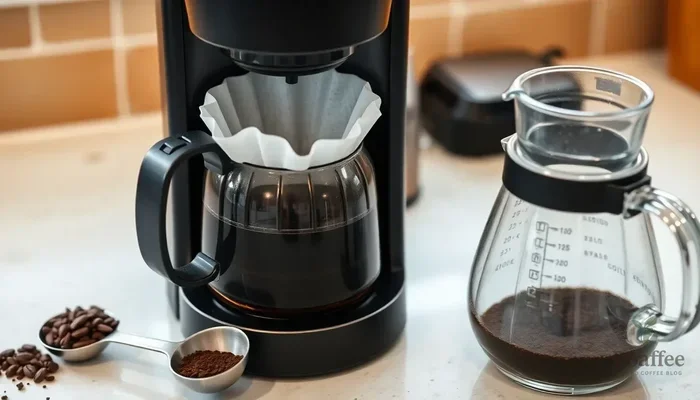
How much coffee do you put in a coffee maker depends on your taste preference and the number of cups you brew. A standard starting point is one tablespoon of ground coffee per six ounces of water, but you can adjust for stronger or milder flavor. Using the right coffee ratio prevents bitter or weak brews. This guide breaks down exact measurements, scoop equivalents, and simple tweaks to help you dial in your perfect cup.
Making great coffee at home starts with one simple question: how much coffee do you put in a coffee maker? The answer shapes everything you taste in the cup. Too little coffee leaves a weak, watery drink. Too much creates a bitter, heavy brew that burns your tongue. Getting the balance right is easier than you think.
You do not need fancy tools or a barista degree. You just need a clear ratio, a steady measuring habit, and a little room to adjust for your taste. Once you learn the basics, you can brew a reliable cup every morning without guessing. This guide walks you through exact measurements, scoop conversions, water tips, and small tweaks that make a big difference.
Key Takeaways
- Standard Ratio: Use one to two tablespoons of coffee per six ounces of water for balanced flavor.
- Scoop Equivalents: A standard coffee scoop holds about two tablespoons, making measuring quick and consistent.
- Water Matters: Clean, filtered water improves taste and helps you measure coffee accurately.
- Adjust for Strength: Add more grounds for bold coffee or reduce them for a lighter, smoother cup.
- Grind Size Counts: Medium grind works best for most drip coffee makers and prevents over-extraction.
- Consistency Wins: Use the same measuring method every time to replicate your favorite brew.
- Freshness Tip: Store beans or grounds properly and measure right before brewing for the best aroma.
📑 Table of Contents
- The Standard Coffee-to-Water Ratio
- How Many Scoops of Coffee for a Coffee Maker
- Measuring Coffee for Different Coffee Maker Types
- Adjusting Strength Without Wasting Coffee
- Common Mistakes When Measuring Coffee
- When to Change Your Ratio for Taste or Occasion
- Final Thoughts on Getting the Measurement Right
The Standard Coffee-to-Water Ratio
Most home brewers start with a simple rule. Use one to two tablespoons of ground coffee for every six ounces of water. This range gives you a safe starting point. One tablespoon leans lighter. Two tablespoons leans bolder. You can move between them based on your preference.
Why six ounces? Many classic coffee makers define a cup as six ounces, not eight. That is why the same machine can taste different from a mug you fill at home. Knowing this helps you measure coffee accurately and avoid confusion when reading your machine’s markings.
Why the Ratio Matters
The ratio controls strength, body, and extraction. Extraction is the process where hot water pulls flavor from the grounds. If you use too little coffee, the water pulls mostly mild compounds and leaves a thin cup. If you use too much, the water pulls harsh compounds and creates bitterness. A balanced ratio keeps the flavor smooth and steady.
Quick Reference for Common Brew Sizes
Here is a simple way to think about larger batches:
- 1 cup (6 oz water): 1 to 2 tablespoons coffee
- 2 cups (12 oz water): 2 to 4 tablespoons coffee
- 4 cups (24 oz water): 4 to 8 tablespoons coffee
- 6 cups (36 oz water): 6 to 12 tablespoons coffee
- 10 cups (60 oz water): 10 to 20 tablespoons coffee
If you prefer a stronger morning mug, stay near the higher end. If you like a gentler cup, stay near the lower end. The goal is not perfection on day one. The goal is a reliable starting point you can adjust.
How Many Scoops of Coffee for a Coffee Maker
Many people ask how many scoops of coffee for a coffee maker because scoops feel easier than counting tablespoons. A standard coffee scoop usually holds about two tablespoons of ground coffee. That means one scoop often matches the stronger end of the standard ratio for a six-ounce cup.
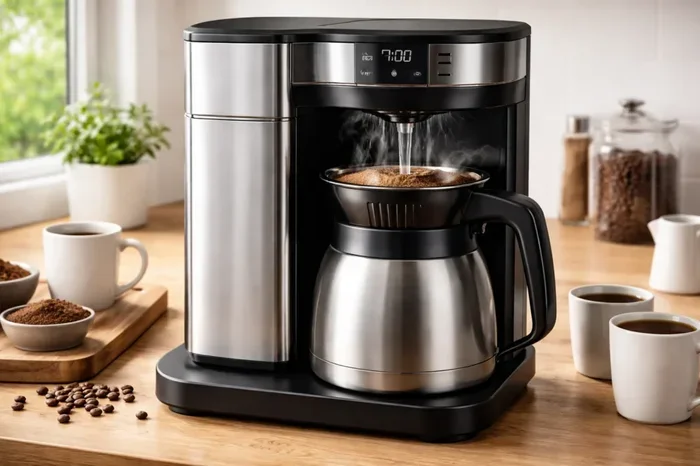
Visual guide about fresh coffee brewing in coffee maker
Image source: coffeegearhub.com
If your machine includes a scoop, check its size. Some scoops are smaller. Some are larger. If you use a scoop from a bag of pre-ground coffee, it may also vary. The safest habit is to compare your scoop with a measuring spoon once. That quick check saves you from guessing every morning.
Scoop Guide by Cup Count
Use this simple guide if you want scoop-based measurements:
- 1 cup: 1 scoop for bold, ½ scoop for mild
- 2 cups: 2 scoops for bold, 1 scoop for mild
- 4 cups: 4 scoops for bold, 2 scoops for mild
- 6 cups: 6 scoops for bold, 3 scoops for mild
Remember, these numbers assume a standard two-tablespoon scoop. If your scoop is smaller, you may need more. If it is larger, you may need less. The key is consistency. Once you find your preferred scoop count, repeat it.
When a Scale Beats a Scoop
A kitchen scale gives you the most repeatable results. If you want to measure coffee accurately, weigh your grounds. A common starting point is roughly 10 grams of coffee per six ounces of water. That is a clean, simple target. You can increase or decrease by a gram or two until the cup matches your taste.
Scales help most when you change beans, grind size, or brew style. Different beans pack differently in a scoop. A scale removes that guesswork. If you enjoy dialing in your brew, a small digital scale is a useful tool.
Measuring Coffee for Different Coffee Maker Types
Not every machine behaves the same. A standard drip machine, a single-serve brewer, and a percolator each have their own rhythm. If you wonder how much coffee do you put in a coffee maker for a specific style, the basic ratio still helps, but small adjustments improve the result.
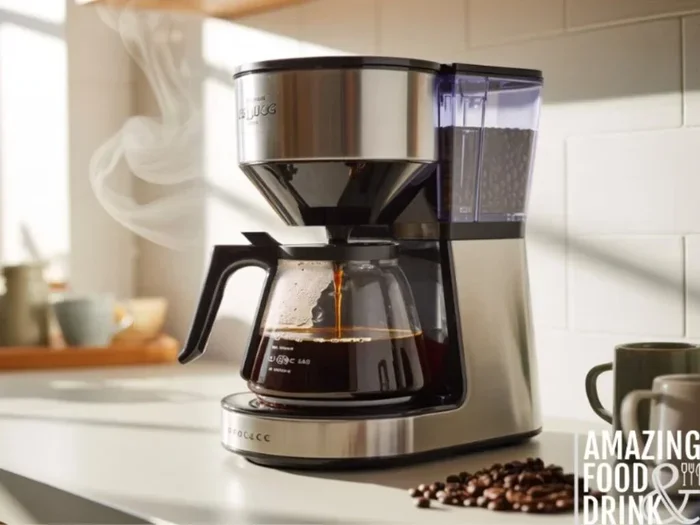
Visual guide about fresh coffee brewing in coffee maker
Image source: amazingfoodanddrink.com
Drip Coffee Makers
Drip machines are the most common home brewers. They work well with medium grind and the standard ratio. Pour the water into the reservoir, add the grounds to the filter, and let the machine do the work. Keep the basket clean so old oils do not affect the flavor.
If your drip coffee tastes flat, try adding a little more coffee before changing the water amount. If it tastes harsh, reduce the grounds slightly or use a coarser grind. Small changes often solve the problem faster than changing the whole routine.
Single-Serve Machines
Single-serve brewers usually use smaller water volumes. That means the cup size matters a lot. A small mug may need only one tablespoon or less. A larger travel mug may need more. Follow the machine’s cup markings, then adjust the coffee to match your taste.
Pod-based systems remove the measuring step, but they also limit control. If you want more strength, you can brew a smaller cup setting with the same pod, though results vary by machine. For more control, many people switch to ground coffee and measure it themselves.
Stove-Top and Percolator Styles
Some brewers still use heat and circulation instead of a standard drip cycle. If you use a percolator or similar setup, the coffee can become stronger quickly. Start with a moderate amount of grounds and taste the result. You can always add more next time.
For readers who want a deeper walkthrough on percolator brewing, how to make coffee in a stove top percolator offers a helpful step-by-step approach. Different tools can change the flavor, so it helps to learn the quirks of each method.
Adjusting Strength Without Wasting Coffee
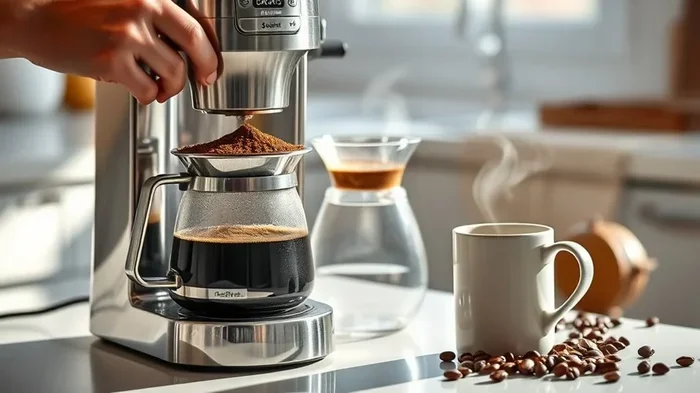
You do not need to remake your whole routine to change strength. Small adjustments work well. If your coffee feels weak, try these steps first:
Visual guide about fresh coffee brewing in coffee maker
Image source: coffeecherish.com
- Increase the coffee by half a tablespoon per cup
- Use a slightly finer grind, if your grinder allows
- Make sure the water volume matches the coffee amount
- Check that your beans are fresh and not stale
If your coffee feels too strong or bitter, try these steps:
- Reduce the coffee by half a tablespoon per cup
- Use a little more water for the same amount of grounds
- Choose a coarser grind to slow over-extraction
- Avoid leaving the coffee on a hot plate for too long
Taste changes slowly when you adjust in small steps. Big jumps can make the cup unpleasant. Gentle changes help you find the sweet spot without wasting beans.
Water Quality and Flavor
Water is part of the recipe, not just a carrier. Clean, filtered water usually tastes smoother than heavily mineralized tap water. If your coffee has an odd aftertaste, the water may be part of the reason. A simple filter pitcher or filtered faucet can improve the cup noticeably.
Temperature matters too. Most brewers heat water enough for extraction, but if your machine runs cool, the coffee may taste under-extracted and sour. If it runs very hot, the coffee may taste sharp. A well-balanced machine and a good ratio work together.
Common Mistakes When Measuring Coffee
Even simple brewing can go sideways if a few habits slip. Here are the most common mistakes people make when they ask how much coffee do you put in a coffee maker:
- Using inconsistent measures: Switching between scoops, spoons, and eyeballing creates uneven results.
- Ignoring cup size: A machine cup is often smaller than a standard mug, which throws off the ratio.
- Using the wrong grind: Too fine can cause bitterness. Too coarse can cause weak coffee.
- Old or stale grounds: Flat aroma usually means flat flavor.
- Overfilling the basket: Too many grounds can restrict water flow and create uneven brewing.
- Not cleaning the machine: Residue builds up and changes taste over time.
Quick Tips for Better Measurement
If you want a smoother routine, try these practical habits:
- Keep a small measuring spoon near your coffee station
- Mark your preferred ratio on a note or phone reminder
- Use the same grinder setting once you find a good one
- Pre-measure grounds for the week if you value speed
- Clean your filter basket and carafe regularly
These small habits save time and reduce guesswork. They also make it easier to repeat a great cup on busy mornings.
Expert Insight: Build Your Own Baseline
The best measurement is the one you can repeat. Start with the standard ratio, taste the result, and change one variable at a time. If you change the coffee amount, keep the water the same. If you change the grind, keep the coffee amount the same. That way, you know what improved the cup.
Many home brewers also find that different beans need slightly different handling. A dark roast can taste stronger even with the same amount of grounds. A light roast can taste brighter and lighter. So the best ratio is partly personal taste and partly bean character.
When to Change Your Ratio for Taste or Occasion
Your ideal measurement may shift depending on the moment. A quick morning mug may call for a dependable routine. A weekend cup may invite a little experimentation. If you are serving guests, you may want a balanced brew that appeals to more people.
Think about how you drink coffee. If you add milk, a slightly stronger brew often holds up better. If you drink it black, you may prefer a smoother, more nuanced cup. If you brew a full pot and sip from it for hours, a moderate strength may taste best as the coffee cools.
If you ever upgrade your setup, you may also want to compare machines. A newer brewer with better temperature control can change how your usual ratio tastes. For example, if you are shopping for a more convenient setup, best coffee maker one cup at a time can point you toward compact options that suit smaller households. If you want a more complete setup, best all in one coffee and espresso maker may help you explore machines that handle more than basic drip coffee.
Final Thoughts on Getting the Measurement Right
So, how much coffee do you put in a coffee maker? Start with one to two tablespoons per six ounces of water, then adjust to your taste. Use a consistent scoop or a scale. Pay attention to grind size, water quality, and cleanliness. Small changes can make a big difference.
The best part is that you do not need to master everything at once. Pick a baseline. Brew it a few times. Notice what you like. Then fine-tune from there. Once you find your favorite balance, making coffee becomes simple, steady, and much more enjoyable.
Frequently Asked Questions
How much coffee should I use for a 12-cup coffee maker?
For a 12-cup coffee maker, start with 12 to 24 tablespoons of ground coffee, depending on how strong you want the brew. That is roughly ¾ to 1½ cups of coffee grounds. If you use a standard scoop, this equals about 6 to 12 scoops. Adjust in small steps until the taste feels right.
Is one scoop of coffee enough for one cup?
It depends on the scoop size and the cup size. If your scoop holds two tablespoons and your cup is six ounces, one scoop usually makes a strong cup. For a milder cup, use half a scoop. For a larger mug, you may need more coffee to keep the flavor balanced.
How do I make coffee stronger without making it bitter?
Increase the coffee amount in small steps instead of adding a large amount at once. Use fresh grounds, a medium grind, and clean water. Also, avoid letting the coffee sit on a hot plate for too long, since that can add bitterness more than extra strength.
Can I use a kitchen scale instead of scoops?
Yes, and a scale can be very helpful if you want repeatable results. A simple starting point is about 10 grams of coffee per six ounces of water. Weighing removes the variation that happens when grounds pack differently in a scoop.
What grind size works best for a standard coffee maker?
A medium grind usually works best for most drip coffee makers. It lets water flow evenly and extract flavor without pulling too many bitter compounds. If the coffee tastes weak, try a slightly finer grind. If it tastes harsh, try a slightly coarser grind.
Why does my coffee taste weak even when I use the right amount?
Weak coffee can happen for a few reasons, including stale grounds, too much water, a grind that is too coarse, or a machine that does not brew hot enough. Check the freshness of your coffee first, then make sure your water measurement matches your coffee measurement. Small adjustments usually improve the cup quickly.