
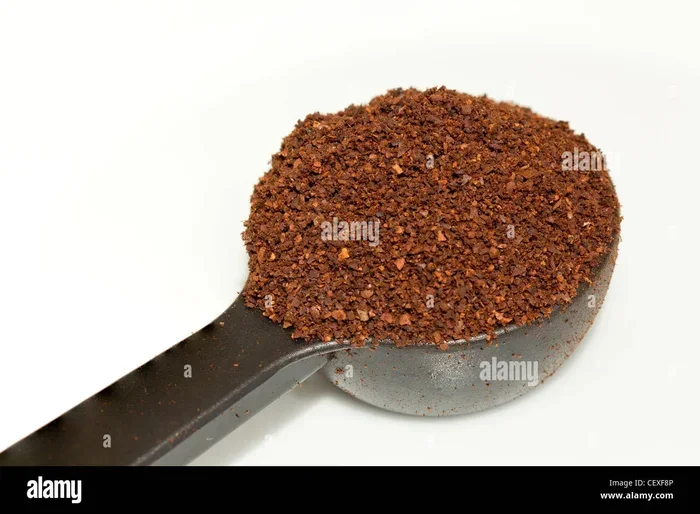
Brewing great coffee starts with the right amount of coffee grounds. Most experts recommend a standard coffee ratio of 1:16 for balanced flavor. Too little grounds make weak coffee, while too much creates a bitter taste. This guide explains exact measurements, brewing ratios, and simple tips to help you make perfect coffee at home every single day.
Key Takeaways
- Golden Ratio: Use a 1:16 coffee-to-water ratio for balanced flavor.
- Standard Scoop: One tablespoon of grounds equals roughly 5 grams.
- Grind Size Matters: Finer grinds extract faster, coarser grinds need more time.
- Brew Method Changes Needs: French press, drip, and espresso all need different amounts.
- Freshness Counts: Store beans properly to keep flavor strong.
- Taste Over Rules: Adjust amounts based on your personal preference.
- Consistency Wins: Use a scale for repeatable, delicious results.
📑 Table of Contents
Why How Much Coffee Grounds to Use Matters
Coffee is simple, but small changes make a big difference. The amount of grounds you use controls strength, flavor, and aroma. Too little coffee makes a watery cup. Too much coffee creates a harsh, bitter drink. Many people guess the amount each morning. That habit leads to uneven results. A steady routine gives you better coffee every time.
The right amount also saves money. You do not waste beans on bad brews. You also avoid buying extra filters or cleaning supplies for messy mistakes. When you learn a simple ratio, brewing becomes easy. You can make a smooth cup, a bold cup, or a mild cup with confidence.
This guide explains clear measurements, practical ratios, and easy adjustments. You will learn how to match your brew method to the right amount of grounds. You will also see how grind size, water quality, and freshness affect the final taste.
Understanding the Coffee Grounds Ratio
A ratio is the easiest way to measure coffee. It tells you how much coffee to use for a certain amount of water. The most common starting point is a 1:16 ratio. That means one gram of coffee for every sixteen grams of water. This ratio works well for many brew methods. You can change it later to fit your taste.
Visual guide about fresh coffee grounds in scoop
Image source: static.vecteezy.com
Some people prefer a stronger cup. They move to a 1:14 ratio. Others want a lighter cup. They try a 1:18 ratio. These small shifts change the flavor without making the coffee undrinkable. The key is to keep your water amount steady and adjust the grounds slowly.
Here is a simple comparison to help you choose a starting point:
| Ratio | Strength | Best For |
|---|---|---|
| 1:14 | Bold | Dark roast lovers, morning energy |
| 1:16 | Balanced | Most drip coffee and pour-over |
| 1:18 | Light | Delicate beans, mild flavor seekers |
If you use a scale, weigh both the coffee and the water. This removes guesswork. If you do not have a scale, use standard spoons and cups. The results will be close enough for daily brewing.
How Much Coffee Grounds Per Cup
A “cup” can mean different things. Some coffee makers define a cup as six ounces. Others use eight ounces. This difference confuses many people. To keep things simple, start with eight ounces of water. That is about one standard mug.
Visual guide about fresh coffee grounds in scoop
Image source: image.shutterstock.com
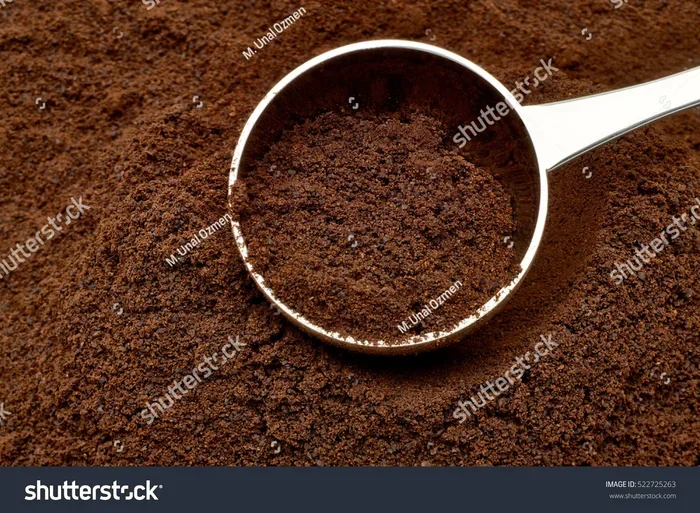
For one eight-ounce cup, use about 15 grams of coffee grounds. If you measure by volume, that is roughly three level tablespoons. This amount creates a balanced cup for most people. You can go down to two tablespoons for a milder taste. You can go up to four tablespoons for a stronger cup.
Here is a quick guide for common mug sizes:
- Small cup (6 oz): About 11 grams or 2 level tablespoons
- Standard mug (8 oz): About 15 grams or 3 level tablespoons
- Large mug (12 oz): About 22 grams or 4.5 level tablespoons
These numbers are starting points. Your taste may differ. If the coffee tastes thin, add a little more grounds next time. If it tastes too strong, use a little less. Small changes work better than big jumps.
Measuring Coffee Grounds Without a Scale
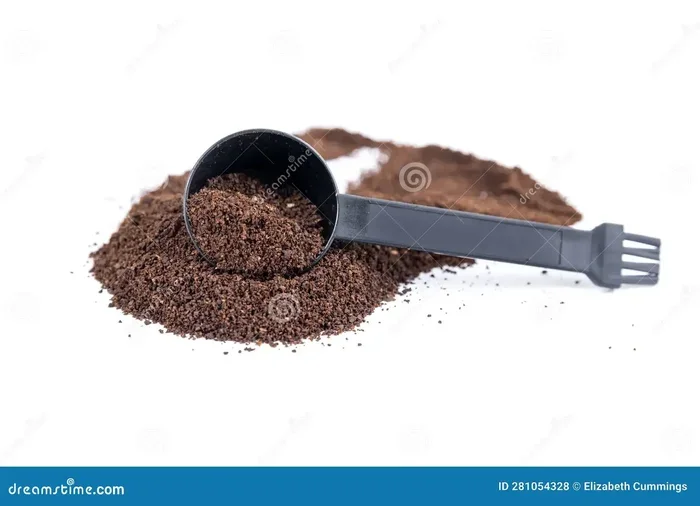
Not everyone owns a kitchen scale. That is fine. You can still brew great coffee with simple tools. The most common tool is the tablespoon. One level tablespoon of coffee grounds usually weighs about 5 grams. This is a useful rule for quick measuring.
Visual guide about fresh coffee grounds in scoop
Image source: thumbs.dreamstime.com
A standard coffee scoop often equals two tablespoons. That means one scoop is about 10 grams. If your scoop looks different, check the markings or test it with water. You can also use the “same size” trick. Keep your spoon level and do not pack the grounds down. Packing changes the weight and can make the coffee stronger than expected.
Here are practical measuring tips:
- Use the same spoon every time
- Keep the grounds level, not heaped
- Do not press or pack the coffee
- Count scoops instead of guessing
- Write down your favorite amount for repeat brews
If you want better consistency, a small digital scale is a smart investment. It helps you repeat the same brew daily. It also makes it easier to test new ratios without confusion.
Adjusting Coffee Grounds for Different Brew Methods
Different brewing methods need different amounts of coffee. A French press, drip machine, pour-over, and espresso machine all extract coffee in different ways. The right amount of grounds helps each method work properly.
French Press
A French press uses immersion brewing. The coffee sits in hot water for several minutes. This method usually needs a coarser grind and a slightly higher coffee amount. A good starting ratio is 1:15. For a large 34-ounce press, use about 55 grams of coffee and 825 grams of water. If you measure by tablespoons, that is about 11 level tablespoons.
Drip Coffee
Drip coffee is one of the most common home methods. It works well with a 1:16 ratio. For a standard 12-cup machine, many people use around 100 grams of coffee for 1,600 grams of water. That is about 20 tablespoons. If your machine has its own basket lines, follow those marks first, then adjust based on taste.
Pour-Over
Pour-over coffee gives you more control. You pour hot water over the grounds by hand. This method often shines with a 1:16 ratio too. For a single cup, use 15 grams of coffee and 240 grams of water. A medium grind usually works best. A steady pour helps the coffee extract evenly.
Espresso
Espresso uses pressure and a short brew time. It needs a fine grind and a smaller serving size. A single shot often uses about 18 grams of coffee for a double shot of liquid. Espresso is strong by design, so the amount of grounds is higher relative to the water. If you make espresso at home, follow your machine’s guidance and adjust slowly.
Common Mistakes When Measuring Coffee Grounds
Even simple brewing can go wrong if the basics are off. Here are the most common mistakes people make when they measure coffee grounds.
- Using inconsistent spoons: Different spoons change the amount every time.
- Scooping without leveling: Heaped spoons add extra coffee and make the cup stronger.
- Ignoring grind size: Fine grind and coarse grind behave differently in water.
- Changing too many things at once: Adjust only the grounds or only the water first.
- Using stale coffee: Old beans lose flavor, so the cup tastes weak even with more grounds.
- Assuming all machines are the same: Basket size, filter type, and brew time all matter.
If your coffee tastes odd, check the basics first. Look at the amount of grounds. Check the water amount. Think about the grind. Then make one small change and test again.
Expert Tips for Better Coffee Measurement
Small habits create big improvements. If you want reliable coffee, build a simple routine. Keep your tools clean. Use fresh beans. Measure the same way each day. These steps help you notice real changes instead of random ones.
Water quality matters too. Hard water can dull flavor. Very soft water can make coffee taste flat. Clean, fresh water usually gives the best result. If your tap water tastes strong, try filtered water.
Storage also affects flavor. Coffee loses aroma when it sits in open bags. Keep beans in a sealed container away from heat and light. If you want to keep your kitchen tools and supplies in good shape, learn how to organize your kitchen pantry so your coffee, filters, and other essentials stay fresh and easy to find.
For many home brewers, consistency is the real goal. Once you find a ratio you like, write it down. Note the bean type, grind size, water amount, and brew time. Over time, you will build a personal recipe that tastes great every morning.
FAQ
How much coffee grounds should I use for one cup?
For a standard 8-ounce cup, use about 15 grams of coffee grounds or 3 level tablespoons. If you want a milder cup, try 2 tablespoons. If you want a stronger cup, try 4 tablespoons.
How much coffee grounds for 12 cups?
For a 12-cup brew, use about 100 grams of coffee or 20 level tablespoons if you follow a 1:16 ratio. This amount makes a balanced pot for most drip machines. Adjust slightly if your machine uses a different cup size.
How many tablespoons of coffee grounds per cup?
A good starting point is 3 level tablespoons for an 8-ounce cup. Two tablespoons work for a lighter cup. Four tablespoons work for a bolder cup. Keep your spoon level for consistent results.
How much coffee grounds for French press?
Use about 1 gram of coffee for every 15 grams of water for a bold, balanced cup. For a 34-ounce French press, that is around 55 grams of coffee or about 11 level tablespoons. A coarse grind usually works best.
How much coffee grounds for pour-over?
Start with 15 grams of coffee for 240 grams of water. That is about 1:16 ratio and works well for one cup. Use a medium grind and pour slowly for even extraction.
How much coffee grounds for espresso?
A double espresso usually uses about 18 grams of coffee. Espresso is concentrated, so it uses more grounds in a smaller serving. Fine grind and proper tamping help the shot extract evenly.



