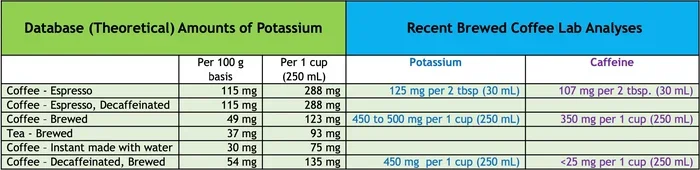
A typical cup of black coffee contains about 116 milligrams of potassium, making it a surprising but meaningful source of this essential mineral. While potassium in coffee varies by bean type, roast, and brewing method, it can support heart health and muscle function when consumed in moderation. Understanding how much potassium is in coffee helps you make smarter daily choices for your diet and overall wellness.
Most people think of coffee as a morning wake-up drink, but it also carries a quiet nutritional bonus. How much potassium is in coffee depends on a few simple factors, and the answer might surprise you. A standard cup gives you a modest boost of this vital mineral, which helps your nerves fire, your muscles contract, and your heart keep a steady rhythm. If you drink coffee daily, those small amounts add up over time.
Potassium works behind the scenes to balance fluids, support healthy blood pressure, and help your body use energy efficiently. Many folks focus on bananas, spinach, and potatoes when they think about potassium, yet your coffee mug also plays a small role. The exact number shifts with the bean, the roast, the grind, and the way you brew it. Even the water you use can nudge the final count up or down.
In this guide, we will break down the numbers in plain language. You will see how different cups compare, why roast and brewing matter, and how coffee fits into a balanced diet. We will also share practical tips so you can enjoy your favorite drink while keeping your mineral intake on track. Let us dive in and make sense of potassium in coffee once and for all.
Key Takeaways
- Potassium content varies: An 8-ounce cup of black coffee typically provides 116 milligrams of potassium, though brew strength and bean origin shift the numbers.
- Roast level matters: Lighter roasts retain slightly more potassium than darker roasts due to shorter heat exposure and less mineral breakdown.
- Brewing method changes results: Drip coffee, French press, and espresso extract different amounts of potassium, with longer contact time generally yielding higher levels.
- Coffee supports daily potassium needs: While not a primary source, regular coffee consumption contributes to your overall intake and pairs well with potassium-rich foods.
- Health considerations apply: People with kidney conditions or on certain medications should monitor potassium intake and consult a healthcare provider.
- Add-ins alter the profile: Milk, cream, sugar, and flavored syrups change the nutritional makeup, so plain black coffee delivers the cleanest potassium reading.
- Balance is key: Enjoying coffee as part of a varied diet helps you benefit from its antioxidants and minerals without overconsuming caffeine or potassium.
📑 Table of Contents
Understanding How Much Potassium Is in Coffee
Before we look at specific numbers, it helps to know what potassium actually does in the body. This mineral is an electrolyte, which means it carries an electric charge that helps cells communicate. Your muscles need it to move, your heart needs it to beat steadily, and your kidneys use it to manage fluid balance. When you sip coffee, you are not just getting caffeine and flavor. You are also taking in a small stream of this important nutrient.
The most common question is simple: how much potassium is in coffee on average? For a standard 8-ounce cup of black coffee, the number usually lands around 116 milligrams. That amount can range from roughly 100 to 150 milligrams depending on several variables. It is not a huge dose compared with a banana or a baked potato, but it is meaningful when you drink coffee regularly. Over a week, those cups can contribute a noticeable slice of your daily target.
A few quick facts help frame the picture:
- Black coffee is the baseline: Plain brewed coffee gives you the cleanest reading without extra ingredients changing the mix.
- Serving size changes everything: A small mug and a large travel tumbler will deliver different totals, so always think in terms of ounces.
- Daily goals matter: Most adults aim for around 2,600 to 3,400 milligrams of potassium per day, so coffee is a helper, not the whole story.
- Consistency counts: If you drink similar brews each day, your potassium intake from coffee stays fairly steady.
It is also worth noting that coffee contains other minerals in small amounts, such as magnesium and trace sodium. These work together with potassium to support normal body functions. When people ask about potassium in coffee, they often care about the bigger picture of hydration, energy, and balanced nutrition. Thinking of coffee as one piece of your daily diet makes the numbers easier to use.
The Role of Potassium in Your Daily Diet
Potassium is one of those nutrients that rarely gets the spotlight, yet it does a lot of heavy lifting. It helps move nutrients into cells and waste products out of cells. It supports healthy nerve signals, which is why muscle cramps sometimes connect to low potassium levels. It also helps your body manage sodium, which plays a part in blood pressure control. A steady intake of potassium-rich foods and drinks can make daily life feel smoother.

Visual guide about fresh coffee beans and potassium
Image source: magnesiumsleep.uk
Most people get potassium from a mix of fruits, vegetables, beans, dairy, and grains. Bananas, oranges, potatoes, sweet potatoes, spinach, tomatoes, and yogurt are all well-known sources. Beans and lentils also bring a solid amount to the table. When you add coffee to this mix, you are getting a small but steady contribution that fits easily into a normal routine. The key is balance, not relying on any single item to do all the work.
Here is why potassium matters in everyday terms:
- Heart rhythm: Potassium helps keep the heart beating in a steady pattern, which supports long-term cardiovascular health.
- Muscle function: Your muscles use potassium to contract and relax, which matters for everything from walking to lifting groceries.
- Fluid balance: This mineral helps your body hold onto the right amount of water and excrete what it does not need.
- Blood pressure support: A diet with adequate potassium can help counter some effects of sodium and support healthy pressure levels.
If you are trying to improve your diet, it helps to look at the full day instead of one meal or one drink. A cup of coffee in the morning, a leafy salad at lunch, and a banana or yogurt as a snack can all contribute. Potassium in coffee is just one thread in a larger fabric. When you build habits around variety, you give your body a broader range of nutrients without overthinking every bite.
Coffee Types and Their Potassium Levels
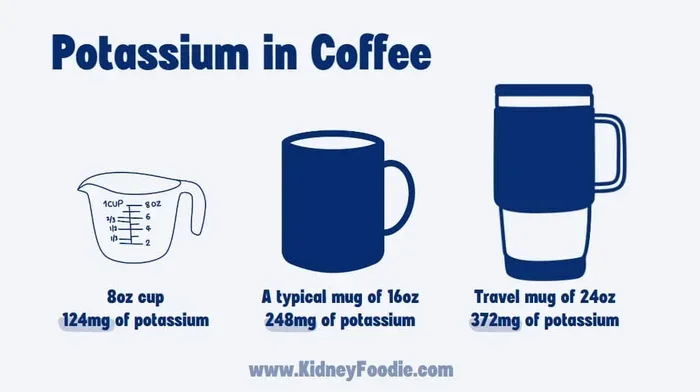
Not every cup looks the same on paper. The bean variety, the roast, the grind, and the brew all shape the final mineral content. If you want a clearer sense of how much potassium is in coffee across different styles, it helps to compare the most common options side by side. Below is a simple table that shows typical ranges for plain black coffee in different forms.
Visual guide about fresh coffee beans and potassium
Image source: kidneyfoodie.com
| Coffee Type | Serving Size | Approximate Potassium | Notes |
|---|---|---|---|
| Standard Drip Coffee | 8 oz | 116 mg | Most common baseline; varies with brew time and coffee-to-water ratio |
| Light Roast Drip | 8 oz | 120-130 mg | Slightly higher due to shorter heat exposure and denser beans |
| Dark Roast Drip | 8 oz | 100-115 mg | A bit lower because longer roasting can reduce some mineral content |
| French Press | 8 oz | 115-130 mg | Full immersion can extract a touch more from the grounds |
| Espresso | 1 oz shot | 15-25 mg | Small volume, so total potassium per shot is modest |
| Instant Coffee | 8 oz | 80-100 mg | Often a bit lower due to processing and dehydration steps |
As you can see, the differences are real but not dramatic. A light roast may edge out a dark roast by a small margin, and a French press can nudge the number upward compared with a quick drip. Espresso looks low per shot, but many people drink more than one shot or combine it with water, which changes the total. Instant coffee tends to sit a little lower, though it still contributes something useful.
Bean Origin and Processing
Where the beans grow and how they are processed can also influence the final cup. Soil conditions, climate, and farming practices affect the mineral profile of the coffee cherry before it is even roasted. Washed beans and natural-process beans can taste different, and they may carry slightly different mineral traces as well. These differences are subtle, so you do not need to stress over them, but they explain why two cups can never be perfectly identical.
If you enjoy experimenting, try comparing two roasts from the same roaster. Keep the brew method the same and notice whether the lighter roast tastes brighter and the darker roast tastes deeper. While you are at it, remember that potassium in coffee follows a similar pattern: small shifts, not huge swings. This makes coffee a reliable everyday contributor rather than a wild card.
Brew Strength and Coffee-to-Water Ratio
The ratio of coffee grounds to water changes both flavor and mineral extraction. A stronger brew uses more grounds, which generally pulls out more compounds from the beans. That can mean a bit more potassium in the final cup, along with more caffeine and bolder taste. A lighter brew uses fewer grounds, so the mineral content sits a little lower. If you like a robust mug, you may be getting a touch more potassium without even thinking about it.
This is also why home brewing can feel so personal. You can tweak the ratio, the grind, and the brew time to match your taste. If you want a consistent potassium intake from coffee, keep your recipe steady. If you want to slightly raise or lower it, adjust the strength in small steps. Small changes add up, and they let you customize your routine without drama.
How Brewing Methods Affect Potassium Content
The way you brew coffee changes how water moves through the grounds and what it carries into your cup. Some methods use a quick pass of water, while others let the grounds soak for several minutes. Longer contact usually means more extraction, which can include more potassium. That said, the differences stay within a reasonable range, so you can choose the method you enjoy most and still expect a helpful amount.
Visual guide about fresh coffee beans and potassium
Image source: magnesiumsleep.uk
Drip coffee is the most familiar method for many households. Water flows through a filter and extracts flavor and minerals along the way. A standard batch usually lands near the common baseline for how much potassium is in coffee. If you use a reusable filter or a metal filter instead of paper, the cup may carry a few more solids, which can slightly raise the mineral content. Paper filters catch more oils and fine particles, which can make the cup cleaner but a little lighter in trace compounds.
Immersion methods like the French press let grounds steep in water for several minutes. This longer bath can draw out a touch more from the beans, including slightly more potassium. The result is a fuller-bodied cup with a richer mouthfeel. If you prefer a bold mug, this method gives you that character and a small mineral bump as a bonus. Just remember to press gently and serve soon for the best flavor.
Espresso uses pressure and a short extraction time, which creates a concentrated shot. Because the serving is small, the total potassium per shot is modest. Still, espresso is a building block for many drinks, and the concentration means the potassium per ounce is actually fairly respectable. If you drink a larger espresso-based beverage, the total can rise, though milk and sweeteners will change the final nutritional picture.
Quick Tips for Brew Consistency
- Keep your ratio steady: Use the same scoops or scale measurements each time for a predictable cup.
- Watch the grind: A consistent grind helps water extract evenly, which keeps flavor and mineral levels more stable.
- Mind the water: Filtered water tastes cleaner and can help your brew taste the same from day to day.
- Track your serving: Use the same mug so you know whether you are drinking 8 ounces or more.
Health Considerations and Daily Intake Goals
For most healthy adults, the potassium in coffee is a gentle bonus, not a concern. The bigger conversation is usually about caffeine, sleep, and overall balance. If you enjoy a few cups a day, the potassium adds up in a helpful way, especially when your meals already include fruits, vegetables, and other nutrient-dense foods. The goal is not to chase a perfect number in every cup, but to support your body across the whole day.
Some people need to pay closer attention to potassium for medical reasons. Kidney conditions, certain medications, and specific health concerns can change how the body handles this mineral. If that sounds like your situation, it is wise to talk with a healthcare provider about potassium in coffee and whether your usual intake fits your needs. Personalized guidance matters more than general averages when health conditions are involved.
A few practical points can help you keep things in balance:
- Know your baseline: A plain cup gives you a reliable starting point, so use that as your reference when comparing drinks.
- Pair coffee with food: Eating a banana, yogurt, or oatmeal with your coffee can round out your mineral intake and soften the caffeine edge.
- Stay hydrated: Water still matters most, so keep coffee as one part of a well-hydrated day.
- Listen to your body: If you feel jittery, tired, or off balance, adjust your routine and see what helps.
Common Mistakes to Avoid
It is easy to assume that coffee is either a miracle source or nothing to worry about. The truth sits in the middle. Coffee contributes a modest amount of potassium, and that is useful, but it does not replace a balanced diet. Another common mistake is forgetting that add-ins change the profile. Milk, cream, flavored syrups, and sugar do not remove potassium, but they do change the overall nutrition of the drink. If you want the cleanest reading, black coffee is the simplest reference point.
People also sometimes overlook serving size. A giant mug can double the numbers without doubling the enjoyment. If you are tracking intake for any reason, measure your cup once or twice so you know what you are actually drinking. Small awareness steps make a big difference over time.
Practical Tips for Coffee Lovers Tracking Potassium
If you want to make coffee work nicely with your nutrition goals, a few simple habits go a long way. First, pick a default brew and keep it consistent for a while. That gives you a known baseline for how much potassium is in coffee in your kitchen. Once you know your usual cup, you can adjust in small ways if you want more or less.
Second, think about the rest of your day. If your meals already include potassium-rich foods, your coffee is a nice extra. If your diet is light on produce, your coffee can still help, but it works best alongside better food choices. A simple breakfast with fruit, nuts, or dairy can pair well with your mug and create a more complete nutrient picture.
Third, keep the fun in it. Coffee is one of life’s small pleasures, and nutrition should support that joy, not replace it. You do not need to measure every mineral in every cup. Use the big picture, make gentle adjustments, and enjoy the ritual. Here are a few easy ideas:
- Try a light roast: If you want a slightly higher potassium reading, a lighter roast can edge ahead of a dark roast.
- Use a steady ratio: A consistent recipe keeps your cup predictable from morning to morning.
- Add a fruit side: A banana, orange, or berries can complement your coffee and boost potassium naturally.
- Rotate methods: If you enjoy variety, try a French press one day and drip the next, and notice how the body and taste respond.
Expert Insights on Coffee and Minerals
Nutrition experts often remind us that small sources add up. A drink that gives you a little potassium, a little magnesium, and a little hydration is still a helpful part of a routine. The antioxidants in coffee also get attention for their role in overall wellness, and many people appreciate the mental boost that comes with a good cup. When you look at coffee as a daily companion rather than a magic solution, it becomes easier to enjoy it wisely.
Another helpful insight is that consistency beats perfection. If your usual cup gives you around 116 milligrams of potassium, that is a fine anchor. You do not need to chase a higher number every day. Instead, build a pattern that includes a variety of foods, enough water, and a coffee routine you actually look forward to. That balanced approach tends to feel better and last longer.
Conclusion
So, how much potassium is in coffee? For a standard 8-ounce cup of black coffee, you can expect around 116 milligrams, with small changes based on roast, brew, and serving size. That amount will not transform your diet on its own, but it does add a helpful contribution to your daily intake. When you combine coffee with potassium-rich foods and a balanced routine, you give your body a steady stream of support for heart health, muscle function, and fluid balance.
The best part is that you do not need to overcomplicate it. Pick a brew you enjoy, keep your servings consistent, and let coffee be one helpful piece of a varied diet. If you have specific health concerns, a quick conversation with a healthcare provider can help you tailor your habits. Otherwise, sip confidently, enjoy the ritual, and know that potassium in coffee is a small but real benefit hiding in your favorite morning mug.
Frequently Asked Questions
How much potassium is in a cup of black coffee?
A standard 8-ounce cup of black coffee usually contains about 116 milligrams of potassium, though the exact amount can vary with the bean, roast, and brew method. This makes coffee a modest but useful contributor to your daily intake.
Does a light roast have more potassium than a dark roast?
Yes, light roasts often retain slightly more potassium than dark roasts because they spend less time under high heat. The difference is small, so both roasts still contribute meaningfully to your diet.
Does espresso have less potassium than drip coffee?
Espresso has less total potassium per shot because the serving is much smaller, usually around 1 to 2 ounces. However, the potassium per ounce can be fairly concentrated, so the total depends on how many shots you drink.
Can coffee help me meet my daily potassium needs?
Coffee can help a little, especially if you drink it regularly, but it should not be your main source of potassium. Fruits, vegetables, beans, and dairy are stronger sources, so think of coffee as a helpful addition rather than the whole plan.
Do milk or sugar change the potassium in coffee?
Milk adds its own potassium, while sugar and flavored syrups mainly change the calorie and carbohydrate profile. If you want the simplest baseline, black coffee gives you the cleanest reading, but a little milk can also raise the total slightly.
Should people with kidney issues watch potassium in coffee?
People with kidney conditions or certain medical concerns may need to monitor potassium more closely, including what they get from coffee. It is best to talk with a healthcare provider to decide what amount fits your personal health needs.