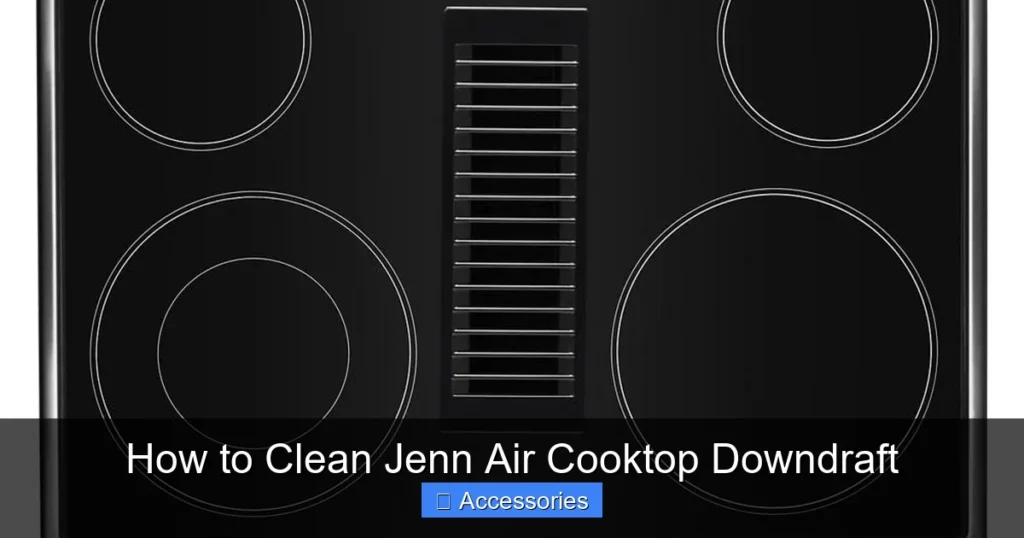
Keeping your Jenn Air cooktop downdraft clean doesn’t have to be a chore. With the right tools and routine, you can maintain a spotless, professional-looking surface that works as well as it looks. This guide walks you through safe, effective cleaning steps tailored specifically for Jenn Air models, helping prevent buildup and extend the life of your appliance.
Keeping your kitchen looking fresh and functioning smoothly often comes down to one thing: regular cleaning. And if you own a Jenn Air cooktop downdraft, you know how important it is to keep both the cooking surface and the ventilation system in top shape. These sleek appliances combine high-performance burners with powerful downdraft vents designed to pull smoke, steam, and odors directly downward—no hood required. But with great power (and convenience) comes greater responsibility when it comes to upkeep.
Unlike traditional stovetops under a fixed hood, Jenn Air downdraft systems sit flush with countertops, making them more susceptible to splatters and spills. Over time, grease can harden, food particles may clog vents, and mineral deposits might form—especially in areas exposed to water and heat. That’s why knowing how to properly clean your Jenn Air cooktop downdraft isn’t just about aesthetics; it’s essential for safety, efficiency, and longevity.
In this comprehensive guide, we’ll walk you through everything from daily wipe-downs to monthly deep cleans. You’ll learn which cleaners are safe, how to tackle stubborn stains without scratching, and why proper maintenance keeps your downdraft running like new. Whether you’re dealing with burnt-on carbon or just want to prevent future messes, these tips will help you preserve the beauty and performance of your Jenn Air cooktop downdraft for years to come.
Key Takeaways
- Always unplug or turn off power: Safety first when cleaning any electrical appliance, especially one with moving parts like a downdraft system.
- Remove grates and burner caps carefully: These components trap grease and food residue—handle them gently to avoid damage.
- Use non-abrasive cleaners: Harsh scrubbers can scratch delicate surfaces; opt for mild soap, baking soda paste, or specialized cooktop cleaners.
- Clean the vent motor housing regularly: Dust and debris in the motor area reduce airflow efficiency and can trigger overheating warnings.
- Schedule monthly deep cleans: Preventing buildup is easier than removing it later—set a reminder to maintain peak performance.
- Check manufacturer guidelines: Always refer to your user manual for model-specific instructions on cleaning and maintenance.
- Reassemble correctly after cleaning: Misaligned parts can cause poor suction or uneven heating—take your time during reinstallation.
📑 Table of Contents
- Gathering Your Cleaning Supplies
- Step-by-Step Guide: Daily Maintenance Routine
- Deep Cleaning the Burner Grates and Caps
- Tackling Stubborn Stains and Mineral Buildup
- Maintaining the Downdraft Ventilation System
- Preventative Tips for Long-Term Care
- When to Call a Professional
- Final Thoughts: Cleanliness Equals Performance
Gathering Your Cleaning Supplies
Before you begin, make sure you have all the necessary supplies within reach. Using the wrong materials can damage your cooktop or leave behind streaks and residue. Here’s what you’ll need:
– Microfiber cloths (lint-free and soft)
– Mild dish soap or ammonia-free glass cleaner
– Baking soda
– White vinegar
– Soft-bristle brush or old toothbrush
– Plastic scraper or credit card (for plastic surfaces only—never metal blades)
– Bucket of warm water
– Vacuum with brush attachment (optional but helpful)
Avoid using steel wool, abrasive powders, or harsh chemical cleaners like bleach near your Jenn Air cooktop downdraft. These can dull the finish, strip protective coatings, or even warp certain components. Stick to gentle, pH-neutral solutions unless otherwise specified in your owner’s manual.
If you frequently cook oily or greasy foods, consider keeping a dedicated microfiber cloth handy for quick post-meal wipe-downs. Prevention goes a long way in reducing the need for heavy-duty cleaning later.
Step-by-Step Guide: Daily Maintenance Routine
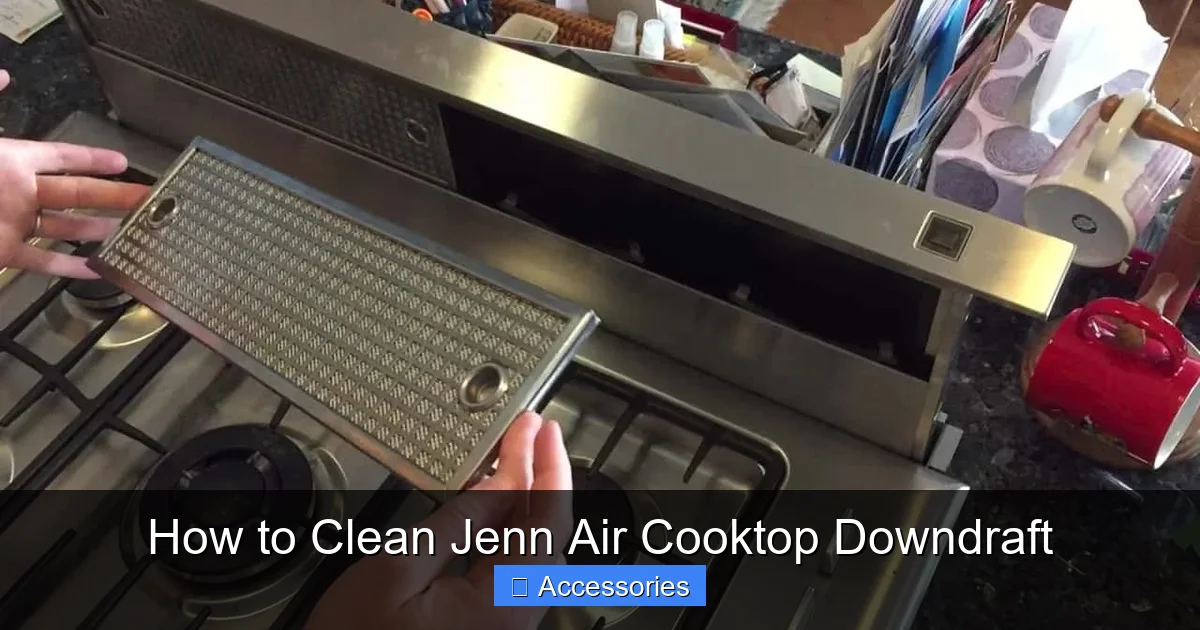
Visual guide about How to Clean Jenn Air Cooktop Downdraft
Image source: cleanestor.com
Daily care takes just a few minutes and makes a big difference over time. After each use, follow these simple steps:
- Let the surface cool completely: Never clean a hot surface—it could crack or discolor.
- Wipe away loose debris: Use a dry microfiber cloth to remove crumbs or dust.
- Spray a small amount of cleaner: A few drops of dish soap mixed with water work well. Avoid oversaturating.
- Wipe in circular motions: This lifts grime without dragging it across the surface.
- Rinse with a damp cloth: Remove any soap residue to prevent streaks.
- Dry thoroughly: Moisture left behind can lead to water spots or mineral buildup.
For glass-top models, you can also use diluted white vinegar (1 part vinegar to 3 parts water) to cut through light grease. Just spray lightly and buff with a clean cloth until shiny.
Remember: consistency beats intensity. Spending five minutes after dinner is far better than waiting weeks—and then trying to scrub away baked-on messes.
Deep Cleaning the Burner Grates and Caps
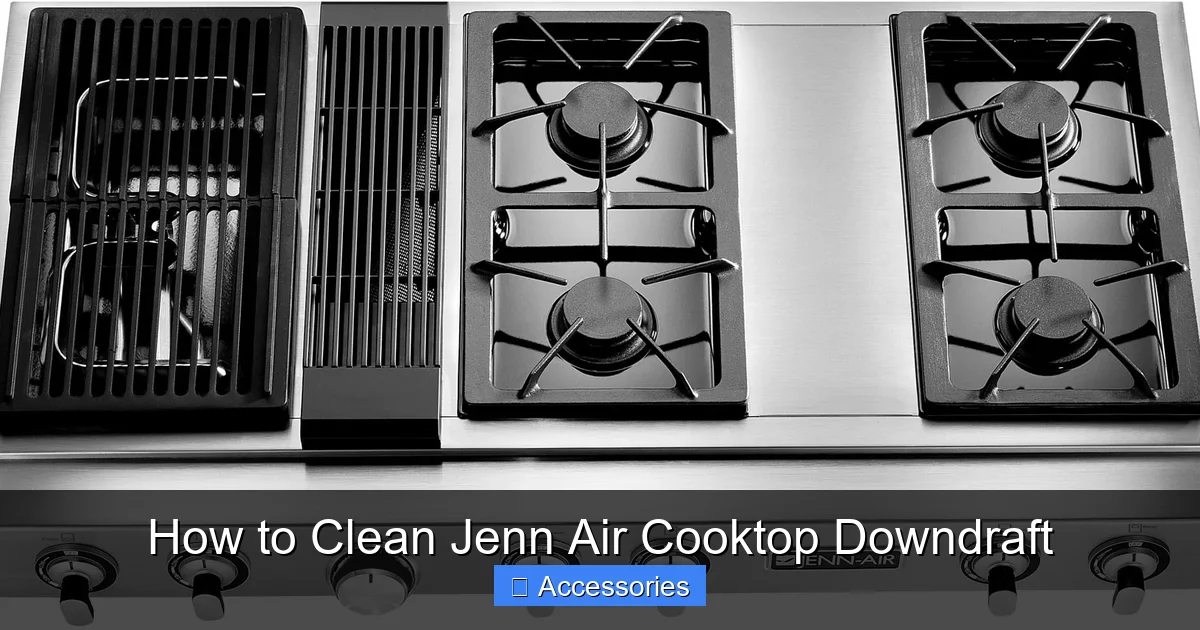
Visual guide about How to Clean Jenn Air Cooktop Downdraft
Image source: ajmadison.com
The grates and burner caps are where most grease collects, so they deserve special attention during deeper cleans. Follow this process carefully:
- Turn off gas supply (if applicable): Safety always comes first. For electric models, unplug the unit.
- Remove grates and caps: Lift them straight up—don’t twist or force them. Some models have locking mechanisms; consult your manual if unsure.
- Soak in warm soapy water: Fill a basin with hot water and a drop of dish soap. Let soak for 15–20 minutes.
- Scrub gently with a brush: Focus on crevices where grease hides. A nylon brush works better than metal.
- Rinse and dry completely: Any leftover moisture can cause rust or warping.
- Reinstall carefully: Align notches and ensure everything sits flat before turning power back on.
Pro tip: If your burner caps are made of cast iron, you can even place them in the oven at 250°F (120°C) for 10 minutes to loosen hardened grease—just let them cool before handling.
Never submerge electronic ignition modules or wiring components in water. Keep those parts dry at all times.
Tackling Stubborn Stains and Mineral Buildup
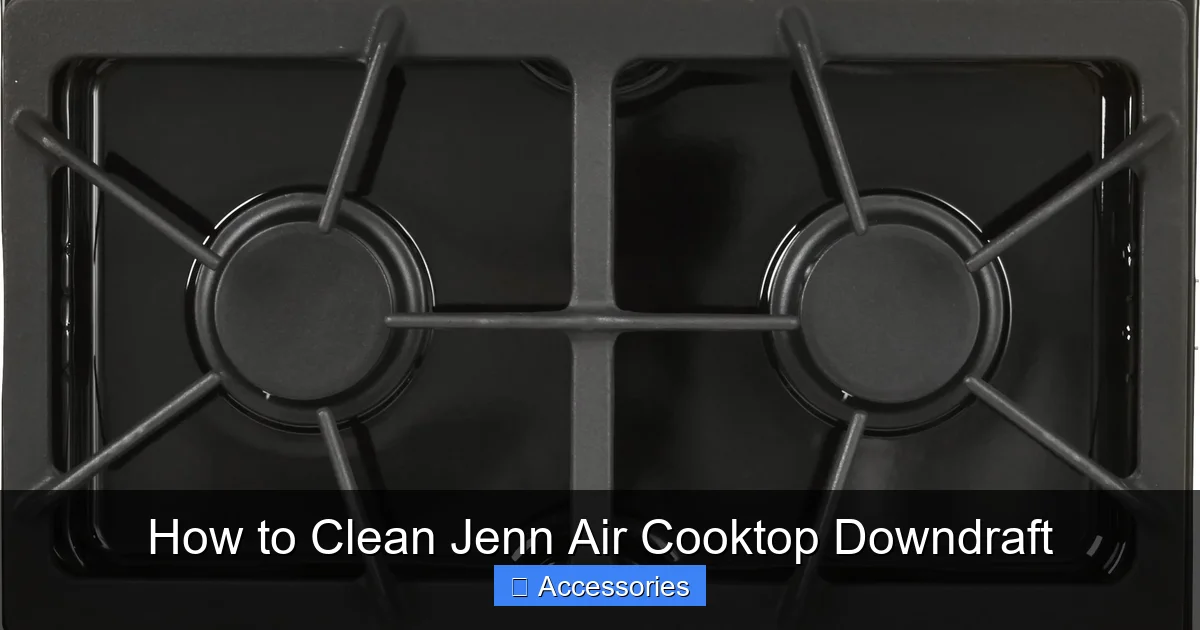
Visual guide about How to Clean Jenn Air Cooktop Downdraft
Image source: m.media-amazon.com
Even with regular cleaning, some spots resist removal. Here’s how to handle tough situations:
Baked-on food or grease: Make a paste of baking soda and water. Apply generously, cover with a damp cloth, and let sit overnight. Scrape gently in the morning with a plastic tool.
Hard water spots or etching: On glass tops only, use a commercial glass cooktop polish. Follow product directions closely—some require buffing with a second cloth.
Metal discoloration: Light oxidation on stainless steel elements can be buffed with a paste of baking soda and olive oil using a soft cloth. Wipe in the direction of the grain.
Odors lingering after cooking: Run the downdraft fan at high speed for 10 minutes with a bowl of vinegar nearby. The combination absorbs smells and refreshes the filter area.
Always test cleaning solutions on an inconspicuous area first. When in doubt, consult your Jenn Air customer support team—they offer model-specific advice that generic guides can’t match.
Maintaining the Downdraft Ventilation System
One of the most overlooked aspects of cooktop maintenance is the ventilation system itself. Dust, lint, and grease accumulate in the motor housing and air channels, reducing suction power and potentially triggering error codes.
To clean the downdraft mechanism:
- Locate the access panel: Usually beneath the cooktop or behind removable side panels. Refer to your manual for exact location.
- Vacuum loose debris: Use a brush attachment to clear out visible dust and hair from intake grilles.
- Inspect filters (if applicable): Some models include washable charcoal or mesh filters. Soak in soapy water, rinse well, and air-dry completely before reinstalling.
- Check for blockages:: Ensure no objects—like utensils or paper towels—are obstructing airflow paths.
- Lubricate moving parts (rarely needed): Only do this if recommended by the manufacturer. Most modern motors self-lubricate.
A clogged downdraft won’t just perform poorly—it may overheat and shut down mid-cook. If you notice reduced suction or unusual noises, a thorough vent inspection should be your next step.
For added peace of mind, schedule a professional service visit annually. Technicians can disassemble critical components safely and identify issues you might miss.
Preventative Tips for Long-Term Care
The best way to avoid deep-cleaning emergencies is prevention. Try these habits:
– Cook with lids on: Reduces splatter significantly.
– Use drip pans: Even small ones catch stray drips.
– Avoid cold-to-hot transitions: Let pots cool slightly before placing them on the burner.
– Clean spills immediately: The longer residue sits, the harder it becomes.
– Rotate cookware placement: Prevents uneven wear on grates and caps.
– Keep a logbook: Note when last cleaned—helps track patterns and reminds you of upcoming tasks.
Also, consider investing in a silicone mat or trivet designed for downdrafts. These create a barrier between heat sources and the surface while catching accidental drips.
And don’t forget: your local appliance store or online retailer often offers replacement grates, caps, or filters tailored to your specific Jenn Air model. Ordering genuine parts ensures compatibility and preserves warranty coverage.
When to Call a Professional
While DIY cleaning is usually sufficient, certain situations call for expert help:
– Persistent error messages (e.g., “E3” or “F1” codes related to sensors or motors)
– Visible cracks, burns, or warping on the cooktop surface
– Electrical smells or sparks near controls
– Complete loss of downdraft function despite regular cleaning
– Suspected internal wiring damage
Attempting repairs beyond basic cleaning risks voiding your warranty and could create safety hazards. Trust certified technicians who specialize in Jenn Air appliances.
You can find authorized service centers through Jenn Air’s official website or by calling their customer support line. They’ll confirm whether your issue stems from dirt buildup or mechanical failure—and recommend the safest path forward.
Final Thoughts: Cleanliness Equals Performance
Your Jenn Air cooktop downdraft is more than an appliance—it’s a centerpiece of your kitchen. Keeping it clean isn’t just about appearances; it’s about protecting your investment, ensuring safe operation, and enjoying seamless cooking experiences day after day.
By following the steps outlined here—from quick wipe-downs to seasonal deep cleans—you’ll preserve both functionality and elegance. Remember: patience and consistency matter more than brute force. Treat your cooktop with care, and it will reward you with years of reliable service.
And when you’re done cooking? Step back and admire that gleaming surface—proof that a little effort goes a long way.
—
Frequently Asked Questions
Can I use glass cleaner on my Jenn Air cooktop downdraft?
Yes, but only if it’s ammonia-free and labeled safe for stovetops. Avoid wipes containing alcohol or abrasives, as they may dull the finish over time. Always test on a small area first.
How often should I clean the downdraft vent?
At least once per month, or more frequently if you cook with oils, sauces, or high-heat methods. Monthly checks help prevent blockages and maintain suction power.
Is it safe to wash burner caps in the dishwasher?
Only if your model manual explicitly permits it. Many cast-iron or coated caps warp or degrade in dishwashers due to high heat and detergent exposure. Hand-washing is safer.
What causes yellowing on stainless steel components?
Yellowing usually results from mineral deposits, grease buildup, or improper cleaning agents. Restore shine by buffing with a baking soda paste and wiping in the grain direction.
Why did my downdraft stop working after cleaning?
Possible causes include water entering electrical connections, misaligned parts, or residual moisture causing short circuits. Disconnect power, inspect for damage, and consult your manual or a technician.
Are there eco-friendly alternatives to commercial cooktop cleaners?
Absolutely! Mix equal parts water and white vinegar, or use a paste of baking soda and water. Both effectively lift grease without harsh chemicals—ideal for environmentally conscious homeowners.