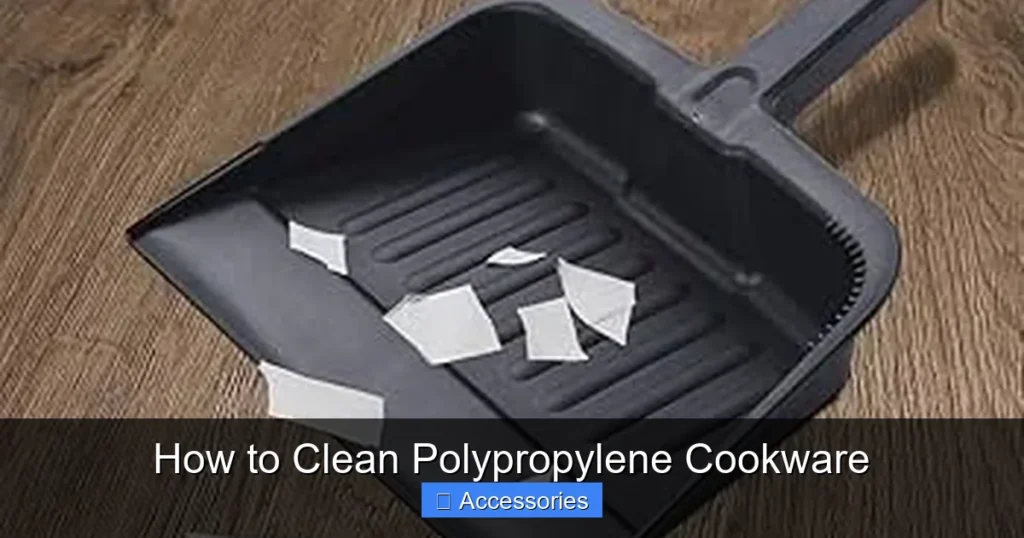
Cleaning polypropylene cookware is simple when you know the right techniques. Unlike metal or non-stick surfaces, polypropylene is heat-resistant and dishwasher-safe in many cases, making cleanup fast and easy. This guide walks you through safe cleaning practices, stain removal tricks, and maintenance tips to keep your polypropylene cookware looking brand new for years.
Key Takeaways
- Dishwasher-Safe Options: Many polypropylene items can go in the top rack of the dishwasher—just check the manufacturer’s label first.
- Hand Washing Preferred: For stubborn stains or delicate pieces, hand washing with warm soapy water prevents warping and extends lifespan.
- Avoid Harsh Chemicals: Bleach and abrasive cleaners can degrade polypropylene over time; stick to mild detergents.
- Scrubbing Tips: Use soft sponges or non-abrasive pads to avoid scratching the surface.
- Stain Removal: For burnt-on food, soak in hot water with baking soda before scrubbing gently.
- Storage Matters: Store polypropylene cookware flat and dry to prevent warping or sticking.
- Inspect Regularly: Look for cracks, discoloration, or softening—signs it may be time to replace your cookware.
How to Clean Polypropylene Cookware: A Complete Guide
Have you ever wondered what makes polypropylene cookware such a popular choice in modern kitchens? It’s not just because it’s affordable and lightweight—it’s also incredibly durable, resistant to high temperatures, and surprisingly easy to clean. Whether you’re using a polypropylene mixing bowl, a collapsible colander, or even a silicone-lined pot, knowing how to properly maintain these items ensures they last longer and stay hygienic.
But here’s the thing: even though polypropylene is tough, it’s not indestructible. And if you don’t clean it the right way, you could end up with scratched surfaces, lingering odors, or even degraded material over time. That’s why this comprehensive guide dives deep into everything you need to know about cleaning polypropylene cookware. From basic hand-washing routines to tackling baked-on grease, we’ll walk you through every step with practical advice and real-world examples. So grab your sponge, fill up the sink, and let’s get started!
Understanding Polypropylene Cookware
What Is Polypropylene?
Polypropylene (PP) is a type of thermoplastic polymer commonly used in kitchenware due to its excellent balance of flexibility, durability, and heat resistance. Unlike other plastics, polypropylene can withstand temperatures up to 200°F (93°C), which makes it ideal for use near stovetops or in ovens—especially when paired with protective liners or used as part of composite cookware sets.
This material is often found in items like measuring cups, salad bowls, steamer baskets, colanders, and even some non-stick pan liners. Its chemical inertness means it doesn’t react with most foods, preserving flavor and preventing contamination. Plus, it’s recyclable under certain conditions, making it an eco-conscious option for environmentally aware cooks.
Common Uses in the Kitchen
You might already own several polypropylene items without realizing their material. Think about those flexible cutting boards, reusable sandwich bags, or collapsible silicone colanders that nest neatly inside each other. But when it comes to actual cooking surfaces—like those handy silicone oven mitts or heat-resistant trivets—you’re likely working with polypropylene composites.
For instance, many bakers swear by silicone-coated loaf pans made with polypropylene cores because they release baked goods easily and resist warping. Similarly, some Japanese-style rice steamers feature polypropylene trays that fit perfectly inside stainless steel pots. These everyday tools rely on polypropylene’s unique properties to perform reliably under heat and pressure.
Why Proper Cleaning Matters
Preserving Longevity
One of the biggest benefits of polypropylene cookware is its long lifespan—but only if cared for correctly. When exposed to harsh chemicals like bleach or abrasive scrubbers, the molecular structure of polypropylene can break down, leading to yellowing, brittleness, or even cracking. Over time, this compromises both safety and functionality.
Imagine using a once-flush colander that now has tiny fissures—those gaps are perfect breeding grounds for bacteria. Or picture a mixing bowl that’s lost its shape after repeated exposure to hot water and detergent. By following proper cleaning techniques, you protect your investment and ensure your cookware remains safe for daily use.
Maintaining Food Safety
Kitchen hygiene isn’t just about appearance—it’s about health. Residue from greasy sauces, acidic marinades, or sugary syrups left on polypropylene surfaces can attract mold, develop unpleasant odors, or transfer unwanted flavors to future meals. Regular cleaning eliminates these risks and keeps your kitchen environment fresh and inviting.
Moreover, since polypropylene doesn’t absorb liquids like wood or fabric, it’s less prone to harboring germs compared to porous materials. Still, skipping routine cleaning defeats half the purpose. A quick rinse after each use goes a long way toward maintaining optimal food safety standards.
Preparing Your Cookware for Cleaning
Check Manufacturer Instructions First
Before reaching for any cleaning product, always consult the care label attached to your polypropylene item. Some manufacturers specify whether the piece is microwave-, oven-, or dishwasher-safe. Ignoring these guidelines could result in warped shapes, melted handles, or even dangerous fumes.
For example, while most polypropylene salad bowls are safe in the dishwasher, certain decorative versions may contain metallic accents or dyes that aren’t compatible with high-heat cycles. When in doubt, err on the side of caution and opt for hand washing instead.
Remove Loose Debris
After finishing your meal, take a moment to scrape off excess food particles into the trash. This small step prevents gunk from hardening during storage and reduces the workload when it’s time to wash. A rubber spatula works wonders here—just glide it along the interior surfaces of bowls or pans to lift away crumbs and drips.
If you’re dealing with a colander full of pasta water, tilt it gently over the sink to drain most of the liquid before filling it with soapy water. Removing bulk residue upfront makes soaking and scrubbing much more efficient.
Rinse Immediately After Use
Water acts as a natural lubricant, helping dislodge stuck-on bits without requiring extra effort. As soon as you finish cooking, give your polypropylene cookware a brief rinse under lukewarm tap water. This habit alone can prevent many common cleaning challenges down the line.
Note: Avoid cold water immediately after heating—temperature shock can cause stress fractures in some plastic polymers. Instead, allow slightly cooled cookware to cool naturally before rinsing.
Best Methods for Cleaning Polypropylene Cookware
Hand Washing: The Gentle Approach
In most cases, hand washing delivers the best results for polypropylene cookware. Fill a basin or sink with warm (not boiling) water and add a few drops of mild dish soap. Let your items soak for 5–10 minutes if they have dried-on residue—this softens grime without damaging the material.
Use a soft sponge or microfiber cloth to wipe away dirt. For tougher spots, try a nylon-bristle brush or a dedicated plastic-safe scrubber. Always test cleaner solutions on inconspicuous areas first to avoid discoloration.
Dishwasher Cleaning: When It’s Safe
If your polypropylene item is labeled “dishwasher safe,” toss it onto the top rack for optimal protection. Position it upside-down to prevent pooling of suds and ensure thorough drying. Avoid placing it near the heating element at the bottom of the machine, where excessive heat could warp delicate parts.
Modern dishwashers use gentler cycles than older models, but prolonged exposure to hot water and alkaline detergents may still affect longevity. If you notice cloudiness or stiffness after repeated washes, consider switching back to hand washing.
Baking Soda Paste for Stubborn Stains
Baked-on sugar, burnt cheese, or oil-based residues often resist regular soap. Here’s a foolproof fix: mix baking soda with a little water to form a thick paste. Apply it directly to affected areas and let it sit for 15–20 minutes before scrubbing with a soft brush.
The alkaline nature of baking soda lifts stains without abrasion. Rinse thoroughly afterward to remove all traces—residual powder can leave chalky deposits if left behind.
Vinegar Soak for Odor Elimination
Unpleasant smells lingering from garlic, fish, or strong spices are no match for white vinegar. Fill a container halfway with warm water, add ¼ cup vinegar, and submerge your polypropylene cookware for 30 minutes. Vinegar neutralizes odor molecules and leaves behind a crisp, clean scent.
For extra freshness, follow up with a rinse using lemon juice diluted in water—it adds brightness and helps restore shine.
Tackling Specific Cleaning Challenges
Removing Grease and Oil Buildup
Grease tends to cling tenaciously to smooth polypropylene surfaces, especially in corners and crevices. Start by blotting excess fat with paper towels. Then create a solution of hot water and degreasing dish soap—something with enzymes or citrus extracts works well.
Soak for 15 minutes, then scrub gently. If grease persists, sprinkle coarse salt over the area before adding more soapy water. The salt acts as a gentle abrasive while absorbing additional oils.
Eliminating Burnt-On Food
Burnt-on bits are tricky because they’ve chemically bonded to the surface during cooking. Begin by loosening them with a wooden spoon or spatula—never metal! Next, fill the cookware with hot water and let it steep overnight. Morning will bring softened residue ready for easy removal.
Alternatively, boil a mixture of equal parts water and white vinegar for 10 minutes directly in the pan. Steam helps loosen burnt layers without scrubbing aggressively.
Clearing Cloudy or Yellowed Surfaces
Over time, polypropylene can develop a hazy appearance due to mineral buildup or UV exposure (if stored near windows). To revive clarity, mix equal parts baking soda and water into a paste. Rub it onto the surface using circular motions, then rinse with warm water.
For persistent yellowing, try soaking in oxygen bleach (not chlorine bleach!) dissolved in hot water for several hours. Oxygen bleach brightens without degrading the polymer—unlike chlorine, which breaks down polypropylene chains.
Dealing with Sticky Residues
Syrups, honey, or sticky candies left to harden create a tacky film that’s frustrating to remove. Begin by scraping off as much as possible with a dull knife or credit card. Then immerse the item in hot soapy water for 20 minutes.
For stubborn adhesion, apply rubbing alcohol to a cotton ball and dab the area. Alcohol dissolves sugars and fats without harming polypropylene. Follow up with a final rinse to eliminate any oily residue.
Safe Storage Practices
Keep Items Dry and Flat
Moisture encourages bacterial growth and accelerates material degradation. After washing, air-dry your polypropylene cookware completely before storing. Stack bowls upside-down or place separators between plates to promote airflow.
Airing out wet items in direct sunlight (briefly) can also help kill microbes and eliminate odors. Just avoid prolonged sun exposure, which may fade colors over time.
Avoid Direct Heat Sources
Even though polypropylene tolerates moderate heat, keeping it away from open flames, radiators, or hot appliances prevents unnecessary stress. Store cookware in a cool, dry cabinet rather than near the stove or oven.
Protect Sharp Edges
Colanders, strainers, and cutting mats benefit from padding when stacked together. Place felt strips or old T-shirts between layers to prevent scratches and maintain structural integrity.
When to Replace Your Polypropylene Cookware
Signs of Degradation
Not all wear and tear is obvious. Watch for these red flags:
- Discoloration: Yellowing or dark patches indicate chemical breakdown.
- Softening: If your bowl bends under light pressure, it’s losing rigidity.
- Crazing: Fine cracks radiating from stress points compromise strength.
- Off-odors: Persistent smells despite cleaning suggest internal contamination.
- Pitting: Tiny holes appearing on the surface mean material erosion.
If you observe multiple signs, it’s safer to replace the item. Damaged polypropylene may leach harmful compounds or fail unexpectedly during use.
Recycling Options
Many communities accept polypropylene (#5 plastic) in curbside recycling programs. Check local guidelines—some require rinsing and removing labels first. Alternatively, brands like Rubbermaid or Anchor Hocking offer mail-back recycling services for their products.
Never burn polypropylene—it releases toxic fumes when heated above 400°F (204°C).
Final Thoughts: Make Cleaning a Habit
Cleaning polypropylene cookware doesn’t have to be a chore. With the right approach, it becomes a seamless part of your post-meal routine. Whether you choose hand washing, dishwashing, or targeted treatments for specific stains, consistency is key. Treat your cookware kindly, and it will serve you faithfully for years.
Remember: prevention beats cure. Rinsing immediately after use, avoiding extreme temperatures, and using gentle cleaners save time and effort in the long run. And when you do encounter stubborn messes, arm yourself with baking soda, vinegar, or rubbing alcohol—they’re kitchen staples for a reason.
Now that you’re equipped with all this knowledge, go forth and keep your polypropylene cookware sparkling clean. Your future self (and your taste buds) will thank you!
This is a comprehensive guide about How To Clean Polypropylene Cookware.
Key Takeaways
- Understanding How To Clean Polypropylene Cookware: Provides essential knowledge
Frequently Asked Questions
Can I put polypropylene cookware in the microwave?
Most polypropylene items are microwave-safe, but always check the manufacturer’s label. Avoid microwaving if the piece shows signs of warping or melting, as degraded material may release harmful chemicals.
Is it okay to use steel wool on polypropylene?
No—steel wool is too abrasive and will scratch or gouge polypropylene surfaces. Stick to soft sponges, nylon brushes, or microfiber cloths to preserve the material’s smoothness.
How often should I deep-clean my polypropylene cookware?
Deep cleaning (like baking soda scrubs or vinegar soaks) is only needed occasionally—perhaps once every few months—unless you frequently cook sticky or fatty foods. Routine rinsing and dishwasher cycles suffice for daily maintenance.
Will lemon juice damage polypropylene?
No, lemon juice is generally safe for polypropylene when used occasionally. However, prolonged exposure to acidic substances may cause cloudiness over time. Rinse thoroughly after use and avoid leaving citrus residues to soak.
Can I use bleach to whiten yellowed polypropylene?
It’s better to avoid chlorine bleach, which degrades polypropylene. Instead, try oxygen bleach or a baking soda paste, which brighten without damaging the polymer. Test any cleaner on a small area first.
Are there eco-friendly alternatives to commercial dish soap?
Yes! Biodegradable castile soap, vinegar-water solutions, or plant-based enzymatic cleaners work well on polypropylene. They’re gentle, effective, and reduce environmental impact compared to synthetic detergents.