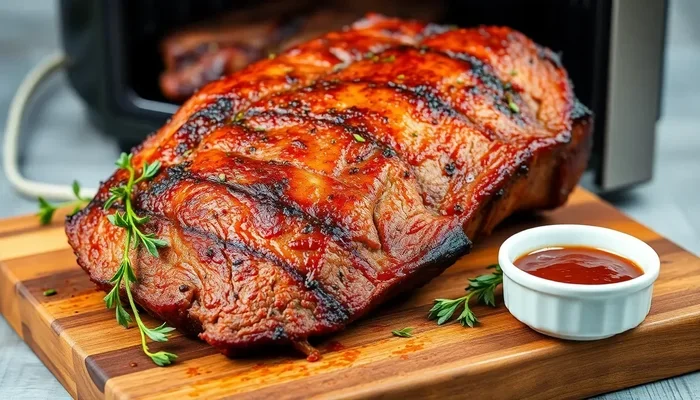
Cooking a brisket in an air fryer is faster than you think and delivers incredibly tender meat with minimal effort. You just need the right cut, a good rub, and proper temperature control to get that melt-in-your-mouth texture. This guide walks you through every step so you can serve restaurant-quality results at home. Grab your favorite spices and get ready to transform your kitchen routine.
Have you ever wondered if you can get that slow-smoked feel without spending all day near a grill? The answer is a confident yes. How to cook a brisket in an air fryer is one of those kitchen tricks that feels like a shortcut but delivers real, honest flavor. You get crispy edges, a rich bark, and meat that pulls apart with very little work.
Most people think brisket only belongs in a smoker or a massive oven. That idea is changing fast. Modern air fryers move hot air around the food in a smart way. That steady circulation helps the meat cook evenly and builds a nice outer crust. You do not need fancy equipment or hours of babysitting. You just need a solid plan and a few simple habits.
In this guide, you will learn exactly what to do from start to finish. We will talk about choosing the right cut, seasoning it well, setting the right temperature, and checking for doneness without guessing. You will also pick up a few easy tricks that help keep the meat juicy. By the end, you will feel ready to make a bold, satisfying meal any night of the week.
Key Takeaways
- Choose the right cut: A flat cut works best for air frying because it cooks evenly and fits comfortably in the basket.
- Trim the fat carefully: Leave about a quarter-inch of fat to keep the meat moist while it cooks.
- Season generously: A simple rub with salt, pepper, garlic, and paprika builds deep flavor without overpowering the beef.
- Cook at a steady temperature: Low and slow settings mimic traditional smoking and prevent the meat from drying out.
- Use a meat thermometer: Pull the brisket when the internal temperature reaches around 195 to 205 degrees Fahrenheit for perfect tenderness.
- Rest before slicing: Let the meat sit for ten to fifteen minutes so the juices redistribute and stay inside.
- Slice against the grain: This simple step keeps every bite tender and easy to chew.
📑 Table of Contents
- Why Air Frying Brisket Works So Well
- Picking the Best Brisket for Your Air Fryer
- Getting the Brisket Ready
- How To Cook A Brisket In An Air Fryer Step by Step
- Helpful Tips for Extra Tender Brisket
- Common Mistakes and How to Avoid Them
- Serving Ideas and Leftover Ideas
- Final Thoughts on Cooking Brisket in an Air Fryer
Why Air Frying Brisket Works So Well
Brisket has a reputation for being tricky. It is a large, tough cut with lots of connective tissue. That sounds intimidating, but it is actually the reason brisket becomes so delicious when cooked the right way. The connective tissue breaks down over time and turns into rich, silky goodness. The challenge is giving the meat enough heat and time without drying it out.
An air fryer helps with that challenge in a few simple ways. First, it heats up quickly. You do not need to wait forever for a big oven to reach the right temperature. Second, the strong airflow creates a steady cooking environment. That means the surface dries a little, which helps form a flavorful crust. Third, many air fryers let you control the temperature closely, so you can keep things gentle instead of blasting the meat with high heat.
The Flavor Advantage
A lot of home cooks worry that faster cooking means less flavor. That is not always true. Air frying can actually concentrate flavor on the outside while keeping the inside tender. The key is giving the seasoning time to stick and using a temperature that lets the meat relax as it cooks. If you want a deeper taste, you can add a little smoked paprika to your rub or use a light spray of oil to help the spices brown.
The Texture Advantage
Texture is where air frying really shines for brisket. You can get a satisfying bite without the meat feeling heavy or chewy. The trick is avoiding high heat for the entire cook time. A moderate setting allows the fibers to soften gradually. That gives you a tender center without turning the outside into leather.
Picking the Best Brisket for Your Air Fryer
Not every brisket is the same, and the cut you choose matters a lot. A full packer brisket is huge and usually better suited for a smoker or a large oven. For an air fryer, the flat cut is usually the smarter choice. It is leaner, more uniform, and much easier to fit in the basket or tray.
If you prefer a little more marbling, you can still use a point cut, but you may need to trim it more carefully. The goal is to make the piece fit comfortably without crowding the air flow. Crowding leads to uneven cooking, and uneven cooking makes tender brisket harder to achieve.
Size Matters More Than You Think
Before you buy, think about how many people you are feeding. A smaller flat cut is perfect for a weeknight dinner. A larger piece can work too, but you may need to cook it in stages or slice it before cooking. Smaller pieces also tend to cook more evenly in an air fryer because the hot air can reach every side.
Fresh or Frozen
Fresh brisket is the easiest option. It seasons better and cooks more predictably. Frozen brisket can work if you thaw it fully first. A partially frozen piece will cook unevenly and may leave you with a tough center. If you are short on time, remember that thawing in the fridge is the safest and most even method.
Getting the Brisket Ready
Preparation is where the magic starts. A good brisket does not need a complicated routine. It needs a clean surface, a balanced rub, and enough time for the seasoning to settle in. You can keep it simple and still get excellent results.
Trimming the Fat
Too much fat can slow down cooking and keep the seasoning from reaching the meat. Too little fat can leave the brisket dry. Aim for a thin, even layer. You want enough fat to protect the meat, but not so much that it blocks the airflow. Trim any thick hard pieces and smooth the edges so the cut looks neat and even.
Building a Simple Rub
A brisket rub does not need to be fancy. In fact, simple often works best. Try this easy mix:
- Coarse salt: helps build a strong savory base
- Black pepper: adds warmth and a little bite
- Garlic powder: gives a deep, cozy flavor
- Paprika: brings color and a mild sweetness
- Onion powder: rounds out the seasoning
Mix the ingredients well and press them onto the brisket with your hands. Do not be shy. Brisket can handle a generous coating. If you like a little heat, add a pinch of cayenne or chili powder. If you want a more classic taste, keep it basic and let the beef shine.
Letting the Seasoning Settle
After you rub the spices on, let the meat rest for a little while before cooking. Even ten or fifteen minutes can help the seasoning cling better. If you have more time, you can cover it loosely and keep it in the fridge. That small pause can make the final flavor feel more balanced.
How To Cook A Brisket In An Air Fryer Step by Step
This is the part everyone wants to know. The process is straightforward, but a few details make a big difference. Follow these steps and you will have a much easier time getting tender results.
Step 1: Preheat the Air Fryer
Preheating matters because it gives the meat a consistent start. Set the air fryer to a moderate temperature and let it run empty for a few minutes. You do not need extreme heat here. A steady, warm environment is better for brisket than a blast of hot air.
Step 2: Place the Brisket Carefully
Lay the brisket in the basket or on the tray with the seasoned side facing up if possible. Try not to crowd it. Air needs space to move around the meat. If your cut is large, you may need to cook it in batches or angle it so air can still circulate.
Step 3: Cook at a Gentle Temperature
For brisket, gentle heat is your friend. A lower temperature helps the inside cook before the outside gets too dark. If your air fryer has a lower or slow-cook setting, that can be a great option. If not, choose a moderate temperature and keep an eye on the color as it cooks.
Step 4: Check and Adjust
Halfway through the cook time, take a quick look. If the top is browning too fast, you can lower the temperature a bit or flip the meat carefully. Flipping is not always necessary, but it can help if your air fryer has hot spots. Use tongs and handle the meat gently so you do not rub off the seasoning.
Step 5: Test for Doneness
The best way to know if the brisket is ready is with a meat thermometer. Insert it into the thickest part and check the internal temperature. For a tender bite, you usually want the meat to reach a higher internal temperature so the connective tissue has time to soften. If it still feels tough, give it a little more time.
You can also use a fork to test it. If the meat starts to loosen and feels close to fall-apart tender, you are in good shape. If it resists, keep cooking in small increments. Brisket can be patient, and so should you.
Step 6: Rest the Meat
Once it is done, move the brisket to a cutting board or warm plate and let it rest. Resting is not just a fancy step. It gives the juices a chance to settle back into the meat. If you slice too soon, those juices can run out and leave the brisket drier than you want.
Helpful Tips for Extra Tender Brisket
If you want the best possible outcome, a few small habits can make a big difference. These tips are easy to use and do not require special tools.
- Use a light oil spray: A small amount can help the rub brown evenly and improve the crust.
- Keep the basket clean: Old grease or crumbs can affect airflow and cause uneven browning.
- Do not rush the cook: Brisket rewards patience. If it is not tender yet, give it more time in small steps.
- Watch the edges: Thin areas can darken faster, so check them often.
- Slice with care: A sharp knife makes cleaner cuts and helps keep the texture nice.
Add Moisture When Needed
Some air fryers dry the surface faster than others. If you notice the brisket looking too dark before it is fully tender, you can add a small splash of broth or water to the tray below, if your model allows it. That little bit of moisture can help create a gentler environment without steaming the meat directly.
Build Flavor With Simple Finishes
After the brisket rests, you can add a final touch. A little melted butter, a drizzle of sauce, or even a sprinkle of fresh black pepper can wake up the flavor. If you like a classic style, keep it simple. If you want something richer, try a light glaze or a spoonful of warm juices from the resting plate.
Common Mistakes and How to Avoid Them
Even an easy recipe can go sideways if a few small things get missed. Here are the most common issues and what to do instead.
Cooking at Too High a Temperature
High heat can make the outside tough before the inside is ready. Brisket needs time to soften, so avoid cranking the temperature up just to speed things along. A slower approach usually gives better results.
Skipping the Rest
It is tempting to slice right away, especially when the meat smells amazing. Still, resting matters. That short pause helps keep the juices where they belong.
Overcrowding the Basket
If the brisket fills the basket too tightly, the air cannot move around it properly. That leads to uneven cooking. Give the meat room if you can, or work in batches.
Not Checking Doneness Properly
Guessing can lead to disappointment. Use a thermometer and check the texture too. If the meat still feels stiff, it probably needs more time.
Slicing the Wrong Way
If you slice with the grain, the meat can feel stringy and tough. Cut across the grain instead. That small change makes every bite feel softer and easier to eat.
Serving Ideas and Leftover Ideas
Tender air fryer brisket fits into a lot of meals. You can serve it as the main event or use it in creative ways throughout the week.
- Classic plates: Serve slices with potatoes, vegetables, or a simple salad.
- Sandwiches: Pile warm brisket on soft bread with pickles or sauce.
- Tacos or wraps: Add onions, salsa, cheese, or slaw for a quick lunch.
- Hash or bowls: Chop leftover brisket and mix it with rice, eggs, or roasted vegetables.
Leftovers can taste even better the next day because the flavors have time to settle. Just store the meat in a sealed container and reheat it gently. If you want to bring back some texture, a quick warm-up in the air fryer can work nicely. If you enjoy reheating other foods in this way, you may also like learning how to reheat french fries in an air fryer oven for crispy results.
Brisket also pairs well with bright sides. A crisp salad, coleslaw, or roasted vegetables can balance the rich meat. If you want to keep the meal simple, serve it with warm bread and a favorite sauce. The beauty of brisket is that it feels special without needing a long list of extras.
Final Thoughts on Cooking Brisket in an Air Fryer
How to cook a brisket in an air fryer is a question with a very satisfying answer. You do not need a giant setup or a full day of cooking to get tender, flavorful meat. With the right cut, a solid rub, steady heat, and a little patience, you can make a meal that feels comforting and impressive at the same time.
The best part is that this method is easy to repeat. Once you learn how your air fryer behaves, you can adjust the time and temperature to match your taste. Some days you may want a stronger crust. Other days you may want a softer bite. Either way, brisket gives you room to experiment.
So the next time you want a hearty dinner without the hassle, give this method a try. Season the meat well, cook it with care, and let it rest before slicing. Do that, and you will have a tender brisket that tastes like you spent way more time on it than you did.
Frequently Asked Questions
Can I cook a whole packer brisket in an air fryer?
A full packer brisket is usually too large for most air fryers, so a flat cut works better. If you do try a larger piece, make sure it fits without blocking airflow and cook it in stages if needed.
How long does brisket take in an air fryer?
The time depends on the size of the cut and the temperature you use. Smaller flat cuts usually cook faster, but you should focus on internal tenderness and temperature instead of the clock alone.
Do I need to flip the brisket while it cooks?
Flipping is not always necessary, but it can help if your air fryer has hot spots or if the top browns too quickly. Check the meat partway through and adjust only if needed.
What internal temperature should I aim for?
For tender brisket, aim for a higher internal temperature so the connective tissue has time to break down. Use a meat thermometer and check for a soft, fork-friendly texture before serving.
Can I season the brisket the night before?
Yes, seasoning it ahead of time can help the flavors settle into the meat. Just cover it loosely and keep it in the fridge until you are ready to cook.
Why is my brisket tough after cooking?
Tough brisket usually means it needs more time or a lower cooking temperature. Keep cooking in small steps until the meat softens, and make sure you slice against the grain when serving.