Cooking beef tenderloin doesn’t have to be scary. This guide walks you through every step, from picking the right cut to serving a juicy roast. You will learn the best beef tenderloin temperature, how long to cook beef tenderloin, and simple tricks that keep it tender. Whether you use an oven or a skillet, these tips will help you nail it every single time.
Beef tenderloin is one of the most popular cuts in any kitchen. It is lean, tender, and full of flavor when you cook it right. Many home cooks feel nervous about making it, but that worry fades fast once you see how simple it really is. Learning how to cook beef tenderloin opens the door to restaurant-quality meals at home.
This guide covers everything you need to know. You will find tips on picking the best cut, prepping it, cooking it to the right beef tenderloin temperature, and serving it like a pro. The goal is simple: help you make a perfect roast without stress. By the end, you will feel confident enough to make this dish your go-to for any special meal or weeknight dinner.
Key Takeaways
- Pick the right cut: Look for bright red beef tenderloin with good marbling for the best results.
- Sear before roasting: A hot pan sear locks in juices and adds a flavorful crust to your beef tenderloin roast.
- Use a meat thermometer: The perfect beef tenderloin internal temp is 135°F for medium-rare.
- Let it rest: Resting the meat for 10 to 15 minutes keeps it juicy when you slice it.
- Store leftovers properly: Follow the right storage steps to keep leftover beef tenderloin fresh for up to four days.
- Avoid common mistakes: Overcooking and skipping the sear are the top errors people make.
📑 Table of Contents
Understanding Beef Tenderloin
Before you start cooking, it helps to know what you are working with. Beef tenderloin comes from the loin section of the cow. It is a very tender cut because the muscle does very little work during the animal’s life. This is why it has a buttery texture that melts in your mouth when cooked correctly.
What Makes Beef Tenderloin Special
Unlike tougher cuts that need long, slow cooking, beef tenderloin is best cooked quickly at high heat. The low fat content means it can dry out fast if you are not careful. That is why knowing the right beef tenderloin cooking time and temperature matters so much. A beef tenderloin roast can turn into a dry, tough disaster if you leave it in the oven too long.
The cut is also called filet mignon when sliced into individual steaks. But when left whole, it makes an impressive roast perfect for holidays or dinner parties. The mild flavor of beef tenderloin also makes it a great canvas for marinades and seasonings.
How to Choose the Right Beef Tenderloin
When you shop for beef tenderloin, look for a bright red color. The meat should feel firm but springy when you press it. Good marbling, which means thin streaks of fat running through the meat, adds flavor and moisture. Avoid any cut that looks gray or has a strong smell.
Also, check the size. A whole tenderloin can range from 2 to 5 pounds. For a family of four, a 2 to 3-pound roast works perfectly. If you want individual steaks, ask your butcher to cut the tenderloin into filet mignon portions.
How to Prepare Beef Tenderloin for Cooking
Preparation is the step most people skip, but it makes a huge difference. Taking a few extra minutes to prep your beef tenderloin before it hits the heat leads to better flavor and a more even cook.
Trimming and Tying
Start by trimming off the silver skin. This thin, shiny membrane on the surface can cause the meat to curl while cooking. Use a sharp knife to gently slide under it and pull it away. Next, if your roast has a thick end and a thin end, tie it with kitchen twine. This helps the roast cook evenly from edge to center.
Seasoning Your Beef Tenderloin
Simple seasoning works best for beef tenderloin. A generous amount of salt and pepper on all sides is all you need. You can also add garlic powder, fresh herbs like rosemary or thyme, or a drizzle of olive oil. Let the seasoned roast sit at room temperature for about 30 minutes before cooking. This small step helps the roast cook more evenly.
Some cooks like to use a beef tenderloin marinade for extra flavor. A mix of olive oil, soy sauce, garlic, and a touch of honey works great. Just keep in mind that marinades work best on thicker cuts and need at least 30 minutes to make an impact.
Should You Sear Beef Tenderloin?
Absolutely. Searing is one of the best things you can do for beef tenderloin. A hot, fast sear on all sides creates a brown crust that locks in juices and adds deep flavor. Use a heavy skillet, add a high smoke-point oil like avocado oil, and sear each side for about 2 minutes. This step is key for a great pan seared beef tenderloin.
If you want to keep things simple, you can skip the sear and go straight to the oven. But for the best results, always take the time to sear first. It only takes a few minutes and the flavor boost is real.
Best Cooking Methods for Beef Tenderloin
There are several ways to cook beef tenderloin, and each method brings something different to the table. Here are the most popular and reliable approaches.
Oven-Roasted Beef Tenderloin
Roasting in the oven is the most common method for cooking a whole beef tenderloin roast. Preheat your oven to 425°F. Place the seared roast on a rack in a roasting pan. Cook until it reaches your desired internal temperature. This method gives you even heat and a beautiful crust all around.
The great thing about oven roasting is that you can add vegetables to the pan. Carrots, onions, and potatoes soak up the juices and make a complete meal in one pan. This is a great option for a beef tenderloin recipe when you want to impress guests without spending all day in the kitchen.
Pan-Seared and Finished in the Oven
This is a two-step method that gives you a perfect crust and a juicy center. Start by searing the beef tenderloin in a hot skillet on the stovetop. Then transfer the skillet to a preheated oven at 400°F to finish cooking. This method works really well for thicker roasts that need more time to reach the right beef tenderloin internal temp.
Many home cooks swear by this approach. The stovetop sear gives you control over the crust, while the oven ensures the center cooks gently and evenly. It is hands down one of the best ways to cook beef tenderloin at home.
Reverse Sear Method
The reverse sear is a favorite among steak lovers. You start by cooking the beef tenderloin low and slow in the oven at 250°F until it is about 10 degrees below your target temperature. Then you sear it in a blazing hot skillet for just one minute per side. The result is an edge-to-edge perfect pink center with a gorgeous crust.
This method takes longer but gives you the most control over doneness. It is especially great for thicker roasts. If you want to master how to cook beef tenderloin like a pro, give the reverse sear a try.
Temperature and Timing Guide
Getting the temperature right is the single most important factor in cooking beef tenderloin. An oven thermometer and a good instant-read meat thermometer are your best friends in the kitchen.
Beef Tenderloin Internal Temperature Chart
Here is a quick reference for the right beef tenderloin temperature when you pull the roast from the oven:
- Rare: 120°F to 125°F (bright red center)
- Medium-Rare: 130°F to 135°F (warm red center, most recommended)
- Medium: 140°F to 145°F (pink center, slightly firmer)
- Well-Done: 155°F and above (gray throughout, not recommended)
Remember that the temperature will rise about 5 degrees after you pull the roast out. This is called carryover cooking. So if you want medium-rare, pull the roast at 130°F and let it rest.
How Long to Cook Beef Tenderloin
The beef tenderloin cooking time depends on the size of the roast and the method you use. Here is a general guide for a 2 to 3-pound roast at 425°F:
- Rare: about 20 to 25 minutes
- Medium-Rare: about 25 to 30 minutes
- Medium: about 30 to 35 minutes
Always use a meat thermometer to check the temp. The roast should reach your target temperature 5 to 10 degrees before you plan to serve. This gives you time to rest the meat without overcooking it.
Slicing and Serving Beef Tenderloin
Once your roast is done, resist the urge to cut into it right away. Resting is a critical step. Let the beef tenderloin roast sit on a cutting board for 10 to 15 minutes. This allows the juices to redistribute throughout the meat, making every slice moist and flavorful.
How to Slice Beef Tenderloin
Use a sharp knife to cut against the grain. This means cutting perpendicular to the direction of the muscle fibers. Slicing against the grain shortens those fibers, making each piece easier to chew and more tender. For a 2-pound roast, aim for slices about half an inch thick.
If you are serving filet mignon steaks, use a sharp steak knife and cut straight down through the tenderloin at even intervals. A beef tenderloin roast that rests properly will practically melt on your tongue.
Best Sauces to Pair with Beef Tenderloin
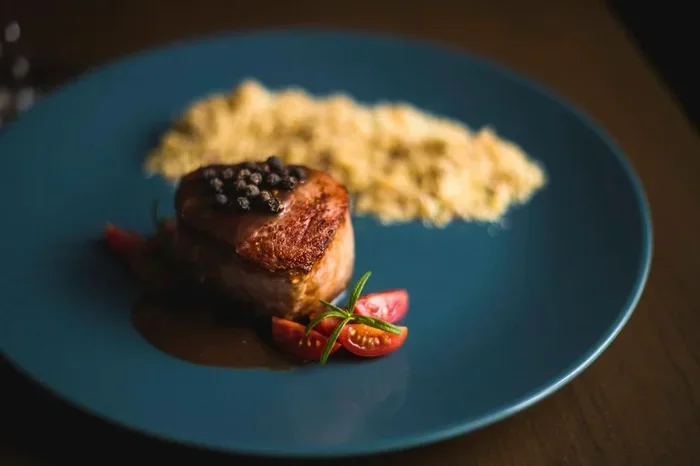
While beef tenderloin is delicious on its own, a great sauce takes it to the next level. A simple red wine reduction, a creamy horseradish sauce, or a classic peppercorn sauce all pair beautifully. You can also spoon the pan juices from the searing or roasting pan over the sliced meat for extra richness.
For a lighter option, serve the roast with a drizzle of good olive oil, a sprinkle of flaky sea salt, and fresh herbs. The mild flavor of beef tenderloin pairs well with almost any sauce or side dish you choose.
Storing and Reheating Leftover Beef Tenderloin
Leftover beef tenderloin is actually great the next day. The meat often absorbs more flavor overnight, making it even tastier. But you need to store it the right way to keep it safe and delicious.
Let the roast cool to room temperature for no more than two hours. Then wrap it tightly in plastic wrap or foil and place it in an airtight container. According to food safety guidelines, cooked beef can be stored in the fridge for up to four days. For longer storage, you can freeze leftover beef tenderloin for up to three months. Learn more about how to store beef properly to keep it fresh.
When reheating, go low and slow. Place the sliced meat in a baking dish, add a splash of beef broth, and cover with foil. Warm it in the oven at 275°F for about 15 minutes. This keeps the meat moist and prevents it from drying out.
Common Mistakes to Avoid
Even experienced cooks make slip-ups when preparing beef tenderloin. Here are the most common mistakes and how to avoid them.
- Skipping the sear: A sear adds flavor and texture. Skipping it leaves the roast flat and less flavorful.
- Not using a thermometer: Guessing the doneness almost always leads to overcooked meat. A thermometer takes the guesswork out entirely.
- Cutting too soon: Slicing immediately after cooking releases all the juices. Always let the roast rest for at least 10 minutes.
- Overcooking: Beef tenderloin is lean and has little fat. It dries out fast if you push the temperature too high. Pull it off heat a few degrees early.
- Cooking from cold: A fridge-cold roast cooks unevenly. Let it sit out for 30 minutes before cooking to promote even heat distribution.
- Ignoring the grain: Slicing with the grain makes the meat chewy. Always cut against it for the most tender bite.
For tougher beef cuts, check out how to tenderize beef stew meat for tips that also apply to making any beef cut more tender. If you want to explore natural methods, how to tenderize meat naturally has great insights that work well with premium cuts like tenderloin too.
Final Thoughts
How to cook beef tenderloin is a skill worth mastering. It is one of those cuts that rewards you with incredible flavor and texture when you treat it right. From choosing the best piece at the store to pulling it off the heat at the perfect moment, every step matters.
Remember to sear, use a thermometer, and let it rest. Keep your beef tenderloin temperature in check and never rush the process. With these tips, you will serve a juicy, flavorful roast that rivals any steakhouse. Start with this guide, practice it a few times, and soon you will be making beef tenderloin like a pro. Your family and guests will keep asking for more.
Frequently Asked Questions
What is the best beef tenderloin internal temperature?
The ideal beef tenderloin internal temp for medium-rare is 135°F. This gives you a warm red center that is juicy and tender. Remember to pull the roast out about 5 degrees early to account for carryover cooking.
How long does it take to cook beef tenderloin in the oven?
A 2 to 3-pound beef tenderloin roast takes about 25 to 35 minutes at 425°F, depending on your desired doneness. Always use a meat thermometer to check the temperature rather than relying on time alone.
Can you cook beef tenderloin from frozen?
It is best to thaw beef tenderloin in the fridge overnight before cooking. Cooking from frozen leads to uneven cooking and can dry out the outer layers while the center stays raw. Plan ahead for the best results.
How do you know when beef tenderloin is done?
The most reliable way is to use an instant-read meat thermometer. Check the thickest part of the roast and compare the reading to the temperature chart. The meat will also feel firm but still slightly springy when pressed with your finger at medium-rare.
What is the difference between beef tenderloin and filet mignon?
Beef tenderloin is the whole cut, while filet mignon refers to the individual steaks sliced from the tapered end of the tenderloin. Both come from the same muscle and share the same buttery texture and mild flavor.
Can you marinate beef tenderloin overnight?
Yes, you can marinate beef tenderloin for up to 24 hours. However, 30 minutes to 2 hours is usually enough for flavor to penetrate. Very long marinades with acidic ingredients like vinegar or citrus can start to break down the meat and change its texture.