
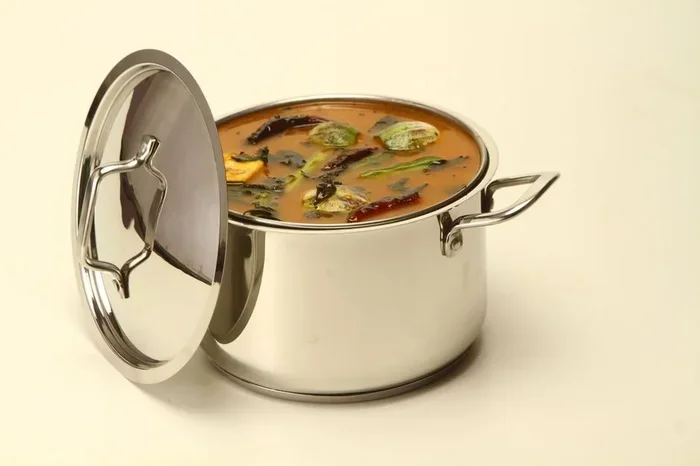
Learning how to cook lentils is easier than you think, and this guide covers everything you need. Whether you prefer stovetop lentils, instant pot lentils, or slow cooker lentils, you will find clear steps and helpful tips here. We cover lentil types, cooking times, common mistakes, and delicious recipes to get you started.
Key Takeaways
- Choose the right lentil type: red, green, and brown lentils each cook differently and suit different dishes.
- Soak when needed: soaking whole lentils reduces cooking time and improves digestibility.
- Master the stovetop method: simmer lentils in liquid at a low boil for perfectly tender results.
- Use an instant pot or pressure cooker: these tools cut cooking time significantly for busy cooks.
- Avoid common mistakes: adding salt too early or overcooking can ruin texture and flavor.
- Store leftovers properly: cooked lentils keep in the fridge for up to 5 days and freeze well.
- Explore versatile recipes: lentils work in soups, stews, salads, and side dishes.
📑 Table of Contents
- How to Cook Lentils Like a Pro with These Simple Tips
- Understanding Different Lentil Types
- How to Prepare Lentils Before Cooking
- How to Cook Lentils on the Stovetop
- How to Cook Lentils in an Instant Pot
- Slow Cooker Lentils for Hands-Off Cooking
- Common Mistakes to Avoid When Cooking Lentils
- Storing and Reusing Cooked Lentils
- Delicious Ways to Use Cooked Lentils
- Expert Insights on Cooking Lentils
- Conclusion
How to Cook Lentils Like a Pro with These Simple Tips
Lentils are one of the most protein-rich kitchen staples you can keep on hand. They cook fast, cost very little, and pack a serious nutritional punch. If you have never cooked them before, do not worry. This guide will walk you through every step of how to cook lentils with confidence.
Whether you want a warm lentil soup for a chilly evening or a hearty stew for family dinner, lentils deliver every time. They come in several colors and varieties, and each one behaves a little differently in the pot. By the end of this article, you will know exactly which lentil to pick, how long to cook lentils, and how to get perfect results every single time.
We will also cover instant pot lentils, slow cooker options, and common mistakes to avoid. Think of this as your go-to reference for all things lentil cooking. Let us get started.
Understanding Different Lentil Types
Not all lentils are the same. The type you choose affects cooking time, texture, and which dishes work best. Here is a simple breakdown of the most common varieties you will find at the store.
Red Lentils
Red lentils are the fastest cooking option. They break down quickly and create a creamy, soft texture. This makes them perfect for lentil soup and Indian dal. Red lentils usually cook in about 15 to 20 minutes on the stovetop. They do not hold their shape well, so they work best in dishes where you want a smooth consistency.
Green Lentils
Green lentils hold their shape well after cooking. They have a firm, earthy texture and a slightly peppery flavor. These lentils take longer to cook, usually around 30 to 45 minutes. Green lentils are excellent in salads, stews, and side dishes where you want each lentil to remain distinct. They are a great choice if you are learning how to cook lentils for the first time because they are very forgiving.
Brown Lentils
Brown lentils are the most widely available type. They sit right between red and green lentils in terms of cooking time and texture. Brown lentils soften nicely but still hold their shape. They work well in soups, curries, and casseroles. Most recipes call for brown lentils because they are versatile and easy to find.
Black Lentils (Beluga)
Black lentils, also called beluga lentils, are small and dark. They have a rich, earthy flavor and a firm texture that holds up beautifully. These lentils take about 25 to 30 minutes to cook. They are perfect for salads and side dishes where appearance matters. Black lentils are the most protein-rich of all lentil varieties.
How to Prepare Lentils Before Cooking
Proper preparation makes a big difference in the final result. Follow these simple steps to get your lentils ready.
Rinse and Sort
Spread your dried lentils on a clean surface or plate. Pick out any small stones, debris, or discolored lentils. Then place them in a fine mesh strainer and rinse under cold running water. This removes dust and any loose starch that could make your lentils sticky.
Should You Soak Lentils?
Soaking is not strictly necessary for most lentils, but it helps. Soaking whole lentils for 2 to 4 hours reduces cooking time and makes them easier to digest. Red lentils do not need soaking since they cook so quickly. If you are short on time, you can skip soaking and simply add a few extra minutes to the cook time.
Quick Tip: If you do soak lentils, use twice as much water as lentils. Drain and rinse them before cooking for the best results.
When to Add Salt
One of the most common mistakes people make is adding salt too early. Salt can toughen the outer skin of lentils and increase cooking time. Add salt after the lentils are tender, not at the beginning. This simple change leads to much better texture.
How to Cook Lentils on the Stovetop
The stovetop method is the most traditional way to prepare lentils. It requires no special equipment and gives you full control over the cooking process. Here is exactly how to do it.
Step-by-Step Stovetop Method
- Combine 1 cup of dried lentils with 3 cups of water or broth in a medium saucepan.
- Bring the liquid to a boil over high heat.
- Once boiling, reduce the heat to low and cover the pot with a lid.
- Let the lentils simmer gently. Stir occasionally to prevent sticking.
- Check tenderness by tasting a few lentils. They should be soft but not mushy.
- Drain any excess liquid and season with salt and your favorite spices.
The general ratio is 1 cup lentils to 3 cups liquid. Green and brown lentils work best with this ratio. Red lentils may need slightly less liquid since they break down and absorb water quickly.
Stovetop Cooking Times by Lentil Type
| Lentil Type | Soaking Time | Cook Time | Liquid Ratio |
|---|---|---|---|
| Red Lentils | Not needed | 15-20 min | 1:2.5 |
| Green Lentils | 2-4 hours | 30-45 min | 1:3 |
| Brown Lentils | 1-2 hours | 20-30 min | 1:3 |
| Black Lentils | 2-4 hours | 25-30 min | 1:3 |
These times are approximate. Altitude, lentil age, and whether you soaked them can all affect the final cook time. Always taste-test before serving.
How to Cook Lentils in an Instant Pot
If you own an instant pot, you can cook lentils even faster. Instant pot lentils are a game-changer for busy weeknights. The pressure cooking method cuts time dramatically while keeping nutrients intact.
Instant Pot Lentil Basics
For most lentils, use the following settings: 1 cup dried lentils, 1 cup water or broth, high pressure for 10 to 15 minutes. Red lentils need only 5 to 8 minutes. Green and brown lentils do well at 12 to 15 minutes. Let the pressure release naturally for 10 minutes, then quick release any remaining steam.
One of the biggest advantages of the instant pot is that you do not need to soak lentils beforehand. The high pressure softens them quickly and evenly. This makes instant pot lentils ideal for people who want a fast, healthy meal without much prep work.
Quick Tip: Do not fill the instant pot more than halfway when cooking lentils. They foam up as they cook and can clog the valve if you overfill the pot.
Slow Cooker Lentils for Hands-Off Cooking
If you prefer set-it-and-forget-it cooking, the slow cooker works beautifully for lentils. You can use a slow cooker liner to make cleanup even easier. Simply add your rinsed lentils, liquid, and aromatics to the slow cooker and set it on low for 4 to 6 hours or high for 2 to 3 hours.
Slow cooker lentils are perfect for making large batches of lentil soup or stew. The long, gentle cooking develops deep flavors that you cannot get from quicker methods. This approach works especially well for brown and green lentils since they hold their shape during extended cooking.
Common Mistakes to Avoid When Cooking Lentils
Even experienced cooks sometimes make mistakes with lentils. Here are the most common errors and how to avoid them.
Adding Salt Too Early
Salt toughens the outer layer of lentils and slows down the cooking process. Wait until the lentils are fully tender before seasoning. This one change alone will improve your results significantly.
Using Too Little Liquid
Lentils absorb a lot of water as they cook. If you use too little liquid, they will stick to the bottom of the pot and cook unevenly. Always use at least 3 cups of liquid for every 1 cup of lentils on the stovetop. You can always drain excess liquid at the end.
Overcooking
Overcooked lentils turn to mush and lose their nutritional value. Start checking tenderness a few minutes before the suggested cook time ends. You want them soft on the inside but still holding their shape. This is especially important for green and black lentils.
Skipping the Rinse
Dried lentils can carry dust, debris, or residue from processing. Always rinse them thoroughly before cooking. This small step improves both the taste and texture of your final dish.
Not Letting Lentils Rest
After cooking, let your lentils sit in their liquid for 5 to 10 minutes. This allows them to absorb more flavor and finish softening naturally. Rushing this step can lead to lentils that are not fully tender.
Storing and Reusing Cooked Lentils
Cooked lentils keep well in the refrigerator for up to 5 days. Store them in an airtight container to maintain freshness. If you want to keep them longer, cooked lentils freeze very well. Portion them into freezer-safe bags and they will last for up to 6 months.
You can also store dried lentils in a cool, dark pantry for up to a year. Proper storage keeps them dry and ready to use whenever you need them. For similar legumes, check out how to store chickpeas for tips that apply to lentils as well.
When reheating lentils, add a splash of water or broth to loosen them up. They make excellent additions to soups, stews, and salads throughout the week. Having a batch of pre-cooked lentils in your fridge makes weeknight meals incredibly easy.
For more ideas on using your kitchen staples efficiently, you might also enjoy learning how to organize your kitchen pantry so everything is within reach when you need it.
Delicious Ways to Use Cooked Lentils
Now that you know how to cook lentils perfectly, here are some easy ways to enjoy them.
- Lentil Soup: Simmer cooked lentils with tomatoes, carrots, celery, and spices for a comforting bowl of soup.
- Lentil Salad: Toss green or black lentils with olive oil, lemon juice, cucumber, and fresh herbs for a protein-packed salad.
- Lentil Curry: Cook red lentils with coconut milk, curry paste, and vegetables for a rich, creamy dish.
- Lentil Taco Filling: Season cooked lentils with cumin, chili powder, and garlic for a plant-based taco option.
- Lentil Burgers: Mash cooked lentils with breadcrumbs, egg, and spices, then pan-fry for a healthy burger patty.
Each of these dishes highlights the versatility of lentils. They absorb flavors beautifully and pair well with almost any spice or vegetable you have on hand.
Expert Insights on Cooking Lentils
Professional cooks and nutritionists agree on a few key principles for perfect lentils. First, always sort and rinse your lentils before cooking. Second, never boil lentils aggressively. A gentle simmer is the secret to even cooking and the right texture. Third, taste frequently. Every batch is slightly different based on the age and size of the lentils.
Experts also recommend adding acidic ingredients like tomatoes or vinegar near the end of cooking. Adding acid too early can prevent lentils from softening properly. If you find your lentils are taking too long to cook, the lentils may be old. Older dried lentils need more time and sometimes never become fully tender.
For those looking to expand their legume cooking skills, learning how to cook mung beans in a pressure cooker follows many of the same principles. The techniques overlap, so mastering one legume makes the next one even easier.
Conclusion
How to cook lentils does not have to be complicated. With the right lentil type, proper preparation, and the right cooking method, you can create delicious, nutritious meals in under an hour. Whether you prefer the stovetop, instant pot, or slow cooker, there is a method that fits your lifestyle.
Remember to rinse your lentils, avoid adding salt too early, and taste as you go. These small habits make a huge difference. Lentils are affordable, healthy, and incredibly versatile. Once you master the basics, you will find yourself reaching for them again and again.
Start with a simple lentil soup this week and build from there. You will be amazed at how easy and satisfying home-cooked lentils can be. Happy cooking!
Frequently Asked Questions
Do you need to soak lentils before cooking?
Soaking is not required for most lentils, but it helps reduce cooking time and improves digestibility. Red lentils do not need soaking since they cook so quickly. If you soak whole lentils for 2 to 4 hours, they will cook faster and more evenly.
How long does it take to cook lentils on the stovetop?
Cooking time depends on the lentil type. Red lentils cook in 15 to 20 minutes, brown lentils in 20 to 30 minutes, and green lentils in 30 to 45 minutes. Always taste-test for tenderness before serving.
Can you cook lentils in an instant pot?
Yes, instant pot lentils cook much faster than stovetop lentils. Use high pressure for 10 to 15 minutes for most varieties, with 5 to 8 minutes for red lentils. Let the pressure release naturally for the best results.
Why are my lentils still hard after cooking?
Hard lentils are usually old or were not soaked long enough. Acidic ingredients added too early can also prevent softening. Make sure your lentils are not past their expiration date and add salt only after they become tender.
How do you store cooked lentils?
Store cooked lentils in an airtight container in the refrigerator for up to 5 days. You can also freeze them for up to 6 months. Reheat with a splash of water or broth to restore their texture.
What is the liquid ratio for cooking lentils?
The standard ratio is 1 cup lentils to 3 cups of water or broth on the stovetop. Red lentils work well with a slightly lower ratio of 1:2.5 since they break down during cooking. Adjust the ratio if you prefer thicker or thinner results.



