
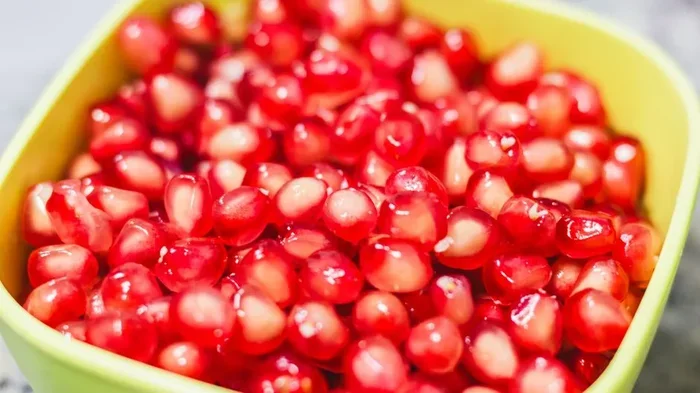
Eating a pomegranate doesn’t have to mean sticky hands and stained countertops. This guide shows you how to eat a pomegranate cleanly using the water method, spoon scoop, and knife-cut techniques. You’ll learn how to remove seeds without making a mess, store leftovers properly, and enjoy every jewel-like seed hassle-free.
Key Takeaways
- The water method is the cleanest and most popular way to remove pomegranate seeds without mess.
- Scoring the pomegranate correctly makes cutting easy and keeps juice splatter to a minimum.
- Storing seeds in the fridge keeps them fresh for up to five days, so you can enjoy them all week.
- Straining pomegranate juice without a strainer is possible using simple kitchen tools you already own.
- Avoiding common mistakes like cutting too deep or skipping the water step saves time and reduces cleanup.
- Pomegranate seeds are packed with antioxidants and make a healthy, colorful addition to meals and snacks.
📑 Table of Contents
- How to Eat a Pomegranate Without Making a Mess
- The Water Method: The Cleanest Way to Remove Seeds
- The Spoon Scoop Method: Quick and Easy
- How to Cut a Pomegranate Like a Pro
- How to Make and Strain Pomegranate Juice
- Storing and Enjoying Pomegranate Seeds
- Common Mistakes to Avoid When Eating a Pomegranate
- Health Benefits of Eating Pomegranate
- Expert Insights on Pomegranate Preparation
- Final Thoughts on Eating a Pomegranate
How to Eat a Pomegranate Without Making a Mess
Few fruits look as beautiful as a fresh pomegranate. The bright red seeds sit inside like tiny jewels, and the taste is sweet, tangy, and refreshing. But let’s be honest. Eating a pomegranate can turn into a sticky disaster fast. Juice splatters on your countertop, stains your clothes, and gets stuck under your fingernails.
So how do you enjoy this superfood without the hassle? The good news is that how to eat a pomegranate cleanly is easier than most people think. With the right technique and a few simple tools, you can remove every seed without a single mess. This guide walks you through each method step by step, so you can focus on the taste, not the cleanup.
Whether you’re new to pomegranates or have been struggling with them for years, you’ll find practical tips here. We cover cutting techniques, seed removal methods, juice extraction, and storage. By the end, you’ll wonder why you ever let the sticky juice scare you away.
Why Pomegranates Are Worth the Effort
Pomegranates are one of the most antioxidant-rich fruits you can eat. They’re loaded with vitamins C and K, fiber, and powerful plant compounds. Studies link regular consumption to better heart health, reduced inflammation, and improved immunity. The seeds, called arils, are the edible part. They burst with a sweet-tart juice that works beautifully in salads, smoothies, desserts, and snacks.
But here’s the problem. Most people give up on pomegranates because the process feels tedious and messy. The white membrane inside the fruit clings to the seeds, and the juice stains everything it touches. That’s exactly why learning the right method matters. Once you know how to handle a pomegranate properly, the whole process takes just a few minutes.
The Water Method: The Cleanest Way to Remove Seeds
The water method is the most popular technique for removing pomegranate seeds without mess. It works by loosening the seeds from the membrane while keeping the juice contained. You end up with clean, separate seeds and almost no cleanup.
Step-by-Step Instructions
- Fill a large bowl with cool water. Use a bowl big enough to fit the entire pomegranate half.
- Score the pomegranate. Using a sharp knife, cut around the equator of the fruit. Make a shallow cut that goes through the skin but not deep into the flesh.
- Break the fruit apart. Gently pull the pomegranate into two halves along the score line.
- Submerge one half in the water. Place the cut side down in the bowl of water.
- Use your fingers or a spoon to tap the back. The seeds will fall out into the water. The white membrane will float to the top.
- Scoop out the floating membrane. Use a slotted spoon or your fingers to remove the pieces.
- Drain the seeds. Pour the water and seeds through a fine-mesh strainer. Rinse the seeds gently under cool water.
- Pat dry with a paper towel. This removes excess moisture and keeps the seeds fresh.
This method works beautifully because water buoyancy separates the seeds from the membrane naturally. The seeds sink, and the membrane floats. It’s hands-off, gentle on the fruit, and keeps your counters stain-free. If you’ve ever struggled with how to strain without a strainer, the water method is a close cousin — it uses simple water pressure to do the separating for you.
Quick Tips for the Water Method
- Use a white or light-colored bowl. It makes it easier to spot any stray membrane pieces.
- Work over the sink in case water splashes.
- Don’t use warm water. Cool water keeps the seeds firm and prevents bleeding.
- If seeds feel slimy, rinse them two or three times in fresh water.
The Spoon Scoop Method: Quick and Easy
If you don’t want to deal with water, the spoon scoop method is a great alternative. This technique works well when you’re in a hurry and just want to get to the seeds fast.
How to Do It
Start by cutting the pomegranate in half the same way you would for the water method. Hold one half in your hand, cut side facing your palm. Take a wooden spoon and firmly tap the back of the pomegranate half. The seeds will pop out and fall into your hand or a bowl below.
This method is fast and requires no special tools. However, it can be a bit messier than the water method because juice may squirt out as you tap. To minimize mess, hold the pomegranate half over a large bowl or inside a plastic bag. The bag catches the juice while you tap.
Many people prefer the spoon scoop method when they want fresh pomegranate seeds for a quick garnish or snack. It’s also great when you’re seeding just one half and don’t want to dirty a large bowl.
How to Cut a Pomegranate Like a Pro
Proper cutting is the foundation of a clean pomegranate experience. If you cut too deep or at the wrong angle, you’ll release juice everywhere and make seed removal harder. Follow these guidelines for a clean cut every time.
Tools You’ll Need
- A sharp chef’s knife or paring knife
- A stable cutting board
- A shallow bowl of water (for the water method)
- A paper towel for cleanup
Cutting Best Practices
- Always cut on a stable surface. A wobbly cutting board leads to uneven cuts and accidents.
- Make shallow scores. You only need to cut through the skin, not deep into the fruit.
- Use a dull knife for scoring. A serrated knife works well because it grips the skin without crushing the fruit.
- Work on a protected surface. Place a towel under your cutting board to catch any juice drips.
One of the biggest mistakes people make is cutting the pomegranate too aggressively. This causes the juice sacs inside the seeds to burst, creating a sticky mess. Gentle, controlled cuts keep the seeds intact and the juice where it belongs — inside the fruit until you’re ready to release it.
If you’ve ever dealt with pomegranate stains on clothing or countertops, you know how frustrating they can be. The deep red pigment in the juice is notoriously difficult to remove. That’s another reason why proper cutting technique matters — less juice exposure means less staining.
How to Make and Strain Pomegranate Juice
Once you’ve removed the seeds, you might want to turn them into fresh juice. Homemade pomegranate juice is incredibly refreshing and packed with nutrients. But squeezing seeds by hand can be just as messy as eating them.
Making Pomegranate Juice at Home
Place your pomegranate seeds in a blender. Blend on low speed for about 10 to 15 seconds. You want to break the seeds open without pulverizing the membranes. If your blender struggles with the seeds, you may need to fix a blender that’s jammed or overworked. Let the mixture sit for a minute, then blend again briefly.
Next, pour the blended mixture through a fine-mesh strainer or cheesecloth into a bowl. Press gently with a spoon to release the juice. The pulp and membrane will stay behind, leaving you with smooth, fresh juice.
Here’s a helpful trick. If you don’t have a strainer handy, you can use a clean kitchen towel or even a colander lined with paper towels. The key is to catch the pulp while letting the liquid pass through. If you’ve ever wondered how to strain without a strainer, a coffee filter or layered cheesecloth works wonders for pomegranate juice.
Storing Fresh Pomegranate Juice
Store juice in an airtight container in the refrigerator. It stays fresh for up to three days. For longer storage, pour the juice into ice cube trays and freeze. Frozen juice cubes last for months and are perfect for adding to water, smoothies, or cocktails.
Storing and Enjoying Pomegranate Seeds
So you’ve seeded your pomegranate beautifully. Now what? Proper storage keeps the seeds fresh and flavorful so you can enjoy them over several days.
Short-Term Storage
Place leftover seeds in an airtight container lined with a paper towel. The paper towel absorbs excess moisture, which prevents mold and keeps the seeds from getting mushy. Store the container in the refrigerator. Properly stored seeds stay fresh for four to five days.
Freezing Pomegranate Seeds
Want to enjoy pomegranate seeds year-round? Freezing is the answer. Spread the seeds in a single layer on a baking sheet lined with parchment paper. Freeze them for two hours until solid. Then transfer the frozen seeds to a freezer-safe bag or container.
Frozen pomegranate seeds keep for up to six months. They work great in smoothies, baked goods, and as a topping for oatmeal or yogurt. The texture changes slightly when frozen, but the flavor stays bright and tangy.
Creative Ways to Enjoy Pomegranate Seeds
Pomegranate seeds are incredibly versatile. Here are some delicious ways to use them:
- Toss them into a green salad for a burst of color and flavor
- Top Greek yogurt or oatmeal with a handful of seeds
- Blend them into a smoothie or juice
- Use them as a garnish for cocktails and mocktails
- Mix them into grain bowls or quinoa salads
- Fold them into muffin or pancake batter
- Arrange them on a charcuterie board alongside cheese, nuts, and dried fruit
Common Mistakes to Avoid When Eating a Pomegranate
Even with the right technique, small mistakes can turn a simple task into a frustrating experience. Here are the most common errors people make and how to avoid them.
Mistake 1: Cutting Too Deep
When you score the pomegranate, keep the cut shallow. Going too deep releases juice from the seeds prematurely. This creates a slippery, messy surface that makes seed removal harder. A light score through the skin is all you need.
Mistake 2: Skipping the Water Step
Some people try to remove seeds by hand without water. This almost always leads to stained fingers and countertops. The water method exists for a reason. It contains the mess and makes separation effortless.
Mistake 3: Using a Dull Knife
A dull knife requires more force, which crushes the fruit and releases juice everywhere. Keep your knife sharp for clean, precise cuts. If your knife has become dull, take a moment to sharpen a stainless steel knife before you start.
Mistake 4: Not Wearing an Apron or Gloves
Pomegranate juice stains fabric and skin almost instantly. If you’re worried about your clothes, wear an apron or disposable gloves. It’s a small step that saves you from a stubborn stain.
Mistake 5: Throwing Away the Membrane
The white pith and membrane inside the pomegranate are edible and contain additional fiber and nutrients. While most people prefer the seeds for taste and texture, don’t discard the membrane entirely if you’re looking to maximize nutrition.
Health Benefits of Eating Pomegranate
Now that you know how to eat a pomegranate cleanly, let’s talk about why you should. This fruit is one of the most nutrient-dense foods available.
Pomegranate seeds are rich in polyphenols, powerful antioxidants that protect your cells from damage. They contain punicalagins and anthocyanins, compounds that support heart health and reduce blood pressure. Regular consumption has been linked to improved cholesterol levels and reduced inflammation.
The fiber in pomegranate seeds supports digestive health and helps maintain stable blood sugar levels. One medium pomegranate provides about 45% of your daily vitamin C needs, which boosts immune function and promotes healthy skin. The vitamin K supports bone health, and the potassium helps regulate blood pressure.
With all these benefits, it’s easy to see why pomegranate has earned its reputation as a superfood. Once you master the how to eat a pomegranate process, there’s no reason not to make it a regular part of your diet.
Expert Insights on Pomegranate Preparation
Professional chefs and food scientists agree that the water method remains the gold standard for seed removal. Chef Michael Solomonov, known for his expertise in Mediterranean cuisine, recommends scoring the fruit evenly and working under water for the cleanest results.
Food scientists point out that pomegranate juice stains are caused by anthocyanins, the same pigments that make the seeds so vibrant. These pigments bind strongly to surfaces, which is why prompt cleaning matters. If you do get a stain on fabric, rinse it with cold water immediately and apply a stain remover before washing.
Another expert tip: room temperature pomegranates are easier to score and seed than cold ones. Let the fruit sit on your counter for 15 to 20 minutes before cutting. The slightly warmer temperature makes the membrane more pliable and the seeds easier to release.
If you’ve ever had trouble with kitchen tools while prepping pomegranates, remember that how to fix a blender or any other kitchen gadget is just as important as the prep technique itself. Keeping your tools in good shape ensures a smooth workflow in the kitchen.
Final Thoughts on Eating a Pomegranate
How to eat a pomegranate without the mess comes down to three things: the right technique, the right tools, and a little patience. The water method gives you the cleanest results. The spoon scoop method offers speed and convenience. And the knife-cut approach sets you up for success from the very first step.
Once you try these methods, you’ll wonder why you ever found pomegranates intimidating. The seeds are delicious, the health benefits are incredible, and the process is simpler than it looks. Start with one pomegranate, follow the steps in this guide, and you’ll be a pro in no time.
Keep a batch of seeds in the fridge for easy snacking. Blend them into juice. Sprinkle them over your favorite dishes. Once you make pomegranate a regular part of your kitchen routine, the messy days are over. Enjoy every jewel-like seed, cleanly and confidently.
Frequently Asked Questions
Can you eat the white membrane inside a pomegranate?
Yes, the white membrane is edible and contains fiber and nutrients. However, it has a bitter taste that most people find unpleasant. Most prefer to remove it and eat only the red seeds, called arils, for the best flavor and texture.
How long do pomegranate seeds last in the fridge?
Fresh pomegranate seeds stay good for four to five days when stored in an airtight container in the refrigerator. Line the container with a paper towel to absorb excess moisture and keep the seeds crisp and fresh for longer.
Is it safe to eat pomegranate seeds whole?
Absolutely. Pomegranate seeds are safe to eat whole. The crunchy outer layer, called the pericarp, is edible and provides fiber. The juicy inner portion is where most of the flavor and nutrients are found. Just chew them to release the juice.
Can you freeze pomegranate seeds?
Yes, you can freeze pomegranate seeds for up to six months. Spread them in a single layer on a baking sheet, freeze until solid, then transfer to a freezer-safe bag. Frozen seeds work great in smoothies and baked goods, though the texture softens slightly after thawing.
What’s the best way to remove pomegranate stains from skin?
Rub your hands with a mixture of salt and lemon juice to break down the stain. Follow up with warm water and soap. For stubborn stains, soak your hands in a solution of baking soda and water for a few minutes before rinsing.
How do you know when a pomegranate is ripe?
A ripe pomegranate feels heavy for its size and has a deep, vibrant color. The skin should be firm and smooth, not soft or wrinkled. When you tap it, a ripe pomegranate sounds metallic and hollow, which signals that the seeds inside are fully developed and juicy.



