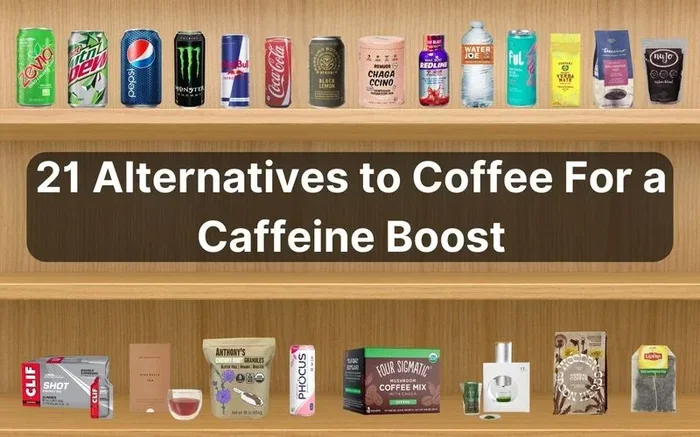
You don’t need a morning brew to feel alert and focused. There are plenty of how to get caffeine without coffee options that work just as well. From green tea to energy-boosting snacks, you can find steady fuel for your day. This guide breaks down the best alternatives so you can skip the bean juice and still power through.
Many people reach for a hot mug first thing in the morning. The ritual feels comforting. The smell wakes up the senses. Yet not everyone wants coffee in their routine. Some folks dislike the bitter taste. Others get stomach upset from the acidity. A few simply want to cut back on their daily intake. If you fall into any of those groups, you might wonder how to get caffeine without coffee. The good news is that plenty of options exist. You can find steady energy in teas, snacks, drinks, and even supplements. This guide walks you through the best choices. You will learn what works, what to avoid, and how to pick the right source for your lifestyle.
Caffeine is a natural stimulant. It blocks tiredness signals in your brain. That means you feel more awake and focused. Your body does not care where the caffeine comes from. It simply responds to the molecule itself. So you can get the same alert boost from many different sources. The trick is finding one that fits your taste, your budget, and your health goals. Some options give a gentle lift. Others hit fast and hard. Knowing the difference helps you avoid crashes and jittery feelings. Let’s dive into the best ways to fuel your day without a single coffee bean.
Key Takeaways
- Tea is a top choice: Green and black tea offer smooth caffeine with added antioxidants for calm focus.
- Matcha delivers a stronger lift: This powdered green tea provides higher caffeine levels and L-theanine for sustained energy.
- Dark chocolate works in a pinch: A small square of high-cocoa chocolate gives a mild caffeine boost alongside rich flavor.
- Energy drinks and sodas exist but watch the sugar: These provide quick caffeine but often come with crashes and extra calories.
- Supplements offer precision dosing: Caffeine pills or powders let you control exact amounts without drinking anything.
- Natural whole foods help too: Items like guarana seeds and yerba mate leaves contain caffeine and other stimulants.
- Timing and dosage matter most: Spreading intake throughout the day prevents jitters and supports steady alertness.
📑 Table of Contents
Why Look for Caffeine Alternatives?
People switch away from coffee for many reasons. The taste is the most common one. Coffee has a strong, roasted flavor that not everyone enjoys. Some people find it too bitter or too acidic. Others notice digestive discomfort after a cup. Coffee can also cause jitters when you drink too much. The high caffeine content in a single mug sometimes feels overwhelming. If you want a smoother experience, exploring how to get caffeine without coffee makes a lot of sense.
Health goals play a big role too. Some folks want to reduce acidity in their diet. Others want to cut back on added sugars found in flavored coffee drinks. A few people simply want more variety in their daily routine. Drinking the same beverage every day can feel repetitive. Trying new sources keeps things fresh. It also opens the door to other beneficial compounds. Many caffeine alternatives come packed with antioxidants, vitamins, and minerals. That means you get more than just a wake-up call.
Common Reasons People Switch
- Taste preference: You prefer milder or sweeter flavors over bitter roasted notes.
- Stomach sensitivity: Acidic drinks cause heartburn or upset stomach after meals.
- Caffeine tolerance: You want a lower or more controlled dose instead of a strong spike.
- Cost savings: Buying coffee beans or visiting cafes adds up over time.
- Routine variety: You want something new to look forward to each morning.
Quick Tip: If you love the warmth of a morning drink but hate the coffee taste, try steeping green tea or black tea in hot water. The ritual feels familiar, but the flavor stays light and pleasant.
Tea: The Most Popular Coffee-Free Caffeine Source
Tea ranks as the top choice for anyone seeking how to get caffeine without coffee. It comes from the Camellia sinensis plant. That means black, green, white, and oolong teas all contain caffeine. The amounts vary based on how the leaves are processed. Black tea usually has the most caffeine per cup. Green tea sits a bit lower. White tea tends to be the mildest. The brewing time and water temperature also change the final caffeine level. Longer steeping pulls out more of the stimulant.

Visual guide about coffee alternatives caffeine sources
Image source: allinthedifference.com
Tea offers a smoother energy curve than coffee. That is because tea leaves contain an amino acid called L-theanine. This compound promotes calm focus. It works with caffeine to create a steady, relaxed alertness. You feel awake without the racing heart or nervous energy that sometimes comes from coffee. Many people describe the feeling as clear-headed and smooth. If you want focus without the jitters, tea is a strong option.
Understanding Tea Types and Caffeine Levels
Not all teas deliver the same kick. Here is a simple breakdown of common options and what you can expect from each.
- Black tea: Typically contains 40 to 70 milligrams of caffeine per eight-ounce cup. It has a bold flavor and pairs well with milk or sweetener.
- Green tea: Usually provides 20 to 45 milligrams per cup. It tastes grassy and fresh. It also brings antioxidants called catechins.
- White tea: Often has 15 to 30 milligrams per cup. It is delicate and lightly sweet. It works well for people who want a gentle boost.
- Oolong tea: Falls between green and black tea in both flavor and caffeine. It offers a complex taste with floral or toasty notes.
- Matcha: This powdered green tea delivers a stronger dose because you consume the whole leaf. A bowl of matcha can contain 70 milligrams or more of caffeine.
Expert Insight: Matcha stands out for people who want a coffee-like boost without coffee. Since you whisk the powder into water and drink the whole leaf, the caffeine concentration runs higher than steeped green tea. The L-theanine in matcha also helps smooth out the energy release.
Matcha and Yerba Mate: Stronger Natural Options
If regular tea feels too mild, two natural drinks deserve a closer look. Matcha and yerba mate both provide a noticeable energy lift. They also bring unique flavors and health benefits. Many people use them as a daily replacement for coffee. Both fit well into the how to get caffeine without coffee conversation because they deliver real caffeine in a plant-based form.

Visual guide about coffee alternatives caffeine sources
Image source: thesustainableinnovation.com
Matcha: Powdered Green Tea Power
Matcha comes from shade-grown tea leaves. Farmers cover the plants before harvest. This step boosts chlorophyll and amino acid levels. The leaves are then steamed, dried, and ground into a fine powder. When you drink matcha, you swallow the entire leaf. That means you get every bit of caffeine and nutrition inside it. A typical serving runs higher than a cup of steeped green tea. The flavor is rich, grassy, and slightly sweet. Many people whisk it with hot water. Others blend it into smoothies or lattes with oat milk.
Matcha works well for focused work sessions. The combination of caffeine and L-theanine supports calm concentration. You can study, write, or tackle a project without feeling wired. It also brings antioxidants that support overall health. Just keep an eye on portion size. Drinking too much can lead to the same over-caffeination issues as any other source.
Yerba Mate: South America’s Energy Drink
Yerba mate comes from the leaves of a holly tree native to South America. People in Argentina, Uruguay, and Paraguay have enjoyed it for centuries. The dried leaves are steeped in hot water. The resulting drink tastes earthy, herbal, and slightly bitter. It contains caffeine along with other compounds that may boost energy and mood. A cup of yerba mate often delivers 70 to 85 milligrams of caffeine. That puts it in the same range as a standard cup of coffee.
Yerba mate also contains theobromine and antioxidants. These compounds may support heart health and mental clarity. The flavor takes some getting used to. Many people add lemon, mint, or a touch of honey to make it more approachable. You can drink it hot or cold. Cold-brewed yerba mate tastes smoother and less bitter. If you want a strong natural lift with a cultural twist, this is a great pick.
Dark Chocolate and Cocoa: A Tasty Caffeine Snack
Chocolate lovers will be happy to hear that cocoa contains caffeine. The amount depends on the cocoa percentage. Dark chocolate with a high cocoa content has more caffeine than milk chocolate. A one-ounce square of dark chocolate can provide around 12 to 25 milligrams of caffeine. That is less than a cup of tea, but it still adds a gentle lift. The sugar and fat in chocolate also give a quick energy bump. That makes dark chocolate a nice afternoon pick-me-up when you need a small boost.
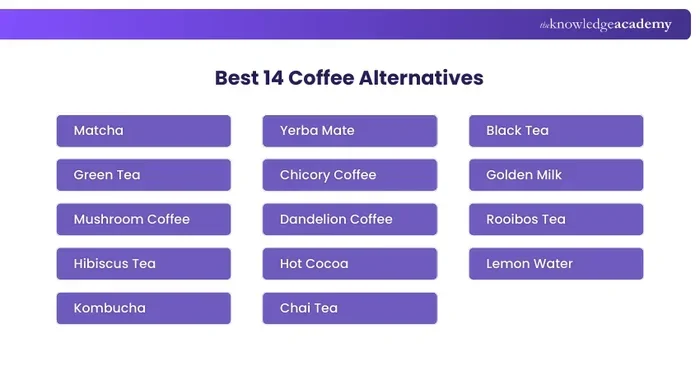
Visual guide about coffee alternatives caffeine sources
Image source: theknowledgeacademy.com
Cocoa powder works too. A tablespoon of unsweetened cocoa powder contains a small amount of caffeine. You can stir it into oatmeal, yogurt, or a warm milk drink. The flavor is rich and comforting. It feels like a treat while still supporting alertness. Just watch the sugar if you buy sweetened cocoa mixes. Too much sugar can lead to a crash later. Choosing unsweetened or lightly sweetened options keeps the energy steady.
Choosing the Right Chocolate for Energy
- Go dark: Pick chocolate with 70 percent cocoa or higher for more caffeine and antioxidants.
- Watch portions: A small square is enough. Eating a whole bar adds extra calories and sugar.
- Check the label: Some chocolate products add extra caffeine or guarana. Read the ingredient list if you want to avoid stacking stimulants.
- Pair with protein: Nuts or Greek yogurt alongside chocolate help slow sugar absorption and keep energy steady.
Common Mistake: People sometimes eat a huge chunk of chocolate expecting a big caffeine kick. The reality is that chocolate contains only a modest amount. Relying on it alone for a strong boost usually falls short. Use it as a light supplement, not your main source.
Energy Drinks, Sodas, and Supplements
If you want a precise dose, packaged drinks and supplements make things simple. Energy drinks and sodas often list caffeine content right on the label. That makes it easy to track how much you consume. A typical energy drink can contain 80 to 160 milligrams of caffeine. Some sodas have much less, usually around 30 to 50 milligrams per can. These options work fast because liquid caffeine absorbs quickly. That is helpful when you need a rapid lift. However, the trade-offs matter too.
Many energy drinks pack a lot of sugar. High sugar intake can cause a sharp spike followed by a crash. That defeats the purpose of steady energy. Sugar-free versions avoid the crash but may use artificial sweeteners. Some people prefer to avoid those. Reading labels helps you make a smarter choice. Look for drinks with moderate caffeine and minimal added sugar. If you want a cleaner option, plain tea or matcha often beats a sugary energy drink.
Caffeine Pills and Powders
Supplements give you the most control. Caffeine pills usually contain 100 to 200 milligrams per tablet. Powders let you measure exact amounts. You can start small and increase only if needed. This precision helps if you are sensitive to caffeine or want to stay within a specific daily limit. Supplements also remove the taste factor entirely. You do not have to deal with bitterness or strong flavors. That appeals to people who simply want the stimulant without drinking anything.
Use supplements with care. It is easy to take too much when the dose is hidden in a pill. Start with a low amount and wait to see how you feel. Do not stack multiple products without checking the total caffeine content. If you drink tea or eat dark chocolate during the same day, count those toward your total. Keeping track prevents overconsumption and the side effects that come with it.
Comparing Common Caffeine Sources
Here is a quick look at how popular options stack up. Use this table to compare approximate caffeine levels and key traits.
| Source | Approx. Caffeine per Serving | Key Traits |
|---|---|---|
| Black tea | 40-70 mg per cup | Bold flavor, smooth energy, antioxidants |
| Green tea | 20-45 mg per cup | Light flavor, L-theanine, calm focus |
| Matcha | 70+ mg per bowl | Stronger lift, whole-leaf nutrition, grassy taste |
| Yerba mate | 70-85 mg per cup | Earthy flavor, strong natural boost, cultural tradition |
| Dark chocolate | 12-25 mg per ounce | Tasty snack, mild boost, watch sugar and portions |
| Energy drink | 80-160 mg per can | Fast absorption, often high sugar, check labels |
| Caffeine pill | 100-200 mg per tablet | Precise dosing, no taste, use with caution |
Quick Tip: If you want a fast boost without sugar, try a small serving of matcha or a sugar-free energy drink with moderate caffeine. Pair it with a glass of water to stay hydrated and help your body process the stimulant smoothly.
Smart Strategies for Steady Energy
Getting caffeine is only part of the picture. How you use it matters just as much. Timing, dosage, and habits all shape how you feel. If you want to master how to get caffeine without coffee, build a smart routine around your chosen source. Small adjustments make a big difference in how steady your energy feels throughout the day.
Timing Your Intake
Caffeine works best when you use it strategically. Many people benefit from a small dose in the morning. Others prefer a mid-morning top-up once their first tea or snack wears off. Avoid taking caffeine too late in the day. It can linger in your system for several hours. A late-afternoon dose may disrupt sleep for sensitive people. If you know you struggle with rest, set a cutoff time and stick to it. That simple rule protects your sleep while still giving you daytime alertness.
Pairing Caffeine with Food and Water
Drinking caffeine on an empty stomach can feel harsh for some people. Food slows absorption and softens the spike. A piece of fruit, a handful of nuts, or a bowl of oatmeal can buffer the effect. Water matters too. Caffeine has a mild diuretic effect. Staying hydrated helps you avoid headaches and fatigue that sometimes get blamed on caffeine itself. Make water part of your routine alongside any caffeinated drink.
Building a Balanced Routine
- Start low: Begin with a small serving and notice how your body responds before increasing.
- Spread it out: Split your intake across the day instead of taking one large dose all at once.
- Track your total: Add up caffeine from tea, chocolate, drinks, and supplements to stay within a comfortable range.
- Listen to your body: If you feel shaky, nervous, or restless, scale back and switch to a milder source.
- Protect your sleep: Set a daily cutoff time so caffeine does not interfere with rest.
Expert Insight: Consistency beats intensity. A moderate dose of green tea or matcha spread across the morning often feels better than one huge energy drink. Your brain and body respond well to steady input. That approach supports focus without the boom-and-bust cycle.
Common Mistakes to Avoid
Even with great alternatives, it is easy to slip into bad habits. Knowing the pitfalls helps you stay on track. Here are the most common mistakes people make when they switch away from coffee.
- Stacking too many sources: Drinking tea, eating chocolate, and taking a pill all at once can push you over your comfort zone. Count everything.
- Ignoring sugar content: Some drinks and snacks bring a lot of sugar. That sugar crash can feel worse than skipping caffeine altogether.
- Using caffeine too late: A late dose can ruin sleep quality. Poor sleep then creates more fatigue the next day, which leads to more caffeine. Break the cycle by setting a cutoff.
- Expecting the same strength from everything: Dark chocolate will not hit like an energy drink. Match your source to your goal. Use strong options for big needs and mild options for gentle support.
- Forgetting hydration: Water supports energy and focus. Skipping it makes caffeine feel less effective and can cause headaches.
Common Mistake: Many people assume that because a drink is natural, it is automatically safe in any amount. Natural sources like yerba mate and matcha still contain real caffeine. Treat them with the same respect you would give coffee. Moderation keeps the benefits without the side effects.
Conclusion
You have plenty of paths when you explore how to get caffeine without coffee. Tea gives you a smooth, familiar option with calming L-theanine. Matcha and yerba mate step up the intensity while staying plant-based. Dark chocolate adds a tasty little lift you can enjoy any time. Energy drinks and supplements offer speed and precision, but you should watch sugar and total dosage. The best choice depends on your taste, your schedule, and how your body reacts. Start with one source, notice how you feel, and adjust from there. With a little experimentation, you can build a routine that keeps you alert, focused, and comfortable all day long.
Frequently Asked Questions
How can I get caffeine without drinking coffee?
You can get caffeine from tea, matcha, yerba mate, dark chocolate, energy drinks, and caffeine supplements. Each option offers a different dose and flavor profile, so you can pick what fits your taste and energy needs.
Which tea has the most caffeine?
Black tea generally has the most caffeine among common teas, with about 40 to 70 milligrams per cup. Matcha can be even higher because you consume the whole leaf, often delivering 70 milligrams or more per serving.
Does dark chocolate have enough caffeine to keep me awake?
Dark chocolate contains a modest amount of caffeine, usually 12 to 25 milligrams per ounce. That is enough for a gentle lift, but it is not strong enough to replace a full cup of tea or coffee if you need a major boost.
Are energy drinks a good alternative to coffee?
Energy drinks can work as an alternative because they deliver fast, measurable caffeine. However, many contain high sugar or artificial ingredients, so it is best to choose carefully and use them in moderation to avoid crashes.
Is matcha stronger than regular green tea?
Yes, matcha is usually stronger because it uses powdered whole tea leaves instead of steeped leaves. That means you ingest more caffeine and more antioxidants in a single serving compared with a cup of brewed green tea.
How much caffeine is safe to consume in a day?
Most healthy adults can safely consume up to 400 milligrams of caffeine per day, though individual tolerance varies. It is wise to spread intake across the day, watch for jitters or sleep issues, and reduce the amount if you feel overly stimulated.