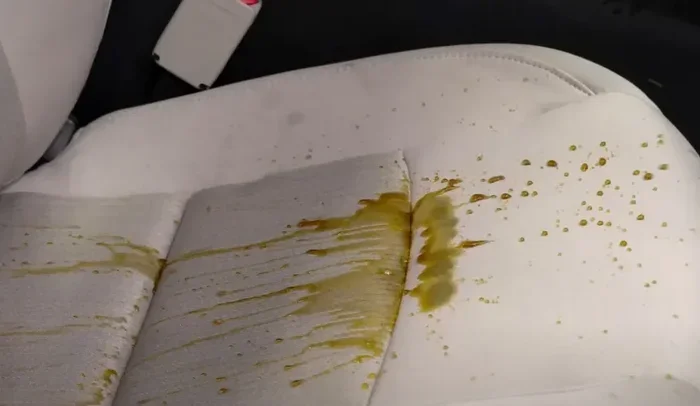
Spilling coffee in your car is frustrating but how to get coffee out of car seat is simpler than you think. Act fast to prevent stains from setting and use common household items like vinegar and dish soap. This guide covers everything from fresh spills to dried stains on cloth and leather seats.
We have all been there. You are driving to work or running errands and suddenly your cup tips over. Hot coffee soaks into your car seat instantly. It feels like a disaster but do not panic. How to get coffee out of car seat is a common problem with simple solutions. You can fix this mess with items you likely already have at home.
Time is your best friend when dealing with liquid spills. The longer coffee sits on the fabric or leather the harder it becomes to remove. Coffee contains tannins that cause brown stains. It also has oils that can leave a residue. If you act quickly you can avoid permanent damage. This guide will walk you through every step you need to take.
You will learn safe cleaning methods for different seat materials. We will cover cloth seats and leather seats separately. You will also find tips for dried stains that seem impossible to remove. By the end of this article you will feel confident cleaning your car interior. Let us dive into the details and save your car seat.
Key Takeaways
- Act Immediately: Blot the spill right away to stop the coffee from soaking deep into the fabric or leather.
- Use Safe Cleaners: Mild dish soap, white vinegar, and water work well for most car seat materials without causing damage.
- Avoid Heat: Do not use hot water or direct heat to dry the area as it can set the stain permanently.
- Test First: Always test any cleaning solution on a hidden spot to ensure it does not discolor or damage the seat.
- Dry Thoroughly: Leave windows open or use a fan to ensure the seat dries completely to prevent mold or mildew.
- Stubborn Stains: Baking soda paste or specialized upholstery cleaners can help remove older or set-in coffee stains.
- Prevention Tips: Use cup holders securely and consider seat covers to protect your car interior from future spills.
📑 Table of Contents
How to Get Coffee Out of Car Seat Immediately
The moment you notice the spill you must act. Speed matters more than anything else. Fresh coffee is much easier to clean than dried coffee. Here is what you need to do right away.
Blotting the Spill
Grab a clean cloth or paper towels immediately. Press down gently on the wet spot. Do not rub the area hard. Rubbing pushes the coffee deeper into the fibers. Blotting absorbs the liquid on the surface.
Keep using fresh sections of the cloth as it soaks up liquid. Continue this process until no more moisture transfers to the cloth. This step removes the bulk of the spill. It prepares the seat for cleaning solutions.
Removing Excess Liquid
If you have a wet vacuum or upholstery cleaner use it now. These tools pull liquid out of deep fibers. If you do not have one use a dry towel. Place the towel over the spot and stand on it gently. Your body weight helps press out the liquid.
Repeat this with dry towels until the seat feels damp rather than wet. You want to remove as much moisture as possible before applying any cleaners. This prevents the coffee from spreading to dry areas.
Supplies You Need for Cleaning
You do not need expensive professional products for most spills. Basic household items work wonders. Having the right tools makes the job easier and faster. Gather these supplies before you start cleaning.
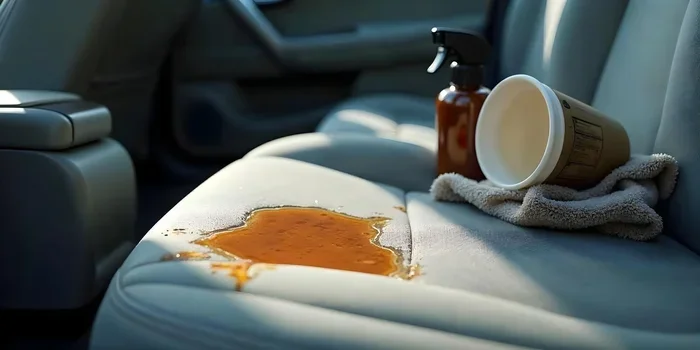
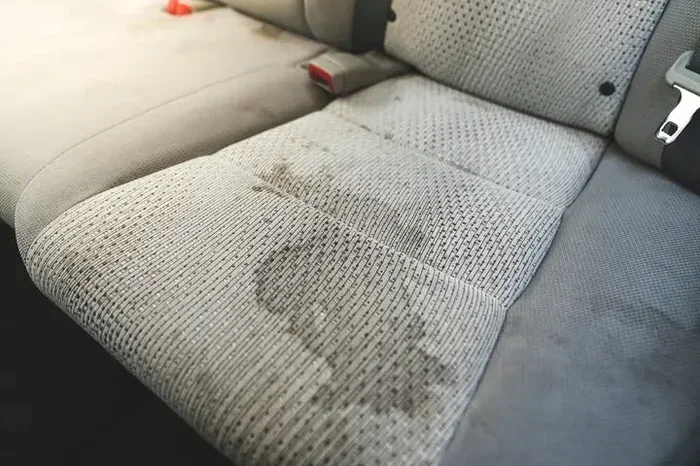
Visual guide about coffee stain on car seat
Image source: kimbocoffee.com
- White vinegar: Helps break down stains and neutralize odors.
- Dish soap: A mild liquid soap cuts through coffee oils.
- Water: Use warm water for cleaning but not hot.
- Clean microfiber cloths: These are soft and absorbent.
- Spray bottle: For mixing and applying solutions.
- Soft brush: A soft toothbrush or upholstery brush helps scrub gently.
- Baking soda: Useful for absorbing odors and lifting stains.
These items are safe for most car interiors. They are also affordable and easy to find. You might already have them in your kitchen. Using simple ingredients reduces the risk of damage to your seat material.
Cleaning Cloth Car Seats
Cloth seats absorb liquid quickly. They require a gentle approach to avoid damaging the fabric. Follow these steps to clean cloth seats effectively.
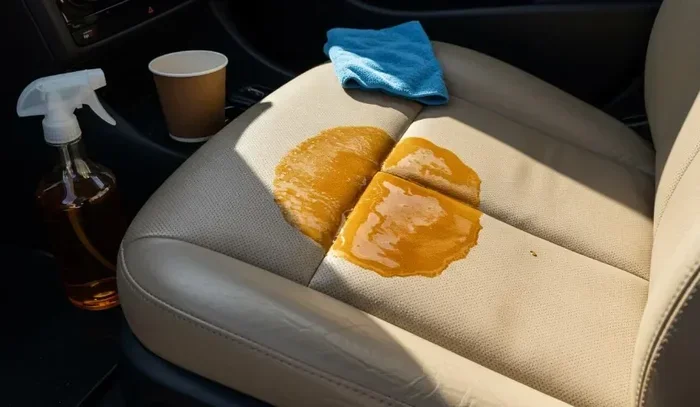
Visual guide about coffee stain on car seat
Image source: roborace.com
Mixing the Cleaning Solution
Create a simple cleaning solution in a spray bottle. Mix one tablespoon of dish soap with two cups of warm water. Add one tablespoon of white vinegar to help with stains. Shake the bottle gently to mix the ingredients.
This solution is mild enough for most fabrics. It breaks down coffee oils without harsh chemicals. Always test this mixture on a hidden part of the seat first. Check for any color changes after a few minutes.
Applying and Scrubbing
Spray the solution lightly onto the stained area. Do not soak the fabric completely. You want the spot damp not dripping wet. Let the solution sit for a few minutes. This gives it time to work on the stain.
Use a soft brush to gently scrub the area. Move in circular motions to lift the stain from the fibers. Be careful not to scrub too hard. Aggressive scrubbing can fray the fabric. Wipe away the loosened dirt with a clean damp cloth.
Rinsing and Drying
After cleaning you must remove any soap residue. Dampen a fresh cloth with plain water. Wipe the area thoroughly to rinse out the soap. Soap left behind can attract dirt later. It might also leave a sticky feeling on the seat.
Dry the seat as much as possible with towels. Then leave the windows open or run the car fan. Air circulation helps the fabric dry faster. Make sure the seat is completely dry before using it again. Damp seats can develop mold or bad smells.
Cleaning Leather Car Seats
Leather seats need special care. Harsh chemicals can dry out or crack the leather. You must use products that are safe for leather surfaces. Here is how to handle coffee spills on leather.
Visual guide about coffee stain on car seat
Image source: shinearmor.com
Wiping Fresh Spills
For fresh spills on leather wipe immediately with a dry cloth. Leather does not absorb liquid like cloth but it can stain if left. Use a slightly damp cloth to wipe away the coffee. Dry the area right away with a soft towel.
Do not let water sit on the leather surface. Prolonged moisture can damage the finish. Quick action prevents the coffee from seeping into the pores of the leather.
Using Leather-Safe Cleaners
If a stain remains use a cleaner made for leather. You can also use a mild soap solution but be very gentle. Dampen a cloth with the solution and wipe the stain. Do not soak the leather.
Avoid using vinegar or harsh detergents on leather. These can strip the natural oils from the material. After cleaning apply a leather conditioner. This restores moisture and keeps the leather soft. Conditioning also helps protect against future stains.
Conditioning After Cleaning
Once the stain is gone and the seat is dry apply conditioner. Use a clean cloth to rub the conditioner into the leather. Let it absorb for the time recommended on the product label. Buff off any excess with a dry cloth.
This step keeps your leather seats looking new. It prevents cracking and fading over time. Regular conditioning is key to maintaining leather car interiors.
Dealing with Dried or Stubborn Stains
Sometimes you do not notice the spill right away. Coffee can dry and set into a dark stain. Removing old stains takes more effort but it is still possible. Try these methods for stubborn marks.
Using Baking Soda Paste
Baking soda is great for lifting old stains. Mix baking soda with a little water to make a paste. Apply the paste to the stained area. Let it sit for at least thirty minutes.
The baking soda helps draw out the stain from the fibers. After it dries vacuum up the powder. Check if the stain is lighter. You may need to repeat this process a few times for best results.
Vinegar and Water Soak
For dried stains on cloth seats a vinegar solution works well. Mix equal parts white vinegar and water. Spray it on the stain and let it sit for ten minutes. Blot the area with a clean cloth.
Vinegar breaks down the tannins in the coffee. It also helps neutralize any lingering smell. Rinse the area with water after treating. Dry thoroughly to prevent moisture issues.
Specialized Upholstery Cleaners
If home remedies do not work consider a commercial cleaner. Look for products designed for car upholstery. These are formulated to remove tough stains safely. Follow the instructions on the bottle carefully.
Apply the cleaner to a cloth first rather than spraying directly. This controls the amount used. Gently work the cleaner into the stain. Wipe clean and allow to dry. These products are often more effective on set-in stains.
Preventing Future Coffee Spills
Cleaning is important but prevention is better. Small changes can stop spills from happening again. Protect your car interior with these simple tips.
Secure Your Drinks
Always use a stable cup holder. Make sure your cup fits snugly inside. Avoid placing drinks on seats or in footwells. These spots are unstable and easy to knock over.
Consider using a travel mug with a tight lid. Lids prevent spills even if the cup tips over. Invest in a quality mug designed for cars. It makes a big difference in safety.
Use Seat Covers
Seat covers add a layer of protection. They are easy to remove and clean if spills happen. You can find covers made for specific car models. Some are waterproof which adds extra security.
Seat covers also protect against wear and tear. They keep your original seats looking new longer. This is a wise investment for car owners who drink in their vehicles.
Regular Cleaning Habits
Keep your car interior clean regularly. Dust and dirt can trap spills making them harder to remove. Vacuum your seats often to keep fibers clear. Wipe down leather seats periodically.
A clean car is easier to maintain. It also retains its value better over time. Simple habits go a long way in preserving your vehicle interior.
Common Mistakes to Avoid
When cleaning coffee stains people often make errors. These mistakes can make the stain worse or damage the seat. Avoid these common pitfalls for the best results.
- Rubbing too hard: This pushes the stain deeper into the fabric.
- Using hot water: Heat can set the coffee stain permanently.
- Skipping the test spot: Cleaners might discolor your seat material.
- Leaving moisture behind: Damp seats lead to mold and mildew growth.
- Using harsh chemicals: Bleach or strong solvents can damage fibers and leather.
- Ignoring odors: Coffee smell can linger if not neutralized properly.
Being careful during the cleaning process saves your seats. Take your time and follow the right steps. Patience yields better results than rushing through the job.
Expert Tips for Best Results
Professional cleaners use specific techniques for tough stains. You can apply these expert insights at home. They help ensure your car seat looks great again.
Work from the outside of the stain inward. This prevents the stain from spreading to clean areas. Use minimal moisture whenever possible. Excess water can seep into the padding underneath the seat.
If the smell persists sprinkle baking soda on the dry seat. Let it sit overnight to absorb odors. Vacuum it up in the morning. This natural trick works well for lingering coffee scents.
For valuable or classic cars consider professional detailing. They have specialized tools and products. This ensures the safest treatment for expensive interiors. It is worth the cost for high-end vehicles.
Conclusion
Spilling coffee in your car is stressful but fixable. Knowing how to get coffee out of car seat saves your interior from permanent damage. Act fast to blot the spill and use safe cleaning solutions. Treat cloth and leather seats differently for the best outcome.
Dried stains require more effort but home remedies often work. Baking soda and vinegar are powerful allies against coffee marks. Prevention is the best strategy for the future. Secure your drinks and consider using seat covers.
With these tips your car seat can look clean and fresh again. Do not let a spill ruin your day. Follow these steps and enjoy a stain-free car interior. You have the knowledge to handle this mess with confidence.
Frequently Asked Questions
Can I use bleach to remove coffee stains from car seats?
No you should avoid using bleach on car seats. Bleach can discolor the fabric or damage the leather finish. Stick to mild soap vinegar or specialized upholstery cleaners for safe results.
How long does it take for a coffee stain to set?
Coffee stains can start setting within minutes especially on porous fabrics. The heat from the coffee accelerates the process. It is best to clean the spill immediately to prevent permanent staining.
Will vinegar damage my leather car seats?
Vinegar can be too harsh for some leather finishes. It may strip natural oils and cause drying. Always test a small hidden area first or use a cleaner specifically designed for leather.
How do I remove the smell of coffee from my car?
To remove coffee odors sprinkle baking soda on the affected area and let it sit overnight. Vacuum it up the next day. You can also leave windows open to air out the car or use an odor eliminator spray.
Can I use a steam cleaner on my car seats?
Yes steam cleaners can be effective for cloth seats but use caution. Too much heat or moisture can damage the padding underneath. Keep the steam head moving and do not soak the fabric.
What if the stain does not come out after cleaning?
If the stain persists try a specialized upholstery cleaner or repeat the baking soda treatment. For valuable cars consider hiring a professional detailer. They have stronger tools and products to tackle stubborn stains safely.