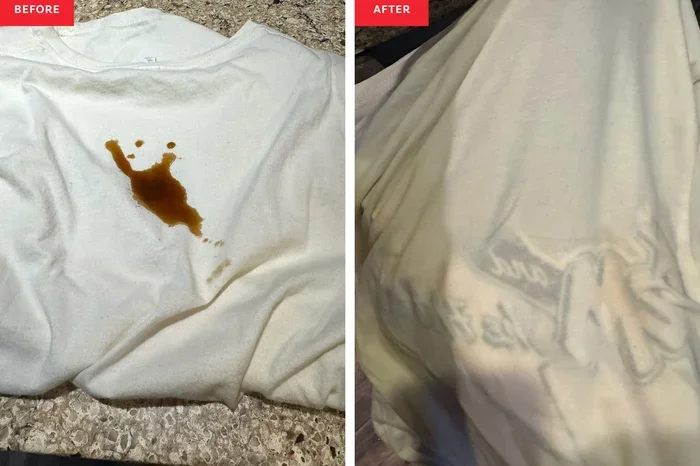
Coffee spills happen to everyone, but they do not have to ruin your favorite white shirts. You can remove fresh marks fast with cold water and mild soap, while older stains often need a soak in oxygen bleach or a paste of baking soda. This guide shows you safe, proven methods to restore bright white fabric without harsh scrubbing or expensive cleaners. Follow these steps to save your clothes and keep them looking crisp.
Key Takeaways
- Act fast on fresh spills: Blot the stain immediately and rinse with cold water to stop it from setting into the fibers.
- Use household items you already own: White vinegar, baking soda, liquid dish soap, and hydrogen peroxide work well on white cotton and blends.
- Soak stubborn stains before washing: An oxygen bleach soak or a vinegar rinse can lift deep marks that normal detergent misses.
- Avoid hot water on fresh stains: Heat can cook the stain into the fabric, so start with cool or lukewarm water until the mark fades.
- Check care labels and test first: Always follow garment instructions and spot test any cleaner on a hidden seam to protect the fabric.
- Air dry until the stain is gone: Skip the dryer until you confirm the mark is fully removed, since heat can lock in any leftover residue.
- Prevent future spills with simple habits: Use travel lids, keep cups away from light fabrics, and treat new spills right away to keep whites bright.
📑 Table of Contents
- Why Coffee Stains White Clothes So Quickly
- Gather Your Supplies Before You Start
- How to Get Coffee Stains Out of White Clothes When the Spill Is Fresh
- How to Remove Set Coffee Stains From White Shirts
- Safe Brighteners and When to Use Them
- Washing, Drying, and Checking Your Results
- Preventing Coffee Spills on White Clothes
- When to Seek Extra Help
- Final Thoughts on Bright White Fabric
Why Coffee Stains White Clothes So Quickly
Coffee looks dark and rich, but it brings a few tricky parts that love white fabric. The drink holds tannins, oils, and tiny plant particles that cling to fibers. When the liquid hits a bright shirt, the color spreads fast and sinks into the weave. White clothes show every mark because there is no darker tone to hide the spill. That is why a small drop can look like a big problem in seconds.
The good news is that most coffee marks are surface level at first. If you act fast, you can lift the liquid before it bonds with the fabric. Fresh stains sit near the top of the thread, so gentle rinsing and light blotting often do the trick. Set stains go deeper, but they still respond to the right soak and a little patience. You do not need fancy products to see results. Simple items from your kitchen can do a lot of the work.
White fabric also reacts well to brightening helpers like oxygen bleach and mild acids. These tools break down the stain without harsh scrubbing. That matters because rough rubbing can fray the fibers and make the spot look fuzzy. A calm, steady approach protects the cloth and gives you a better finish. Once you understand how coffee behaves, the cleanup feels much easier.
Gather Your Supplies Before You Start
A quick cleanup works best when everything is within reach. You do not want to run around the house while the stain dries. Set up a small station with the basics and you will move faster. Most homes already have what you need, so this step is simple.
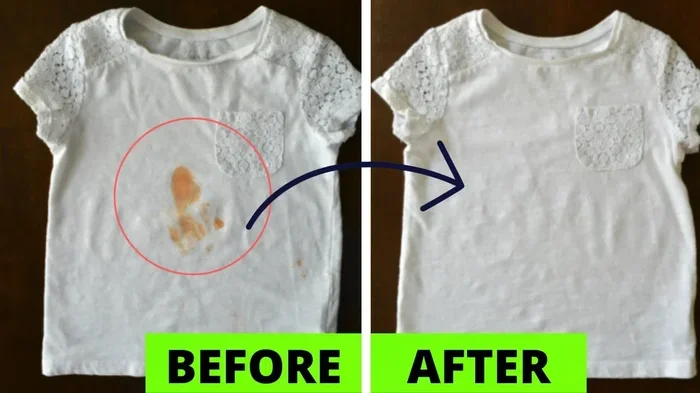
Visual guide about Coffee stain removal on white shirt
Image source: i.ytimg.com
Basic items that help on white fabric
Keep these tools ready for most coffee spills:
- Cold or lukewarm water: Great for the first rinse and for diluting the stain.
- Clean white cloths or paper towels: Useful for blotting without adding dye to the fabric.
- Liquid dish soap: Mild and effective for breaking up oils in the coffee.
- White vinegar: A gentle acid that helps loosen the stain and refresh the cloth.
- Baking soda: Works as a soft paste for lifting marks on sturdy cotton.
- Oxygen bleach: A safe brightener for white garments when used as directed.
- Hydrogen peroxide: Helpful for older marks on color-fast white fabric.
Before you use any product, read the care label. Some shirts need a gentle hand or a cold wash only. Others can handle a bit more treatment. When in doubt, test a small hidden area first. This simple check protects the fabric and keeps you from making the spot worse.
How to Get Coffee Stains Out of White Clothes When the Spill Is Fresh
Fresh spills are the easiest to handle. The liquid is still near the surface, so you can flush out a lot before it sets. Start by removing extra liquid without pushing it deeper into the cloth. Then rinse and treat the area with a mild solution. This is the best time to learn how to get coffee stains out of white clothes without much effort.

Visual guide about Coffee stain removal on white shirt
Image source: fcdrycleaners.com
Step one: blot, do not rub
Grab a clean cloth or paper towel and press it gently against the spill. Lift the cloth and press again with a dry spot. Repeat until you have soaked up as much liquid as possible. Rubbing only spreads the coffee and drives it deeper. A soft press keeps the stain contained and makes the next step more effective.
Step two: rinse from the back
Turn the garment inside out if you can. Run cold water through the back of the stain so the coffee flows out the way it came in. This pushes the mark away from the fabric instead of deeper into it. Keep the water cool at this stage. Hot water can set the stain too soon, especially on cotton.
Step three: add a mild soap treatment
Put a small drop of liquid dish soap on the spot and work it in with your fingers or a soft cloth. Move gently in circles and keep the fabric wet. Let it sit for a few minutes so the soap can break up the oils. Rinse again with cool water and check the mark. If the stain fades but does not vanish, move to a soak.
Quick Tips
- Treat the spill within minutes: The sooner you rinse, the less time the tannins have to bond with the fibers.
- Use a white cloth for blotting: Colored towels can transfer dye to a wet white shirt.
- Keep the soap mild: Strong detergents are not needed for a fresh mark and can leave residue on delicate fabric.
How to Remove Set Coffee Stains From White Shirts
Older stains need a little more help. The coffee has had time to settle into the weave, so a simple rinse may not be enough. A soak or a gentle paste can lift what remains. This is where many people ask how to get coffee stains out of white clothes after the mark has dried. The process is still straightforward, but it takes a bit more time.
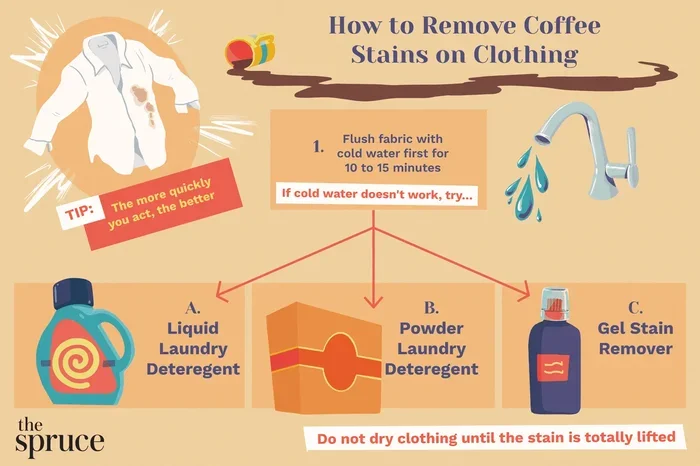
Visual guide about Coffee stain removal on white shirt
Image source: thespruce.com
Soak with oxygen bleach
Fill a basin with cool water and add oxygen bleach according to the package directions. Submerge the garment and let it soak for the recommended time, often about thirty minutes to an hour. Oxygen bleach is gentle on many white fabrics and helps brighten the cloth while lifting the stain. After the soak, rinse the shirt and check the spot. If the mark is lighter, wash the garment as usual.
Try a vinegar rinse
White vinegar can help break down leftover residue. Mix one part vinegar with two parts water and soak the stained area for a short time. Then rinse thoroughly with cool water. Vinegar also helps remove any soap film that might trap the stain. The scent fades as the cloth dries, so the shirt should not smell like vinegar later.
Use a baking soda paste on sturdy cotton
For thicker cotton shirts, a soft paste can help. Mix baking soda with a little water until it looks like a smooth paste. Spread it over the stain and let it sit for a brief period. Then rinse carefully and wash the garment. This method is mild, but it works best on fabric that can handle a little extra contact. Always rinse well so no powder remains in the weave.
Common Mistakes
- Using hot water too soon: Heat can lock the stain in place before you have lifted it.
- Scrubbing hard with a brush: Rough brushing can damage fibers and make the area look worn.
- Skipping the rinse: Leftover cleaner can attract dirt and make the shirt look dull.
Safe Brighteners and When to Use Them
White clothes often need a boost after a stain. Brighteners can help, but they work best when you choose the right one for the fabric. Some products are gentle enough for regular use, while others are better for stubborn marks. Knowing the difference keeps your shirts looking crisp without damage.
Hydrogen peroxide for older marks
Hydrogen peroxide can lighten set stains on color-fast white fabric. Use a small amount on the spot and let it sit briefly before rinsing. This option is useful when vinegar and soap do not fully clear the mark. Always test a hidden seam first, since some blends can react differently. Rinse well so no residue stays behind.
Oxygen bleach for a full garment soak
Oxygen bleach is a solid choice for white cotton and many blends. It works slowly and gently, which makes it a good option for a basin soak. Follow the package instructions and avoid mixing it with other cleaners. This method is especially helpful when the stain covers a larger area or has been washed once already.
Mild acids for routine freshness
White vinegar is a simple acid that helps refresh fabric and loosen leftover stain bits. It is not harsh, so it fits well into a regular care routine. A short vinegar rinse can also help remove odors and keep white cloth looking clean. Use it as a support step rather than a heavy-duty fix.
Expert Insights
- Start gentle and move up only if needed: Soap and water often handle fresh spills, so save stronger options for stubborn marks.
- Read the label every time: Fabric content and care instructions change the best approach.
- Keep treatments brief on delicate fabric: Longer contact is not always better, especially on thin or sensitive blends.
Washing, Drying, and Checking Your Results
After you treat the stain, the wash step matters a lot. Use the water temperature the care label recommends. Add your usual detergent and wash the garment normally. If the stain is still visible, do not dry it with high heat. Heat can set any leftover mark and make the next treatment harder.
Check the shirt while it is still damp. Hold it up to the light and look closely at the spot. If you see any shadow of the stain, treat it again before drying. White fabric can hide faint marks until they are fully dry, so this check is important. A second round of soaking or spot treatment is often enough to finish the job.
Once the stain is gone, you can dry the shirt as usual. Air drying is a safe choice because it avoids extra heat. If you use a dryer, choose a moderate setting and remove the garment when it is dry. Clean white clothes look best when they are stored in a dry, cool place. A little care after the stain is gone helps the fabric stay bright longer.
Quick Tips
- Inspect the spot before drying: Damp fabric shows leftover marks more clearly than dry fabric.
- Repeat treatment if needed: One pass is not always enough for older spills.
- Store whites separately: Keeping white shirts apart from darker items reduces transfer risk.
Preventing Coffee Spills on White Clothes
Prevention is easier than cleanup. A few small habits can lower the chance of a fresh spill turning into a stain. Use cups with secure lids when you wear light colors. Keep your drink away from the edge of tables and desks. If you know you will sip coffee while getting dressed or working, set the cup down before you adjust your shirt.
It also helps to treat white fabric with a bit more care during laundry day. Sort whites from darker items to reduce dye transfer. Use the right amount of detergent so residue does not build up. Clean your washing machine now and then so old soap does not trap odors or marks. These simple habits support bright, clean clothes and make stain removal less stressful when spills do happen.
Key Takeaways
- Use lids and stable cups: A secure drink is less likely to tip onto your shirt.
- Keep coffee away from light fabrics when possible: Small changes in routine reduce spill risk.
- Maintain your laundry routine: Proper sorting and rinsing help whites stay bright.
When to Seek Extra Help
Most coffee stains come out with home care, but some garments need special handling. Delicate silk, structured blends, or items with special finishes may need a professional cleaning. If the care label says dry clean only, follow that guidance. Trying strong treatments on sensitive fabric can cause more harm than the stain itself.
If a shirt has been stained, washed, and dried already, the mark may be harder to remove. That does not mean you should give up right away. A second soak or a visit to a cleaner can still help. The main goal is to avoid making the fabric worse while you work on the stain. When in doubt, a professional opinion can save time and protect the garment.
Common Mistakes
- Ignoring the care label: The label gives the safest path for each fabric type.
- Mixing cleaners without checking: Some combinations can irritate fabric or leave residue.
- Giving up after one wash: A second careful treatment often finishes the job.
Final Thoughts on Bright White Fabric
Coffee spills are annoying, but they do not have to stay. Fresh marks respond well to quick blotting, cool rinsing, and mild soap. Set stains often need a soak, a vinegar rinse, or a gentle brightener. The key is to stay calm, work slowly, and check the fabric as you go. Once you understand how to get coffee stains out of white clothes, the process feels much less stressful.
White shirts can stay bright when you treat spills early and wash with care. Keep a few simple supplies on hand so you can act fast. Use cool water at first, avoid heat until the mark is gone, and repeat the treatment if needed. With a little patience, your favorite white clothes can look clean and fresh again.
Frequently Asked Questions
What is the fastest way to treat a fresh coffee spill on a white shirt?
Blot the spill right away with a clean cloth, then rinse the stain from the back with cold water. Add a small drop of liquid dish soap, let it sit briefly, and rinse again. This quick routine often removes the mark before it sets.
Can I use hot water to clean coffee stains on white clothes?
Hot water can help on some stains, but it may set a fresh coffee mark too soon. Start with cool or lukewarm water until the stain fades, then follow the care label for the wash. If the garment is already clean of stain, a warmer wash can be fine.
Is vinegar safe for white fabric?
White vinegar is generally gentle and useful for loosening residue and refreshing fabric. Use it in a diluted rinse and rinse the shirt well afterward. Always check the care label and test a hidden spot if you are unsure.
What if the coffee stain has already been dried in the dryer?
A dried stain is harder to remove, but it is not always permanent. Soak the garment in oxygen bleach or treat the spot with a mild brightener, then wash again. Avoid high heat until the mark is fully gone.
Can hydrogen peroxide damage white clothes?
Hydrogen peroxide can help on color-fast white fabric, but it should be used carefully. Test a small hidden area first and rinse thoroughly after treatment. Skip it on delicate fabrics unless the care instructions allow it.
How do I keep coffee from staining my white shirts in the future?
Use cups with secure lids, keep drinks away from light fabrics, and set your coffee down before adjusting your clothes. Sort whites carefully and avoid overfilling your cup. Quick action on any new spill also makes cleanup much easier.