

Keep your Weber Grill animal-free by thoroughly cleaning it after each use, removing food scraps and grease that attract pests. Always close the lid and use a tight-fitting cover to block access, and consider placing ammonia-soaked rags or citrus peels nearby as natural deterrents. Regular maintenance and proactive prevention ensure your grill stays safe and rodent-proof year-round.
Key Takeaways
- Seal gaps: Close spaces around grill legs and vents to block entry.
- Use repellents: Apply natural sprays like cayenne or predator urine around the grill.
- Store food securely: Keep meat and bait in airtight containers to deter wildlife.
- Set motion‑activated lights: Install lights that startle nocturnal animals at night.
- Elevate the grill: Place the Weber on a raised platform or patio to limit animal access.
- Regular cleaning: Remove grease and crumbs after each use to avoid attracting pests.
📑 Table of Contents
Understanding Why Animals Are Drawn to Your Grill
If you’ve ever stepped outside to find your Weber Grill ransacked by raccoons or your dinner devoured by a sneaky squirrel, you’re not alone. Animals have an uncanny ability to sniff out food sources, and your grill can become an all-you-can-eat buffet if left unprotected. The problem isn’t just about your meal disappearing—it’s also about the potential damage these visitors can cause to your equipment.
So, why do animals zero in on grills? It’s simple: grills offer warmth, shelter, and the lingering scent of cooked food. Whether it’s a family of stray cats seeking a cozy nook or a curious bear (in more rural areas), understanding their motivations is the first step toward keeping them at bay. Let’s break down the key reasons and explore how to outsmart even the most determined critters.
The Allure of Food Smells
Animals have an incredible sense of smell, and your grill is basically a dinner bell. Even after cleaning, traces of grease and food particles can linger, drawing in pests like raccoons, opossums, and rodents. These creatures are opportunistic feeders—they’ll investigate any potential food source, especially in outdoor spaces where competition is fierce. A Weber Grill that’s not properly maintained or covered becomes an open invitation.
Shelter and Warmth
Grills provide a dry, sheltered space that’s perfect for nesting. Small animals like mice or chipmunks might squeeze into tight spots, while larger animals like cats or foxes seek the warmth radiating from a recently used grill. This behavior isn’t just annoying—it can lead to costly repairs if animals chew through hoses, igniters, or other components. Protecting your investment means eliminating these hiding spots.
Prevention Strategies for Your Weber Grill
The best way to keep animals out of your Weber Grill is to make it as unappealing as possible. Think of it as creating a fortress around your outdoor cooking space. Here’s how to do it effectively.
Visual guide about How to Keep Animals Out of Weber Grill
Image source: mobileimages.lowes.com
Cover It Up
A high-quality grill cover is your first line of defense. Choose a cover that fits snugly and is made from durable, weather-resistant material. While a cover won’t stop a determined bear, it will deter smaller animals and keep rain, snow, and debris from accumulating. Look for covers with reinforced seams and secure fasteners to prevent animals from slipping underneath.
Store Food Properly
Never leave food out near your grill. Store meats, vegetables, and other ingredients in sealed containers or a refrigerator. If you’re grilling in a backyard, keep the area clean by sweeping up crumbs and disposing of trash in animal-proof bins. Even small spills can attract ants or other insects, which in turn draw larger predators.
Natural Deterrents to Protect Your Grill
Not all solutions require buying expensive equipment. Many natural deterrents can be just as effective—and they’re eco-friendly too. Let’s explore some options that work with the environment rather than against it.
Visual guide about How to Keep Animals Out of Weber Grill
Image source: cdn.shopify.com
Motion-Activated Sprinklers
These devices are a game-changer for deterring animals. When triggered by movement, they release a sudden burst of water, startling pests without causing harm. Place them strategically around your grill area to cover blind spots. While they may not be effective against larger animals like bears, they’re excellent for keeping raccoons, cats, and birds at bay.
Scent-Based Repellents
Strong scents can mask the smell of food and make your grill area less inviting. Consider using natural repellents like peppermint oil, ammonia-soaked rags, or commercial animal deterrent sprays. However, be cautious with these methods—some scents might linger on your grill and affect the flavor of your food. Always test a small area first.
Securing Your Grilling Area
If you’re dealing with persistent animal visitors, it might be time to think beyond individual deterrents and focus on securing the entire area. Here’s how to create a safe zone around your Weber Grill.
Visual guide about How to Keep Animals Out of Weber Grill
Image source: m.media-amazon.com
Enclosed Spaces
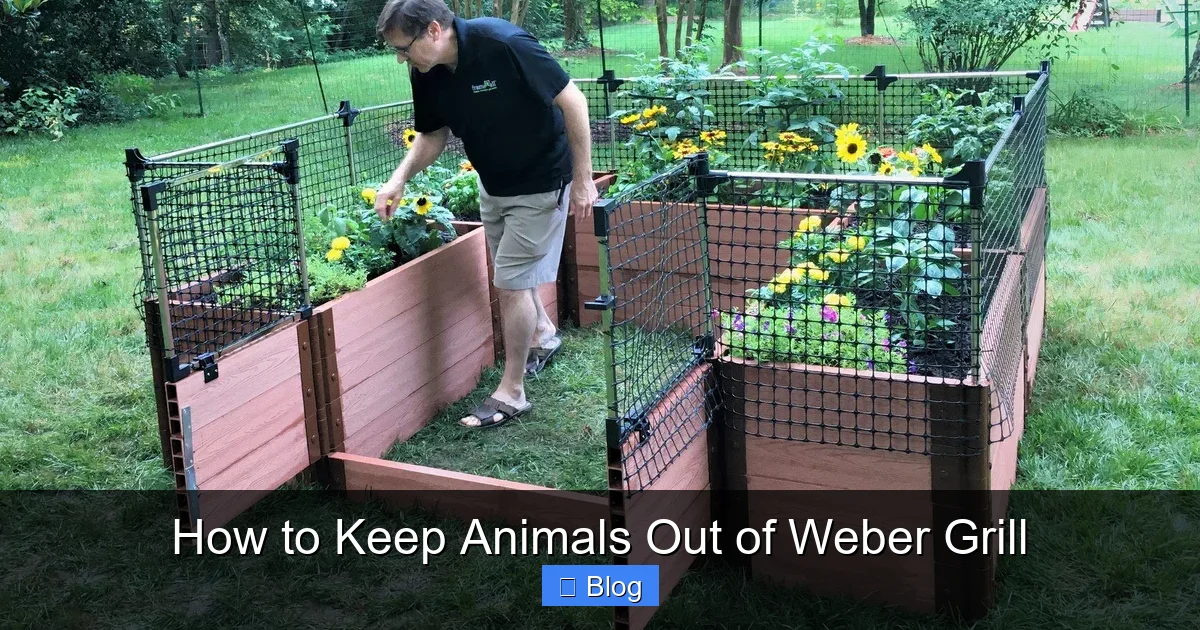
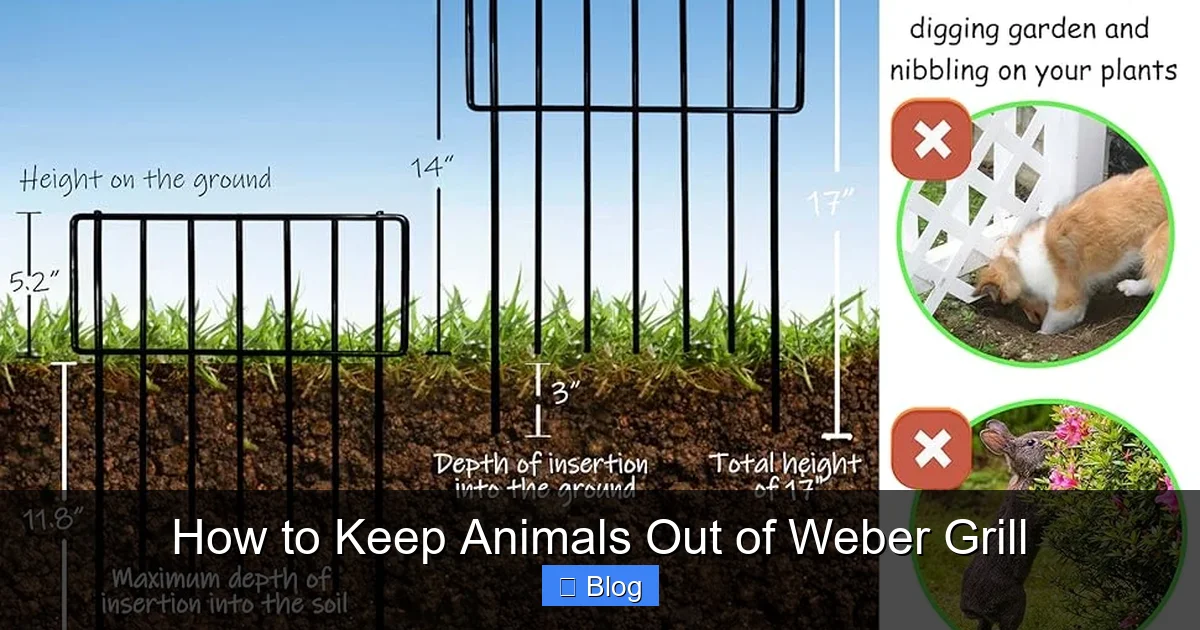
Building a simple enclosure around your grill can be a long-term solution. Use lattice panels, fencing, or even a small shed to create a barrier. Ensure the structure allows for proper ventilation and easy access when you need to cook. For example, a gazebo with mesh screening can protect your grill while still letting in fresh air.
Physical Barriers
Sometimes, the simplest solutions work best. Installing a motion-activated light or placing a bell on your grill cover can alert you to animal activity. Additionally, laying down gravel or mulch around the grill area can discourage burrowing animals from nesting nearby. These low-cost tricks can save you from a lot of headaches.
Maintenance Tips to Deter Animals
Regular maintenance isn’t just about keeping your Weber Grill in top shape—it’s also a crucial part of animal prevention. Here’s how to stay one step ahead.
Clean Regularly
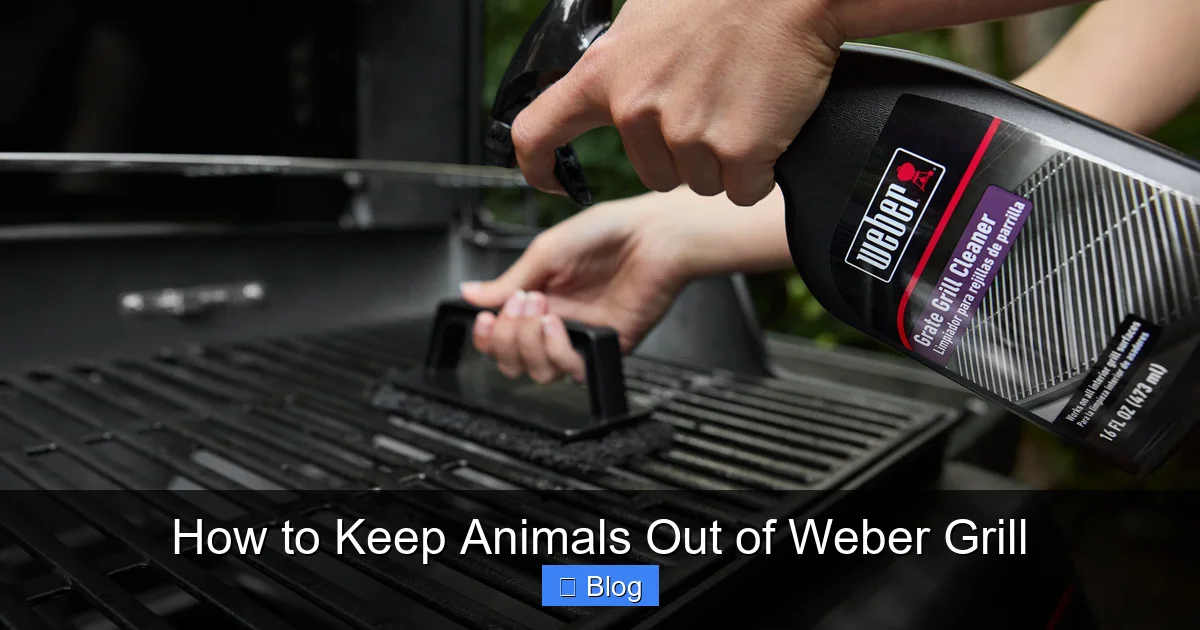
After each use, clean your grill thoroughly to remove food residue and grease. Use a grill brush to scrub the grates, and wipe down the exterior with a mild detergent. A clean grill is less likely to attract pests, and it also ensures better-tasting food. Don’t forget to check the grease tray and drip pan—stale grease is a magnet for unwanted visitors.
Check for Damage
Animals can cause hidden damage that’s not immediately obvious. Inspect your grill for chew marks, loose parts, or signs of nesting. For instance, rodents might gnaw through rubber hoses or electrical wires, creating safety hazards. Address any issues promptly to prevent further animal interest and to keep your grill functioning properly.
When Prevention Isn’t Enough: What to Do Next
Despite your best efforts, some animals might still find their way to your Weber Grill. Here’s how to handle the situation without losing your cool.
Contacting Professionals
If you’re dealing with a persistent problem, consider reaching out to pest control experts. They can assess the situation, identify entry points, and implement advanced deterrents. For example, they might install ultrasonic devices or suggest habitat modifications to make your yard less appealing to wildlife. Professional help is especially important if you suspect a larger animal is involved.
Insurance Considerations
Check your homeowner’s insurance policy to see if it covers damage caused by wildlife. Some policies may reimburse you for repairs or replacements, while others might require you to handle the issue yourself. If you live in an area prone to animal activity, it might be worth upgrading your coverage. Having a plan in place can save you money and stress in the long run.
Final Thoughts
Keeping animals out of your Weber Grill doesn’t have to be a battle. By understanding their motivations, implementing preventive measures, and staying vigilant, you can enjoy your outdoor cooking space without unwanted interruptions. Remember, the key is consistency—regular maintenance and smart deterrents are your best allies. So, fire up that grill with confidence, knowing you’re prepared for whatever nature throws your way. Happy grilling!
🎥 Related Video: How to Critter-Proof Your Grill (mice, rats, chipmunks, & raccoons)
📺 prowdpapa
Hey there viewers. I put this video together to show how critters can get inside your grill and create unsanitary conditions. By using …
Frequently Asked Questions
How can I keep animals out of my Weber grill?
Use a fitted grill cover, store it in a garage or shed, and place deterrents like motion-activated sprinklers nearby. This creates an unappealing environment for wildlife.
How To Keep Animals Out Of Weber Grill: What are the best ways to prevent critters from nesting in my Weber grill?
Clean the grill after each use, remove food debris, and seal any openings with steel wool or mesh. Also, keep the surrounding area free of trash to avoid attracting animals.
How To Keep Animals Out Of Weber Grill: Are there natural repellents I can use?
Sprinkle cayenne pepper or use predator urine around the grill, and consider planting rosemary or mint nearby. These scents discourage many small mammals from approaching.
Will a grill cover alone stop squirrels and raccoons?
A snug cover helps, but adding a weighted strap or bungee cords increases security. Combine the cover with physical barriers for best results.
Can I use a lockable grill cabinet to protect my Weber?
Yes, a lockable cabinet or outdoor safe provides a sturdy barrier that animals cannot easily breach. Store the grill inside when not in use to eliminate access.
How often should I inspect my Weber grill for signs of animal activity?
Check the grill weekly during peak pest season, looking for droppings, chew marks, or nesting material. Early detection prevents damage and pest infestations.



