
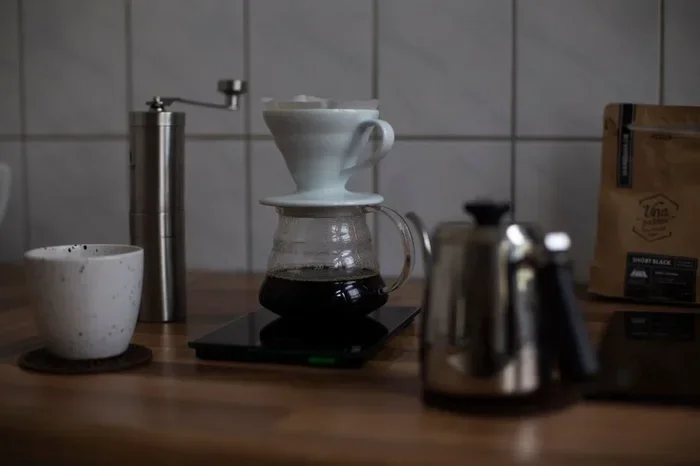
Learning how to make coffee at home is easier than you think. Whether you prefer drip coffee, a stove top percolator, or a simple pour over, this guide covers everything you need. You will discover the right coffee ratio, water temperature, and brewing methods to get a perfect cup every time. These easy steps will save you money and elevate your morning routine. Start brewing better coffee at home today!
There is nothing quite like a fresh cup of coffee at home in the morning. The aroma fills the kitchen, and the first sip wakes you up better than any alarm clock ever could. But making great coffee at home is not just about pressing a button. It is about understanding your beans, your water, and your brewing method.
Whether you are a complete beginner or someone who has been making coffee for years, this guide will help you improve your routine. We will walk you through every step of the process. You will learn about brewing methods, the right coffee ratio, how to choose the best coffee beans, and much more. By the end, you will know exactly how to make coffee at home that tastes just right.
The beauty of making coffee at home is that you control everything. You decide how strong you want it. You choose the ground coffee or whole beans. You pick the water temperature and the brew time. No more settling for bland office coffee or overpriced café drinks. Your kitchen becomes your personal coffee shop. Let us dive into the easy steps that will transform your morning routine.
Key Takeaways
- Choose the Right Beans: Fresh coffee beans make a huge difference in flavor and aroma.
- Master the Coffee Ratio: The perfect coffee-to-water ratio ensures a balanced and flavorful cup.
- Control Water Temperature: Hot water that is too hot or too cold ruins your brew.
- Explore Brewing Methods: From drip coffee to French press, there is a method for every taste.
- Store Coffee Properly: Keeping your beans and filters fresh extends their quality and shelf life.
- Clean Your Equipment: A clean coffee maker produces better tasting coffee every time.
- Experiment and Enjoy: Adjusting grind size, brew time, and ratios helps you find your ideal cup.
📑 Table of Contents
Choose Your Brewing Method
The first step in how to make coffee at home is picking a brewing method. Each method brings out different flavors and textures. Some are quick and simple. Others take a bit more time but deliver a richer cup. Here are the most popular options to consider.
Drip Coffee Maker
A drip coffee maker is the most common way people brew coffee at home. It is simple, fast, and consistent. You add water to the reservoir, place a coffee filter in the basket, add your grounds, and press start. The hot water drips through the grounds and drips into the pot below.
This method works well for busy mornings. You can brew multiple cups at once. Most drip machines brew in about five to ten minutes. If you want a straightforward morning routine, a drip coffee maker is hard to beat.
French Press
A French press gives you a full-bodied cup with rich flavor. You steep coarse coffee grounds in hot water for about four minutes. Then you press down a metal plunger to separate the grounds from the liquid.
The result is a bold and aromatic brew. French press coffee retains more of the natural oils from the beans. This means more flavor and a heavier mouthfeel. If you love strong coffee, this method is worth trying.
Pour Over Coffee
Pour over coffee is a favorite among coffee lovers who want precision. You pour hot water slowly over ground coffee placed in a filter. The water drips through and extracts the flavors evenly.
This method gives you control over every variable. You decide the pour speed, the water temperature, and the amount of water. It takes a little practice, but the payoff is a clean and flavorful cup. Many people say pour over coffee tastes the purest of all methods.
Stovetop Percolator
A stove top percolator is a classic way to brew coffee. It uses steam and pressure to cycle water through the grounds repeatedly. This creates a strong and bold cup of coffee.
If you want to learn more about this method, check out our guide on how to make coffee in a stove top percolator. It is a timeless brewing method that many people still love today.
Pick the Right Coffee Beans and Grounds
The foundation of great coffee starts with the beans. The quality of your coffee beans directly affects the taste of your brew. Fresh beans make a noticeable difference compared to old or stale ones.
Whole Beans vs Ground Coffee
Whole beans stay fresh longer than pre-ground coffee. When you grind beans just before brewing, you unlock more flavor and aroma. A simple burr grinder at home makes this easy.
However, pre-ground coffee is convenient. It works perfectly fine for drip coffee makers and French presses. If you buy ground coffee, store it in an airtight container. This keeps the flavor fresh for longer.
Light, Medium, or Dark Roast
Coffee beans come in different roast levels. Each roast brings out unique characteristics.
- Light Roast: Light and fruity with higher acidity. Great for pour over methods.
- Medium Roast: Balanced flavor with mild sweetness. Works well for drip coffee.
- Dark Roast: Bold and smoky with low acidity. Perfect for French press and espresso.
Experiment with different roasts to find what suits your taste. There is no right or wrong choice. It is all about what you enjoy drinking.
Get the Coffee Ratio Right
Getting the coffee ratio correct is one of the most important steps. Too much coffee makes your brew bitter. Too little makes it weak and watery. The right balance brings out the best flavor.
The Golden Ratio
The general rule is two tablespoons of ground coffee for every six ounces of water. This is called the golden ratio. It works for most brewing methods. You can adjust it based on your personal preference.
For stronger coffee, add an extra half tablespoon per cup. For a lighter brew, use a little less. The beauty of making coffee at home is that you can tweak the ratio until it is perfect for you.
If you want detailed guidance on measuring coffee properly, our article on how to measure coffee in a coffee maker covers this topic in depth. It is a great resource for beginners and experienced brewers alike.
Quick Reference Table
| Brewing Method | Coffee (tablespoons) | Water (ounces) | Strength |
|---|---|---|---|
| Drip Coffee Maker | 2 per 6 oz | 6 | Medium |
| French Press | 2.5 per 6 oz | 6 | Strong |
| Pour Over | 2 per 6 oz | 6 | Medium |
| Stovetop Percolator | 2.5 per 6 oz | 6 | Very Strong |
Master the Water Temperature
Water temperature plays a big role in how your coffee tastes. The right temperature extracts the flavors properly. Water that is too hot burns the grounds and creates bitterness. Water that is too cold under-extracts and leaves your coffee weak.
Ideal Temperature Range
The ideal temperature for brewing coffee is between 195 and 205 degrees Fahrenheit. That is just below boiling point. If you boil water and wait 30 seconds, it usually reaches this range.
For drip coffee makers, the machine usually heats water to the right temperature automatically. But for manual methods like pour over or French press, you need to monitor the heat yourself. A simple kitchen thermometer helps a lot.
Quick Tips for Water Temperature
- Bring water to a boil, then let it rest for 30 seconds.
- Use filtered water for a cleaner taste.
- Avoid reheating old water. Fresh hot water brews the best coffee.
- Pre-warm your coffee pot or mug before brewing.
Prepare and Brew Like a Pro
Now that you have your beans, ratio, and temperature figured out, it is time to brew. The preparation step is simple but important. Taking a few extra minutes makes a big difference.
Step-by-Step Brewing Process
- Measure your coffee: Use two tablespoons of grounds per six ounces of water.
- Heat your water: Bring water to 195 to 205 degrees Fahrenheit.
- Prepare your filter: Place a coffee filter in your brewer. Rinse it with hot water to remove any paper taste.
- Add the grounds: Put the measured coffee into the filter.
- Bloom the coffee: Pour a small amount of water over the grounds and wait 30 seconds. This releases CO2 and improves extraction.
- Brew: Pour the remaining water slowly and evenly. Let it drip through completely.
- Serve and enjoy: Pour into a warm mug and drink right away for the best flavor.
Following these steps consistently will improve your coffee every single time. Once you get the hang of it, the process becomes second nature.
Store Your Coffee and Supplies Properly
Proper storage keeps your coffee fresh and flavorful for longer. Storing coffee the wrong way can ruin even the best beans. A few simple habits go a long way.
How to Store Coffee Beans
Keep your beans in an airtight container at room temperature. Avoid storing them in the fridge or freezer. Moisture and odors from other foods can affect the taste. A cool, dark pantry is the best spot.
If you buy coffee in bulk, store most of it in a sealed container. Keep a small amount in a separate container for daily use. This way, you open the bulk bag less often and keep the beans fresher.
How to Store Coffee Filters
Coffee filters should be kept in a dry place. Moisture can cause them to get moldy or lose their shape. A simple pantry shelf works perfectly. If you want more tips on this, check out our guide on how to store coffee filters for best practices.
When you store filters properly, they last longer and perform better during brewing. It is a small detail that makes a real difference.
When to Replace Your Coffee Maker
Over time, coffee makers build up mineral deposits and old oils. This affects the taste of your brew. If your coffee starts tasting off no matter what you do, it might be time for a new machine. Learning how to properly dispose of an old coffee maker is also important for keeping your kitchen organized and eco-friendly.
Common Mistakes to Avoid
Even experienced home brewers make mistakes. Here are some common errors that can ruin your coffee. Avoid these, and your morning cup will improve dramatically.
- Using boiling water: Water that is too hot burns the coffee grounds and creates a bitter taste.
- Using old beans: Coffee beans lose their flavor after a few weeks. Always check the roast date.
- Grinding too fine or too coarse: The wrong grind size leads to over-extraction or under-extraction.
- Skipping the bloom: Not blooming your grounds means uneven extraction and weaker flavor.
- Not cleaning your equipment: Residue builds up over time and affects taste.
- Using tap water with strong odors: Chlorine and minerals in tap water can alter the flavor of your brew.
Avoiding these mistakes puts you ahead of most home brewers. Small changes lead to big improvements in your daily coffee.
Expert Tips for the Perfect Morning Cup
Here are some extra tips from experienced coffee lovers that will take your home brewing to the next level.
- Always use fresh, cold water: The quality of water matters more than most people realize. Filtered water produces the cleanest taste.
- Preheat your mug: Pour a little hot water into your mug before brewing. This keeps your coffee hot longer.
- Weigh your coffee: A kitchen scale gives you more precision than measuring spoons. Consistency is key.
- Experiment with ratios: Try adjusting the coffee-to-water ratio by small amounts. You might discover a new favorite strength.
- Clean your grinder regularly: Old oils and residue in your grinder affect the flavor of every new batch.
These tips may seem small, but they add up. Over time, they become part of your routine and help you brew the best possible cup every morning.
Conclusion
Making coffee at home does not have to be complicated. With the right beans, the correct ratio, the proper water temperature, and a method that suits your style, you can brew a fantastic cup every single morning. The steps are simple, and the results are rewarding.
Start with one brewing method and practice it. Once you feel comfortable, try another method. Explore different roasts and grind sizes. The journey of making great coffee at home is fun and satisfying.
Remember to store your beans and filters properly. Keep your equipment clean. And most importantly, enjoy the process. A great morning starts with a great cup of coffee. You now have all the tools and knowledge to make it happen right in your own kitchen.
Frequently Asked Questions
What is the best way to make coffee at home?
The best way depends on your personal preference. A drip coffee maker is the easiest and most convenient for most people. If you prefer bold and rich coffee, a French press or pour over method works wonderfully. The key is to use fresh beans, the right ratio, and proper water temperature.
How much coffee should I use per cup?
The standard recommendation is two tablespoons of ground coffee for every six ounces of water. This is the golden ratio that works for most brewing methods. You can adjust it slightly based on how strong or mild you like your coffee.
Can I use tap water to make coffee?
Yes, you can use tap water, but filtered water produces a cleaner and better-tasting cup. Tap water sometimes contains chlorine or minerals that can affect the flavor of your brew. If your tap water tastes good on its own, it should work fine for coffee.
How long should I brew coffee for?
Brewing time varies by method. Drip coffee makers usually take five to ten minutes. A French press needs about four minutes of steeping. Pour over coffee takes roughly three to five minutes. The goal is to extract the right amount of flavor without over-extracting.
How do I keep my coffee beans fresh?
Store coffee beans in an airtight container at room temperature in a cool, dark place. Avoid the fridge or freezer because moisture and odors can damage the beans. Whole beans stay fresh for about two to four weeks after opening the bag.
Is it cheaper to make coffee at home?
Yes, making coffee at home is significantly cheaper than buying it from a café every day. A bag of quality beans lasts for weeks and costs much less than daily café purchases. Over time, home brewing saves a lot of money while giving you more control over your cup.



