
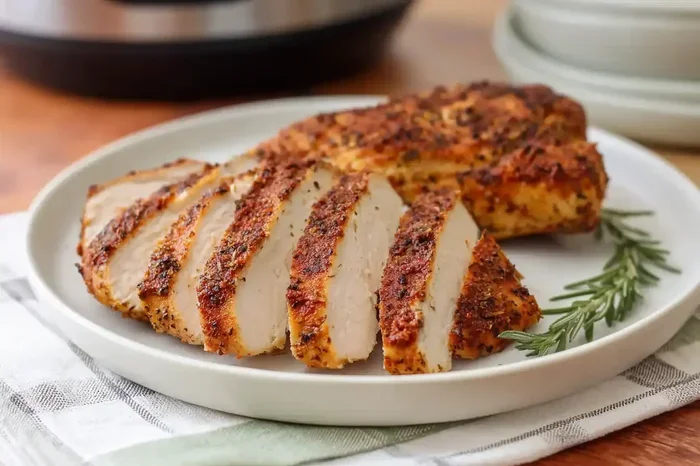
Cooking thin chicken breast in an air fryer is a fast, healthy way to get tender, flavorful meals without the hassle. With the right prep, simple seasonings, and precise cook times, you can avoid dry or rubbery meat and enjoy perfectly cooked poultry in minutes. This guide covers everything you need to know, from prep tricks to seasoning ideas, so you can serve safe, juicy chicken with confidence.
If you want a fast dinner that feels light but still tastes great, thin chicken breast is a smart choice. It cooks quickly, takes on flavor well, and fits into busy weeknights without much effort. The best part is that you do not need a fancy setup to get good results. A simple air fryer can handle the job beautifully when you follow a few easy steps.
Many people worry that poultry will turn dry or chewy, especially when the pieces are small and thin. That fear is understandable, but it is easy to avoid with the right method. The trick is to keep the thickness even, use a sensible temperature, and pay attention to timing. When you do that, you get a golden outside and a moist inside without much fuss.
In this guide, you will learn how to make thin chicken breast in air fryer with confidence. We will walk through prep, seasoning, cook time, and a few helpful tricks so your meals come out tender every time. Whether you are feeding one person or planning a quick family dinner, this method can save time and still deliver a satisfying plate.
Key Takeaways
- Prep matters most: Pound or slice the chicken evenly so it cooks at the same rate and stays tender.
- Use the right temperature: A moderate air fryer setting, around 375°F to 400°F, gives the best balance of browning and juiciness.
- Watch the clock: Thin cuts usually cook in 8 to 12 minutes, but always check the internal temperature for safety.
- Season simply: Salt, pepper, garlic powder, and paprika create a reliable base, but you can add herbs or a light marinade for more flavor.
- Avoid overcrowding: Give each piece space so hot air can circulate and crisp the outside evenly.
- Rest before serving: Let the chicken sit for a few minutes after cooking so the juices stay inside the meat.
- Store and reheat safely: Cool leftovers quickly, keep them in a sealed container, and reheat gently to preserve texture.
📑 Table of Contents
- Why Thin Chicken Breast Works So Well In An Air Fryer
- How To Prep Thin Chicken Breast For Best Results
- The Best Temperature And Cook Time For Juicy Chicken
- Helpful Tips To Keep Chicken Breast Tender
- Seasoning Variations For Every Taste
- Serving Ideas And Easy Meal Pairings
- Common Mistakes To Avoid
- Final Thoughts On Making Thin Chicken Breast In An Air Fryer
Why Thin Chicken Breast Works So Well In An Air Fryer
Thin chicken breast is one of the easiest proteins to cook when you want speed and consistency. Because the meat is slim and even, heat reaches the center quickly. That means you do not need a long roast or a complicated pan setup. You can go from raw to ready in a short window, which is perfect for busy evenings.
An air fryer helps a lot here because it moves hot air around the food. That steady airflow encourages browning on the outside while keeping the inside juicy. It also means less oil is needed compared with pan-frying. If you like meals that feel lighter but still have a nice texture, this is a great match.
Another reason this combo works is flexibility. You can season the chicken in many ways and still get good results. A simple salt-and-pepper finish works. So does a bold spice blend or a light coating of sauce. The air fryer handles each style well, as long as you do not overload the basket.
Fast Cooking For Busy Weeknights
When dinner needs to happen fast, thin cuts are a real help. They thaw quickly, season quickly, and cook quickly. You can have a full meal on the table in less time than it takes to order takeout. That makes this method ideal for school nights, workdays, and last-minute plans.
Speed also means less waiting around the stove. You can prep other parts of the meal while the chicken cooks. A simple salad, rice, or roasted vegetables can come together without stress. That makes the whole process feel easier and more organized.
Even Cooking When The Thickness Is Uniform
One of the biggest keys to tender results is uniform thickness. If one part of the breast is thick and another part is very thin, the thin part can dry out before the thick part is done. When the piece is even, the heat spreads more evenly. That gives you a better texture from edge to edge.
If your chicken is not naturally even, you can fix it with a gentle pound or by slicing it to a similar size. This small step makes a big difference. It helps the seasoning stick better too, since the surface is more consistent.
How To Prep Thin Chicken Breast For Best Results
Good cooking starts before the chicken ever goes into the basket. A little prep goes a long way, and it does not have to be complicated. The goal is simple: keep the meat even, dry enough to brown well, and ready to take on flavor.
Start by checking the chicken and drying it with paper towels. Excess moisture can soften the surface and slow down browning. Once it is dry, season it right away so the flavor has a chance to cling. If you want a stronger taste, a short marinade can help, but it is not required.
If the breast is thicker in some spots, gently pound it to an even shape. You do not need to make it paper-thin unless you want a very quick cook. Just aim for a consistent thickness so the heat treats every part the same. This is one of those small steps that improves the final result a lot.
Pounding Or Slicing For Uniform Thickness
There are two easy ways to get a more even piece of chicken. You can pound it lightly between sheets of parchment or plastic wrap, or you can slice a larger breast into smaller cutlets. Both methods work well, so choose the one that fits your meal.
Pounding is useful when you want to keep the breast whole but make it flatter. Slice it if you prefer smaller pieces that cook even faster. Either way, the aim is the same: a steady thickness that helps the meat cook evenly and stay tender.
Simple Seasoning Ideas That Actually Work
You do not need a long ingredient list to make the chicken taste good. A basic blend of salt, black pepper, garlic powder, and paprika is a reliable starting point. If you like a little warmth, add a pinch of cayenne or chili powder. If you want a fresher note, try dried herbs like oregano or thyme.
A light coating of oil can help the spices stick and improve browning. You do not need much. Just enough to give the surface a small sheen. Too much oil can make the outside feel heavy, so keep it modest.
The Best Temperature And Cook Time For Juicy Chicken
Getting the heat right matters a lot when you want juicy results. If the temperature is too high, the outside can brown too quickly while the center is still catching up. If it is too low, the chicken may take longer than needed and lose moisture. A balanced setting gives you a better finish.
For thin chicken breast, a range near 375°F to 400°F usually works well. This is hot enough to create color and texture, but not so hot that the meat rushes past doneness. If your pieces are very thin, you may lean toward the lower end of that range so they do not overcook.
Time is just as important as temperature. Thin cuts often cook in about 8 to 12 minutes, depending on size and exact thickness. That is a fairly short window, so it helps to check the chicken near the end. A quick look can save you from drying it out.
How Long To Cook Thin Chicken Breast In Air Fryer
A good starting point is around 8 to 10 minutes for very thin pieces and up to 12 minutes for slightly thicker ones. If you are cooking several pieces at once, the time may shift a little because the basket is more crowded. That is why it is smart to check doneness instead of relying only on the clock.
You can also flip the chicken halfway through if you want more even color on both sides. This is optional, but it can help when you want a balanced finish. If you choose to flip, do it gently so the surface stays intact.
Signs That The Chicken Is Done
The safest way to know the chicken is ready is to check the internal temperature. When it reaches 165°F, it is safe to eat. If you do not have a thermometer, cut into the thickest part and look for clear juices and an opaque center. The texture should be firm but still moist, not rubbery or dry.
If the chicken is slightly under, give it a minute or two more. If it is already done, remove it right away so it does not keep cooking in the hot basket. A little attention at the end makes a big difference in quality.
Helpful Tips To Keep Chicken Breast Tender
Juicy chicken is not just about timing. A few small habits can protect the texture and improve the final bite. These tips are easy to use, and they work well with almost any seasoning style.
First, do not overcrowd the basket. Air needs room to move around each piece. If the chicken is packed too tightly, the cooking can become uneven and the surface may not brown as nicely. Give the pieces a little breathing space whenever you can.
Second, avoid flipping too often. One flip is usually enough. Constant handling can disturb the surface and make the chicken lose moisture. Let it cook with as little interruption as possible.
Third, let the meat rest after cooking. A short rest helps the juices settle back into the meat instead of running out the moment you cut it. Even a few minutes can improve the eating experience.
Using Oil Or A Light Spray For Better Browning
A small amount of oil can help the outside turn golden and keep the seasoning in place. You can brush a little on or use a light spray if you prefer. The goal is not to fry the chicken, just to support color and texture.
If you use a spray, keep it even and light. Too much can create a greasy feel, while too little may not help much at all. A balanced coating gives you the best of both worlds.
How To Avoid Dry Or Rubbery Chicken
Dry chicken usually comes from one of three things: too much heat, too much time, or uneven thickness. If you keep the pieces similar in size and watch the cook closely, you can avoid most of those problems. It also helps to remove the chicken as soon as it hits the right doneness.
Another helpful habit is to use a simple brine or a short marinade if you have time. This can add a little extra moisture and improve flavor at the same time. Even a quick soak can make the meat feel softer and more forgiving during cooking.
Seasoning Variations For Every Taste
One of the best things about thin chicken breast is how easy it is to flavor. You can keep it classic or build a bolder profile depending on what your family likes. The air fryer handles both simple and more adventurous seasonings well.
If you want a crowd-pleaser, stick with garlic, salt, pepper, and a little paprika. If you want something brighter, add lemon zest or a splash of lemon juice after cooking. If you want a richer taste, try a light coating of herb seasoning or a touch of soy sauce in the marinade.
You can also build meals around the seasoning. A Mediterranean blend pairs well with vegetables and grains. A smoky spice mix works nicely with potatoes or coleslaw. A simple salted crust is perfect when you want the chicken to stay versatile for salads or wraps.
Quick Marinade Ideas For Extra Flavor
A marinade does not need to be complicated. Olive oil, lemon juice, garlic, and a little salt can do a lot. You can also add honey for a touch of sweetness or mustard for a mild tang. Let the chicken sit for a short time so the flavor has a chance to settle in.
If you are in a hurry, even ten or fifteen minutes can help. If you have more time, a longer soak can deepen the taste. Just keep the acid balanced so the surface does not get too soft before cooking.
Sauces And Finishes That Lift The Meal
Sometimes the chicken itself is simple, and the finish brings the flavor. A drizzle of pan sauce, a spoonful of salsa, or a light yogurt sauce can change the whole dish. Fresh herbs, sliced scallions, or a squeeze of citrus also work well.
These finishes are useful because they let you keep the cooking method easy while still making the meal feel complete. You can serve the same base chicken in different ways throughout the week without it getting boring.
Serving Ideas And Easy Meal Pairings
Thin chicken breast fits into many kinds of meals. It can be the center of a plate or just one part of a larger spread. Because it is light and adaptable, it works with both fresh and hearty sides.
For a quick lunch, slice the chicken and add it to a salad or wrap. For dinner, pair it with rice, roasted vegetables, or a simple starch. If you want something comforting, serve it with a warm sauce or a side of crispy potatoes. The options stay open because the chicken does not overpower other flavors.
You can also use leftovers in new ways. Chopped chicken can go into bowls, sandwiches, or pasta dishes. That makes this method useful beyond the first meal, especially when you want to save time later in the week.
Quick Sides That Match Well
If you want a balanced plate, try a mix of vegetables and a simple carb. Steamed broccoli, roasted carrots, green beans, or a fresh salad all work nicely. For carbs, rice, quinoa, couscous, or crusty bread can round things out.
Keep the sides simple so the chicken remains the focus. When the seasoning on the chicken is bold, choose milder sides. When the chicken is more neutral, you can let the sides bring more flavor to the table.
How To Store And Reheat Leftovers Safely
If you have leftovers, let the chicken cool to room temperature before storing it. Place it in a sealed container and keep it in the refrigerator for a short time only. When you are ready to eat it again, reheat it gently so it stays tender instead of drying out.
A short warm-up in the air fryer can help bring back some texture without overcooking the meat. You can also warm it in a skillet with a little moisture if you prefer. The main goal is to heat it through without turning it tough.
Common Mistakes To Avoid
Even an easy recipe can go sideways if a few basics are missed. The good news is that the common problems are simple to fix once you know what to watch for. A little attention goes a long way.
One mistake is skipping the prep step. If the chicken is wet, uneven, or poorly seasoned, the final result will suffer. Another mistake is setting the heat too high and rushing the cook. That can leave you with a browned outside and an overdone center.
A third mistake is ignoring doneness checks. Time is helpful, but it is not a perfect rule for every piece. Always confirm the chicken is ready before serving, especially if the thickness varies.
Overcrowding The Basket
When too many pieces are packed into the basket, airflow gets blocked. That can lead to uneven cooking and less browning. If you are making a larger batch, cook in rounds instead of forcing everything in at once.
This small change can improve the texture a lot. It also makes it easier to check the chicken as it cooks, since each piece is easier to see and move.
Not Checking Doneness
Guessing can work sometimes, but it is not the safest habit with poultry. A thermometer removes the guesswork and helps you avoid both undercooking and overcooking. If you do not have one, use a careful cut test and look for clear signs of doneness.
Checking at the end is especially important with thin cuts because they can move from perfect to dry quickly. A brief inspection can protect the texture and keep the meal enjoyable.
Final Thoughts On Making Thin Chicken Breast In An Air Fryer
Learning how to make thin chicken breast in air fryer is one of those skills that pays off again and again. It is quick, flexible, and easy to adapt to different tastes. With even prep, a sensible temperature, and a little attention near the end, you can get chicken that is tender, safe, and full of flavor.
The best part is that this method fits real life. It works on busy nights, lazy lunches, and meal prep days. It also leaves room for creativity, so you can keep the seasoning simple or build something more exciting whenever you want. Once you get comfortable with the basics, you can make the recipe your own.
If you want the most reliable results, remember the big ideas: keep the pieces even, do not overcrowd the basket, check doneness, and let the chicken rest before serving. Follow those habits, and you will have a steady go-to dinner that feels easy and tastes great.
Frequently Asked Questions
How do I keep thin chicken breast from drying out in the air fryer?
Keep the thickness even, use a moderate temperature, and avoid overcooking. A light coating of oil and a short rest after cooking also help the meat stay juicy.
What temperature is best for thin chicken breast in an air fryer?
A setting near 375°F to 400°F usually works well. If the pieces are very thin, the lower end of that range can help prevent them from drying out too fast.
How long should I cook thin chicken breast in an air fryer?
It often takes about 8 to 12 minutes, depending on size and thickness. Check the chicken near the end and use a thermometer to confirm it reaches 165°F.
Do I need to flip thin chicken breast while it cooks?
Flipping is optional, but one flip halfway through can help the color stay even on both sides. If you flip, do it gently so the surface does not fall apart.
Can I marinate thin chicken breast before air frying it?
Yes, a short marinade can add flavor and help the meat stay tender. Keep the soak brief if it contains acid so the texture stays firm before cooking.
How do I know when thin chicken breast is fully cooked?
The safest sign is an internal temperature of 165°F. You can also cut into the thickest part and look for opaque meat and clear juices.



