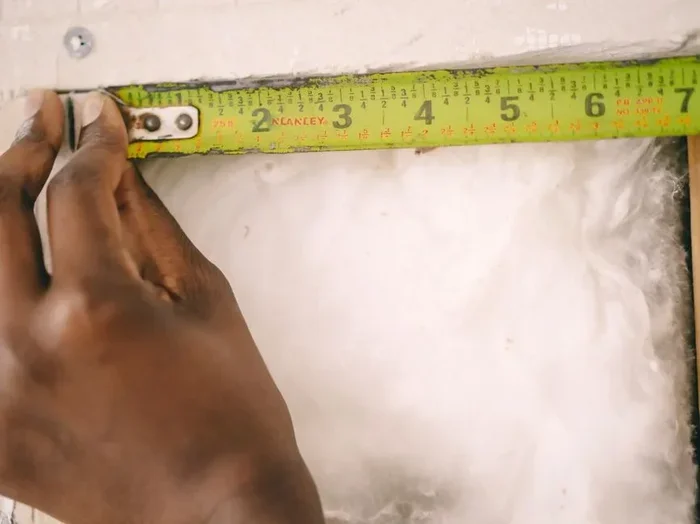
Measuring your cooktop correctly is the most important step before buying a replacement or upgrading your kitchen. Getting the right cooktop dimensions ensures a seamless fit, prevents costly mistakes, and saves you time during kitchen renovation. This guide walks you through every measurement you need, from cutout width to burner spacing, so you can shop with confidence.
So you want to upgrade your cooktop. Maybe your current one is cracked, outdated, or just not working the way you need it to. Whatever the reason, replacing a cooktop is one of the best ways to refresh your kitchen without a full remodel.
But here is the thing most people get wrong. They buy a new cooktop based on looks or price alone. Then they get home, open the box, and realize it does not fit. That is a frustrating and expensive mistake. The good news is that measuring a cooktop is simple once you know exactly what to do.
In this guide, we will walk you through every single measurement you need. We will cover the countertop cutout, the cooktop dimensions, ventilation space, and compatibility checks. By the end, you will feel confident measuring your cooktop like a pro. Let us get started.
Key Takeaways
- Know your cutout size: The countertop opening must match your new cooktop exactly for safe installation.
- Measure in inches: Always use inches for cooktop dimensions and double-check each measurement twice.
- Account for ventilation: Leave proper space behind and around the cooktop for airflow and safety.
- Check compatibility: Your new cooktop must match your existing power source and cabinet cutout.
- Consider burner layout: The number and size of burners affect how you use the cooking surface daily.
- Match cookware to your cooktop: The right pots and pans set for induction cooktop makes a big difference in performance.
📑 Table of Contents
Why Measuring Your Cooktop Matters
Before we dive into the how-to, let us talk about why this step matters so much. A cooktop that is too big will not fit into your countertop. One that is too small will leave gaps that look bad and could even be a safety hazard. A wrong measurement can also mean your gas cooktop or electric cooktop will not connect properly to your home’s power or gas supply.
Taking accurate measurements also helps you choose the right cooktop size for your kitchen layout. You want a cooking surface that fits your cooking habits. Do you cook for a big family and need four or five burners? Or do you mostly just boil water and make simple meals? Your answer determines the burner configuration you need.
Another reason measuring matters is compatibility. Not every cooktop works with every type of cookware. For example, if you choose an induction cooktop, you need non stick cookware for induction cooktop to get the best results. Measuring correctly ensures your new cooktop pairs well with what you already own.
Tools You Will Need
You do not need fancy tools to measure a cooktop. Here is what you should have ready before you start:
- Tape measure: A standard 25-foot tape measure works best. Make sure it is in good condition and easy to read.
- Pencil and paper: You will want to write down each measurement right away. Do not trust your memory.
- Level: A small bubble level helps you check if your countertop is even.
- Flashlight: If your cooktop is installed under cabinets, a flashlight helps you see the cutout clearly.
- Notepad or phone: For recording dimensions and jotting down notes about your current setup.
That is it. You do not need any power tools or special equipment. Just a tape measure and a few minutes of your time.
Step-by-Step Guide to Measuring Your Cooktop
Step 1: Measure the Cutout Width
The cutout width is the most critical measurement. This is the hole in your countertop where the cooktop sits. Use your tape measure and measure from one side of the opening to the other. Measure at the top, middle, and bottom of the cutout. Record all three numbers.
Why measure in three places? Because countertops are not always perfectly even. If the cutout is 30 inches at the top and 29.5 inches at the bottom, you need to know that. Always use the smallest measurement when comparing to a new cooktop. A new unit must fit through the opening, not hang over the edge.
Step 2: Measure the Cutout Depth
Next, measure how deep the cutout is from the front edge of the countertop to the back wall of the opening. This measurement matters because the cooktop needs to sit flush with the countertop surface. If the cutout is too shallow, the cooktop will sit too high and could be a burn risk.
Most standard cooktop cutouts are between 2 and 4 inches deep. But older kitchens or custom countertops may vary. Write this number down next to your width measurement.
Step 3: Measure the Cooktop Dimensions
Now measure the actual cooktop dimensions of the unit you plan to buy. This is the outside width and depth of the new cooktop. The new unit must be equal to or slightly smaller than your cutout. A gap of about 1/8 inch on each side is normal and helps with installation.
For example, if your cutout is 30 inches wide, a cooktop that is 29.5 inches wide will fit nicely. But a 30.5-inch unit will not go in. Always check the manufacturer’s listed dimensions before you buy.
Step 4: Check the Countertop Thickness
This step is often overlooked but very important. Measure how thick your countertop is. Standard countertop thickness ranges from 1 to 1.5 inches. Some cooktop models are designed for specific countertop thicknesses. If your countertop is too thick or too thin, the cooktop may not sit properly.
You can find your countertop thickness by measuring the edge where the cooktop will sit. Use your tape measure straight across the edge. This number helps you confirm that your new unit will be level and secure.
Step 5: Measure the Space Behind the Cooktop
Every cooktop needs ventilation space behind it. Measure the distance from the back of the cutout to any cabinets, walls, or backsplashes. Most manufacturers recommend at least 2 to 4 inches of space behind an electric cooktop or gas cooktop for proper airflow.
If you do not leave enough space, your cooktop can overheat. This shortens its lifespan and can become a fire hazard. Before you measure, make sure any existing backsplash or cabinets will not interfere with the new unit.
Step 6: Measure the Distance from the Front Edge
Measure how far the cutout sits from the front edge of the countertop. This matters for both appearance and safety. A cooktop that sits too close to the front edge can feel unstable and may be harder to use. Ideally, there should be at least 2 to 3 inches of countertop in front of the cooktop for placing pots and handling hot items.
Understanding Cooktop Types and Their Measurement Needs
Not all cooktops are the same. Different types have different measurement requirements. Here is a quick look at the most common options.
Electric Smooth-Top Cooktops
These are the most common type found in many kitchens. They have a flat glass or ceramic surface with electric heating elements underneath. When measuring for an electric cooktop, pay close attention to the flat surface area. The cutout must be completely level for the glass to sit properly.
These cooktops typically come in 30-inch and 36-inch widths. A 30-inch model fits most standard kitchens. If you have a larger countertop, a 36-inch model gives you more cooking surface and extra burners.
Induction Cooktops
Induction cooktops use magnetic fields to heat cookware directly. They are energy efficient and heat up fast. But they require compatible cookware. If you are switching to an induction cooktop, make sure your pots and pans have magnetic bottoms.
Measuring for an induction cooktop follows the same steps as an electric model. The key difference is that induction units tend to be slightly thinner, so countertop thickness matters even more. Also, induction cooktops generate less ambient heat, which means the space around the unit stays cooler.
Gas Cooktops
Gas cooktops use open flames and are favored by many home cooks for precise temperature control. When measuring for a gas cooktop, you must also account for the gas line connection. The cutout needs to align with the gas inlet on the back of the unit.
Gas cooktops also need more ventilation than electric models. Make sure your kitchen has proper range hood coverage. Measure the distance from the cooktop to the range hood and ensure it meets the manufacturer’s minimum clearance requirements.
Common Mistakes to Avoid When Measuring
Even experienced DIYers make mistakes when measuring a cooktop. Here are the most common errors and how to avoid them.
- Measuring only once: Always measure at least twice. A small error can mean the difference between a perfect fit and a unit that does not work.
- Guessing the cutout size: Never assume the cutout matches a standard size. Every kitchen is different. Always measure directly.
- Ignoring the countertop material: Glass, granite, laminate, and butcher block all have different thicknesses and edge profiles. Your measurement technique may need to adjust based on the material.
- Forgetting about the backsplash: If you plan to install a new backsplash, factor that into your measurements. A thick tile backsplash can reduce the effective space behind the cooktop.
- Not checking the power source: Before buying a new cooktop, confirm your kitchen has the right electrical outlet or gas connection. A 2-burner induction cooktop may need a dedicated 240-volt circuit.
Quick Tips for a Smooth Cooktop Replacement
Here are some expert tips to make your cooktop upgrade go smoothly:
- Take a photo of your current setup. This helps you remember the layout and makes it easier to compare with new models.
- Bring your measurements to the store. Write them down on a card and keep it in your wallet. You will thank yourself when shopping.
- Read the installation manual before buying. Different brands have different requirements for cutout size and ventilation space.
- Consider your cookware. If you are buying a new cooktop, make sure your existing pots and pans work with it. A pots and pans set for induction cooktop is a smart investment if you are switching to induction.
- Ask for help with installation. Even if you are handy, a second pair of hands makes the process safer and easier.
Matching Your Cooktop to the Right Cookware
Once you have your new cooktop installed, the next step is making sure your cookware works well with it. The right pots and pans can make your new cooktop perform even better. They heat more evenly, respond faster to temperature changes, and last longer.
If you have a glass or ceramic cooktop, you want cookware with flat, smooth bottoms. Rough or warped bottoms can scratch the surface. For induction cooktops, only magnetic cookware will work. Cast iron, stainless steel, and some carbon steel pans are all great choices.
For everyday cooking, having the right pan for each task makes a big difference. A good non stick frying pan for induction cooktop is perfect for eggs and delicate fish. A cast iron skillet for induction cooktop works beautifully for searing steaks and achieving a great crust. And a quality stock pot for induction cooktop handles soups, stocks, and boiling pasta with ease.
Taking the time to match your cooktop with the right pots and pans is one of the best things you can do for your kitchen. It improves your cooking experience and protects your investment in a new cooktop.
Final Thoughts
Measuring a cooktop may seem like a small detail, but it is the foundation of a successful kitchen upgrade. Get the measurements right, and your new cooktop will fit perfectly, work safely, and look great in your space. Get it wrong, and you could face costly returns, delayed installations, or even safety issues.
The process is straightforward. Measure your cutout width and depth, check your countertop thickness, account for ventilation space, and verify compatibility with your power source. Write everything down, double-check your numbers, and bring your measurements when you shop. That simple routine will save you time, money, and a lot of headaches.
Your kitchen is one of the most used spaces in your home. Upgrading your cooktop is a smart move that improves both function and style. So take your tape measure, follow the steps in this guide, and enjoy the process of creating a kitchen you will love to cook in every day.
Frequently Asked Questions
What are the standard cooktop dimensions?
Most cooktops come in 30-inch or 36-inch widths. The standard depth is about 20 to 22 inches. However, always measure your specific cutout before buying. Your countertop may have different dimensions that require a custom or non-standard size.
Can I replace my gas cooktop with an electric cooktop?
Yes, but you will need to make sure your kitchen has the right electrical connection. Most electric cooktops require a 240-volt outlet. You may need to hire an electrician to install the proper circuit. Always check your current power setup before switching fuel types.
How much space do I need behind a cooktop?
Most manufacturers recommend at least 2 to 4 inches of space behind the cooktop for ventilation. This allows heat to dissipate properly and prevents overheating. Check your specific model’s installation manual for exact clearance requirements.
What if my countertop cutout is not perfectly level?
A slightly uneven cutout is common in older kitchens. You can use shims during installation to level the cooktop. However, large gaps or significant unevenness may require countertop repair or replacement before installing a new unit.
Do I need special cookware for an induction cooktop?
Yes, induction cooktops require cookware with magnetic bottoms. Cast iron, stainless steel, and certain carbon steel pans work well. If your current pans do not stick to a magnet, they will not work on an induction cooktop. Consider investing in a quality non stick cookware set for induction cooktop.
How do I know if my cooktop is compatible with my cookware?
Check the manufacturer’s specifications for both the cooktop and your cookware. Look for compatibility information on the product packaging or the brand’s website. When in doubt, test your pan with a magnet to confirm it works with induction surfaces.