Scratches on your induction cooktop don’t mean you need a replacement. This guide shows you how to remove scratches from your induction cooktop using simple household items and proven techniques. You’ll learn everything from mild scratch removal to deeper repair methods, plus tips to prevent future damage and keep your glass cooktop looking brand new.
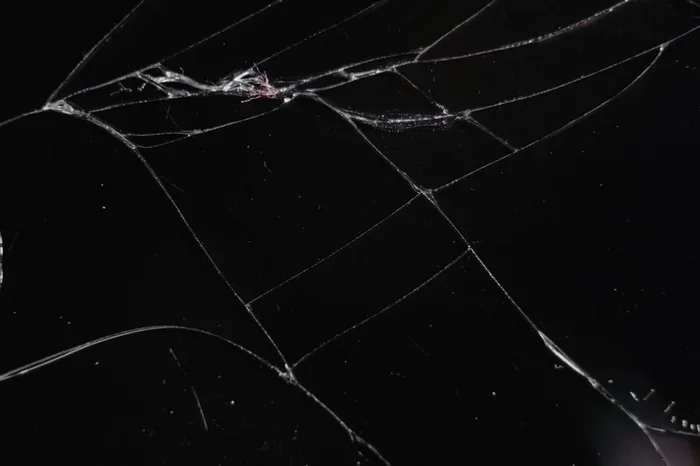
Your induction cooktop is a sleek, modern powerhouse in the kitchen. It heats up fast, cleans easily, and looks stunning. But there’s one thing that can ruin that smooth glass surface — scratches. Whether you dragged a heavy pot across the surface or used the wrong cleaning pad, those marks can bother you every time you cook.
The good news is that you don’t need to call a repair technician or spend a fortune. There are plenty of ways to fix scratches on your induction cooktop right at home. In this guide, we’ll walk you through everything from simple DIY fixes to professional-grade solutions. You’ll also learn how to prevent scratches from happening again. Let’s get your cooktop looking like new.
Key Takeaways
- Baking soda paste is a gentle and effective way to buff out minor scratches on your induction cooktop surface.
- Ceramic cooktop polishing compounds work best for moderate scratches that won’t go away with home remedies.
- Always use non-abrasive pads and avoid harsh chemicals to protect your glass cooktop from further damage.
- Prevention is key — using proper cookware and cleaning habits can stop scratches before they start.
- Deep scratches may need professional repair or a glass cooktop replacement if home methods don’t work.
- White vinegar and water make a great daily cleaner that keeps your induction hob looking smooth and shiny.
📑 Table of Contents
Why Do Induction Cooktops Get Scratched?
Understanding what causes scratches is the first step in fixing them. Your induction cooktop has a smooth glass-ceramic surface. It’s durable, but it’s not scratch-proof. Here are the most common culprits:
- Rough-bottomed cookware — Pots and pans with rough or warped bases can scratch the surface every time you slide them.
- Metal utensils — Dropping metal spoons or forks on the glass surface can leave marks.
- Abrasive cleaners — Using harsh scouring pads or powders wears down the cooktop finish over time.
- Food debris — Baking-on food creates friction when you scrub, which leads to fine scratches.
- Improper cleaning tools — Steel wool or rough sponges are the enemy of a glass cooktop.
Knowing the cause helps you choose the right fix. Light surface scratches are easy to treat. Deeper gouges need more effort. Let’s move on to the best removal methods.
How To Remove Scratches From Your Induction Cooktop
Not all scratches are the same. Some are surface-level and barely visible. Others are deep enough to catch your fingernail. Here are the most effective methods, ranked from mildest to most powerful.
Method 1: Baking Soda Paste for Light Scratches
Baking soda is a mild abrasive that works wonders on surface-level scratches. This is the safest and easiest method to try first.
Here’s what to do:
- Mix three parts baking soda with one part water to form a thick paste.
- Apply the paste directly over the scratches.
- Using a soft microfiber cloth, rub in small circular motions for about two minutes.
- Wipe the area clean with a damp cloth.
- Repeat if needed until the scratches fade.
This method works great for fine swirl marks and light scuffing. It won’t damage your cooktop because the abrasive is gentle enough for daily use. For best results, make sure the cooktop is cool before you start.
Method 2: White Vinegar and Water Solution
White vinegar is a natural cleaning powerhouse. It won’t remove deep scratches, but it does a fantastic job of brightening up the surface and making light marks less visible.
Mix equal parts white vinegar and water in a spray bottle. Spray the affected area and let it sit for five minutes. Then wipe it clean with a soft cloth. The acid in the vinegar helps to gently polish the glass-ceramic surface of your induction hob.
You can use this solution daily as part of your cooktop maintenance routine. It keeps the surface clean and reduces the buildup that can make scratches more noticeable.
Method 3: Cooktop Polishing Compound for Moderate Scratches
When baking soda isn’t enough, a dedicated cooktop polishing compound is your next best option. These products are specifically designed for glass-ceramic surfaces. They contain fine abrasives that smooth out scratches without damaging the cooktop.
Here’s how to use one:
- Clean the cooktop surface thoroughly first.
- Apply a small amount of polishing compound to a soft cloth.
- Rub the compound into the scratched area using gentle circular motions.
- Follow the product instructions for drying time.
- Buff the area with a clean, dry cloth until it shines.
Look for a polishing compound that’s safe for glass cooktops. Brands like Bar Keeper’s Friend and Cooktop Rescue are popular choices. These products work well on scratches that catch your fingernail slightly but aren’t deep enough to feel rough.
Method 4: Scratch Repair Kit for Deeper Scratches
For deeper scratches that won’t respond to household methods, a cooktop scratch repair kit is worth considering. These kits usually contain a filling compound and a polishing agent that work together to level out the damaged area.
The process typically involves:
- Cleaning the scratched area completely.
- Applying the filling compound over the scratch.
- Letting it cure according to the instructions.
- Sanding the filled area gently with fine-grit sandpaper.
- Polishing the surface to restore the smooth finish.
These kits are available online and at most hardware stores. They work best on isolated scratches rather than widespread damage. If your entire cooktop surface is heavily scratched, you might want to consider other options.
What Not To Do When Fixing Scratches
It’s just as important to know what to avoid as it is to know what to do. Some common “fixes” can actually make the damage worse. Here are mistakes to steer clear of:
- Don’t use steel wool or metal scrapers. These will create more scratches and ruin the cooktop surface permanently.
- Don’t use abrasive powders like Comet or Ajax. They’re too harsh for glass-ceramic surfaces and will leave a cloudy, scratched finish.
- Don’t apply too much pressure. Pressing hard while scrubbing doesn’t remove scratches faster — it just damages the surface more.
- Don’t use vinegar on hot surfaces. Always let the cooktop cool completely before cleaning.
- Don’t ignore the manufacturer’s guidelines. Check your cooktop manual before using any product. Some brands have specific recommendations for scratch removal.
One common mistake is using a scouring pad thinking it will speed up the process. It won’t. The roughness of the pad creates micro-scratches that make the surface look duller than before. Always stick to soft microfiber cloths or non-abrasive sponges.
Prevention Tips To Keep Your Cooktop Scratch-Free
Once you’ve removed the scratches, you’ll want to keep them from coming back. Prevention is the best long-term strategy for maintaining a beautiful induction cooking surface.
Choose the Right Cookware
The bottom of your pots and pans matters more than you think. Rough or warped cookware is the number one cause of scratches on glass cooktops. Look for pots and pans with smooth, flat bottoms. The best pots and pans set for induction cooktop will have perfectly flat, tempered bases that glide smoothly across the surface.
Also, make sure your cookware is free of food debris before placing it on the cooktop. Grains of sand or food particles trapped on the bottom of a pot act like sandpaper when you slide it across the glass.
Use the Right Cleaning Tools
Switch to microfiber cloths for daily cleaning. They’re soft, effective, and won’t leave marks. For tougher messes, use a non-abrasive sponge. A best cloth to clean stainless steel appliances also works great on glass cooktops since these cloths are designed to be gentle yet effective.
Avoid paper towels with textured surfaces. They can leave fine scratches over time, especially when you’re scrubbing dried-on food.
Adopt Better Cooking Habits
Small changes in your routine make a big difference:
- Always lift pots and pans instead of sliding them across the surface.
- Place a protective mat between heavy cookware and the cooktop when moving it.
- Clean spills right away before they bake on and create friction during scrubbing.
- Use silicone or wooden utensils instead of metal ones when cooking directly on the surface.
- Wait for the cooktop to cool before cleaning to avoid thermal shock and surface damage.
These habits take seconds to follow but save you hours of scratch repair in the long run.
When To Call a Professional
Sometimes home remedies just aren’t enough. If your cooktop has deep gouges, widespread damage, or scratches that affect the heating elements, it’s time to call in the experts. A professional can assess whether the cooktop can be restored or if a replacement is needed.
Professional cooktop restoration services use industrial-grade polishing equipment that can smooth out even deep scratches. The cost varies, but it’s usually much cheaper than buying a new cooktop. If your unit is still under warranty, check with the manufacturer before paying for any repairs — you might be covered.
Final Thoughts on Removing Scratches
Scratches on your induction cooktop are frustrating, but they’re not the end of the world. With the right approach, you can remove most scratches using simple household items or affordable polishing products. Start with the gentlest method and work your way up if needed. Always prioritize prevention by using the right cookware and cleaning tools.
Your cooktop is an investment in your kitchen. Taking care of it with proper cleaning and maintenance keeps it looking great and performing well for years. Whether you’re dealing with a few light marks or deeper scratches, the methods in this guide give you everything you need to restore your surface. Get started today, and enjoy a scratch-free cooktop every time you cook.
Frequently Asked Questions
Can deep scratches on an induction cooktop be completely removed?
Deep scratches are harder to remove completely, but a cooktop scratch repair kit or professional restoration service can significantly reduce their appearance. If the scratches are very deep and affect the heating elements, replacement might be the best option.
Is it safe to use baking soda on an induction cooktop?
Yes, baking soda is safe and gentle enough for regular use on glass cooktops. Just make sure you use a soft cloth and avoid pressing too hard. It’s one of the most effective and affordable ways to treat surface scratches.
How often should I clean my induction cooktop to prevent scratches?
Wipe down your cooktop after every use to prevent food buildup. A deeper clean with a gentle solution once a week keeps the surface in great shape and reduces the need for scratch removal over time.
Can I use a scratch remover meant for car paint on my cooktop?
No, car scratch removers are formulated for automotive paint and may contain chemicals that damage glass-ceramic surfaces. Always use products specifically designed for glass cooktops or ceramic glass cooktop surfaces.
What type of cookware prevents scratches on induction cooktops?
Cookware with smooth, flat, tempered glass or ceramic bottoms works best. Avoid cast iron with rough bottoms and any pots or pans with debris trapped underneath. The best non-stick frying pan for induction cooktop typically has a smooth base that glides without scratching.
Do induction cooktop scratch repair kits really work?
Yes, quality repair kits work well on moderate scratches. They fill in the damaged area and polish it smooth. Results vary depending on the depth of the scratch, but most users see a noticeable improvement after following the instructions carefully.