
Reheating coffee is possible, but it demands care to protect the delicate flavors you love. When you know how to reheat coffee properly, you can enjoy a warm cup without the unpleasant bitter taste that often ruins leftovers. The best approach focuses on gentle heat, proper storage, and smart timing. Read on to learn simple techniques that keep your brew tasty and aromatic from the first sip to the last.
Key Takeaways
- Gentle heat works best: Use low stovetop heat or a warm water bath to avoid scorching the brew.
- Avoid the microwave when possible: Microwaves heat unevenly and can create harsh, burnt notes.
- Store coffee right away: Cool your coffee quickly and keep it sealed to limit oxidation and stale flavors.
- Reheat only once: Repeated heating breaks down aromatics and increases bitterness.
- Add fresh elements: A splash of hot water, milk, or a new pinch of spices can brighten reheated coffee.
- Choose the right vessel: Ceramic or stainless steel mugs help maintain steady warmth without hot spots.
- Know when to let it go: If the coffee smells flat or tastes sharply bitter, it is better to brew a fresh cup.
📑 Table of Contents
Introduction
We have all been there. You brew a fresh pot, get distracted, and return to a cold mug. Now you want that warmth back. The good news is that reheating coffee is simple when you use the right method. The bad news is that rough handling can turn a smooth cup into a bitter, flat one.
Coffee changes as it cools. Aromatics fade, acids shift, and bitter compounds become more noticeable. That is why how to reheat coffee matters so much. Gentle heat, careful timing, and smart storage make a big difference. In this guide, you will learn practical ways to warm your brew, what to avoid, and how to keep flavor intact.
Why Coffee Changes When It Cools
Coffee is a complex drink. It holds hundreds of aromatic compounds that give each cup its character. Heat helps release those aromas, while cooling slows them down. As the temperature drops, your nose picks up less scent, and the cup tastes quieter.

Visual guide about steaming hot cup coffee
Image source: simplycookingrecipes.com
At the same time, oxidation begins. Oxygen interacts with the coffee oils and acids. This process can mute sweetness and bring out sharper notes. If the coffee sits too long, the flavor profile drifts. That is why proper coffee storage is just as important as reheating.
The Role of Heat in Flavor
Heat does two things. It revives aroma and it changes chemistry. A gentle rise in temperature can help the cup feel lively again. Too much heat, though, pushes the brew toward burnt and harsh territory. The goal is to warm, not to cook.
What Happens When Coffee Sits Too Long
Leftover coffee continues to lose volatile compounds. The bright notes fade first. Then the body feels thinner. If the pot or mug is left open, the smell disappears even faster. Covered storage slows this decline and gives you a better starting point for warming the cup.
Best Methods for Reheating Coffee
There is no single perfect method for every kitchen. Your choice depends on how much time you have, what equipment you own, and how much flavor you want to preserve. Below are the most reliable approaches for reheating coffee without ruining the taste.
Visual guide about steaming hot cup coffee
Image source: static.vecteezy.com
Stovetop Method
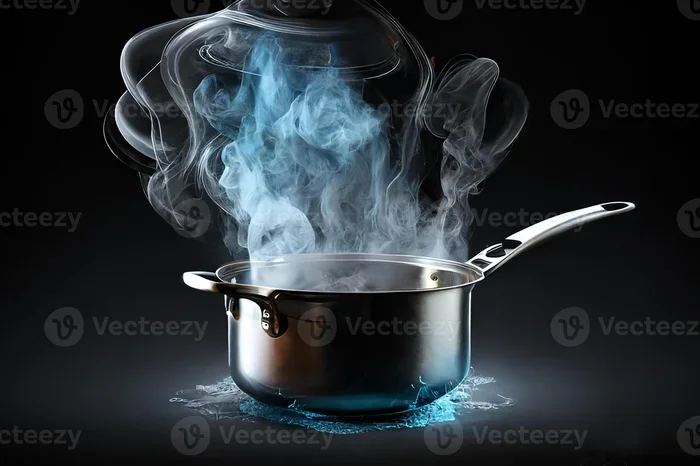
This is the most controlled option. Pour the coffee into a small saucepan. Warm it over low heat. Stir gently from time to time. Stop as soon as the cup is hot, not boiling.
Low and slow is the key. High heat creates hot spots and encourages bitter flavors. A small pan heats faster and more evenly than a large one, so use the right size. If you like a cleaner taste, pour the coffee through a fine mesh strainer after warming to catch any sediment.
Water Bath Method
This method is gentle and safe. Place your sealed mug or jar into a bowl of hot water. Let the heat transfer slowly. Replace the water if it cools down too much. This approach takes a little patience, but it protects the flavor well.
It works especially well for smaller amounts. If you only need to warm one cup, a water bath avoids direct heat entirely. That means less risk of scorching. It is also a good choice if you are reheating a delicate light roast that tastes best with soft handling.
Microwave Method
The microwave is fast, but it needs care. Use a microwave-safe mug. Heat in short bursts. Ten to fifteen seconds at a time is enough. Stir between each burst to spread the warmth evenly.
Uneven heating is the main problem. Some parts become very hot while others stay cool. That can create harsh notes and a strange mouthfeel. A ceramic mug with a wide base usually heats more evenly than a thin plastic cup. If you must use the microwave, keep the power moderate and watch the time closely.
Quick Tips for Even Heating
- Warm in short intervals: Short bursts prevent hot spots and burnt flavors.
- Stir often: Gentle stirring spreads heat and keeps the brew consistent.
- Use a lid or cover: A cover helps trap heat and reduces oxidation during warming.
- Stop before boiling: Once the coffee is hot, remove it right away.
What to Avoid When Reheating Coffee
Some habits make reheating coffee taste worse. The biggest mistake is high heat. Boiling coffee drives off aromatics and pushes bitter compounds forward. Another common mistake is reheating the same cup multiple times. Each round removes more flavor and adds more bitterness.
Visual guide about steaming hot cup coffee
Image source: thumbs.dreamstime.com
Leaving coffee open is another issue. Air exposure speeds up oxidation and dulls the cup. A closed container or a mug with a cover slows that process. Also, avoid storing coffee in a hot car or near a stove. Heat and light both work against freshness.
Common Mistakes
- Boiling the brew: Boiling creates harsh, burnt flavors and ruins aroma.
- Reheating again and again: Repeated warming breaks down the best parts of the cup.
- Using a sealed container in the microwave: Pressure can build up, so always vent the container safely.
- Forgetting to stir: Without stirring, hot spots make the taste uneven.
Expert Insights
Professional baristas often say that coffee is best fresh, but they also know that a careful warm-up can save a cup. The main idea is simple: treat the brew gently. Small temperature changes are better than big swings. If the coffee has been stored well and reheated with patience, it can still taste pleasant.
Another useful insight is to think about the roast. Darker roasts usually tolerate reheating a bit better because their flavor is already bold. Lighter roasts are more delicate and can lose brightness fast. If you are warming a light roast, use the gentlest method you have.
Improving the Taste of Reheated Coffee
Sometimes warming alone is not enough. A few small additions can help the cup feel fresher. These tricks do not replace a new brew, but they can make a leftover cup more enjoyable.
Add Hot Water
A small splash of hot water can soften a concentrated or bitter cup. It also helps release aroma. Add a little at a time and taste as you go. This is a simple way to adjust strength without making the coffee watery.
Add Milk or Plant-Based Alternatives
Milk adds body and smooths sharp edges. It can make a reheated cup feel rounder and softer. If you use plant-based milk, choose one that blends well with coffee and warms without separating. Add it after the coffee is hot, not before, so you can control the flavor.
Refresh With Spices or Extracts
A tiny pinch of cinnamon, a drop of vanilla, or a dusting of cocoa can brighten the cup. These additions bring a fresh scent and a new layer of flavor. Use them sparingly. The goal is to enhance, not mask, the coffee.
Quick Tips
- Taste first: Check the flavor before adding anything. If it is already pleasant, keep it simple.
- Adjust gradually: Small changes are easier to control than large ones.
- Use fresh additions: Fresh spices and clean milk make a bigger difference than old ingredients.
Storage Tips to Make Reheating Easier
Good storage makes reheating coffee much easier. If the coffee starts in better shape, it finishes in better shape too. The first rule is to cool it quickly. Do not leave a large pot on the counter for hours. Pour it into a smaller container or a sealed jar once it is safe to handle.
The second rule is to limit air exposure. A tight lid helps. If you use a carafe, keep the lid closed between sips. The third rule is to keep coffee away from strong odors. Coffee can pick up smells from spices, onions, or cleaning products if it is stored carelessly.
How Long Can Coffee Sit Before Reheating?
There is no hard line that fits every cup, but shorter is better. Coffee stored in a sealed container and reheated within a few hours usually tastes more balanced than coffee left out all day. If the cup has been sitting open for a long time, the flavor may already be too flat to rescue.
Best Containers for Leftover Coffee
- A small sealed jar: Less air space means less oxidation.
- A covered mug: Convenient for one cup and easy to warm later.
- A clean carafe with a lid: Good for larger amounts, as long as it stays closed.
If you often have leftovers, consider brewing smaller amounts. A smaller batch reduces waste and gives you fresher coffee overall. That is often the simplest way to enjoy better flavor every day.
When It Is Better to Brew a Fresh Cup
Sometimes the kindest thing you can do for your taste buds is start over. If the coffee smells stale, tastes sharply bitter, or feels thin and dull, a fresh brew will almost always win. Reheating can help, but it cannot create aromatics that are already gone.
This is especially true if you want a special cup for a guest or a morning ritual. In those moments, freshness matters. A new brew brings back the full range of scent and flavor. If you are simply thirsty and want warmth, a careful warm-up may be enough.
Key Takeaways
- Gentle heat protects flavor: Low stovetop heat or a water bath works well.
- Microwave with caution: Short bursts and stirring help, but uneven heating is still a risk.
- Storage matters: Cool quickly, cover tightly, and limit air exposure.
- Do not reheat repeatedly: One careful warm-up is better than many rounds.
- Small additions can help: Hot water, milk, or a light spice can improve the cup.
- Fresh coffee is best: When flavor has faded too much, brew a new cup.
Conclusion
Learning how to reheat coffee is mostly about patience and gentle heat. A slow warm-up on the stovetop, a careful water bath, or a short microwave session can bring back comfort without turning your cup bitter. Good storage helps even more, because coffee that starts fresh reheats better.
Remember the basics. Keep the heat low. Stir often. Avoid repeated warming. Add a small refreshment if needed. And when the flavor has faded too far, choose a new brew. With these simple habits, you can enjoy a warm cup that still tastes like coffee should.
Frequently Asked Questions
Can you reheat coffee without making it bitter?
Yes, if you use gentle heat and stop before the coffee gets too hot. Low stovetop warming or a water bath usually works better than a microwave. Stirring and avoiding repeated heating also help keep the flavor smoother.
Is it safe to reheat coffee in the microwave?
It is safe if you use a microwave-safe mug and heat in short bursts. Stir between intervals to spread the warmth evenly. Avoid sealed containers, and do not overheat the coffee.
How many times can you reheat coffee?
It is best to reheat coffee only once. Each heating cycle reduces aroma and increases bitterness. If you need another warm cup later, brewing a fresh one will usually taste better.
Does storing coffee properly make reheating better?
Yes, good storage makes a big difference. Cool the coffee quickly, keep it covered, and limit air exposure. That slows oxidation and gives you a better starting point when you warm it later.
What is the best way to reheat a single cup of coffee?
A water bath or low stovetop heat is usually the best choice for one cup. If you use a microwave, heat in short intervals and stir often. The goal is to warm the coffee gently, not to boil it.
Can you add milk before reheating coffee?
It is usually better to add milk after reheating. That gives you more control over the flavor and reduces the chance of separation. If you want a creamier cup, warm the coffee first, then stir in the milk.



