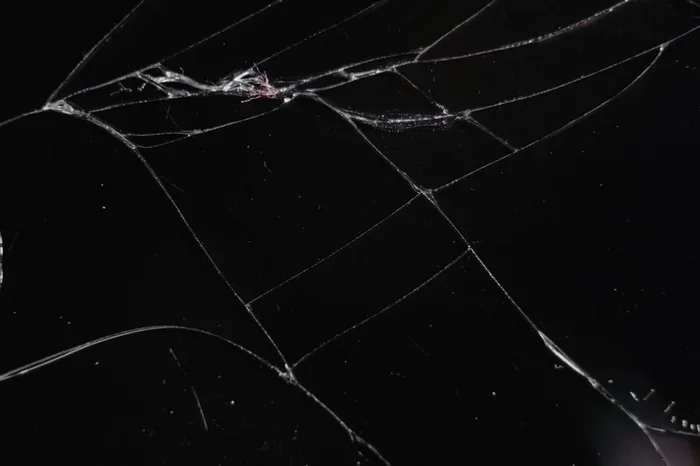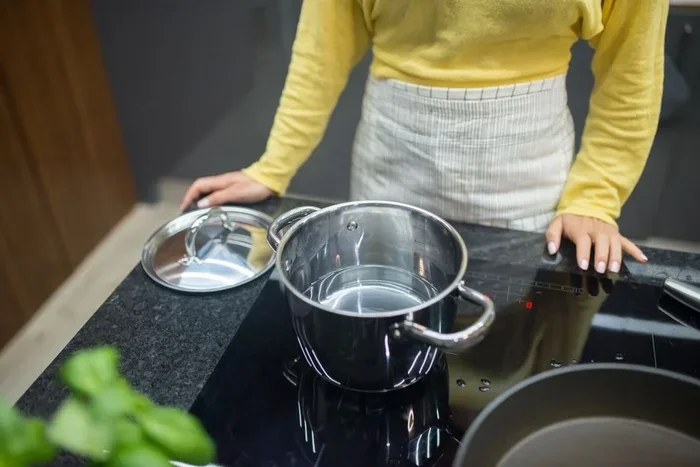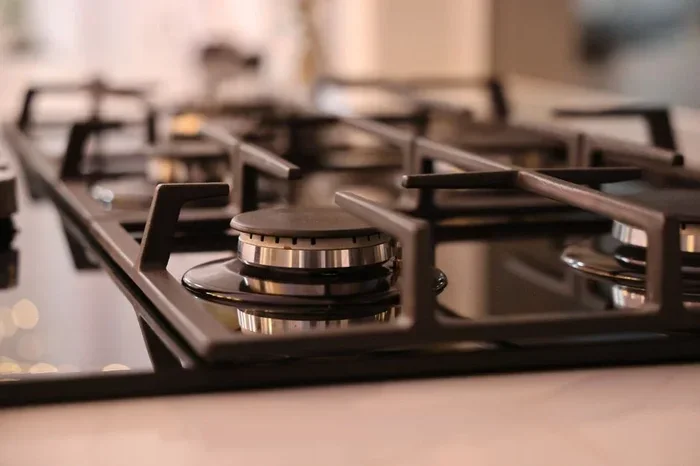
You can remove scratches from a glass cooktop at home using simple household items and proven techniques. Baking soda, toothpaste, and specialized cooktop cleaners work surprisingly well for light to moderate surface scratches. With the right approach, you can restore your cooktop’s smooth, shiny finish without spending money on professional repairs.
How To Remove Scratches From A Glass Cooktop At Home
Your glass cooktop looks stunning when it is smooth and shiny. But once scratches appear, it starts to look worn and tired fast. The good news is that you do not need to call an expensive repair technician. Most surface scratches on a glass cooktop can be fixed right at home with simple tools and a little patience. In this guide, I will walk you through every method that actually works. You will learn how to identify scratch depth, which products to use, and how to keep your stovetop looking brand new for years to come.
Whether you have light surface marks or deeper gouges, there is a solution that fits your situation. I have tested these methods on my own glass ceramic stovetop and seen real results. The key is matching the right technique to the right type of scratch. This article breaks it all down in plain, simple steps you can follow today.
Key Takeaways
- Use a baking soda paste to gently buff out light scratches with circular motions.
- Apply a cooktop repair kit for deeper scratches that need filling and polishing.
- Clean the surface first with a mild cleaner to remove debris and grease.
- Never use steel wool or harsh abrasives that can deepen existing scratches.
- Test any method on a hidden area before applying it to visible damage.
- Polish the cooktop after treatment with a microfiber cloth to restore shine.
📑 Table of Contents
- Why Glass Cooktops Get Scratched In The First Place
- What You Need Before You Start Repairing Scratches
- How To Remove Light Surface Scratches
- How To Remove Deeper Scratches From A Glass Cooktop
- How To Prevent Scratches On Your Glass Cooktop
- When To Call A Professional Instead Of DIY
- Quick Tips For Maintaining A Scratch-Free Cooktop
Why Glass Cooktops Get Scratched In The First Place
Understanding what causes scratches helps you prevent them in the future. A glass cooktop is made from tempered glass ceramic. It is durable but not indestructible. Here are the most common culprits behind surface damage:
- Dragging heavy pots or pans across the surface without lifting them first
- Using cookware with rough or warped bottoms
- Spilled food that bakes on and creates abrasive buildup
- Cleaning with harsh abrasive pads or powders
- Dropping small items like spice jars or utensils onto the surface
- Cooking at extremely high temperatures that cause thermal stress
The good thing is that most scratches are only in the top protective layer. That means they respond well to gentle polishing and buffing techniques. Only deep gouges that reach the inner glass layer require professional attention. But even then, you have options.
What You Need Before You Start Repairing Scratches
Gathering the right supplies before you begin saves time and frustration. Here is a simple list of everything you will need for most scratch removal jobs:
- Microfiber cloths — at least two or three clean ones
- Baking soda — creates a gentle abrasive paste
- White vinegar — helps dissolve buildup and grime
- Non-abrasive cooktop cleaner — a dedicated stovetop cleaner works best
- Cerium oxide powder — the gold standard for deeper scratch removal
- Soft buffing pad or cloth — for polishing the surface
- Rubbing alcohol — for final cleaning before polishing
- Plastic scraper — for removing residue without causing new scratches
Before you begin any scratch removal method, make sure your cooktop is completely cool. Never apply any cleaning solution to a hot surface. Also, remove all cookware and debris from the area. A clean, dry surface gives you the best view of the scratches and the best results.
How To Remove Light Surface Scratches
Light scratches are the most common type of damage. They only affect the very top layer of your glass cooktop. You can usually fix these with household items you already have in your kitchen.
Method 1: Baking Soda Paste
This is the simplest and most accessible method. Baking soda is a mild abrasive that buffs out surface marks without damaging the glass.
- Mix three parts baking soda with one part water to form a thick paste.
- Apply the paste directly over the scratched area.
- Using a damp microfiber cloth, rub in small circular motions for about two minutes.
- Wipe away the paste with a clean, damp cloth.
- Inspect the area. Repeat if the scratch is still visible.
This method works well for fine, shallow scratches that you can feel with your fingernail but do not see clearly from a distance. The gentle abrasion of the baking soda smooths out the rough edges of the scratch, making it nearly invisible.
Method 2: White Vinegar And Baking Soda Combo
For scratches that sit on top of baked-on grime, this combo does double duty. The vinegar dissolves the buildup while the baking soda buffs the scratch itself.
- Spray white vinegar directly onto the scratched area
- Sprinkle a generous amount of baking soda over the vinegar
- Let the mixture fizz for about thirty seconds
- Gently rub with a microfiber cloth using circular motions
- Rinse thoroughly and dry with a clean cloth
After this treatment, your glass ceramic stovetop should look noticeably smoother. If the scratch is still there, move on to the deeper scratch methods below.
How To Remove Deeper Scratches From A Glass Cooktop
Deeper scratches are more noticeable and harder to treat. They often catch your fingernail and are visible even from across the room. These require stronger polishing compounds to fill and smooth out the damaged area.
Method 3: Cerium Oxide Polish
Cerium oxide is a fine polishing compound used by professionals and DIYers alike. It is the most effective at removing deeper scratches from glass surfaces. You can find it online or at most hardware stores.
- Mix cerium oxide powder with water until you get a toothpaste-like consistency
- Apply the mixture to the scratched area
- Using a soft buffing pad, rub in firm circular motions for five to ten minutes
- Keep the area damp — do not let the paste dry out
- Wipe clean with a damp microfiber cloth
- Inspect the result and repeat if needed
This method takes more effort than baking soda, but the results are far better for serious scratches. The cerium oxide fills in the scratch and restores the smooth, reflective surface of your cooktop.
Method 4: Cooktop Scratch Removal Kit
Several brands sell dedicated scratch remover kits designed specifically for glass cooktops. These kits usually include a polishing compound, a buffing pad, and detailed instructions. They are a great option if you want everything in one package. Brands like Cooktop Rescue and GlassCooktop Pro have received positive reviews from home cooks. A dedicated kit gives you the right grit progression to tackle scratches of varying depth without risking further damage.
| Scratch Type | Best Method | Difficulty Level | Time Required |
|---|---|---|---|
| Light surface marks | Baking soda paste | Easy | 5 minutes |
| Fine scratches with grime | Vinegar and baking soda | Easy | 10 minutes |
| Moderate deep scratches | Cerium oxide polish | Medium | 15-20 minutes |
| Deep gouges or cracks | Professional repair kit or service | Hard | 30+ minutes |
Use this table to quickly identify which method matches your scratch type. Starting with the gentlest method is always the smart move. You can always move to a stronger approach if the first attempt does not fully remove the scratch.
How To Prevent Scratches On Your Glass Cooktop
Once you have removed those scratches, you will want to keep your smooth cooktop surface looking pristine. Prevention is always easier than repair. Here are the habits that make a real difference:
- Always lift pots and pans when moving them on the cooktop. Never drag them across the surface.
- Check the bottom of your cookware before placing it on the stove. Rough or warped bottoms are the number one cause of scratches.
- Use a cooktop protector when cooking messy or high-heat foods that might boil over.
- Clean spills promptly. Baked-on food creates a rough surface that scratches the glass during normal cooking.
- Use a non-abrasive cleaner and a soft cloth for routine cleaning. Avoid steel wool and harsh scrubbers.
- Choose the right cookware. The best pots and pans for a glass cooktop have flat, smooth bottoms made of stainless steel, cast iron, or enamel.
Taking care of your glass cooktop surface does not take much time. A few simple habits each week keep the surface looking new and extend the life of your stovetop significantly.
When To Call A Professional Instead Of DIY
Not every scratch belongs in the DIY category. Some damage goes beyond what home methods can fix safely. Here are clear signs you should call a professional:
- The scratch is deep enough to see through to the inner glass layer
- The cooktop has visible cracks alongside the scratches
- Multiple deep scratches cover a large area of the surface
- DIY methods have not improved the appearance after two attempts
- The cooktop has electrical or heating issues in addition to the scratches
Professional repair services can resurface a glass cooktop or, in severe cases, replace the glass panel entirely. The cost varies but typically runs between $100 and $400 depending on the damage. Before booking a service, try the DIY methods above first. You might be surprised at how much improvement you can achieve on your own.
Quick Tips For Maintaining A Scratch-Free Cooktop
Here are a few extra tips I have picked up from years of keeping my own glass stovetop in great shape:
- Wipe down the cooktop after every use with a damp microfiber cloth
- Do a deep clean with a dedicated cooktop cleaner once a week
- Use a non-abrasive cleaner specifically designed for glass stovetops
- Avoid spraying cleaner directly onto the cooktop — spray onto the cloth instead
- Let the cooktop cool completely before cleaning to prevent thermal shock
- Keep a small container of baking soda under the sink for quick touch-up cleaning
These small habits add up over time. A well-maintained glass cooktop not only looks better but also performs better. Heat distributes more evenly across a smooth surface, which means your food cooks more consistently too.
Removing scratches from a glass cooktop is a straightforward process once you know what you are dealing with. Start with the gentlest method and work your way up if needed. Most surface scratches respond well to baking soda paste, while deeper marks need cerium oxide or a dedicated scratch removal kit. The most important thing is to act quickly and not let scratches sit for months. Regular maintenance and the right cookware make a huge difference in keeping your cooktop looking its best. With the tips in this guide, you have everything you need to restore your glass cooktop to a smooth, scratch-free finish right at home.
Frequently Asked Questions
Can You Remove Scratches From a Glass Cooktop at Home?
Yes, you can remove light to moderate scratches from a glass cooktop using common household items like baking soda, white toothpaste, or a cooktop scratch removal kit. For deeper scratches, you may need a professional-grade ceramic cooktop polish or a dedicated scratch remover. Always test any method on a small hidden area first to avoid making the damage worse.
What Is the Best Way To Remove Light Scratches From a Glass Cooktop?
The best approach is to make a paste with baking soda and water, then gently rub it into the scratch using a soft cloth in circular motions. This mild abrasive works well for surface-level scratches without damaging the glass further. For stubborn marks, a ceramic cooktop polishing compound can deliver better results with minimal effort.
Does Baking Soda Really Work for Glass Cooktop Scratches?
Baking soda is a gentle abrasive that can effectively buff out shallow scratches on a glass cooktop when used correctly. You simply mix it with a little water to form a paste, apply it to the scratch, and rub softly with a microfiber cloth. However, it will not work on deep gouges or cracks, and using too much pressure can create new scratches.
Should You Hire a Professional or Try DIY for Deep Scratches?
For deep scratches that household remedies cannot fix, hiring a professional is usually the safer and more effective choice. A trained technician has access to specialized glass polishing tools and compounds that can restore the surface properly. Attempting to sand or buff deep scratches on your own often leads to uneven finishes or additional damage.
How Can You Prevent Scratches on a Glass Cooktop?
You can prevent most scratches by always lifting pots and pans instead of sliding them across the surface and using cookware with smooth, flat bottoms. Placing a protective mat or trivet between heavy items and the cooktop also helps reduce the risk of damage. Regular cleaning with a non-abrasive cleaner keeps the surface free from grit that can cause fine scratches over time.
What Causes Scratches on a Glass Cooktop?
The most common causes of scratches include sliding heavy pots and pans across the surface, spilling food that hardens and acts like sandpaper, and using abrasive cleaning pads or powders. Small debris left on the cooktop before cooking can also grind into the glass when heat is applied. Even low-quality cookware with rough or uneven bottoms can leave noticeable marks over regular use.