Shipping cutting boards can be tricky, but it doesn’t have to be. In this guide, we break down every step—from selecting the right packing materials to choosing the most cost‑effective shipping method. With these simple, proven techniques, you’ll keep your boards safe, your customers happy, and your shipping budget under control.
Key Takeaways
- Choose the right board material: hardwood boards need extra cushioning; bamboo boards can be packed tighter.
- Use a sturdy box: double‑walled corrugated boxes are the safest choice for both heavy and delicate boards.
- Wrap each board individually: bubble wrap or foam sheets protect against scratches and impact.
- Pack with care: fill all gaps with packing peanuts or crumpled paper to prevent shifting.
- Label clearly: use “Fragile” stickers and write “This Side Up” to reduce mishandling.
- Compare shipping options: weigh cost, speed, and handling for the best rate.
- Track every shipment: always use a tracking number to stay in the loop and give peace of mind to customers.
📑 Table of Contents
Introduction
Hey there! If you’ve ever wondered how to ship cutting boards, you’re in the right place. Whether you run a small kitchen supply shop or just want to ship a beautiful hand‑crafted board to a friend, the process can seem daunting. But don’t sweat it. With the right tools and a clear plan, you can ship cutting boards safely, efficiently, and affordably.
In this post, we’ll cover everything you need: how to choose the right packing materials, how to protect different types of boards, how to pick the best shipping service, and how to keep costs low. By the time you finish reading, shipping cutting boards will be a breeze.
1. Know Your Board: Material Matters
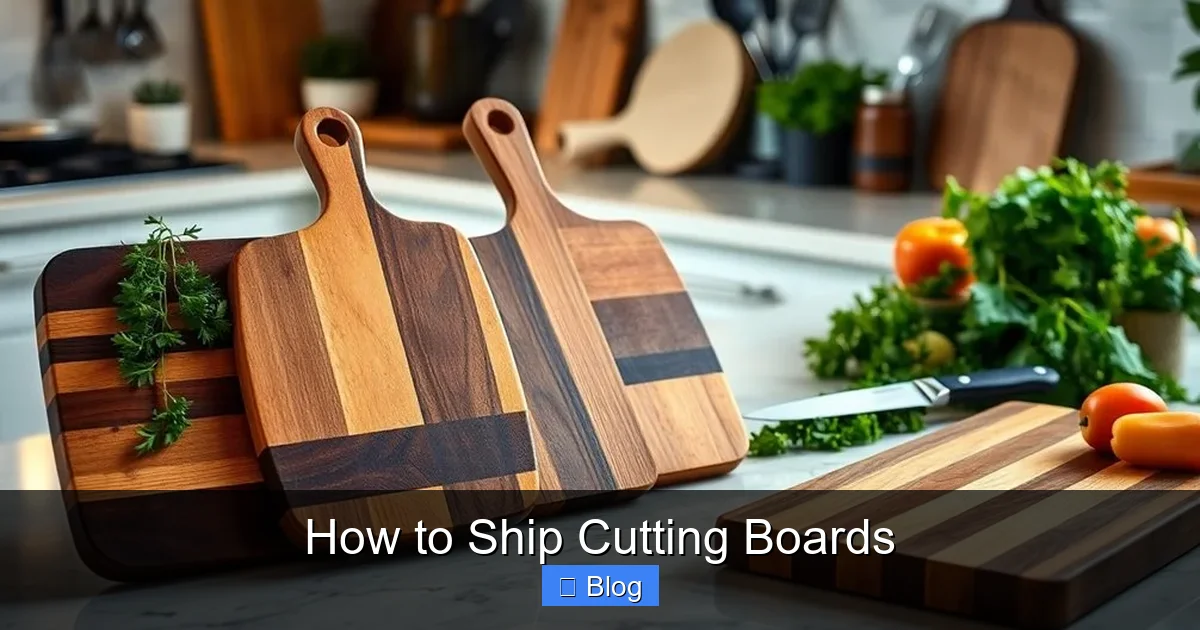
Before you grab any packing supplies, think about the board itself. Cutting boards come in several materials: hardwood (like maple, walnut, or cherry), bamboo, composite, and even plastic. Each type reacts differently to shipping stresses.
Visual guide about How to Ship Cutting Boards
Image source: aromatherapynaturals.com
Hardwood Boards
Hardwood boards are sturdy but can be heavy. They also have natural oils that may leak if the board cracks during transit. Give them extra cushioning.
Bamboo Boards
Bamboo is strong and lightweight. It’s less prone to warping, so you can pack a bit more tightly. Still, wrap it to keep it smooth.
Composite and Plastic
These boards are lighter and flexible. They can bend without breaking, but they may still scratch. Use a protective layer to keep them clean.
Practical Tip
Before shipping, test your board’s resilience by giving it a gentle tap. If it sounds hollow, it may have cracks; wrap it more securely.
2. Choose the Right Box
Box selection is crucial. The right box protects the board and saves money. The common choice is a double‑walled corrugated cardboard box. It’s strong and cost‑effective.
Visual guide about How to Ship Cutting Boards
Image source: images.squarespace-cdn.com
Size Matters
Measure your board’s length, width, and thickness. Add at least 2 inches to each dimension for padding. For a 12” x 9” board, pick a 16” x 13” box.
Double‑Walled vs Single‑Walled
Double‑walled boxes can support heavier boards and resist crushing. Single‑walled boxes are cheaper but may not hold a 2‑lb board well.
Practical Tip
Use a box that’s slightly larger than the board. If you need a custom size, cut a larger box and use packing materials to fill the space, or order a custom box from an online supplier.
3. Wrap It Like a Pro
Wrapping protects the board’s surface from scratches and from the box’s edges. Here’s how to do it right.
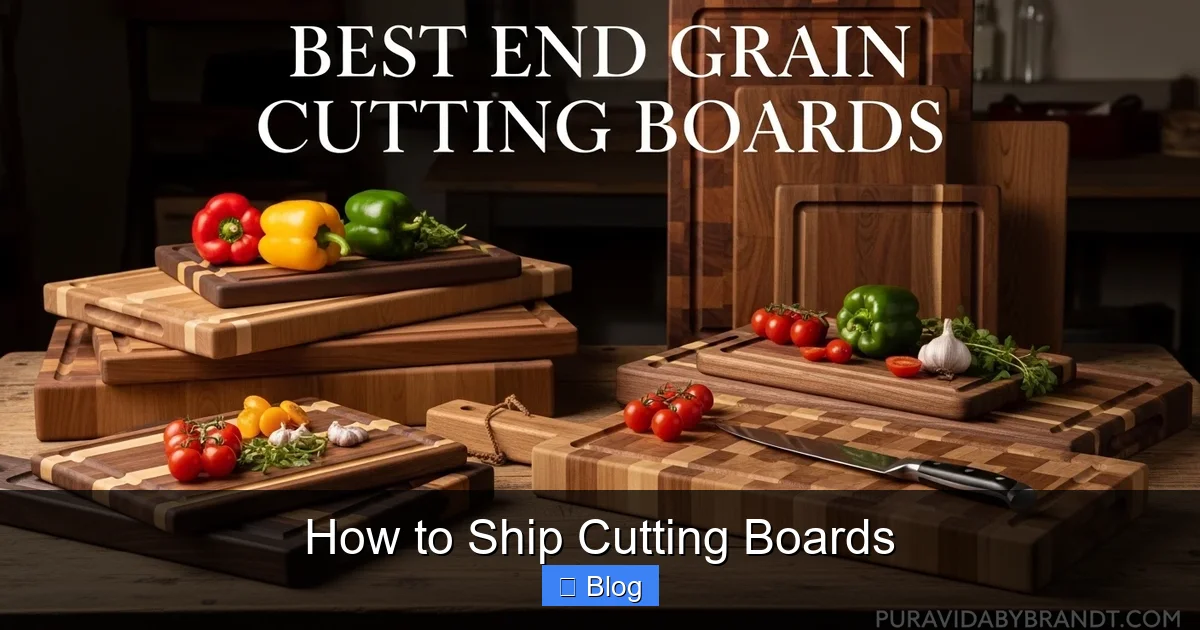
Visual guide about How to Ship Cutting Boards
Image source: puravidabybrandt.com
Bubble Wrap
Wrap the board twice. Use ¼” bubble wrap for a thin board and ½” for a thicker one. Secure with packing tape.
Foam Sheets
Foam sheets are great for flat surfaces. Place a sheet on top of the board before you wrap it. This keeps the board flat during shipping.
Cloth or Towel
If you’re eco‑friendly, use a clean kitchen towel. It’s soft, absorbs moisture, and is recyclable.
Practical Tip
After wrapping, lay the board flat in the box. The wrapped side should face the box’s interior to avoid direct contact with cardboard.
4. Pack With Care: Filling the Gaps
A board that can move around inside the box is a recipe for damage. Fill every corner with packing peanuts, crumpled newspaper, or foam. The goal is to keep the board stationary.
Packing Peanuts
They are lightweight and absorb shock. Sprinkle them around the board. If you’re worried about waste, use biodegradable peanuts.
Crumbled Newspaper
It’s cheap, recyclable, and works well for small gaps. Fold the paper loosely around the board.
Foam Inserts
For high‑value boards, use foam inserts designed for the exact board size. They provide a snug, protective fit.
Practical Tip
Don’t leave any empty space. Even a small void can cause the board to shift and scratch the sides of the box.
5. Seal the Deal: Boxing Up
Once everything is wrapped and cushioned, it’s time to close the box. Use heavy‑gauge packing tape, and seal all seams. Don’t forget the top and bottom flaps.
Tape the Right Way
Place tape over the seams in overlapping strips. For extra protection, use a “double‑layer” tape method: two strips on each seam.
Label Clearly
Write “Fragile” in large letters on the box. Add a sticker that says “This Side Up.” This reduces mishandling during transport.
Practical Tip
Keep a small notepad and pen handy. Note the shipping method, tracking number, and any special handling instructions. This helps you track the package and resolve issues quickly.
6. Pick the Best Shipping Method
Shipping cost and speed are major factors. Compare services like USPS, FedEx, UPS, and regional carriers. Each has its own pricing and delivery times.
USPS Priority Mail
Great for small to medium boxes. It’s cost‑effective, offers flat‑rate boxes, and includes tracking.
FedEx Ground
Fast, reliable, and good for heavier boards. It also provides delivery confirmation.
UPS Standard
Similar to FedEx Ground but with better coverage in some rural areas.
Practical Tip
Use an online calculator to compare rates. Enter the box dimensions, weight, and destination. Many carriers offer discounts for bulk shipping if you’re sending multiple boards.
7. Keep Track: Tracking and Insurance
Tracking gives you peace of mind. Insurance protects you if the board gets damaged or lost.
Track Every Shipment
Enter the tracking number into a monitoring service. Set up email alerts so you know when the board arrives.
Insurance Options
Most carriers offer insurance at a small extra cost. For a premium board, consider insuring for its full value.
Practical Tip
Print the shipping label and tracking information. Keep a copy in your records. If you’re running a business, store this data in a spreadsheet for easy access.
Conclusion
Shipping cutting boards doesn’t have to be complicated. Just remember the four essential steps: understand your board’s material, choose the right box, wrap it thoroughly, and pack it securely. Add a clear label, pick a reliable shipping method, and always track your shipment. With these strategies, you’ll keep your boards safe, your customers happy, and your shipping costs low.
Now you’re ready to ship cutting boards like a pro. Happy shipping!
🎥 Related Video: Shipping to Amazon!
📺 Hess Woodwork
Buy on Amazon!
Frequently Asked Questions
What type of box is best for shipping cutting boards?
Double‑walled corrugated cardboard boxes are the safest choice. They’re strong, affordable, and can handle the weight of hardwood or composite boards.
How much padding should I use inside the box?
Fill all gaps around the board with packing peanuts or crumpled newspaper. The board should not move at all during transit.
Can I ship a cutting board without wrapping it?
It’s not recommended. Even a light scrape can damage the board’s surface, and the cardboard edges can nick it.
Is it necessary to insure my cutting board shipment?
If the board is valuable or you’re shipping a large order, insurance protects against loss or damage. It’s a small cost for peace of mind.
How do I know if my cutting board is shipping ready?
Test the board for cracks and ensure it’s clean. Wrap it, cushion it, and seal the box. If it stays still inside the box, it’s ready.
What should I do if a cutting board arrives damaged?
Take photos immediately. Contact the carrier and file a claim. Provide the tracking number and any proof of the board’s original condition.