
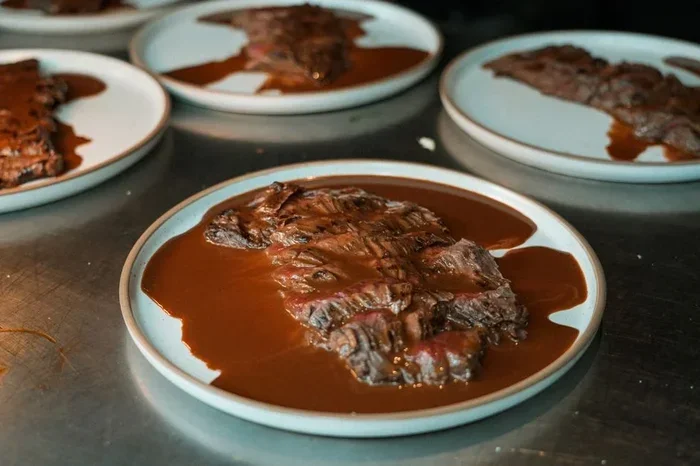
Learning how to tenderize steak is the secret to juicy, restaurant-quality results at home. Whether you’re grilling a tough cut or reviving a store-bought steak, the right technique transforms texture and flavor in minutes.
Key Takeaways
- Choose the right cut: Well-marbled steaks like ribeye naturally stay tender after cooking.
- Pound evenly: A meat mallet breaks down fibers uniformly for consistent tenderness.
- Marinate with care: Acidic ingredients like citrus soften meat without cooking it.
- Don’t overcook: High heat for a short time preserves juiciness and texture.
- Rest the steak: Letting it sit for 5-10 minutes redistributes juices evenly.
- Score the surface: Shallow cuts help marinades penetrate deeper for faster tenderizing.
📑 Table of Contents
Why Tenderizing Steak Matters So Much
Let’s be honest. Nobody wants to bite into a steak that feels like chewing on a rubber shoe. Tough, chewy steak can ruin even the most expensive cut. That is exactly why how to tenderize steak is such an important skill to learn. Whether you are cooking a budget-friendly chuck roast or a premium ribeye, tenderizing changes the entire eating experience.
When you tenderize meat properly, you break down the tough meat fibers that make chewing difficult. This results in a steak that is juicy, flavorful, and melts in your mouth. Think of it this way: a tough cut and a tender cut can taste completely different even when seasoned the same way. The difference comes down to preparation.
Tenderizing also helps your steak seasoning penetrate deeper into the meat. Instead of just sitting on the surface, salt, spices, and marinades reach the center. This creates a more consistent flavor profile from edge to edge. You get more taste in every single bite.
Another big reason to tenderize? It gives you more control over the final result. You decide how soft or firm you want the steak. You choose the method that fits your schedule and tools. It puts you in the driver’s seat before the heat even turns on.
Best Ways to Tenderize Steak at Home
There are several proven methods for how to tenderize steak. Each one works differently and suits different situations. Some are fast. Some take time. But all of them deliver better results than skipping the step entirely.
Mechanical Tenderizing with a Meat Mallet
The meat mallet is one of the simplest tools in your kitchen. It has a flat side and a textured side with small spikes or blades. You place your steak on a cutting board and pound it gently. The mechanical force breaks down the connective tissue inside the meat.
- Use the flat side for general flattening and even steak thickness.
- Use the spiked side for deeper tenderizing on tougher cuts.
- Always cover the steak with plastic wrap to prevent tearing.
- Work from the center outward in steady, even strikes.
This method works fast. You can have a steak ready for the pan in just a few minutes. It is especially great for chicken fried steak or dishes where you want thin, uniform pieces. Just be careful not to over-pound. You want to tenderize, not turn the meat into mush.
Knife Tenderizing and Scoring
If you do not have a mallet, a sharp steak knife can do the job. Scoring means making shallow cuts across the surface of the meat. This partially slices through the tough meat fibers without cutting all the way through.
For best results, make sure your blade is properly sharpened. A dull knife will tear the meat instead of slicing cleanly. If you want to learn more about keeping your knives in top shape, check out this guide on how to sharpen a Damascus knife for a step-by-step approach.
Scoring works well for skirt steak, flank steak, and similar cuts. Make cuts about 1/4 inch deep, running perpendicular to the grain. This technique also helps marinades absorb faster.
Resting and Slicing Against the Grain
Many people overlook this step, but how you slice your steak matters just as much as how you cook it. Always slice against the grain. This means cutting perpendicular to the lines you see running through the meat. Cutting along those lines makes the steak much chewier.
Resting your steak after cooking also plays a role. When meat rests, the juices redistribute evenly. Cutting too early releases those juices onto the cutting board instead of your plate. A good rest is about 5 to 10 minutes for most cuts.
How to Tenderize Steak with Natural Methods
Not everyone wants to reach for a tool. Some people prefer how to tenderize steak naturally. These methods use everyday pantry items and rely on science to do the heavy lifting. They are affordable, effective, and easy to master.
Salt and Dry Brining
Dry brining is one of the most underrated techniques. You simply coat the steak with a generous amount of salt and let it sit in the refrigerator for a few hours or even overnight.
- The salt draws moisture out of the meat at first.
- That moisture then gets reabsorbed along with the salt.
- The result is seasoned, juicier meat with a firmer texture.
- It also creates a drier surface that promotes better pan searing and crispier grill marks.
Dry brining works best for thicker steaks, usually at least 1 inch thick. Take the steak out of the fridge about 30 minutes before cooking to bring it closer to room temperature. This helps it cook more evenly.
Using Pineapple, Papaya, or Kiwi
Here is a fun trick. Certain fruits contain natural enzymes that break down protein. Pineapple has bromelain. Papaya has papain. Kiwi has actinidin. These enzymatic tenderizers work remarkably well on tough cuts.
You can blend these fruits into a paste and apply it to the steak for 30 minutes to a few hours. Be careful not to leave it too long. Too much enzyme activity can turn the surface of the meat into a mushy mess. A few hours is usually the sweet spot.
Coffee and Cola Marinades
Yes, you read that right. Coffee and cola both contain acids and compounds that help tenderize meat while adding a deep, rich flavor profile. Brew a strong cup of coffee or pour some cola into a bowl. Add your spices, submerge the steak, and refrigerate for a few hours.
This works especially well for tough cuts like chuck or skirt steak. The dark color also creates a beautiful caramelized crust when you cook the steak. It is a great way to impress dinner guests without much effort.
The Role of Meat Tenderizers and Marinades
Commercial meat tenderizer powders are a staple in many kitchens. They typically contain papain or bromelain, the same enzymes found in the fruits we just discussed. Sprinkling a light layer over your steak and letting it sit for 30 to 60 minutes can noticeably improve texture.
Marinating is another powerful tool. A good marinade does three things: tenderizes the meat, adds moisture, and infuses flavor. The key is balancing acid, oil, and seasoning properly.
Building the Perfect Marinade
When making a marinade for marinating steak, keep these basics in mind:
- Acid: Use vinegar, citrus juice, or wine. Acid breaks down proteins gently. Limit marinating time to 2-4 hours for most cuts to avoid over-tenderizing.
- Oil: Olive oil or vegetable oil helps carry fat-soluble flavors and keeps the meat from drying out.
- Seasoning: Garlic, herbs, pepper, and salt form the foundation. Adjust to your taste.
Always marinate in the refrigerator, never on the counter. Food safety matters. Use a zip-lock bag or a shallow dish so the marinade covers the steak evenly. Turn the steak halfway through for consistent coverage.
For those who want to learn more about natural tenderizing approaches, this resource on how to tenderize meat naturally offers additional techniques and tips that pair well with what we have covered here.
Sous Vide as a Tenderizing Method
Sous vide cooking is a game changer for how to tenderize steak. You vacuum-seal the steak with your chosen seasonings and submerge it in a water bath at a precise temperature. Cooking at a low temperature for an extended time breaks down collagen without drying out the meat.
This method is especially effective for tough cuts like short rib or chuck. After the sous vide bath, you sear the steak quickly in a screaming hot cast-iron skillet. You get edge-to-edge tenderness with a perfectly caramelized crust. It is the best of both worlds.
| Method | Time Needed | Best For | Difficulty |
|---|---|---|---|
| Meat Mallet | 5 minutes | Thin cuts, quick cooking | Easy |
| Knife Scoring | 10 minutes | Flank, skirt steak | Easy |
| Dry Brining | 4-24 hours | Thick steaks, ribeye | Medium |
| Fruit Enzymes | 30 min – 3 hours | Tough cuts, budget meat | Medium |
| Marinating | 2-12 hours | Versatile for most cuts | Easy |
| Sous Vide | 1-4 hours | Tough cuts, precision cooking | Advanced |
Common Mistakes When Tenderizing Steak
Even with the right tools and methods, it is easy to mess up. Here are some frequent errors people make when trying how to tenderize steak.
Over-Tenderizing the Meat
More is not always better. Pounding a steak too aggressively shreds the muscle fibers beyond repair. The meat becomes dry and loses its structure. As a rule of thumb, use light to moderate force and check the texture frequently.
Similarly, leaving enzymatic tenderizers on too long creates a mushy outer layer. Set a timer. Follow recommended times. Do not walk away and forget about it.
Skipping the Rest After Cooking
We mentioned this earlier, but it deserves its own spotlight. Cutting into a steak immediately after cooking releases all the juices. Your beautifully tenderized steak ends up dry and disappointing. Give it time to rest. Use a cutting board and tent it loosely with foil.
Ignoring the Grain Direction
This mistake is incredibly common. Even a perfectly cooked steak can feel tough if you slice it the wrong way. Always identify the grain before cooking. Slice against it after resting. This single step can make a noticeable difference in how your steak feels in your mouth.
Using Too Much Salt Too Early
Salt is a powerful tool, but timing matters. Salting right before cooking can cause the surface to release moisture, leading to steaming instead of searing. For best results, use the dry brining method and salt well in advance, or salt immediately before cooking and pat off excess moisture.
How to Cook Your Tenderized Steak Perfectly
Tenderizing is only half the battle. How you cook the steak determines whether all that preparation pays off. Here are some tips to finish strong.
Pan Searing for a Great Crust
Pan searing is the go-to method for most home cooks. Heat a cast-iron skillet until it is nearly smoking. Add a high smoke-point oil like avocado oil. Place the steak in the pan and do not touch it. Let it develop a deep brown crust before flipping.
For extra flavor, add a knob of butter, crushed garlic, and fresh thyme during the last minute of cooking. Spoon the melted butter over the steak repeatedly. This butter basting technique adds richness and a beautiful golden color.
Grilling for Smoky Flavor
Grilling is ideal for those who love a smoky aroma and distinct grill marks. Preheat your grill to high heat. Sear the steak for 2-3 minutes per side. Then move it to a cooler part of the grill and let it finish cooking gently to your desired doneness.
Use a meat thermometer for accuracy. Aim for 130°F for medium-rare and 140°F for medium. Pull the steak off the heat a few degrees below your target since it will rise during resting.
Quick Tips for Success
- Always pat your steak dry before cooking for a better sear.
- Let the steak come to room temperature before it hits the heat.
- Do not press down on the steak with a spatula. That squeezes out moisture.
- Use a wire rack when baking to allow air circulation underneath.
- For reverse sear fans, start low and slow in the oven, then finish with a hot sear on the stovetop.
If you are working with tougher cuts that need extended cooking, consider exploring braising techniques. For example, learning how to braise ribs in the oven teaches you slow-cooking principles that also apply to making tough beef cuts fork-tender. The concept is very similar and worth exploring.
Key Takeaways
- How to tenderize steak is a skill that dramatically improves your meals.
- Choose the method that fits your time, tools, and cut of meat.
- Natural methods like salt, fruit enzymes, and coffee are effective and affordable.
- Avoid over-tenderizing and always slice against the grain.
- Cook with confidence using proper heat, resting time, and seasoning.
Mastering how to tenderize steak takes a little practice, but the results are worth every effort. Start with one method, get comfortable with it, and then branch out. Soon you will be serving restaurant-quality steak at home without breaking a sweat. Your family and friends will notice the difference immediately. Happy cooking!
Frequently Asked Questions
What is the best way to how to tenderize steak at home?
The best method depends on your time and tools. Using a meat mallet or Jaccard tenderizer gives instant results, while marinating with acidic ingredients like lemon juice or vinegar works well if you have a few hours. For the most tender steak, combine mechanical tenderizing with a good marinade.
Can you over-tenderize steak, and what happens if you do?
Yes, you can over-tenderize steak, especially when using a meat mallet. Pounding too aggressively breaks down the muscle fibers and turns the meat mushy or uneven in texture. A few firm, even strikes on each side are all you need to achieve the right tenderness.
How long should you marinate steak to get the best results?
Most steaks benefit from marinating for 2 to 4 hours, while tougher cuts can handle overnight soaking. Going beyond 24 hours can actually break down the meat too much and make it squeaky. Always check your marinade ingredients, as acidic acids work faster than enzymatic ones like pineapple or papaya.
What is the difference between mechanical and chemical tenderizing methods?
Mechanical tenderizing uses tools like meat mallets or electric tenderizers to physically break down the muscle fibers. Chemical tenderizing relies on enzymes from fruits like kiwi or papaya, or acidic marinades to soften the meat over time. Both methods work well, but combining them delivers the most consistent results.
Does salting steak ahead of time help tenderize it?
Yes, salting steak in advance is one of the simplest ways to improve tenderness. Salt draws out moisture, which then gets reabsorbed and breaks down the protein structures in the meat. For best results, salt your steak at least 40 minutes before cooking, or up to overnight for a deeper effect.
Which steak cuts benefit most from tenderizing?
Tough cuts like chuck, round, and flank steak respond incredibly well to tenderizing. Even premium cuts like ribeye or strip loin can benefit from a light pounding to ensure even cooking and a more tender bite. Knowing which cut you are working with helps you choose the right tenderizing method and avoid over-processing the meat.



