
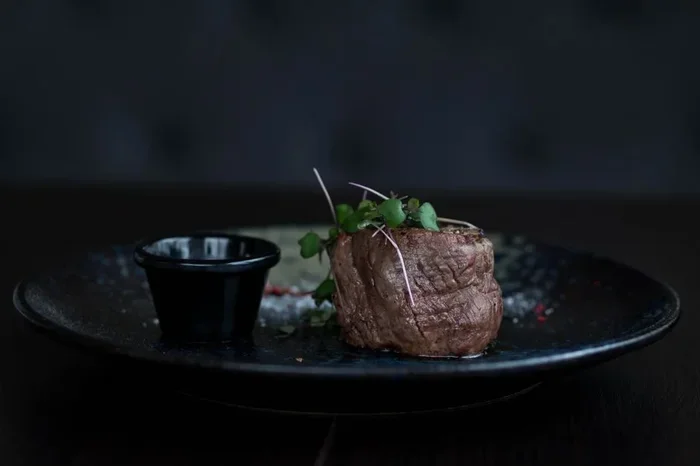
Knowing the perfect temperature for filet mignon is the single most important factor in cooking a tender, juicy steak. This guide covers ideal internal temperatures for every level of doneness, from rare to well done, plus step-by-step cooking methods and expert tips. Whether you use a cast iron skillet, oven finish, or sous vide, getting the temperature right transforms a good steak into an unforgettable meal.
Key Takeaways
- Medium-rare (130-135°F) is the sweet spot for filet mignon, preserving its tender texture and rich flavor.
- Always use a meat thermometer to check the internal temperature accurately.
- Let your steak rest for 5-8 minutes after cooking to allow juices to redistribute.
- Searing creates a flavorful crust but does not cook the inside of the steak.
- Carryover cooking raises the temperature by 5-10 degrees after you remove the steak from heat.
- Sous vide offers the most precise control over filet mignon doneness.
- Avoid overcooking since filet mignon is lean and lacks the fat marbling of other cuts.
📑 Table of Contents
- Why Temperature Matters So Much for Filet Mignon
- The Ideal Internal Temperatures for Filet Mignon
- How to Cook Filet Mignon to Perfection
- Using a Meat Thermometer Like a Pro
- Resting Your Filet Mignon: Why It Matters
- Common Mistakes People Make When Cooking Filet Mignon
- Expert Tips for the Best Filet Mignon Every Time
- Final Thoughts on Filet Mignon Temperature
Why Temperature Matters So Much for Filet Mignon
Filet mignon is one of the most prized cuts of beef. It comes from the tenderloin, which means it is naturally very tender. But here is the thing. Because it is so lean, it has very little fat to protect it from drying out. This makes temperature control absolutely essential.
Cook it too long and you lose that buttery, melt-in-your-mouth texture. Cook it just right and you get a steak that feels like butter on your tongue. The difference between a great filet and a disappointing one often comes down to just a few degrees.
In this guide, we will walk you through every temperature you need to know. We will cover internal temperatures, cooking methods, and how to use a meat thermometer like a pro. By the end, you will feel confident cooking filet mignon to perfection every single time.
The Ideal Internal Temperatures for Filet Mignon
Every level of doneness has a specific temperature range. Let us break them down so you can pick exactly what you like best.
Rare (120-125°F)
Rare filet mignon is cool in the center with a bright red interior. It is very soft and almost raw feeling. Some steak lovers swear by this level because it preserves the most natural beef flavor. However, filet mignon is lean, so rare can sometimes feel a bit too soft for some people.
Medium-Rare (130-135°F)
This is the gold standard for filet mignon. The center is warm and red with a firm but juicy texture. Most chefs and steak experts recommend medium-rare because it balances flavor, juiciness, and texture perfectly. If you are unsure what temperature to aim for, medium-rare is the answer.
Medium (135-145°F)
Medium filet mignon has a pink center that is slightly firmer. It loses a bit of juiciness compared to medium-rare but still tastes excellent. This is a good choice if you prefer your steak a touch more cooked without going too far.
Medium-Well (145-155°F)
At this temperature, the steak is mostly gray with just a hint of pink. Filet mignon starts to lose significant moisture here. The tender texture begins to decline, and the beef flavor becomes less pronounced.
Well Done (155°F+)
Well-done filet mignon is not recommended by most steak experts. Because this cut has so little fat, cooking it to well done dries it out significantly. You end up with a tough, flavorless piece of meat. If you must cook it well done, use a marinade or a butter baste to add moisture back.
How to Cook Filet Mignon to Perfection
Now that you know your target temperatures, let us talk about how to actually cook the steak. There are several methods you can use, and each one has its own strengths.
Searing on the Stovetop
The stovetop method is the most popular way to cook filet mignon. You start with a hot cast iron skillet or any heavy bottom pan. Pat your steak dry with paper towels first. This helps create a beautiful sear. Season generously with salt and pepper. Add a high smoke point oil to the pan. Once the oil is shimmering, place the steak in the pan. Let it sear for 2-3 minutes on each side without moving it. This creates that gorgeous brown crust.
For thicker cuts, you can finish the steak in the oven after searing. Transfer the pan to a preheated oven at 400°F and cook for 5-8 minutes depending on thickness. This method gives you excellent control over the final internal temperature.
Sous Vide Method
Sous vide is the most precise way to cook filet mignon. You vacuum seal the steak and cook it in a water bath at your exact target temperature. This method eliminates guesswork entirely. You can hold the steak at 130°F for a perfect medium-rare every time. After the sous vide cook, give the steak a quick sear in a blazing hot pan for about 30 seconds per side to build the crust.
Reverse Sear
The reverse sear is a two-step process. You cook the steak low and slow in the oven first, then finish with a hard sear on the stovetop. Set your oven to 250°F and cook until the steak reaches about 120°F internally. Then sear it in a best stainless steel Dutch oven or cast iron skillet for a deep, flavorful crust. This method gives you the most even doneness from edge to edge.
Using a Grill
Grilling filet mignon adds a wonderful smoky flavor. Preheat your grill to high heat. Sear the steak for 2-3 minutes per side. Then move it to a cooler part of the grill and close the lid. Monitor the temperature carefully with a meat thermometer inserted into the thickest part of the steak.
Using a Meat Thermometer Like a Pro
A meat thermometer is the single best tool for cooking steak. Without it, you are guessing. And guessing leads to overcooked or undercooked meat. Here is how to use one correctly.
- Insert the probe into the thickest part of the steak, away from any bone or fat.
- Check the temperature before you think the steak is done. Remember carryover cooking will raise it by a few degrees.
- Use a instant-read thermometer for the fastest and most accurate results.
- Clean your thermometer between uses to prevent cross contamination.
Do not rely on the touch test alone. While experienced cooks can guess doneness by pressing the steak, a thermometer removes all doubt. It is a small investment that pays off every single time you cook steak.
Resting Your Filet Mignon: Why It Matters
One step many home cooks skip is resting the steak. After you pull the filet mignon off the heat, let it sit on a plate or in a keep food warm container for 5 to 8 minutes. This might seem like wasted time, but it is actually one of the most important steps.
When the steak is cooking, the juices get pushed toward the center. If you cut into it right away, all those juices run out onto the plate. Resting lets the juices redistribute throughout the meat. The result is a much juicier, more flavorful bite every time.
During resting, the internal temperature will also rise by 5 to 10 degrees. This is called carryover cooking. It is why you should pull the steak off the heat a few degrees before it reaches your target temperature.
Common Mistakes People Make When Cooking Filet Mignon
Even experienced home cooks make mistakes with filet mignon. Here are the most common ones and how to avoid them.
Starting with a Cold Steak
Never cook a steak straight from the fridge. Take it out 30 to 45 minutes before cooking. A cold steak cooks unevenly. The outside can burn while the inside stays raw. Letting it come to room temperature ensures more even cooking throughout.
Skipping the Dry Brine
Salting your steak ahead of time makes a huge difference. Sprinkle salt on the steak and leave it uncovered in the fridge for at least 40 minutes, or up to overnight. The salt draws out moisture, which then gets reabsorbed. This seasons the meat deeply and helps create a better sear.
Not Letting the Pan Get Hot Enough
If your pan is not hot enough, you will steam the steak instead of searing it. Preheat your pan for several minutes before adding the steak. You should see a slight shimmer in the oil. The steak should sizzle loudly the moment it hits the pan.
Cutting Into the Steak Too Early
We know it is tempting. But cutting into the steak to check doneness lets all those precious juices escape. Trust your thermometer and let the steak rest. You will be rewarded with a much better result.
Overcooking the Steak
Filet mignon is lean. It does not have the fat marbling of a ribeye or New York strip. This means it dries out faster than fattier cuts. Pull it off the heat early and trust carryover cooking to bring it up to the right temperature.
Expert Tips for the Best Filet Mignon Every Time
Here are some pro tips that will elevate your filet mignon game to the next level.
- Use a heavy bottom pan for even heat distribution. Thin pans create hot spots that burn the steak.
- Brush the steak with butter during the last minute of searing. This adds richness and helps the herbs stick to the crust.
- Add garlic and thyme to the pan while searing. The aromatics infuse the steak with incredible flavor as the butter melts.
- Use silicone utensils when handling the steak to avoid scratching your pan surface.
- Let the steak finish cooking in a keep food warm container while you prepare your sides. This keeps it at the perfect serving temperature.
- Slice against the grain if you are cutting leftover filet. This makes it more tender and easier to chew.
The best filet mignon comes from a combination of good technique and attention to detail. You do not need expensive equipment or fancy ingredients. You just need to pay attention to temperature and timing.
Final Thoughts on Filet Mignon Temperature
Cooking filet mignon to the right temperature is not complicated. It just requires a little knowledge and the right tools. Medium-rare at 130-135°F remains the best choice for most people. It brings out the natural tenderness and flavor of this beautiful cut of beef.
Invest in a good meat thermometer. Practice your searing technique. And always let your steak rest. These simple habits will transform your home cooking and impress anyone you serve.
Remember, the perfect temperature for filet mignon is not just a number on a screen. It is the key to unlocking a truly memorable dining experience right in your own kitchen. So go ahead. Fire up that pan. And cook the steak of your dreams.
Frequently Asked Questions
What is the best temperature for filet mignon?
The best temperature for filet mignon is 130-135°F for medium-rare. This range preserves the steak’s natural tenderness and juicy flavor. Most chefs and steak experts agree that medium-rare brings out the best in this lean cut of beef.
How long should I rest filet mignon after cooking?
Let your filet mignon rest for 5 to 8 minutes after cooking. This allows the juices to redistribute throughout the meat. Resting also gives carryover cooking time, which raises the internal temperature by a few degrees.
Can I cook filet mignon in the oven?
Yes, you can cook filet mignon in the oven. After searing it on the stovetop, transfer the pan to a 400°F oven for 5 to 8 minutes. Alternatively, use the reverse sear method by cooking low and slow at 250°F before finishing with a hot sear.
What is carryover cooking and why does it matter?
Carryover cooking means the steak continues to cook after you remove it from heat. The internal temperature rises by 5 to 10 degrees during resting. This is why you should pull the steak off the heat a few degrees below your target temperature.
Should I use a meat thermometer for filet mignon?
Absolutely. A meat thermometer is the most reliable way to check doneness. It removes all guesswork and ensures your steak hits the exact temperature you want. An instant-read thermometer gives you fast and accurate results every time.
Why does filet mignon dry out more easily than other steaks?
Filet mignon comes from the tenderloin, which has very little fat marbling. Fat helps keep steak moist during cooking. Because filet mignon lacks this natural protection, it is more prone to drying out if overcooked. This is why precise temperature control is so important for this cut.
=== INTERNAL LINKS ===
For more kitchen essentials, check out our guides on the best stainless steel Dutch oven for searing, the best keep food warm container for resting your steak, the best pots and pans for induction hobs for even heat, and the best silicone utensils for handling your steak without scratching your pan.



