
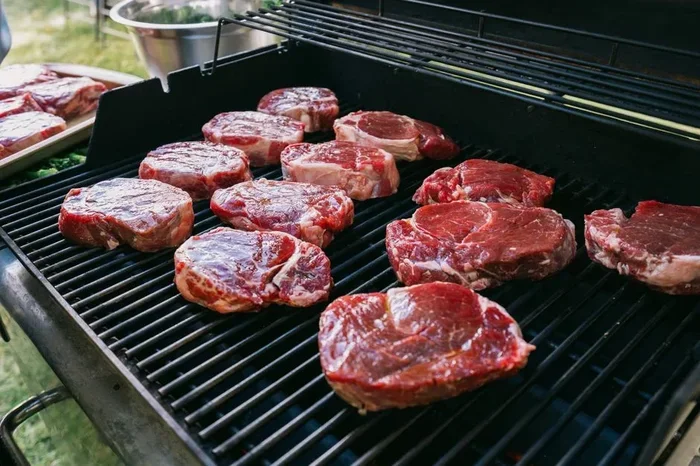
Prime rib cook time per pound depends on your oven temp, roast size, and desired doneness. A low-and-slow roast at 325°F takes about 17 to 20 minutes per pound for medium-rare. This guide covers exact timing, temperatures, and pro tips so you can roast a perfect prime rib every single time.
Key Takeaways
- Plan for 17 to 20 minutes per pound at 325°F for a medium-rare prime rib roast.
- Use a meat thermometer to check internal temp. Pull the roast at 120°F for medium-rare.
- Bone-in prime rib takes slightly longer than boneless due to heat retention in the bone.
- Rest your roast for 20 to 30 minutes after cooking to lock in juicy flavors.
- Season early with a simple dry rub and let it sit overnight for the best results.
- Avoid common mistakes like skipping the rest or cooking at too high a temperature.
- Use the right pan for even heat distribution and easy cleanup.
📑 Table of Contents
- Prime Rib Cook Time Per Pound: The Complete Guide
- Prime Rib Temperature Guide for Perfect Roasting
- Bone-In vs. Boneless Prime Rib: Cook Time Differences
- Step-by-Step Prime Rib Roasting Guide
- Common Mistakes to Avoid When Roasting Prime Rib
- Quick Tips for the Perfect Prime Rib
- How to Store and Reheat Leftover Prime Rib
- Prime Rib Cook Time Per Pound at a Glance
- Final Thoughts on Prime Rib Cook Time Per Pound
Prime Rib Cook Time Per Pound: The Complete Guide
Prime rib is one of the most impressive cuts of beef you can roast. It is juicy, tender, and full of rich flavor. But getting the timing right can feel tricky. That is why we put together this guide on prime rib cook time per pound. Whether you are a beginner or a seasoned home cook, you will find everything you need here.
The cook time for prime rib depends on a few key factors. Your oven temperature, the size of the roast, and your preferred level of doneness all matter. A general rule of thumb is about 17 to 20 minutes per pound at 325°F. But there is much more to know. Let us break it all down.
Many people wonder how long to cook prime rib per pound. The answer is not one-size-fits-all. A bone-in roast behaves differently than a boneless one. A slow roast gives different results than a high-heast approach. This guide will walk you through every detail so you feel confident when it is time to fire up the oven.
Why Cook Time Per Pound Matters
Cooking prime rib by the pound helps you plan better. It lets you estimate when dinner will be ready. It also helps you avoid overcooking or undercooking. When you know the prime rib per pound timing, you can adjust for your exact roast size.
Think of it this way. A 5-pound roast needs roughly 1.5 to 2 hours. A 10-pound roast needs about 3 hours. These numbers change based on your oven and the roast shape. But having a starting point makes the whole process much easier.
Using a meat thermometer is the best way to be sure. Timing gives you a plan. Temperature gives you certainty. Together, they make perfect prime rib every time.
Prime Rib Temperature Guide for Perfect Roasting
Temperature is just as important as time. The internal temperature of your roast determines how done it is. Here is a simple breakdown of prime rib internal temperature targets.
Internal Temperatures by Doneness
Different people like their prime rib cooked differently. Here are the standard temperatures to aim for:
- Rare: Pull the roast at 120°F. It will rise to about 125°F while resting.
- Medium Rare: Pull at 125°F. This is the most popular choice for prime rib.
- Medium: Pull at 130°F. The meat will be firmer but still juicy.
- Medium Well: Pull at 140°F. Less pink, but still tender if you do not go too far.
- Well Done: Pull at 150°F and above. Not recommended for prime rib, as it can dry out.
Remember that the temperature will rise 5 to 10 degrees after you take the roast out of the oven. This is called carryover cooking. Always pull the roast a few degrees early.
The Best Oven Temperature for Prime Rib
Most experts recommend roasting prime rib at 325°F. This is a moderate temperature that cooks the meat evenly. It gives you a nice crust on the outside while keeping the inside low and slow roasted to perfection.
Some cooks start at a higher temperature, like 450°F, for the first 15 minutes. This helps create a sear. Then they drop the heat to 325°F for the rest of the cook. This two-step method works well for larger roasts.
If you want a simpler approach, just set your oven to 325°F and stay steady. The roast beef timing will be consistent and predictable.
Bone-In vs. Boneless Prime Rib: Cook Time Differences
One of the biggest factors that affects cook time for prime rib is whether you choose bone-in or boneless. Both options are delicious. But they behave differently in the oven.
Bone-In Prime Rib
Bone-in prime rib is also called a standing rib roast. The bone acts as insulation. It slows down heat transfer to the meat. This means a bone-in roast takes a bit longer to cook.
Plan for about 18 to 20 minutes per pound for bone-in prime rib at 325°F. The bone also adds flavor. Many people feel that bone-in prime rib tastes richer and more beefy.
If you buy bone-in, make sure to account for the bone when estimating serving sizes. A bone-in roast feeds fewer people per pound than a boneless one.
Boneless Prime Rib
Boneless prime rib cooks faster because there is no bone insulating the heat. Plan for about 17 to 19 minutes per pound at 325°F. Boneless roasts are easier to slice and serve.
Some people prefer boneless because it is more convenient. You do not have to work around the bone when cutting slices. It also fits more easily into standard roasting pans.
Which One Should You Choose?
Both options are great. If you want more flavor and a dramatic presentation, go bone-in. If you want easier slicing and faster cook time, go boneless. Either way, use a meat thermometer to check doneness.
Step-by-Step Prime Rib Roasting Guide
Now that you know the timing and temperature, let us walk through the full process. Follow these steps for a show-stopping prime rib.
Step 1: Choose the Right Roast
Look for a well-marbled prime rib roast at your butcher or grocery store. Marbling is the white fat running through the meat. More marbling means more flavor and juiciness. A USDA Prime grade roast is the best choice, but Choice grade works well too.
Step 2: Season the Roast
Keep it simple. Salt and pepper work great. Some cooks add garlic powder, rosemary, or thyme. Rub the seasoning all over the roast. For the best flavor, wrap it in plastic and refrigerate it overnight. This lets the seasoning penetrate deep into the meat.
Step 3: Bring the Roast to Room Temperature
Take the roast out of the fridge about 2 hours before cooking. Let it sit on the counter. This helps it cook more evenly. A cold roast going into a hot oven can lead to uneven results.
Step 4: Preheat the Oven and Prep the Pan
Preheat your oven to 325°F. Use a sturdy roasting pan. If you want even better results, place a quality roasting pan designed for beef on the stove to warm up first. This helps get a good sear on the bottom of the roast.
Step 5: Roast and Monitor
Place the roast in the oven fat side up. Insert a meat thermometer into the thickest part of the meat. Do not let the thermometer touch the bone. Check the temperature every 20 to 30 minutes.
For a 6-pound roast at 325°F, expect about 1.5 to 2 hours of cook time. A 10-pound roast will take closer to 3 hours. Use these numbers as a guide, but always trust the thermometer over the clock.
Step 6: Rest the Roast
This step is critical. Once the roast hits your target temperature, take it out of the oven. Cover it loosely with aluminum foil. Let it rest for 20 to 30 minutes. During this time, the juices redistribute throughout the meat. Skipping the rest means losing flavorful juices when you cut into it.
Many people compare resting a roast to resting a chicken thigh after pressure cooking. In both cases, resting makes a big difference in the final result.
Step 7: Carve and Serve
Use a sharp carving knife to slice against the grain. Cut thin slices for the best texture. Serve with your favorite sides like mashed potatoes, roasted vegetables, or a simple green salad.
Common Mistakes to Avoid When Roasting Prime Rib
Even experienced cooks make mistakes with prime rib. Here are the most common ones and how to avoid them.
- Skipping the rest: Cutting into the roast right away lets all the juices run out. Always wait at least 20 minutes.
- Guessing instead of measuring: Never rely on time alone. Always use a meat thermometer for accurate results.
- Cooking at too high a temperature: High heat dries out prime rib. Stick to 325°F for even, juicy results.
- Not seasoning early enough: Seasoning the night before gives much better flavor than seasoning right before cooking.
- Ignoring carryover cooking: The roast temperature keeps rising after you take it out. Pull it early to avoid overcooking.
- Using the wrong pan: A flimsy pan can lead to uneven cooking. Invest in a sturdy roasting pan for the best results.
Avoiding these mistakes will set you up for success. The prime rib recipe process is simple once you know what to watch out for.
Quick Tips for the Perfect Prime Rib
- Plan ahead. A large prime rib roast needs time to rest at room temperature before cooking.
- Invest in a good meat thermometer. This is the single most important tool for roasting prime rib.
- Let the roast rest. Twenty to thirty minutes makes a huge difference in juiciness.
- Keep it simple. Salt, pepper, and garlic are all you need for a great roast.
- Use the oven temp you trust. 325°F is the sweet spot for most prime rib roasts.
- Slice against the grain. This makes every slice more tender and easier to chew.
How to Store and Reheat Leftover Prime Rib
Leftover prime rib is a treat. Store it properly to keep it fresh and tasty.
Wrap leftover slices tightly in plastic wrap or foil. Place them in an airtight container. Refrigerate within 2 hours of cooking. Properly stored, cooked prime rib lasts 3 to 4 days in the fridge.
To reheat, use a low oven temperature around 250°F. Cover the slices with foil to keep moisture in. Heat until the internal temp reaches 120°F. This gentle approach keeps the meat tender and juicy.
You can also slice leftover prime rib and use it in sandwiches or salads. It makes great beef stock from the bones too. Do not waste a single bit of that delicious roast.
Prime Rib Cook Time Per Pound at a Glance
Here is a quick reference table for planning your next prime rib roast. These numbers are based on a 325°F oven and bone-in roast.
- 3-pound roast: About 50 to 60 minutes for medium-rare.
- 5-pound roast: About 1.5 to 2 hours for medium-rare.
- 7-pound roast: About 2 to 2.5 hours for medium-rare.
- 10-pound roast: About 3 to 3.5 hours for medium-rare.
These numbers are starting points. Always use a meat thermometer to confirm doneness. Your oven may run hot or cold. The shape of the roast also affects cook time. These table numbers give you a solid plan to work from.
For comparison, oven-roasted meats like chicken wings at 400°F cook much faster per pound because of the higher temperature and smaller size. Prime rib requires patience and a moderate oven setting to achieve the best results.
Final Thoughts on Prime Rib Cook Time Per Pound
Prime rib cook time per pound is the foundation of a great roast. With the right temperature, timing, and a little patience, you can create a restaurant-quality meal at home. Remember the key numbers: 325°F oven temp, 17 to 20 minutes per pound, and pull the roast at 120°F to 125°F for medium-rare.
Do not be afraid to experiment. Every oven is different. Every roast is a little different. Use these guidelines as your starting point. Then trust your instincts and your meat thermometer. Over time, you will develop a feel for what works best in your kitchen.
Prime rib is a special occasion roast. It deserves the extra care and attention. Follow these tips, avoid the common mistakes, and you will impress everyone at the table. Happy roasting.
Frequently Asked Questions
How long does it take to cook a 5-pound prime rib?
A 5-pound prime rib roast takes about 1.5 to 2 hours at 325°F for medium-rare doneness. Always use a meat thermometer to check the internal temperature. Pull the roast when it reaches 125°F for the best results.
Should I cover prime rib with foil while cooking?
No, do not cover prime rib while it cooks in the oven. Leaving it uncovered allows the heat to circulate evenly and creates a nice crust on the outside. You can cover it with foil during the resting period to keep it warm.
What is the best temperature to cook prime rib?
The best temperature for cooking prime rib is 325°F. This moderate heat cooks the roast evenly without drying it out. Some cooks start at 450°F for 15 minutes to sear the outside, then lower to 325°F for the rest of the cook.
How do I know when prime rib is done?
The only reliable way to know is by using a meat thermometer. For medium-rare, pull the roast at an internal temperature of 125°F. The temperature will rise 5 to 10 degrees while the roast rests.
Can I cook prime rib the day before and reheat it?
Yes, you can cook prime rib ahead of time. Let it cool completely, then store it in the fridge. Reheat gently at 250°F covered with foil until it reaches 120°F internally. This method keeps the meat moist and tender.
How much prime rib per person should I buy?
Plan for about 1/2 pound of bone-in prime rib per person. For boneless, plan for 1/3 pound per person. If you are serving a crowd with other main dishes, you can go a bit lighter on the portion size.
=== CONCLUSION ===
Prime rib cook time per pound does not have to be complicated. With the right plan and a reliable meat thermometer, you can roast a stunning prime rib with confidence. Stick to 325°F, plan for 17 to 20 minutes per pound, and pull the roast at the right internal temperature. Let it rest, carve it well, and enjoy every bite. Your next dinner party will be a hit thanks to these simple, proven tips.



