
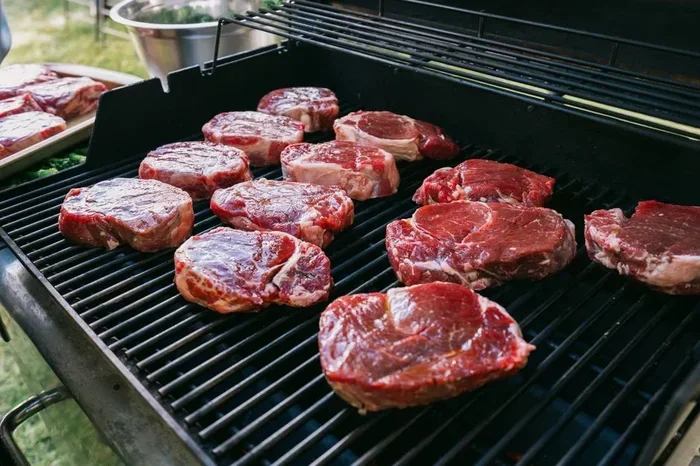
Mastering prime rib cooking time ensures a perfectly cooked, mouthwatering centerpiece for any celebration. Learn the ideal temperature, time, and techniques for a show-stopping roast.
Introduction
Welcome to your comprehensive guide on prime rib cooking time! Whether you’re a seasoned chef or a home cook looking to impress your guests, mastering the perfect prime rib cooking time is an essential skill. In this article, we’ll walk you through the ideal oven temperature, cooking time, and techniques to ensure a tender, juicy, and perfectly cooked prime rib roast every time.
Understanding Prime Rib Cooking Time
To achieve the perfect prime rib, it’s crucial to understand the relationship between cooking time, temperature, and desired doneness. A prime rib roast is a standing rib roast, typically made from the rib section of the cow. It’s a fatty, flavorful cut that benefits from slow, indirect heat and a high initial temperature to develop a crispy bark and render the fat.
Calculating Prime Rib Cooking Time
The most straightforward way to calculate prime rib cooking time is to use the standalone method. This involves cooking the roast at a consistent temperature throughout the cooking process.
1. Preheat your oven to 325°F (165°C).
2. Season your prime rib with your preferred dry rub or simple seasonings like salt, pepper, and garlic.
3. Calculate the cooking time by multiplying the weight of your roast by 16-20 minutes. For example, a 10-pound roast would take approximately 160-200 minutes, or 2 hours and 40-50 minutes.
4. Place the roast in the oven and cook until it reaches your desired internal temperature. Use a meat thermometer inserted into the thickest part of the roast to monitor the temperature.
5. Remove the roast from the oven once it reaches 10-15°F below your target final temperature. For example, if you prefer medium-rare (135°F), remove the roast when it reaches 120-130°F.
6. Let the roast rest for 20-30 minutes before carving to allow the juices to redistribute throughout the meat.
Reverse Searing: A Modern Approach
A more modern approach to prime rib cooking involves reverse searing. This method begins with a low-temperature cook to gently cook the roast, followed by a high-heat sear to develop a crispy bark.
1. Preheat your oven to 275°F (135°C).
2. Season your prime rib with your preferred dry rub or simple seasonings.
3. Calculate the cooking time by multiplying the weight of your roast by 25-30 minutes. For example, a 10-pound roast would take approximately 250-300 minutes, or 4 hours and 10-20 minutes.
4. Place the roast in the oven and cook until it reaches 10-15°F below your target final temperature.
5. Increase the oven temperature to 450°F (230°C) and cook for an additional 15-20 minutes, or until the roast develops a crispy bark.
6. Let the roast rest for 20-30 minutes before carving.
Prime Rib Cooking Time: Perfect Temperatures
Achieving the perfect internal temperature is crucial for a tender, juicy prime rib roast. Here are the ideal temperatures for various doneness levels:
– Rare: 125°F (52°C)
– Medium Rare: 135°F (57°C)
– Medium: 145°F (63°C)
– Well Done: 155°F (68°C)
Quick Tips for Prime Rib Cooking Time
– Use a meat thermometer to ensure accurate internal temperature readings.
– Rest the roast before carving to allow the juices to redistribute throughout the meat.
– Sear the roast before cooking to develop a crispy bark and enhance flavor.
– Use a rack to elevate the roast and promote even cooking and air circulation.
– Baste the roast with its own drippings during cooking to keep it moist and flavorful.
Common Mistakes to Avoid
– Overcooking: Be mindful of the cooking time to avoid drying out the roast.
– Underseasoning: Proper seasoning enhances the natural flavors of the prime rib.
– Skipping the rest: Resting the roast allows the juices to redistribute, ensuring a moist and tender roast.
Expert Insights
Chef Thomas Keller, a renowned figure in the culinary world, swears by the reverse searing method for prime rib. He recommends cooking the roast at 275°F (135°C) until it reaches an internal temperature of 125°F (52°C) for rare, then searing it at 450°F (230°C) for 15-20 minutes.
Conclusion
Mastering prime rib cooking time is essential for creating a tender, juicy, and flavorful roast that will impress your guests. By understanding the relationship between cooking time, temperature, and desired doneness, and utilizing techniques like the standalone method or reverse searing, you’ll be well on your way to becoming a prime rib pro. So, fire up your oven, and let’s get cooking!
Key Takeaways
- Standalone Oven Time: 16-20 minutes per pound at 325°F for a prime rib roast, plus 20-30 minutes to rest.
- Reverse Searing: Preheat oven to 275°F, then sear at 450°F for 15 minutes. Cook to desired doneness, then rest.
- Perfect Temperature: Rare: 125°F, Medium Rare: 135°F, Medium: 145°F, Well Done: 155°F.
- Resting: Let the roast rest for 20-30 minutes before carving to redistribute juices.
- Seasoning: Use a dry rub or simple seasonings like salt, pepper, and garlic to enhance natural flavors.
[FEATURED_IMAGE_PLACEHOLDER]
Frequently Asked Questions
**
What is the cooking time for a 4-pound prime rib roast?
Using the standalone method at 325°F (165°C), a 4-pound prime rib roast would take approximately 64-80 minutes, or 1 hour and 5-13 minutes, to reach rare (125°F/52°C). Adjust the time for your desired doneness.
Can I cook a prime rib roast at a lower temperature?
Cooking a prime rib roast at a lower temperature, such as 225°F (107°C) or 250°F (121°C), can result in a more evenly cooked roast with a better bark, but it will take significantly longer. For a 10-pound roast, expect cooking times of 4-6 hours, or even longer.
What is the best way to carve a prime rib roast?
Allow the roast to rest for 20-30 minutes before carving. Place the roast on a cutting board and use a sharp knife to cut thin slices against the grain, which shortens the muscle fibers and makes the meat more tender and easier to chew.
How do I store leftover prime rib?
Store leftover prime rib in an airtight container in the refrigerator for up to 5 days. To reheat, preheat your oven to 250°F (120°C), place the slices on a baking sheet, and heat for 15-20 minutes, or until warmed through.
Can I cook a prime rib roast on a grill?
Yes, you can cook a prime rib roast on a grill using indirect heat. Preheat your grill to 325°F (165°C), place the roast on the cooler side of the grill, and cook until it reaches your desired internal temperature. You may need to tent the roast with aluminum foil to prevent it from overcooking on the outside.
What sides pair well with prime rib?
Prime rib is a hearty, flavorful cut that pairs well with a variety of sides. Popular choices include creamed spinach, horseradish mashed potatoes, roasted Brussels sprouts, and Yorkshire pudding. Don’t forget a red wine reduction or au jus for dipping!



