
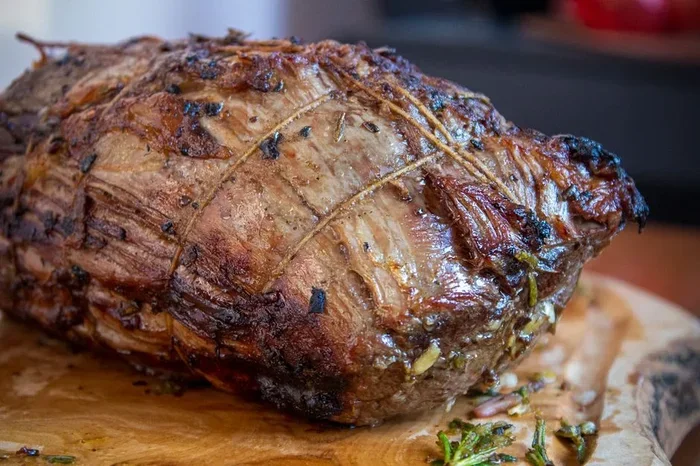
Our roast beef internal temperature chart shows you the exact temperatures for perfect doneness every time. Whether you want a rare roast with a red center or a well-done roast that’s fully cooked through, this guide has you covered. You will learn how to use a meat thermometer, avoid common mistakes, and serve tender, juicy roast beef that your whole family will love.
Cooking the perfect roast beef starts with one simple tool: a meat thermometer. Without it, you are guessing. And guessing means dry, tough beef or worse, undercooked meat that nobody wants to eat. A roast beef internal temperature chart takes all the guesswork out of the equation and gives you clear, reliable numbers to follow.
Whether you are making a simple oven-baked roast for Sunday dinner or smoking a brisket for the holidays, knowing the right beef internal temp is everything. This guide walks you through every temperature level, explains why resting matters so much, and shares practical tips that work every single time. By the end, you will feel confident cooking roast beef to exactly the doneness you and your family prefer.
Key Takeaways
- Use a meat thermometer: The only way to know your roast beef is done right is to check the internal temperature with a reliable probe.
- Different temps for different doneness: Rare roast beef hits 125°F, medium-rare reaches 135°F, and well-done goes to 160°F and above.
- Rest your roast: Letting the beef rest for 10 to 15 minutes after cooking keeps the juices inside and makes every slice tender.
- Carryover cooking matters: The temperature of your roast beef will rise 5 to 10 degrees after you take it out of the oven.
- Avoid overcooking: Pulling the roast off too early or cooking at too high a heat are the top reasons beef turns dry and tough.
- USDA safety guidelines apply: Ground beef needs to reach 160°F, but whole muscle roasts can be safe at lower temps when handled properly.
📑 Table of Contents
Understanding Roast Beef Internal Temperatures
Every cut of beef has a sweet spot. That is the temperature range where the meat is juicy, tender, and full of flavor. But what counts as “perfect” depends on personal preference. Some people love a rare roast with a cool red center. Others prefer a medium roast with just a hint of pink. And some want their beef fully cooked through with no pink at all.
The USDA recommends cooking whole muscle beef roasts to at least 145°F for food safety. This gives you a medium level of doneness. But many chefs and home cooks pull their roasts earlier, knowing that carryover cooking will raise the temperature a few more degrees after the meat comes out of the oven.
What Each Temperature Level Means
Here is a simple breakdown of what happens inside the meat at each temperature range:
- Rare (120°F to 125°F): The center is cool and bright red. The meat feels very soft when you press it. This is the most juicy option but may not suit everyone.
- Medium-Rare (130°F to 135°F): A warm red center with a firm outer edge. This is the favorite level for most roast beef lovers because it balances juice and flavor perfectly.
- Medium (140°F to 145°F): A pink center that is firmer than medium-rare. This is the USDA-recommended safe temperature for whole muscle beef.
- Medium-Well (150°F to 155°F): A small amount of pink near the center. The meat starts to lose some juiciness at this point.
- Well-Done (160°F and above): No pink at all. The meat is fully cooked through but can become dry if you push it too far past 165°F.
Understanding these levels helps you set the right target temperature before you start cooking. Write it down. Pin it to your fridge. Use it every time you make a roast beef recipe.
Roast Beef Internal Temperature Chart
A visual chart makes it easy to reference temperatures while you cook. Print this out and keep it in your kitchen. It removes all confusion and takes the stress out of roasting beef.
Here is a simple roast beef internal temperature chart you can use for any cut:
- Rare: 120°F to 125°F
- Medium-Rare: 130°F to 135°F
- Medium: 140°F to 145°F
- Medium-Well: 150°F to 155°F
- Well-Done: 160°F to 165°F
Remember that these temperatures are for the beef internal temp at the thickest part of the roast. Always insert the probe into the center of the meat, avoiding bone, fat, or gristle. Bone conducts heat differently and can give you a false reading.
If you are cooking a slow cooker Mississippi pot roast or any other type of braised roast, the same temperature guidelines apply. Low and slow cooking breaks down the connective tissue and makes even well-done roasts tender and juicy. But you still need to check the temp to make sure the meat has reached a safe level throughout.
For those who love using their crockpot beef roast recipes, a thermometer is just as important. The slow cooker environment can be tricky, and visual cues alone are not enough to tell if your roast is truly done.
How To Measure Beef Temperature Correctly
Using a meat thermometer sounds simple, but many people do it wrong. The placement of the probe, the type of thermometer you use, and the timing of your reading all matter. Get these details right, and your roast beef will turn out perfectly every time.
Where To Insert The Thermometer
The best spot for your probe is the geometric center of the roast. This is the last part of the meat to reach the target temperature. Avoid touching bone, fat pockets, or the pan. These areas conduct heat differently and will give you a reading that is higher or lower than the true internal temp.
For thick roasts, insert the probe halfway into the meat from the top. For smaller roasts or round cuts, insert it from the side through the center. Make sure the probe tip sits in the middle of the thickest section.
Best Thermometers For Roast Beef
Not all thermometers are created equal. Here are the types that work best for checking beef internal temp:
- Instant-Read Thermometers: Fast and accurate. You insert the probe, wait 15 to 30 seconds, and get a reading. These are great for checking the temp near the end of cooking.
- Leave-In Probe Thermometers: These stay in the roast the entire time. They connect to a display unit that lets you monitor the temperature without opening the oven door.
- Wireless Smart Thermometers: The premium option. These connect to your phone and send real-time updates. Some even alert you when the roast reaches your target temp.
Any of these tools will help you nail the right beef doneness level. The key is to use one consistently and trust the numbers it gives you.
Common Roast Beef Mistakes And How To Avoid Them
Even experienced cooks make mistakes when roasting beef. The good news is that most of these errors are easy to fix once you know what they are. Here are the most common problems and how to avoid them.
Overcooking Your Roast
Overcooking is the number one enemy of juicy roast beef. When you cook past your target temperature, the muscle fibers tighten up and squeeze out the juices. The result is dry, tough meat that needs a lot of sauce to make it palatable.
To avoid overcooking, pull the roast off the heat 5 to 10 degrees before it reaches your target temp. Remember that carryover cooking will raise the temperature during the rest period. For example, if you want a medium-rare roast at 135°F, pull it at 130°F and let it rest. The temp will climb to the right level on its own.
Skipping The Rest Period
Resting is not optional. It is a critical step in the cooking process. When you take a roast out of the oven, the juices inside are under a lot of pressure. If you cut into the meat right away, those juices run out onto the cutting board instead of staying in the meat where they belong.
Let your roast rest for 10 to 15 minutes before slicing. Tent it loosely with foil to keep the heat in without trapping too much steam. This simple step makes a huge difference in beef tenderness and overall flavor.
Not Accounting For Different Cuts
Not all roasts are the same. A chuck roast needs low heat and long cooking time to break down its tough connective tissue. A tenderloin roast is naturally tender and cooks much faster. A brisket requires patience and low temperatures over many hours. Treating every cut the same way is a recipe for disappointment.
If you ever end up with a tough roast, do not throw it away. You can fix it. There are ways to rescue a tough pot roast or overcooked beef and turn it into something delicious. Understanding the right beef roast cooking time for each cut goes a long way toward preventing problems in the first place.
Tips For Perfect Roast Beef Every Time
Great roast beef does not happen by accident. It comes from a combination of good technique, the right equipment, and a little bit of patience. Here are some tried-and-true tips that will elevate your roast beef game.
Searing Before Roasting
Searing the outside of your roast before it goes in the oven creates a flavorful crust through the Maillard reaction. This is the chemical process that browns the surface and develops deep, savory flavors. A good sear does not seal in juices, but it does add incredible taste and texture to your finished roast.
Heat a heavy skillet with a high-smoke-point oil. Pat the roast dry with paper towels. Sear all sides until you get a rich brown crust, usually 2 to 3 minutes per side. Then transfer the roast to the oven and continue cooking to your target beef internal temp.
Understanding Carryover Cooking
Carryover cooking is one of the most important concepts in roast beef. After you remove the meat from the heat source, the residual heat continues to cook the interior. The temperature can rise anywhere from 5 to 15 degrees depending on the size of the roast.
This is why professional chefs pull their roasts early. A large roast will experience more carryover than a small one. Factor this into your planning so you do not accidentally overshoot your target beef doneness level.
Letting The Beef Rest Properly
As mentioned earlier, resting is essential. But the length of the rest matters too. A small roast needs about 10 minutes. A large roast, especially one that weighs over 5 pounds, may need 15 to 20 minutes. Use this time to prepare your sides, make a pan sauce, or set the table.
When you are ready to slice, use a sharp knife and cut against the grain. This shortens the muscle fibers and makes each bite more tender. Serving roast beef at the right temperature ensures that every slice is juicy and full of flavor.
Storing And Reheating Leftover Roast Beef
Sometimes you cook more roast beef than you can eat in one sitting. That is a good problem to have. Leftover roast beef makes incredible sandwiches, salads, and soups the next day. But you need to store it properly to keep it safe and delicious.
Let the roast cool to room temperature within two hours of cooking. Slice it if you want, or store it whole. Place it in an airtight container or wrap it tightly in plastic wrap. Refrigerate within two hours of cooking. Properly stored roast beef keeps in the fridge for 3 to 4 days.
When you are ready to eat the leftovers, reheat gently. Low heat in the oven or a quick warm-up in the microwave works best. Avoid high heat, which dries out the meat quickly. For longer storage, you can freeze roast beef for up to 3 months. Learn more about proper beef storage techniques to keep your meat fresh and safe.
If your leftover roast turns out a bit tough after reheating, try slicing it thin and warming it in a flavorful broth or gravy. This adds moisture back into the meat and makes it enjoyable again. Nobody wants to waste good beef, and with the right storage method, your roast beef will taste great even on day two.
Conclusion
Cooking roast beef to perfection is easier than you think. All you need is a reliable meat thermometer, a good roast beef internal temperature chart, and the confidence to trust the numbers. Whether you prefer a rare roast with a cool red center or a well-done roast that is fully cooked through, knowing the right beef internal temp puts you in control.
Remember to account for carryover cooking, always let your roast rest, and store any leftovers properly. These simple habits transform good roast beef into great roast beef. Use this guide every time you cook, and you will never serve dry, overcooked beef again. Your family and guests will notice the difference, and you will feel proud every time you pull a perfect roast out of the oven.
Now that you have all the tools and knowledge you need, it is time to put them into practice. Fire up your oven, grab your thermometer, and cook a roast beef that is juicy, tender, and absolutely delicious. You have got this.
Frequently Asked Questions
What is the safe internal temperature for roast beef?
The USDA recommends cooking whole muscle beef roasts to at least 145°F for food safety. This corresponds to a medium level of doneness. However, many people prefer their roast beef at medium-rare (130°F to 135°F) or rare (120°F to 125°F). Always use a meat thermometer to verify the beef internal temp at the thickest part of the roast.
How long should I rest roast beef before slicing?
Let your roast beef rest for 10 to 15 minutes after cooking. For larger roasts over 5 pounds, allow up to 20 minutes. Tent the roast loosely with foil to keep the heat in. Resting allows the juices to redistribute throughout the meat, which makes every slice more tender and flavorful.
Can I use a meat thermometer in a slow cooker?
Yes, you can use a leave-in probe thermometer in a slow cooker. Make sure the probe is positioned in the center of the roast, away from the sides of the pot. Slow cookers can be tricky because the heat distribution is not always even, so checking the beef internal temp with a thermometer is the best way to ensure doneness.
What temperature should I pull my roast beef at?
Pull your roast beef 5 to 10 degrees below your target temperature. This accounts for carryover cooking, which raises the internal temp by several degrees after the roast comes out of the oven. For example, pull at 130°F for medium-rare, and the temperature will rise to 135°F during the rest period.
Why is my roast beef tough and dry?
Overcooking is the most common reason roast beef turns out tough and dry. When the internal temperature goes too high, the muscle fibers contract and squeeze out moisture. Other causes include not letting the meat rest, slicing against the grain incorrectly, or cooking a tough cut without enough time or liquid. If you end up with a tough roast, try slicing it thin and reheating it in a flavorful broth.
How does carryover cooking affect roast beef temperature?
Carryover cooking means the residual heat inside the roast continues to raise the temperature after you take it out of the oven. A small roast might rise 5 degrees, while a large roast can rise 10 to 15 degrees. This is why you should always pull the roast before it hits your final target beef doneness temperature.



