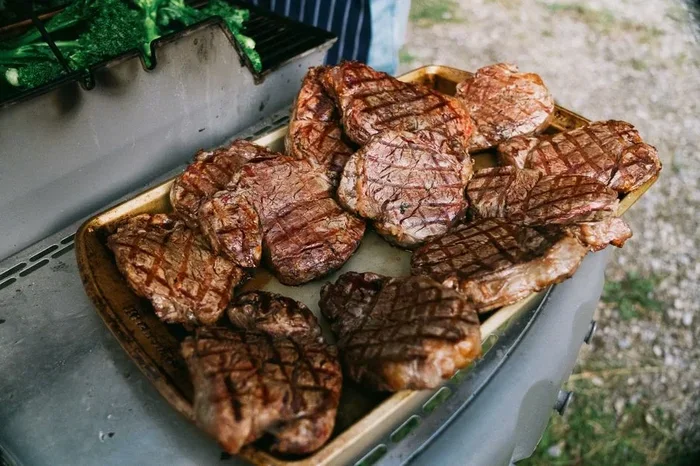
Achieve the perfect steak every time with this comprehensive steak temperature chart guide. Learn to use a meat thermometer like a pro and impress your dinner guests!
!(INSERT_IMAGE_URL_HERE)
Welcome to Your Perfectly Cooked Steak
Imagine slicing into a perfectly cooked steak, revealing a beautiful pink center that’s tender, juicy, and bursting with flavor. Achieving that perfect steak is easier than you think with the right steak temperature chart and a little practice. In this guide, we’ll walk you through everything you need to know to cook your steak to your desired doneness consistently.
Understanding Steak Doneness
Before we dive into the steak temperature chart, let’s quickly cover the different levels of doneness and what they mean.
– Rare: 125°F (52°C) – The center of the steak is mostly raw, with a small portion of it cooked. This is the preferred choice for those who enjoy a cool, red center.
– Medium-Rare: 135°F (57°C) – The center of the steak is warm, with a slight chill. This is the most popular choice among steak enthusiasts, offering a good balance between raw and cooked.
– Medium: 145°F (63°C) – The center of the steak is fully cooked but still moist and tender. This is a safe and tasty option for those who prefer their steak cooked a bit more.
– Medium-Well: 155°F (69°C) – The center of the steak is mostly cooked, with just a hint of pink remaining. This is a good choice for those who prefer their steak cooked but still juicy.
– Well-Done: 160°F (71°C) – The center of the steak is completely cooked, with no pink remaining. This is the least popular choice due to the loss of juiciness and flavor.
Using a Meat Thermometer
The key to consistent and perfectly cooked steaks is using a reliable meat thermometer. Insert the probe into the thickest part of the steak, making sure not to touch bone or rest it on the surface of the pan. Here’s a quick guide on when to check the temperature:
– Stovetop: Check the temperature in the last few minutes of cooking, just before you think it’s done.
– Oven: Check the temperature about 10 degrees before your desired doneness, as steaks will continue to cook after you remove them from the oven.
– Grill: Check the temperature in the last few minutes of cooking, just before you think it’s done.
Steak Temperature Chart
Now that we’ve covered the basics, let’s dive into the steak temperature chart. Remember that these are target temperatures, and you may need to adjust based on your specific cooking method and desired doneness.
Key Takeaways
- Understand Doneness: Rare, medium-rare, medium, medium-well, and well-done explained
- Use a Meat Thermometer: Essential for consistent results
- Rest Your Steak: Why and how to rest for the best texture
- Cooking Methods: Pan-searing, grilling, and oven-roasting temperature guides
- Carryover Cooking: How to account for the temperature rise after removing from heat
📑 Table of Contents
Pan-Seared Steak Temperature Chart
| Doneness | Thickness (inches) | Initial Temperature (F°) | Cooking Time (minutes) | Final Temperature (F°) |
|—|—|—|—|—|
| Rare | 1 | 350°F (177°C) | 2-3 | 125°F (52°C) |
| Medium-Rare | 1 | 350°F (177°C) | 4-5 | 135°F (57°C) |
| Medium | 1 | 350°F (177°C) | 6-7 | 145°F (63°C) |
| Medium-Well | 1 | 350°F (177°C) | 8-9 | 155°F (69°C) |
| Well-Done | 1 | 350°F (177°C) | 10-11 | 160°F (71°C) |
Grilling Steak Temperature Chart
| Doneness | Thickness (inches) | Initial Temperature (F°) | Cooking Time (minutes) | Final Temperature (F°) |
|—|—|—|—|—|
| Rare | 1 | 450°F (232°C) | 4-5 | 125°F (52°C) |
| Medium-Rare | 1 | 450°F (232°C) | 6-7 | 135°F (57°C) |
| Medium | 1 | 450°F (232°C) | 8-9 | 145°F (63°C) |
| Medium-Well | 1 | 450°F (232°C) | 10-11 | 155°F (69°C) |
| Well-Done | 1 | 450°F (232°C) | 12-13 | 160°F (71°C) |
Oven-Roasting Steak Temperature Chart
| Doneness | Thickness (inches) | Oven Temperature (F°) | Cooking Time (minutes) | Final Temperature (F°) |
|—|—|—|—|—|
| Rare | 1 | 400°F (204°C) | 8-10 | 125°F (52°C) |
| Medium-Rare | 1 | 400°F (204°C) | 12-14 | 135°F (57°C) |
| Medium | 1 | 400°F (204°C) | 16-18 | 145°F (63°C) |
| Medium-Well | 1 | 400°F (204°C) | 20-22 | 155°F (69°C) |
| Well-Done | 1 | 400°F (204°C) | 24-26 | 160°F (71°C) |
Carryover Cooking
When cooking steak, the temperature will continue to rise even after you remove it from the heat source. This is known as carryover cooking. To account for this, aim for a slightly lower internal temperature than your desired doneness. Here’s a rough guide to the carryover cooking temperature rise:
– Rare: 5-10°F (3-6°C)
– Medium-Rare: 5-8°F (3-5°C)
– Medium: 5-7°F (3-4°C)
– Medium-Well: 3-5°F (2-3°C)
– Well-Done: Minimal carryover cooking
Resting Your Steak
Resting your steak is a crucial step that allows the juices to redistribute throughout the meat, ensuring a more tender and flavorful final product. To rest your steak, simply place it on a cutting board or plate and let it sit for 5-10 minutes. Avoid covering the steak, as this can trap steam and make the exterior soggy.
Expert Tips
1. Preheat your pan: Ensure your pan is hot before adding the steak to create a beautiful sear.
2. Season generously: Don’t be afraid to season your steak with salt and pepper before cooking. This will help develop a flavorful crust.
3. Use high heat: Cooking steak at high heat helps develop a delicious browned exterior and concentrate the flavors.
4. Avoid flipping too often: Turn your steak only once or twice to avoid releasing too much of the steak’s precious juices.
Common Mistakes to Avoid
1. Overcooking: Resist the urge to overcook your steak, as this will lead to a dry and less flavorful final product.
2. Not using a meat thermometer: Relying on guesswork can lead to inconsistent results. Always use a meat thermometer to ensure your steak is cooked to your desired doneness.
3. Resting for too long: While resting is essential, allowing your steak to rest for too long can cause it to become cold and dry.
Key Takeaways
– Understand the different levels of steak doneness and choose the one that suits your preference.
– Use a reliable meat thermometer to ensure consistent and perfectly cooked steaks.
– Account for carryover cooking to reach your desired internal temperature.
– Rest your steak before serving to allow the juices to redistribute throughout the meat.
– Experiment with different cooking methods, such as pan-searing, grilling, and oven-roasting, to find your preferred technique.
Conclusion
Cooking the perfect steak is an art that requires practice and patience. By following this comprehensive steak temperature chart guide and refining your technique, you’ll be well on your way to impressing your dinner guests with perfectly cooked steaks every time. So, fire up your grill, preheat your pan, and let’s get cooking!
Frequently Asked Questions
How long does it take to cook a steak to medium-rare?
The cooking time for a 1-inch thick steak to reach medium-rare doneness depends on the cooking method. Pan-searing typically takes 4-5 minutes, grilling takes 6-7 minutes, and oven-roasting takes 12-14 minutes.
What is the best temperature for searing a steak?
The best temperature for searing a steak is between 350°F (177°C) and 450°F (232°C). This range helps to create a delicious browned exterior while ensuring the steak remains juicy and tender.
Why is my steak tough?
Steak can become tough due to overcooking, not resting the meat properly, or using a cut that is naturally tough. To avoid this, use a meat thermometer to ensure you’re not overcooking, rest your steak for 5-10 minutes, and choose tender cuts like ribeye, filet mignon, or New York strip.
Can you cook steak in the microwave?
While it’s possible to cook steak in the microwave, it’s not recommended for achieving the best results. Microwaving can lead to uneven cooking, a less tender final product, and a lack of the desired seared exterior. For the most flavorful and tender steak, stick to traditional cooking methods like pan-searing, grilling, or oven-roasting.
How do I cook a steak in the oven?
To cook a steak in the oven, preheat your oven to 400°F (204°C). Season your steak with salt and pepper, then sear it in a hot oven-safe skillet on the stovetop for 2-3 minutes on each side. Transfer the skillet to the preheated oven and cook the steak to your desired doneness, using a meat thermometer to monitor the internal temperature.
Why does my steak have a gray ring around the edge?
A gray ring around the edge of your steak is a result of heat exposure and is completely harmless to consume. This occurs when the exterior of the steak cooks faster than the interior, causing a grayish ring to form. It can be trimmed off before serving if desired, but it’s still safe to eat.