Master the t bone steak cooking time with our complete grilling guide. We cover everything from selecting the right steak to hitting the perfect internal temperature for medium rare. Whether you use a charcoal grill or gas grill, this guide gives you actionable steps for a restaurant-quality steak at home.
Key Takeaways
- Thick cuts need more time: A 1.5-inch t bone steak takes about 4-5 minutes per side on high heat for medium rare.
- Resting is non-negotiable: Always let your steak rest for 5-10 minutes after grilling to lock in the juices.
- Use a meat thermometer: Target 130°F internal temperature for medium rare, which is the sweet spot for t bone steak.
- Reverse sear works great: For thicker steaks, slow-cook first then sear for an even crust and perfect edge-to-edge doneness.
- Bone-in matters: The bone adds flavor and slows cooking slightly, so adjust your t bone steak cooking time accordingly.
- Pat dry before grilling: Removing surface moisture ensures better grill marks and a deeper sear.
📑 Table of Contents
- T Bone Steak Cooking Time: The Complete Guide to Perfect Grilling
- Understanding T Bone Steak Thickness and Its Impact on Cooking Time
- The Best Grilling Methods for T Bone Steak
- Step-by-Step Guide to Grilling T Bone Steak
- Internal Temperatures: The Visual and Touch Guide
- Common Mistakes That Ruin T Bone Steak
- Essential Tools for the Perfect T Bone Steak
- Pairing Your T Bone Steak with Sides
- Conclusion
T Bone Steak Cooking Time: The Complete Guide to Perfect Grilling
Grilling a t bone steak is one of the most rewarding things you can do in the kitchen. But getting the t bone steak cooking time right can feel tricky, especially if you are new to grilling. The good news is that once you understand a few simple principles, you will nail it every single time.
This guide walks you through everything you need to know. We cover how thick your steak should be, what temperature to aim for, and exactly how long to grill each side. By the end, you will feel confident firing up the grill like a pro. Let us dive in.
Why T Bone Steak Deserves Special Attention
The t bone steak is a cut above the rest, literally. It features two distinct muscles separated by a T-shaped bone: the strip loin and the tenderloin. This unique structure gives you the best of both worlds. You get the rich, beefy flavor of a strip steak and the buttery tenderness of a filet mignon, all in one cut.
Because of the bone and the two different muscle types, the t bone steak cooking time needs a bit more attention than a simple boneless steak. The bone slows heat transfer, which means the meat near the bone cooks slightly differently than the rest. This is actually a good thing if you know how to work with it. It adds depth of flavor and creates a more interesting eating experience.
When you buy a quality t bone, look for good marbling throughout the meat. Marbling refers to the thin white streaks of fat running through the muscle. More marbling means more flavor and more juiciness when you cook. A prime grade or choice grade t bone will give you the best results on the grill.
Understanding T Bone Steak Thickness and Its Impact on Cooking Time
The thickness of your steak is the single biggest factor that determines your t bone steak cooking time. A thin cut and a thick cut require completely different approaches. Here is how thickness changes everything.
Thin-Cut T Bone (Less Than 1 Inch)
Thin t bone steaks cook very fast. They are great for high-heat grilling, but they also carry a higher risk of drying out. If your steak is under 1 inch thick, keep a close eye on it. These thin cuts need only about 2-3 minutes per side over high heat. They are perfect for a quick weeknight dinner when you want something fast and delicious.
Standard T Bone (1 to 1.5 Inches)
This is the most common thickness you will find at the butcher or grocery store. A standard t bone steak in this range takes about 4-5 minutes per side over medium-high heat. This thickness gives you a nice crust on the outside while keeping the inside perfectly pink and juicy. It is the sweet spot for most home grillers.
Thick-Cut T Bone (1.5 Inches and Above)
Thick-cut steaks are a whole different ball game. They require more patience and a slightly different technique. A thick t bone steak may need 5-7 minutes per side, and many pitmasters recommend the reverse sear method for these beauties. We will cover that technique in detail below. Thick cuts also benefit from a longer resting time after grilling.
The Best Grilling Methods for T Bone Steak
Not all grilling methods produce the same results. The technique you choose directly affects your t bone steak cooking time and the final texture of the meat. Here are the three most popular methods, along with when to use each one.
Direct Heat Grilling
Direct heat is the most straightforward method. You place the steak directly over the flame or coals. This method works best for steaks that are 1 to 1.5 inches thick. The high heat creates those beautiful grill marks and a flavorful crust through the Maillard reaction. This is the go-to method for most backyard cooks.
With direct heat, preheat your grill to high, around 450-500°F. Place the steak on the hottest part of the grate. Cook for about 4 minutes on the first side, then flip and cook for another 4 minutes. Use a meat thermometer to check the internal temperature. For medium rare, you want 130-135°F. Remember, the temperature will rise a few degrees while the steak rests.
Reverse Sear Method
The reverse sear is a game-changer for thick t bone steaks. Instead of starting with high heat, you cook the steak low and slow first, then finish with a hot sear. This method gives you an incredibly even temperature from edge to edge. It also gives you more control over the final doneness.
To use the reverse sear, start by cooking the steak in a low oven at 250°F until it reaches about 115-120°F internally. Then transfer it to a screaming hot grill for 1-2 minutes per side to develop the crust. The total t bone steak cooking time is longer with this method, usually 20-30 minutes depending on thickness, but the results are worth every minute.
Charcoal vs Gas Grill: Does It Matter?
Both charcoal and gas grills can produce excellent t bone steaks, but they behave differently. A charcoal grill provides a smokier flavor and higher radiant heat. It is excellent for creating a deep, complex crust. A gas grill offers more convenience and better temperature control, which makes it easier for beginners to nail the t bone steak cooking time consistently.
Here is a quick comparison to help you decide:
- Charcoal grill: More flavor, higher heat, requires more skill and patience. Best for experienced grillers who want bold smoky taste.
- Gas grill: Easier temperature control, faster setup, less cleanup. Great for weeknight cooking and consistent results.
No matter which grill you use, make sure you clean the grates before cooking. A clean grate prevents sticking and helps create those perfect grill marks. If you are using a charcoal grill, let the coals ash over before placing the steak on. This ensures even heat distribution across the cooking surface.
Step-by-Step Guide to Grilling T Bone Steak
Now that you understand the basics, let us walk through the actual process step by step. Follow these instructions and you will grill a t bone steak that rivals any steakhouse.
Step 1: Choose and Prepare Your Steak
Start with a quality t bone steak that is at least 1 inch thick. Take it out of the refrigerator about 30 minutes before grilling. This lets the meat come closer to room temperature, which helps it cook more evenly. Pat the steak dry with paper towels on both sides. Removing surface moisture is essential for getting a good sear.
Season the steak generously with coarse salt and freshly ground black pepper. You can keep it simple with just salt and pepper, or add a light coating of garlic powder and smoked paprika for extra flavor. Avoid using too much seasoning at this stage. Let the natural beef flavor shine through.
Step 2: Preheat Your Grill
Preheat your grill to high heat, around 450-500°F. If you are using a gas grill, turn all burners to high and close the lid for 10-15 minutes. If you are using charcoal, light the coals and wait until they are covered in gray ash and glowing orange. This preheating step is critical. A hot grill sears the outside quickly, locking in the juices.
While the grill heats up, oil the grates lightly. Use a folded paper towel dipped in a high smoke-point oil like avocado oil or vegetable oil. Use a pair of tongs to rub the oiled towel across the grates. This prevents the steak from sticking and makes flipping much easier.
Step 3: Grill the Steak
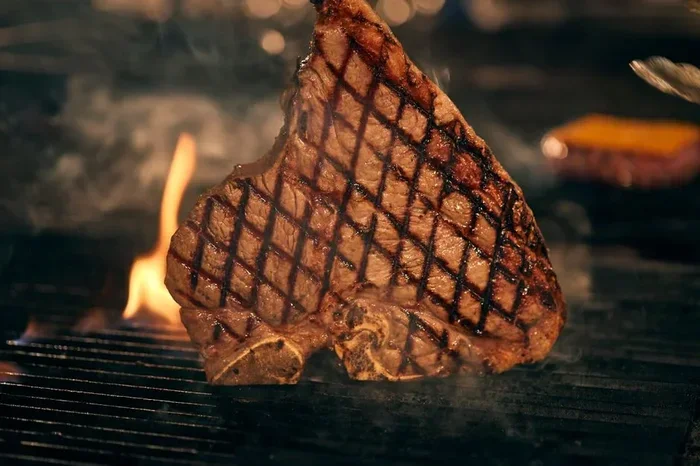
Place the steak on the hot grill at a 45-degree angle. This creates those classic diamond-shaped grill marks. Resist the urge to move the steak for the first 3-4 minutes. Let the crust form. When you are ready to flip, use a pair of tongs and flip the steak 90 degrees to create crosshatch marks. Then flip it over to the other side.
For a 1.5-inch thick steak, this second side will also take about 4-5 minutes. Use a meat thermometer inserted into the thickest part of the steak, avoiding the bone. Check the temperature frequently as you get closer to your target. Remember, the steak continues to cook after you remove it from the grill. This is called carryover cooking, and it can raise the internal temperature by 5-10 degrees.
Step 4: Rest the Steak
Once the steak reaches 125-130°F on the grill, remove it and place it on a cutting board. Tent it loosely with aluminum foil and let it rest for 5-10 minutes. This resting period is just as important as the grilling itself. During resting, the juices redistribute throughout the meat, making every bite moist and flavorful.
If you skip this step, all those juices will run out onto the cutting board instead of staying in the steak. Do not rush the rest. Use this time to prepare a simple side dish or set the table. A bone china dinnerware set makes a beautiful presentation for a grilled steak dinner, and it is a great option if you are serving guests.
Step 5: Slice and Serve
When the steak has rested, use a sharp knife to slice against the grain. Cutting against the grain shortens the muscle fibers, making each bite more tender. Serve immediately and enjoy the fruits of your labor.
Internal Temperatures: The Visual and Touch Guide
Knowing the right internal temperature is the key to nailing your t bone steak cooking time every time. The USDA recommends cooking beef to at least 145°F for food safety, but most steak lovers prefer their steak medium rare at 130-135°F. Here is a quick guide to doneness levels:
- Rare (120-125°F): Very red and cool in the center. Best for those who love a juicy, almost raw center.
- Medium Rare (130-135°F): Warm red center. This is the gold standard for t bone steak. Most chefs recommend this level for the best flavor and texture.
- Medium (140-145°F): Pink center with a slightly firmer texture. A good option if you prefer your steak a bit more cooked.
- Well Done (160°F+): Gray-brown throughout. Not recommended for t bone steak, as it dries out the tenderloin significantly.
Using a digital instant-read meat thermometer is the most reliable way to check doneness. Remove the steak from the grill when it is 5 degrees below your target temperature. The carryover heat will bring it up to the perfect doneness during the resting period.
Common Mistakes That Ruin T Bone Steak
Even experienced grillers make mistakes sometimes. Here are the most common errors that affect your t bone steak cooking time and overall results, along with how to avoid them.
- Starting with a cold steak: A steak straight from the refrigerator cooks unevenly. Always let it sit at room temperature for 30 minutes before grilling.
- Not preheating the grill enough: A lukewarm grill steams the meat instead of searing it. Give your grill at least 10-15 minutes to reach proper temperature.
- Pressing down on the steak: Pressing the steak with a spatula squeezes out the juices and dries it out. Let the steak cook untouched on each side.
- Skipping the rest: Cutting into the steak immediately after grilling releases all the juices. Always rest for at least 5 minutes.
- Guessing the doneness: Relying on touch or time alone is unreliable. A meat thermometer takes the guesswork out completely.
- Using a dirty grill grate: Residue from previous cooks sticks to your steak and affects the flavor. Clean your grates before every use.
If you are managing grease and fat buildup during grilling, a grease container for reusable cooking oil is a handy tool to have nearby. It keeps your grill clean and makes disposal easy.
Essential Tools for the Perfect T Bone Steak
Having the right tools makes a big difference when grilling a t bone steak. You do not need a lot of fancy equipment, but a few key items will elevate your results significantly.
- Meat thermometer: This is the single most important tool. An instant-read thermometer takes the guesswork out of grilling and ensures consistent results every time.
- Long-handled tongs: A sturdy pair of tongs lets you flip and move the steak without piercing the meat. Avoid using a fork, as puncturing the steak releases valuable juices.
- Grill brush: A good grill brush keeps your grates clean and ready for cooking. Clean grates prevent sticking and help create beautiful grill marks.
- Wooden spatula or tongs: A sturdy wooden or heat-resistant spatula works well for any additional prep work. An extra long wooden spoon for cooking can also come in handy when managing your grill or moving hot coals.
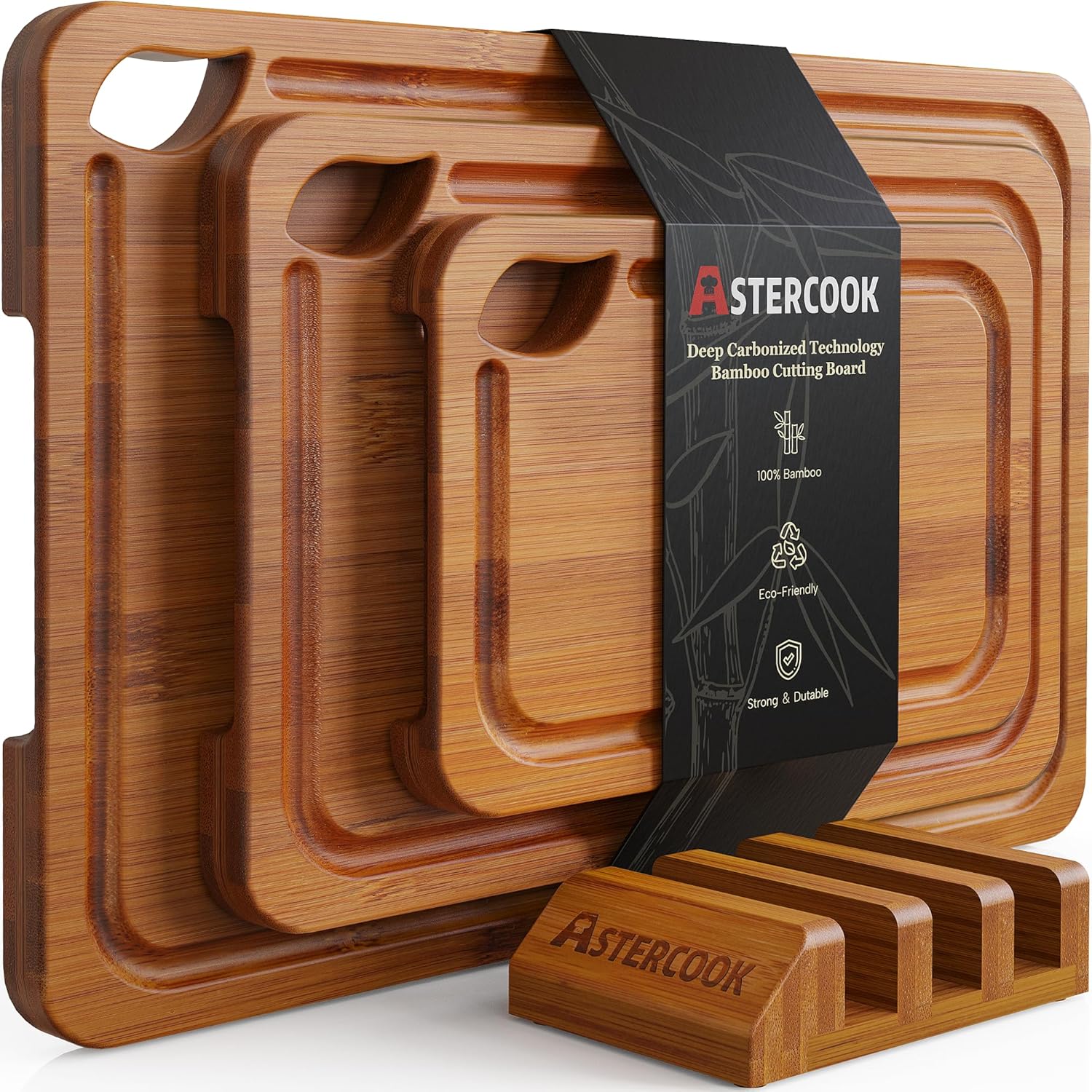
- Cutting board: A solid cutting board gives you a stable surface for resting and slicing your steak. Choose one that is large enough to accommodate a thick t bone comfortably.
When it comes to serving your perfectly grilled steak, presentation matters. A quality silverware set that won’t rust complements the dining experience and holds up well with repeated use. Pair it with a beautiful plate or bone china dinnerware set for 8 to make your steak night feel truly special.
Pairing Your T Bone Steak with Sides
A great t bone steak deserves great sides. Keep it simple and let the steak be the star of the show. Classic pairings include roasted vegetables, garlic mashed potatoes, a crisp garden salad, or grilled asparagus. A light side cuts through the richness of the steak and balances the meal perfectly.
If you are cooking for a group, consider preparing a few side dishes ahead of time so you can focus on the steak during the final grilling minutes. Pre-cooked shrimp recipes also make an excellent quick seafood side that complements steak beautifully, especially for a summer gathering.
Conclusion
Mastering the t bone steak cooking time is easier than you think. With the right thickness, proper grill temperature, and a reliable meat thermometer, you can consistently cook a t bone steak that is juicy, flavorful, and cooked to perfection. Remember to let your steak come to room temperature before grilling, use high heat for a great sear, and always rest the meat before cutting.
Whether you prefer the simplicity of direct heat grilling or the precision of the reverse sear method, the principles remain the same. Patience, attention to temperature, and a little practice will take your grilled t bone steak from good to outstanding. Fire up the grill this weekend and put these tips to work. Your taste buds will thank you.
Frequently Asked Questions
What is the best internal temperature for a t bone steak?
The best internal temperature for a t bone steak is 130-135°F for medium rare. This temperature range gives you a warm red center that is juicy and full of flavor. Use a meat thermometer to check the thickest part of the steak, away from the bone.
How long should I rest my t bone steak after grilling?
Let your t bone steak rest for 5-10 minutes after removing it from the grill. This resting period allows the juices to redistribute throughout the meat. Cutting too early causes the juices to run out, leaving the steak dry and less flavorful.
Can I cook a t bone steak in the oven instead of on the grill?
Yes, you can cook a t bone steak in the oven using the reverse sear method. Start by baking it at 250°F until it reaches 115-120°F internally, then sear it in a hot cast iron skillet for 1-2 minutes per side. This method works especially well for thick cuts.
How does bone-in affect the cooking time of a t bone steak?
The bone in a t bone steak acts as an insulator, which means the meat near the bone cooks slightly slower than the rest of the steak. This is why you may need to add a minute or two to your cooking time compared to a boneless cut. The bone also adds extra flavor during cooking.
Should I marinate my t bone steak before grilling?
Marinating is optional for t bone steak. Because this cut has excellent natural flavor and good marbling, a simple seasoning of salt, pepper, and garlic is often enough. If you do marinate, keep it to 30-60 minutes to avoid overpowering the beef’s natural taste.
What is the reverse sear method and when should I use it?
The reverse sear method involves cooking the steak low and slow in the oven first, then finishing with a hot sear on the grill or in a skillet. Use this method for thick t bone steaks that are 1.5 inches or thicker. It ensures even doneness from edge to edge and creates a beautiful crust on the outside.