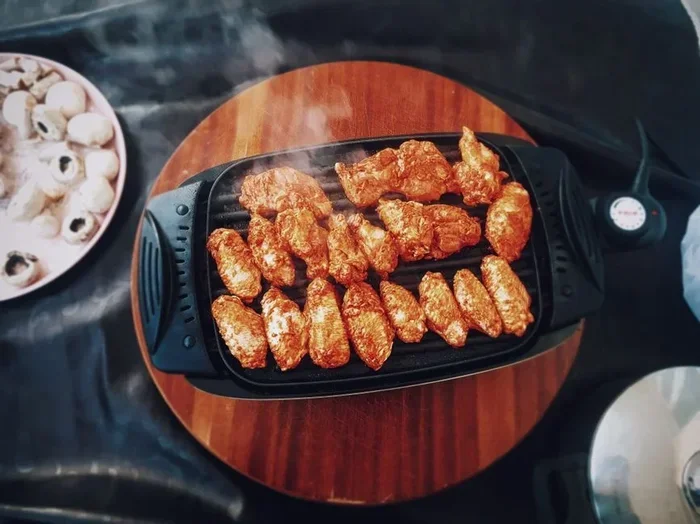
Are your chicken wings turning out unevenly cooked or pale? Learn what not to do to achieve perfectly cooked, golden-brown wings every time. Don’t let these common mistakes hinder your wing-making experience!
Introduction
Crispy, golden-brown chicken wings are a crowd-pleaser, but achieving this perfect result can be a challenge. Many home cooks struggle with uneven cooking, pale skin, or overcooked meat. To help you master the art of cooking chicken wings, we’ve compiled a list of things to avoid. By understanding what not to do, you’ll be well on your way to creating delicious, evenly cooked, and beautifully browned wings.
Why Does Even Cooking and Browning Matter?
Even cooking ensures that every wing is cooked through, preventing undercooked meat and foodborne illnesses. Browning adds flavor and visual appeal, making your wings more appealing and appetizing.
What Not to Do When Cooking Chicken Wings
1. Cooking at Too Low a Temperature*
One of the most common mistakes is cooking wings at too low a temperature. To achieve even cooking and a golden-brown exterior, wings need high heat.
Ideal Oven Temperature: Preheat your oven to 400-425°F (200-220°C). This temperature range provides enough heat to cook the wings through and promote browning.
Stovetop Cooking: If you’re cooking wings on the stove, ensure your oil is hot enough – around 350°F (175°C). Maintain this temperature throughout cooking to promote even browning.
Why it Matters
Cooking wings at too low a temperature results in undercooked meat, poor browning, and a longer cooking time. High heat ensures even cooking and a crispy, golden exterior.
2. Overcrowding the Pan or Oven Rack
Overfilling your pan or oven rack with wings can lead to uneven cooking and prevents proper browning. To achieve the best results, space your wings out evenly.
Pan Cooking: Cook wings in a single layer, ensuring they don’t overlap. You might need to cook them in batches to achieve this.
Oven Baking: Arrange wings on a baking sheet or rack in a single layer, leaving space between each wing. Use multiple baking sheets if necessary.
Why it Matters
Overcrowding traps steam, preventing the wings’ skin from becoming crispy and brown. Spacing wings out allows heat to circulate freely, promoting even cooking and browning.
3. Not Cooking Wings Long Enough
Undercooking wings can lead to pale skin and unsafe eating conditions. To ensure your wings are cooked through, use a meat thermometer and follow the recommended cooking times.
Internal Temperature: The USDA recommends cooking chicken wings to an internal temperature of 165°F (74°C). Use a meat thermometer to check the thickest part of the wing.
Cooking Times:
+ Oven: 40-50 minutes at 400°F (200°C)
+ Stovetop: 10-15 minutes at 350°F (175°C)
+ Deep-frying: 8-10 minutes at 350°F (175°C)
Why it Matters
Undercooked wings can harbor harmful bacteria, leading to foodborne illnesses. Additionally, pale skin indicates incomplete Maillard reactions, which contribute to flavor and color.
4. Skipping the Resting Time
Resting your wings before serving allows the juices to redistribute throughout the meat, ensuring a moister, more flavorful wing. Skipping this step can lead to dry, less flavorful wings.
Resting Time: After cooking, transfer your wings to a clean plate or baking sheet and let them rest for 5-10 minutes before serving.
Why it Matters
Resting allows the juices to redistribute, ensuring a moister, more flavorful wing. Skipping this step can result in dry, less flavorful wings that are prone to overcooking during the resting period.
5. Using the Wrong Cooking Method
Different cooking methods have varying effects on wing texture and browning. Experiment with methods to find what works best for you, but be aware that some methods may not produce the desired results.
Cooking Methods:
+ Oven-baking: Promotes even cooking and browning, but may not achieve the same crispiness as deep-frying.
+ Stovetop: Allows for easier sauce tossing and can be a healthier option, but requires more attention and may not brown as evenly.
+ Deep-frying: Provides the crispest skin and fastest cooking time, but can be messy and less healthy.
Why it Matters
Using the wrong cooking method can lead to disappointing results, such as undercooked, soggy, or poorly browned wings. Experiment with different methods to find the best fit for your preferences and needs.
6. Over-seasoning or Using the Wrong Seasonings
Over-seasoning can lead to salty, overpowering flavors, while using the wrong seasonings can result in bland or unappealing wings. To achieve the best flavor, use a light hand and choose seasonings that complement your wings’ natural flavors.
Seasoning Tips:
+ Start with a light layer of seasoning, and adjust to taste.
+ Experiment with different seasoning blends, such as salt, pepper, paprika, garlic powder, onion powder, and your choice of herbs and spices.
+ Consider the sauce or glaze you’ll be using, and choose seasonings that complement its flavors.
Why it Matters
Over-seasoning or using the wrong seasonings can lead to unappealing flavors that mask the natural taste of the chicken. Balancing seasonings ensures a pleasant, well-rounded flavor profile.
7. Not Tossing Wings in Sauce or Glaze Evenly
If using a sauce or glaze, ensure that each wing is evenly coated to avoid unseasoned or overpoweringly flavored wings.
Coating Tips:
+ Toss wings in sauce or glaze immediately after cooking, while they’re still hot.
+ Use a large bowl or bag to ensure even coating.
+ For better control, toss wings in smaller batches.
Why it Matters
Evenly coating wings in sauce or glaze ensures that each bite has a consistent flavor, preventing any disappointingly unseasoned or overpoweringly flavored pieces.
Conclusion
Mastering the art of cooking chicken wings is a rewarding endeavor. By understanding what not to do, you can avoid common pitfalls and achieve evenly cooked, beautifully browned wings every time. Don’t let these mistakes hinder your wing-making experience – instead, use this knowledge to create your perfect batch of wings!
*
Key Takeaways
- High Heat: Cooking at too low a temperature hinders even cooking and browning.
- Overcrowding: Overfilling the pan or oven rack leads to uneven cooking and prevents browning.
- Undercooking: Inadequate cooking time results in undercooked wings and poor browning.
- Lack of Resting Time: Wings need time to rest before serving to allow the juices to redistribute.
- Wrong Cooking Method: Deep-frying might not suit everyone, and using the wrong cooking method can hinder results.
- Incorrect Seasoning: Over-seasoning or using the wrong seasonings can affect both flavor and browning.
Frequently Asked Questions
**
How long should I cook chicken wings in the oven?
Preheat your oven to 400-425°F (200-220°C) and cook wings for 40-50 minutes, or until the internal temperature reaches 165°F (74°C). Flip wings halfway through cooking for even browning.
Can I cook chicken wings from frozen?
Yes, but it’s best to partially thaw them first. Increase cooking time by about 50% to ensure even cooking and browning.
Why are my chicken wings not browning?
Lack of high heat, overcrowding, or not flipping wings during cooking can hinder browning. Ensure your oven or oil is heated to the correct temperature, and space wings out evenly on the baking sheet or in the pan.
How do I make chicken wings crispy?
To achieve crispy skin, cook wings at high heat (400-425°F/200-220°C) and use a small amount of oil. For extra crispiness, try tossing wings in baking powder before cooking.
Can I cook chicken wings on the grill?
Yes, but be cautious of flare-ups and ensure wings are cooked through. Preheat the grill to medium-high heat (around 400°F/200°C), and cook wings for 20-25 minutes, flipping occasionally.
How do I store leftover chicken wings?
Store leftover wings in an airtight container in the refrigerator for up to 4 days. Reheat in the oven at 350°F (175°C) for 10-15 minutes, or until heated through.