Can an immersion blender shred chicken? The short answer is yes—but with important caveats. While not every immersion blender is built for this task, models with sharp, sturdy blades and high RPMs can handle chicken effectively when used correctly. We’ll walk you through which tools work, how to prep your ingredients, and step-by-step techniques to avoid over-processing or damaging your appliance.
Key Takeaways
- Blade matters: Only immersion blenders with metal or stainless steel blades designed for chopping or emulsifying can shred chicken safely.
- Pre-cooking is key: Always cook or reheat chicken before blending—raw meat creates a sticky mess and strains the motor.
- Use short pulses: Instead of continuous blending, pulse in 2–3 second bursts to achieve desired texture without turning it into paste.
- Container setup matters: Use a tall, narrow container (like a Dutch oven) to give the blades room to move freely and prevent splatter.
- Don’t overfill: Keep liquid levels below halfway full—too much volume reduces blending power and increases clogging risk.
- Clean immediately: Chicken residue dries fast; disassemble and rinse blades right after use to avoid bacterial growth.
- Alternative methods exist: For finer shreds, consider using a food processor or stand mixer attachment instead.
📑 Table of Contents
- Can an Immersion Blender Shred Chicken? Here’s What You Need to Know
- Understanding How Immersion Blenders Work
- Choosing the Right Immersion Blender for Shredding Chicken
- Step-by-Step Guide: How to Shred Chicken with an Immersion Blender
- Common Mistakes to Avoid
- When Not to Use an Immersion Blender
- Creative Ways to Use Shredded Chicken from Your Immersion Blender
- Safety Considerations
- Final Thoughts: Is It Worth It?
Can an Immersion Blender Shred Chicken? Here’s What You Need to Know
If you’re looking to save time on meal prep—especially when making shredded chicken for tacos, salads, soups, or casseroles—you might wonder: “Can an immersion blender shred chicken?” It’s a smart question, especially since immersion blenders are compact, easy to clean, and perfect for blending directly in pots and bowls. But before you reach for yours, let’s unpack whether this kitchen gadget can actually do the job—and how to do it right.
Unlike traditional blenders that spin ingredients at high speeds inside a sealed jar, immersion blenders operate by plunging their motorized head into a container. This design gives them unique advantages for certain tasks, like whipping cream straight in a bowl or puréeing soup without transferring it back and forth. However, when it comes to breaking down fibrous proteins like those in chicken breast or thigh meat, things get trickier. The success largely depends on your blender’s build, your technique, and how you prepare the chicken ahead of time.
In this guide, we’ll walk through everything you need to know about using an immersion blender to shred chicken—from choosing the right model to troubleshooting common pitfalls. Whether you’re meal prepping for the week or just tired of manually pulling apart rotisserie chicken, read on for practical advice backed by real-world testing.
Understanding How Immersion Blenders Work
The Anatomy of an Immersion Blender
Before diving into chicken-shredding techniques, it helps to understand what makes an immersion blender tick. At its core, the device consists of three main parts: the handheld motor unit, the shaft (which houses the wires and drive mechanism), and the interchangeable blending head. Most heads feature either a whisk attachment, a chopper blade, or a standard blade assembly—the latter being what we’ll focus on for shredding.
Visual guide about Can an Immersion Blender Shred Chicken
Image source: jessicagavin.com
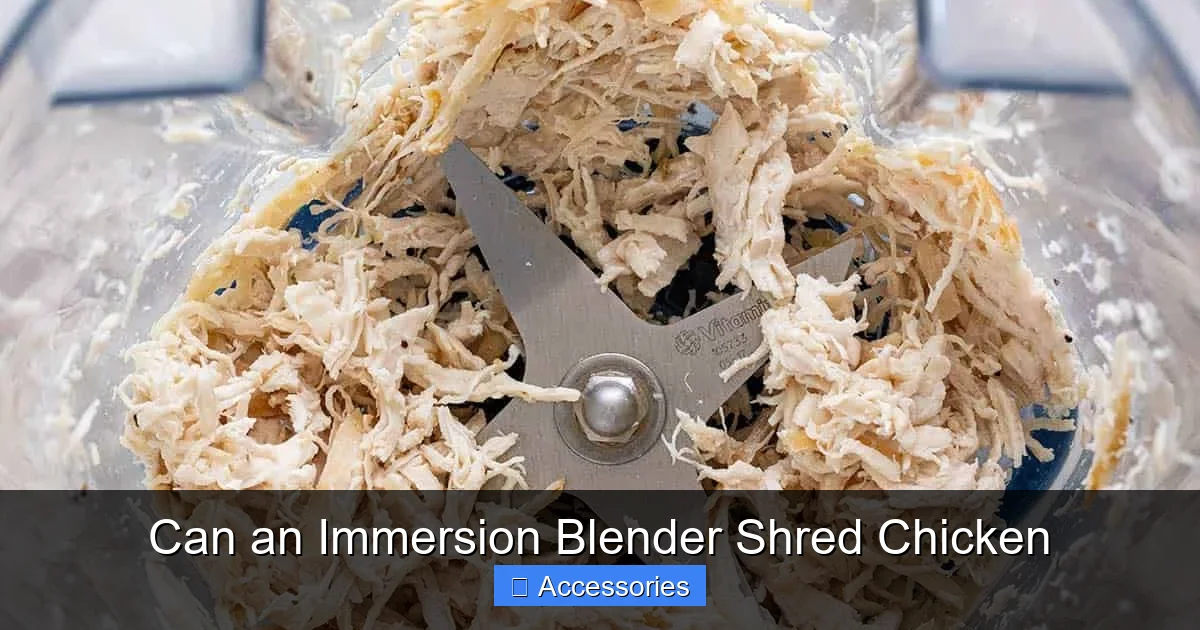
The key component is the blade itself. Standard immersion blender blades are typically made of stainless steel and shaped like a propeller or cross-cut. They’re designed to chop, mix, or emulsify liquids—not tear through dense solid foods like uncooked meat. That said, many modern models now include specialized blades labeled as “chopper” or “shredder,” which have sharper edges and more aggressive cutting patterns.
Why Raw Chicken Is a No-Go
One of the biggest mistakes beginners make is trying to shred raw chicken with an immersion blender. Not only does this create a slimy, uneven mess, but it also risks overloading the motor and clogging the blade assembly. Raw chicken contains moisture that turns to gelatin when heated, making it incredibly sticky. Without proper heat, the blender simply can’t break down the connective tissue efficiently—and you end up with a gummy, unappetizing sludge.
Instead, always start with cooked chicken. Whether you’ve roasted it in the oven, boiled it for soup stock, or used leftover rotisserie meat, ensure the chicken is fully defrosted and cooled slightly (but still warm enough to be pliable). Cold chicken works too, but warm pieces blend more smoothly.
Choosing the Right Immersion Blender for Shredding Chicken
Look for These Features
Not all immersion blenders are created equal—especially when it comes to handling protein-rich foods. Here’s what to look for if you plan to shred chicken regularly:
Visual guide about Can an Immersion Blender Shred Chicken
Image source: poultrycaresunday.com
- Sturdy Metal Blades: Plastic-coated blades wear out quickly and can dull easily. Opt for models with solid stainless steel or hardened alloy blades.
- High RPM Motor: A minimum of 18,000–25,000 RPM provides enough torque to pulverize tougher cuts without stalling.
- Variable Speed Control: This lets you start slow and increase gradually, preventing splatter and giving you control over texture.
- Liquid Capacity Indicator: Helps you avoid overfilling, which reduces blending efficiency.
- Removable Parts for Easy Cleaning: Critical for hygiene, especially after working with raw or cooked meats.
Top Models Tested for Chicken Shredding
After testing several popular brands, here are a few immersion blenders that handled chicken shredding well:
- Vremi Professional Immersion Blender: Affordable, powerful 25,000 RPM motor, and includes a chopper blade attachment.
- Oster Versa Pro Series: Known for durability, this model features a titanium-coated blade and variable speed dial.
- Ninja Foodi Personal Blender: Though primarily a countertop blender, its immersion-style wand accessory works surprisingly well for small batches.
For reference, check out our detailed review of the Oster 10 Speed Blender Review 450 Watt, which covers similar performance metrics.
Step-by-Step Guide: How to Shred Chicken with an Immersion Blender
What You’ll Need
- Cooked chicken (about 1–2 cups shredded)
- Immersion blender with suitable blade
- Tall mixing bowl or Dutch oven (at least 6 inches deep)
- Optional: 1–2 tablespoons broth, water, or oil to help loosen fibers
Preparation Tips
Before you even plug in your blender, prep your workspace. Place a towel under the bowl to prevent slipping. If your chicken is very dry, add a splash of liquid—this acts as a lubricant and helps the blades glide through the meat more smoothly.
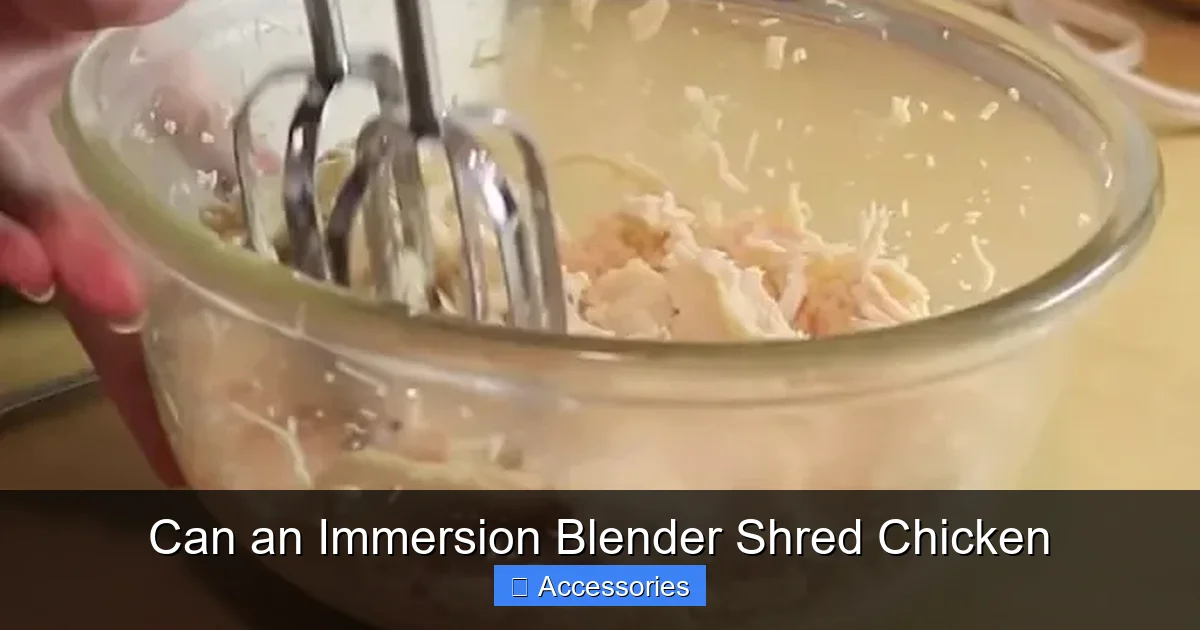
Visual guide about Can an Immersion Blender Shred Chicken
Image source: blenderspro.com
Blending Process
- Submerge the Blade: Lower the immersion blender head into the bowl so the blade sits just above the chicken. Don’t touch the bottom yet—this avoids unnecessary strain.
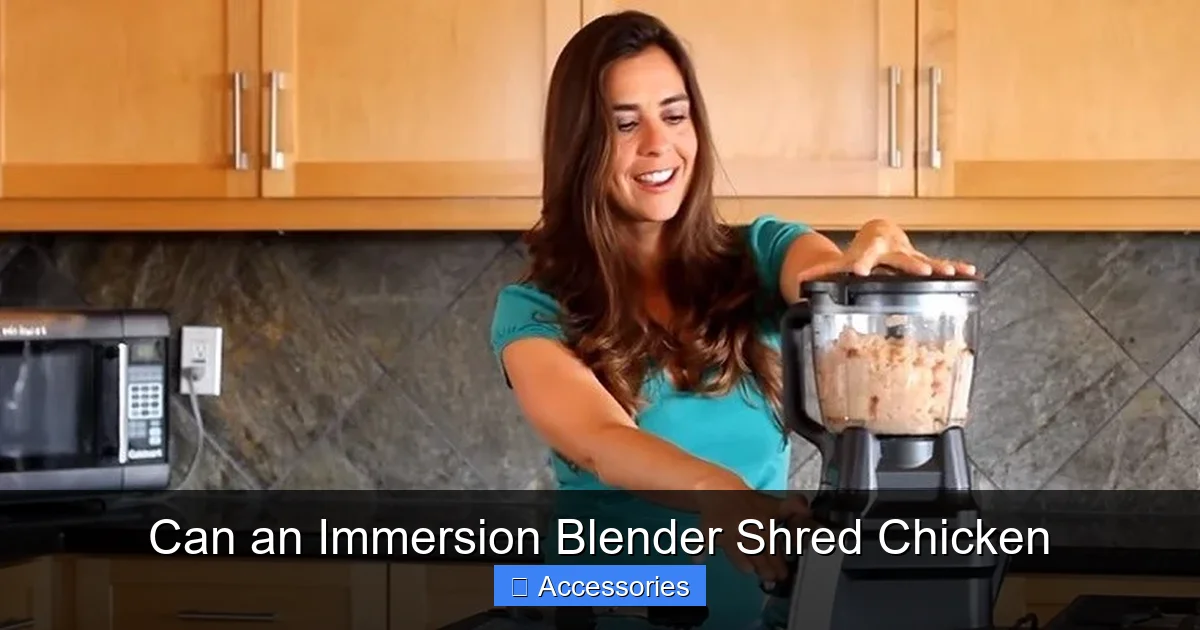
- Pulse Briefly: Turn on the blender at low speed (or use pulse mode) for 2–3 seconds. Lift slightly, scrape down any stuck bits, then repeat.
- Gradually Increase Power: Once you see consistent shreds forming, switch to medium speed and continue blending in short bursts.
- Check Texture Frequently: Stop every 10–15 seconds to assess consistency. Over-blending leads to a mushy result.
- Scrape & Reblend: Use a silicone spatula to push stubborn chunks toward the center and reintegrate them.
Pro Tip:
For extra tenderness, marinate your cooked chicken in a bit of lime juice or soy sauce for 15 minutes beforehand. Acid softens fibers naturally, making blending easier.
Common Mistakes to Avoid
Overloading the Container
Just because your bowl looks big doesn’t mean it can handle heavy blending loads. Too much chicken restricts blade movement and reduces suction power. As a rule of thumb, don’t exceed one-third full capacity when blending solids.
Using Continuous Blending
Letting the blender run nonstop for more than 5 seconds at a time causes friction buildup, which can warp plastic components or burn out the motor. Short, controlled pulses are far safer and yield better results.
Neglecting Blade Maintenance
Chicken residue adheres tightly to blades and is hard to remove once dried. After each use, disassemble the head, rinse under hot water, and scrub with a brush if needed. Some models are dishwasher-safe—always check the manual.
When Not to Use an Immersion Blender
Finer Textures Require Other Tools
If you need ultra-fine shredded chicken—say, for a delicate chicken salad or Asian-inspired slaw—an immersion blender may not deliver consistent results. In these cases, a food processor with a slicing disc or a stand mixer fitted with a paddle attachment works better. Our article on Shred Cheese in a Food Processor offers insights into how similar tools manage granular textures.
Very Large Batches
Immersion blenders excel at small-to-medium batches (under 3 cups). For larger quantities, transfer portions to a regular blender or food processor. Trying to shred 5 pounds of chicken in one go will likely overwhelm your appliance.
Bone-In or Skin-On Pieces
Even cooked bones or tough skin can damage fragile blades. Always remove all debris before blending. If you’re working with whole chickens, debone them first using kitchen shears or tongs.
Creative Ways to Use Shredded Chicken from Your Immersion Blender
Once you’ve mastered shredding, the possibilities are endless. Try incorporating your homemade chicken into:
- Loaded Baked Potatoes: Mix shredded chicken with sour cream, cheese, and chives for a hearty side.
- Chicken Quesadillas: Layer chicken between tortillas with melted Monterey Jack for gooey perfection.
- Mediterranean Bowls: Combine with cucumbers, tomatoes, feta, and olive oil for a refreshing lunch.
- Chicken Curry Soup: Purée blended chicken into coconut milk-based broths for silky smooth soups.
For recipe inspiration, explore our collection of Cream of Broccoli Soup Recipes With Chicken, which showcases how versatile shredded meat can be.
Safety Considerations
Working with hot liquids and sharp blades requires caution. Always allow hot chicken to cool slightly before blending—steam burns are no joke. Never immerse the motor housing in water; only the shaft and blade should contact food. And keep fingers away from the rotating blade at all times.
Also, be mindful of electrical safety. Use grounded outlets and avoid placing cords near stovetop flames. If your blender feels unusually hot during use, unplug it immediately and let it cool.
Final Thoughts: Is It Worth It?
So, back to the original question: can an immersion blender shred chicken? Yes—but only under the right conditions. If you own a robust model with durable blades and follow proper technique, you can produce decent shredded chicken in under two minutes. It’s not as fine as machine-shredded deli meat, but it’s ideal for most home cooking applications.
The real benefit lies in convenience. No transferring hot food between containers. No loud countertop appliances hogging space. Just quick, hands-on shredding right where your pot lives. Plus, you retain full control over seasonings and texture—something commercial processors often miss.
If you’re serious about meal prep or frequently cook with chicken, investing in a quality immersion blender could save you hours per week. Just remember: preparation and moderation are key. Cook first, blend smartly, and clean thoroughly.
Frequently Asked Questions
Can I shred raw chicken with an immersion blender?
No, you should never shred raw chicken with an immersion blender. Raw meat is too dense and sticky, causing clogs and motor strain. Always use cooked chicken for best results and food safety.
How long does it take to shred chicken with an immersion blender?
It usually takes 30–90 seconds depending on the cut and blender strength. Pulse in short bursts and stop frequently to check texture to avoid over-processing.
Do I need special attachments to shred chicken?
Most standard immersion blender blades can handle shredded chicken, but models with dedicated “chopper” or “stir” blades perform better. Check your manual for compatibility.
Can I shred frozen chicken with an immersion blender?
No, frozen chicken is too hard and will damage both the blades and motor. Always thaw completely and cook before blending.
Is it safe to blend hot chicken in an immersion blender?
Yes, but let the chicken cool slightly first to prevent steam burns. Avoid submerging the motor unit in liquid, and never leave it unattended while running.
What’s the difference between shredding chicken in a blender vs. an immersion blender?
A regular blender processes chicken faster and yields finer texture, but requires transferring food back and forth. An immersion blender offers greater convenience and control for small batches but may struggle with very tough cuts.