Freezing squash is a smart way to extend its shelf life and preserve nutrition. Follow our easy steps—blanch, cool, pack, and label—to keep squash tasty and ready for soups, stews, or side dishes anytime you crave it.
Key Takeaways
- Blanch before freezing: A quick 2‑3 minute boil stops enzyme activity and locks in color.
- Cool rapidly: Ice‑water baths prevent over‑cooking and keep texture firm.
- Use airtight packaging: Freezer bags or vacuum‑sealed containers guard against freezer burn.
- Label with date and type: Knowing what you have saves time and reduces waste.
- Store for up to 12 months: Most squash varieties stay high‑quality for a year when frozen properly.
- Portion before freezing: Smaller bags make reheating faster and reduce thaw‑and‑refreeze cycles.
- Reheat safely: Microwave, stovetop, or oven methods keep flavor bright without sogginess.
📑 Table of Contents
- Introduction: Why Freeze Squash?
- 1. Choosing the Right Squash for Freezing
- 2. Preparing Squash Before It Hits the Freezer
- 3. Packing Squash for the Freezer
- 4. Storing Squash in the Freezer
- 5. Thawing and Cooking Frozen Squash
- 6. Common Mistakes and How to Fix Them
- Conclusion: Your Year‑Round Squash Solution
Introduction: Why Freeze Squash?
Squash is a kitchen staple that shows up in everything from creamy soups to roasted side dishes. But fresh squash only lasts a few weeks in the fridge, and that window can close quickly when you buy in bulk or have a garden harvest. Freezing is the answer. When you freeze squash correctly, you lock in the sweet, buttery flavor, retain most of the vitamins, and create a ready‑to‑cook ingredient that saves you time on busy weeknights.
In this guide we’ll walk through every step of how to store squash in the freezer—from choosing the right squash, prepping it, and packing it, to thawing and cooking it later. We’ll also share practical tips, common mistakes to avoid, and a handful of tasty recipe ideas that make the most of your frozen stash.
1. Choosing the Right Squash for Freezing
1.1. Summer vs. Winter Squash
Not all squash freezes the same way. Summer squash (like zucchini, yellow squash, and pattypan) has a higher water content and can become a bit mushy after thawing, but it still works great in sauces, casseroles, and stir‑fries. Winter squash (such as butternut, acorn, spaghetti, and Hubbard) is denser and holds its shape better, making it perfect for soups, purees, and roasted dishes.
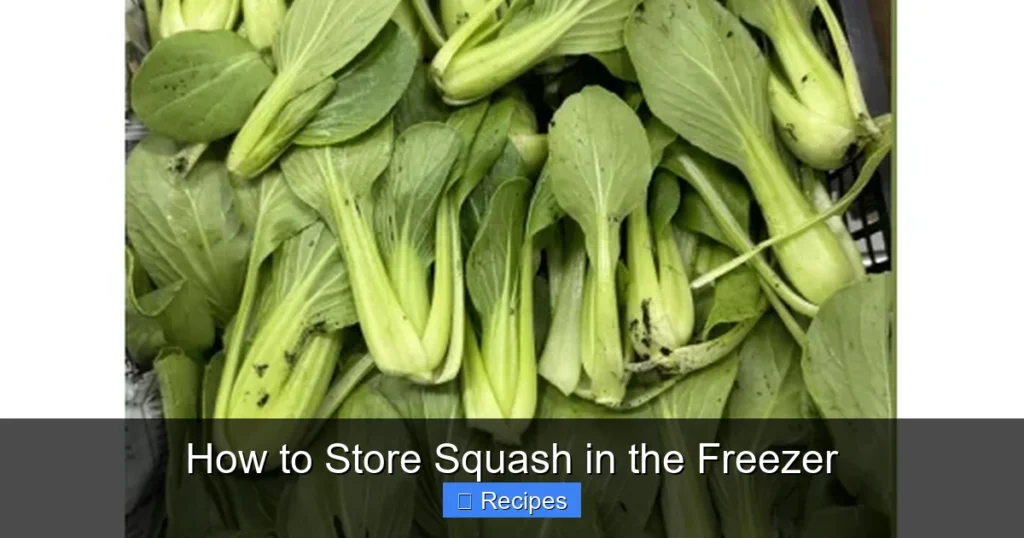
Visual guide about How to Store Squash in the Freezer
Image source: 5.imimg.com
1.2. Look for Freshness
Pick squash that’s firm, free of soft spots, and has a glossy skin. Fresh squash freezes better because it contains more natural sugars and fewer off‑flavors. If you’ve grown your own, harvest when the skin is hard and the color is deep.
2. Preparing Squash Before It Hits the Freezer
2.1. Wash, Peel, and Cut
Start by rinsing the squash under cool water. Use a vegetable brush for winter varieties with thick skins. Peel the squash if the skin is tough (but you can leave the skin on for summer squash if you like a bit of texture). Cut the squash into uniform pieces—cubes, slices, or sticks—so they cook evenly later.
Visual guide about How to Store Squash in the Freezer
Image source: img0.etsystatic.com
2.2. The Blanching Step
Blanching is the secret to preserving color, flavor, and nutrients. Here’s a quick blanching chart:
- Zucchini or yellow squash slices (½‑inch thick): 2 minutes boiling, then ice bath.
- Butternut or acorn squash cubes (1‑inch): 3 minutes boiling, then ice bath.
- Spaghetti squash strands: 2 minutes boiling, then ice bath.
Bring a large pot of water to a rolling boil, add the squash, set a timer, and as soon as the time is up, plunge the pieces into a bowl of ice water for the same length of time. This “shocks” the squash, stopping the cooking process.
2.3. Dry Thoroughly
After the ice bath, spread the pieces on a clean kitchen towel or paper towels and pat dry. Excess moisture creates ice crystals, which lead to freezer burn.
3. Packing Squash for the Freezer
3.1. Choose the Right Container
Two top choices are:
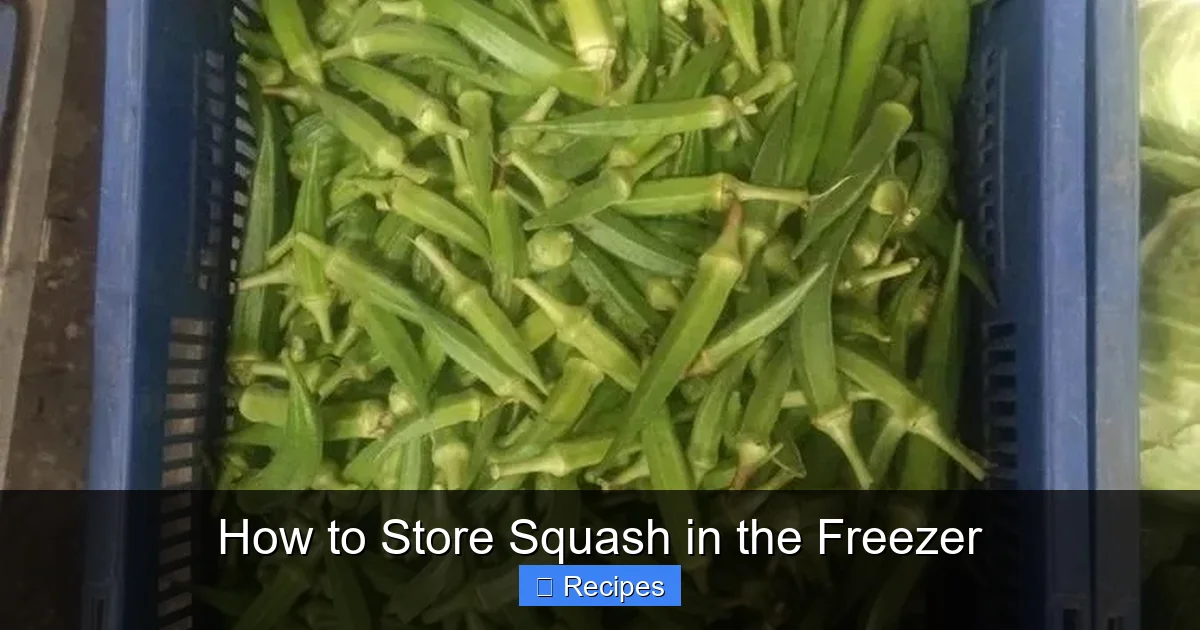
Visual guide about How to Store Squash in the Freezer
Image source: down-ph.img.susercontent.com
- Freezer‑grade zip‑top bags: Squeeze out as much air as possible before sealing.
- Vacuum‑sealed bags: Best for long‑term storage; they remove virtually all air.
For added protection, you can double‑bag the squash or place a layer of parchment paper between pieces in a rigid container.
3.2. Portion Control
Divide squash into meal‑size portions (e.g., 1‑cup bags). This way you only defrost what you need, avoiding waste and preventing repeated thaw‑refreeze cycles.
3.3. Labeling
Write the type of squash, the date, and any seasoning (if you pre‑season) on a waterproof label. A simple “Butternut squash – 06/2026” works wonders when you’re digging through the freezer.
4. Storing Squash in the Freezer
4.1. Temperature Matters
Set your freezer to 0°F (‑18°C) or lower. Consistent temperature prevents ice crystals from growing and keeps texture firm.
4.2. Shelf Life
When stored properly, most squash stays at peak quality for 8‑12 months. After that, flavor may fade, but the squash is still safe to eat if kept continuously frozen.
4.3. Avoiding Freezer Burn
Freezer burn appears as grayish‑white patches and a dry texture. It’s caused by air exposure. To prevent it:
- Use airtight packaging.
- Don’t overload the freezer; allow air to circulate.
- Keep the freezer door closed as much as possible.
5. Thawing and Cooking Frozen Squash
5.1. Quick Thaw in the Microwave
Place frozen squash in a microwave‑safe dish, cover loosely, and use the “defrost” setting for 2‑3 minutes per cup. Stir halfway through for even thawing.
5.2. Stovetop or Oven Methods
If you’re adding squash directly to a soup or stew, you can drop the frozen pieces straight in—no thaw needed. For roasted dishes, toss frozen cubes with oil and seasoning, then bake at 425°F (220°C) for 20‑25 minutes, turning halfway.
5.3. Pairing Ideas
Here are three quick recipe ideas that make the most of your freezer stash:
- Butternut Squash Soup: Sauté onion, garlic, and ginger, add frozen cubes, broth, and a splash of coconut milk. Simmer 15 minutes, blend, and serve.
- Zucchini Frittata: Thaw sliced zucchini, squeeze out excess water, mix with eggs, cheese, and herbs, then bake.
- Spaghetti Squash “Pasta”: Roast frozen strands with olive oil and Italian seasoning; serve with marinara or pesto.
Need more inspiration? Check out our guide on how to cook frozen enchiladas in the oven for a quick casserole that pairs perfectly with roasted squash.
6. Common Mistakes and How to Fix Them
6.1. Skipping Blanching
Without blanching, squash can turn mushy and lose color. If you’ve already frozen unblanched squash, try sautéing it directly in a sauce; the extra cooking time can help restore texture.
6.2. Over‑Packing Bags
Squash expands slightly when frozen. Leave a little headspace in bags to avoid ruptures.
6.3. Forgetting to Label
Unnamed bags lead to guesswork. Use a permanent marker and a small piece of tape to keep labels secure.
6.4. Storing Too Long
Flavor degrades after a year. Rotate your freezer stock by using older bags first.
Conclusion: Your Year‑Round Squash Solution
Now you know exactly how to store squash in the freezer so it stays bright, tasty, and ready for any recipe. From selecting the right variety, blanching, and sealing airtight, to labeling and thawing, each step adds up to a reliable, waste‑free pantry staple. Keep a few bags on hand, and you’ll never scramble for fresh squash again—whether you’re making a cozy soup on a cold night or tossing a quick stir‑fry after work.
Happy freezing, and enjoy the convenience of having summer’s sweetness all year long!
Frequently Asked Questions
Can I freeze raw squash without blanching?
Yes, you can, but the texture may become mushier and the color may fade. Blanching is recommended for the best quality.
How long does frozen squash stay good?
When stored at 0°F (‑18°C) in airtight packaging, squash retains its best flavor and texture for 8‑12 months.
What’s the best way to thaw frozen squash?
For soups and stews, add it directly frozen. For side dishes, thaw in the microwave on the defrost setting or place in the refrigerator overnight.
Can I season squash before freezing?
Yes! Lightly toss cubes with olive oil, salt, and herbs before packing. This speeds up seasoning later and adds flavor.
Is it safe to refreeze squash that’s been thawed?
It’s safe if the squash was thawed in the refrigerator and kept cold. However, repeated thaw‑refreeze cycles can degrade texture.
How do I prevent freezer burn on squash?
Use freezer‑grade bags or vacuum seal, remove as much air as possible, and keep the freezer at a constant 0°F (‑18°C). Labeling helps you use older bags first, reducing the chance of long‑term storage.