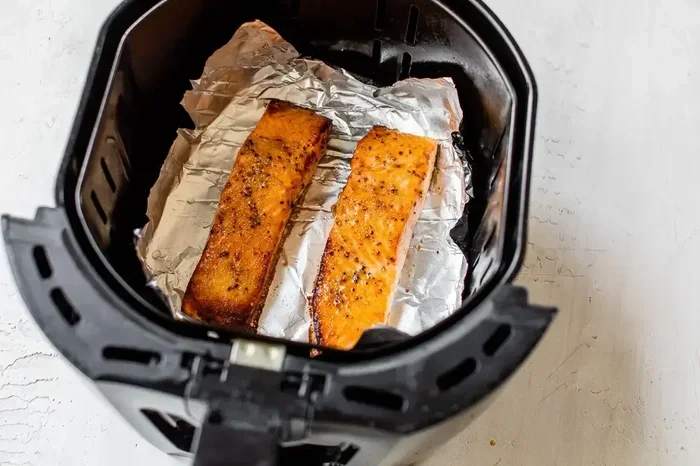
Yes, you can put tin foil in an air fryer oven, but you must use it carefully to avoid blocking airflow or causing fires. Small pieces work best for lining baskets or wrapping foods, while large sheets can disrupt cooking performance. Always keep foil away from heating elements and never cover the entire bottom of the tray. Follow simple safety rules to get crispy, evenly cooked meals without risks.
Cooking with an air fryer oven feels like a small kitchen miracle. You get crisp edges, tender centers, and faster meal prep without drowning everything in oil. Still, lots of home cooks pause at one simple question: can you put tin foil in an air fryer oven? The short answer is yes, but the safe answer needs a little more detail. Foil can help with cleanup, wrapping foods, and keeping small items from flying around. It can also cause trouble if you use it the wrong way. Blocked airflow, flying sheets, and scorching risks all come into play when foil meets high-speed hot air.
This guide breaks down exactly how foil works inside an air fryer oven, what to avoid, and when other liners make more sense. You will learn practical placement tips, food-safe warnings, and easy cleanup tricks. If you cook frozen snacks, roasted veggies, or weeknight proteins often, these details will help you cook smarter and cleaner. Let’s walk through the do’s, don’ts, and best practices so your next meal turns out great.
Key Takeaways
- Safe usage matters: Tin foil works in air fryer ovens, but only when placed correctly to avoid blocking hot air circulation.
- Size it right: Use small, trimmed pieces that fit your food or basket without covering large surface areas.
- Avoid heating elements: Keep foil far from top heaters and fan vents to prevent melting, burning, or fire hazards.
- Weight it down: Place food on top of foil sheets so they do not fly around or touch hot surfaces during cooking.
- Watch acidic foods: Tomatoes, citrus, and vinegar can react with aluminum, so use parchment or silicone for those recipes.
- Clean as you go: Remove foil after each cook to prevent grease buildup, smoke, and uneven heating in future sessions.
- Consider alternatives: Parchment paper, silicone liners, and oven-safe dishes often work better for messy or sticky foods.
📑 Table of Contents
Can You Put Tin Foil in an Air Fryer Oven Safely
Can you put tin foil in an air fryer oven without worry? Usually, yes. Aluminum foil is heat-safe, and air fryer ovens run at temperatures that foil handles easily. The real issue is not the material itself. The issue is how air moves inside the basket or tray. Air fryer ovens cook by pushing rapid hot air around food. When foil covers too much surface area, it interrupts that flow. Food cooks unevenly, crispness drops, and the machine works harder than it should.
Small, controlled use works well. A trimmed piece under a burger patty keeps juices off the tray. A loose wrap around vegetables helps steam them slightly while the outside browns. A tiny sheet under sticky items can simplify cleanup. The key is to keep foil limited, anchored, and away from moving parts. Think of foil as a helper, not a full liner. When you treat it that way, it performs nicely.
When Foil Helps Most
Foil shines in a few everyday situations. Use it when you want easier cleanup, especially with foods that release juice or sugar. It helps when you cook loose items that might roll around, like small fish fillets or diced vegetables. It also works well for creating a temporary barrier under foods that tend to stick. Here are common scenarios where foil makes sense:
- Juicy proteins: Chicken thighs, burgers, and sausages release fat and juices that can bake onto trays.
- Sticky glazes: Honey, BBQ sauce, and teriyaki can caramelize and cling to metal surfaces.
- Small loose items: Chopped onions, shrimp, or vegetable cubes can shift during strong airflow.
- Quick catch basins: A small foil cup can hold sauces or prevent drips in multi-layer cooking.
When to Skip Foil Entirely
Some cooking tasks do better without foil. Avoid it when you need maximum crispness across a large surface. Skip it when you cook very light, lightweight foods that can blow around easily. Stay away from foil if you are unsure about your basket layout or heating element position. Also avoid foil when cooking highly acidic foods for long periods, since aluminum can react and affect taste. In those cases, parchment or a silicone liner often works better.
How Air Flow Changes Everything in Your Air Fryer Oven
Airflow is the heartbeat of any air fryer oven. A powerful fan moves hot air around food, creating that signature crisp texture. When you place foil incorrectly, you change the airflow pattern. The fan still runs, but the air cannot reach every surface evenly. That means soggy spots, longer cook times, and sometimes overcooked edges elsewhere. Understanding this helps you use foil without hurting results.
Visual guide about aluminum foil air fryer oven
Image source: northernyum.com
Think of the cooking chamber like a busy hallway. If you hang a big blanket across the middle, people slow down and bunch up. Foil works the same way. A large sheet creates a barrier. A small, tucked piece causes less disruption. So the size, shape, and placement of foil matter just as much as the food you cook. If you ever wonder can you put tin foil in an air fryer oven and still get crisp results, the answer depends on how much airflow you preserve.
Best Placement Practices
Good placement keeps the fan happy and the food crisp. Use these simple habits:
- Trim foil to fit the food: Cut just enough to cover the item or catch drips, not the whole tray.
- Leave edges open: Let hot air move around the sides instead of sealing everything in.
- Keep foil flat and weighted: Place food on top so the sheet stays put during cooking.
- Avoid the top zone: Keep foil well below heating elements and fan openings.
- Check after preheating: Make sure foil has not shifted before you start the main cook time.
Signs You Blocked Too Much Air
How do you know foil is causing problems? Watch for these clues during cooking:
- Food takes longer than expected to brown.
- One side turns golden while the other stays pale.
- The basket feels hotter than usual because heat traps unevenly.
- You hear the foil shifting or lifting during the cook.
- Smoke or burning smells appear from trapped grease under the sheet.
If you notice these signs, remove some foil, shrink the covered area, or switch to a different liner. Small adjustments often fix the issue fast.
Best Ways to Use Aluminum Foil in an Air Fryer Oven
Using foil well is mostly about intention. Decide what you want the foil to do, then shape it for that job. Here are the most useful approaches for everyday cooking.
Visual guide about aluminum foil air fryer oven
Image source: gingercasa.com
Lining for Easier Cleanup
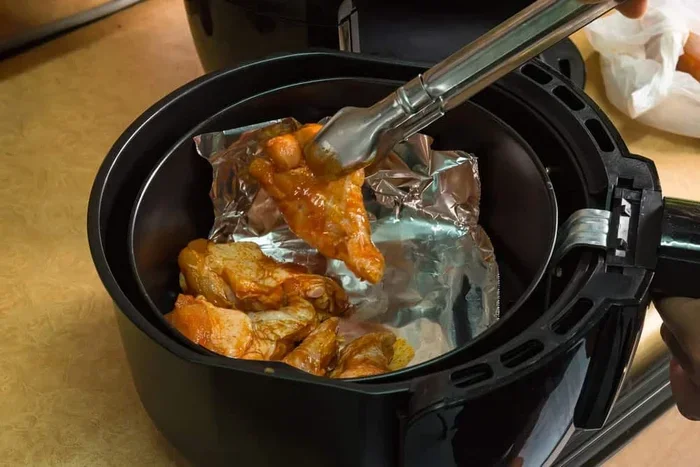
A small foil layer under messy foods can save scrubbing time later. Keep the piece modest so air still moves across the rest of the tray. Fold up the edges slightly to create a shallow lip if you want to catch juices. This works especially well for fatty meats or saucy bites. Just remember that foil is not a full pan liner. It is a targeted catch mat.
Wrapping and Packet-Style Cooking
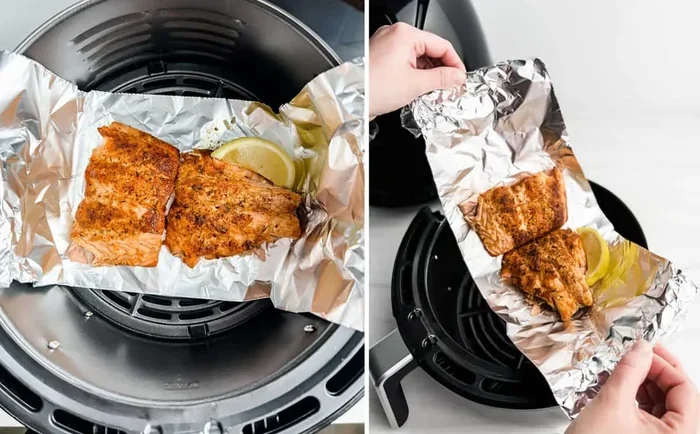
Foil packets work nicely for vegetables, fish, and delicate items that benefit from gentle steam. Add a little oil, seasonings, and a splash of liquid if you want a softer bite. Fold the foil loosely so steam can build without bursting the packet. This method helps foods stay moist while the outside still gets some color. If you like mixed textures, this is a smart trick.
Keeping Small Foods in Place
Tiny items can drift in strong airflow. A flattened foil bed gives them a stable surface. Use it for chopped vegetables, small shrimp, or diced tofu. Weight the food lightly with the foil edges tucked under so nothing lifts. This keeps pieces from flying onto the heating area and makes flipping easier. It also reduces the chance of burnt bits stuck to the tray.
Quick Tips for Foil Use
- Pre-cut a few foil sizes before cooking so you can grab the right piece fast.
- Use heavy-duty foil when possible, since thin sheets tear more easily.
- Do not crumple foil into a tight ball under food unless you want extra lift and browning.
- Remove foil before slicing or serving so it does not tear into food accidentally.
- Wipe the tray after foil use, because small bits of grease can remain behind.
Common Mistakes That Cause Smoke, Melting, or Uneven Cooking
Most foil problems come from simple placement errors. Avoid these common mistakes and your air fryer oven will run much more smoothly.
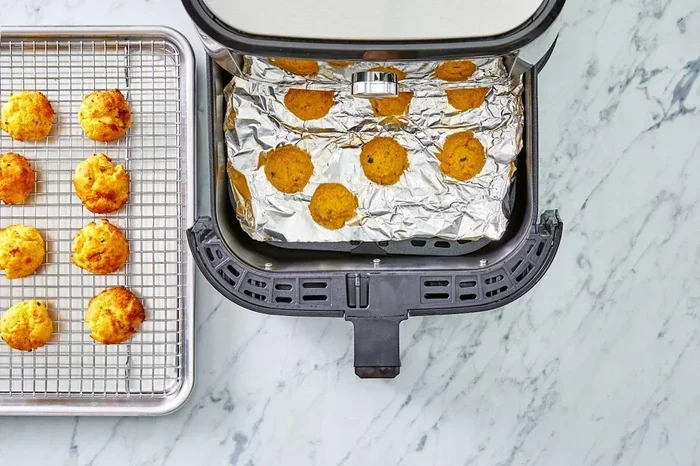
Visual guide about aluminum foil air fryer oven
Image source: s.yimg.com
Covering Too Much Surface Area
A giant foil sheet looks convenient, but it disrupts airflow across the basket. That leads to uneven browning and longer cooking. Use smaller pieces matched to the food size. If you need to catch drips across a larger area, consider a perforated liner or a tray designed for airflow.
Letting Foil Touch Heating Elements
Foil should never reach the top heating zone. If it gets too close, it can overheat, discolor, or even scorch. Keep a safe gap between foil and any overhead elements. If your oven has a strong top fan, make sure the foil sits low and stable. This is one of the biggest safety concerns, so always double-check placement before closing the basket.
Using Foil with Highly Acidic Foods for Long Cooks
Tomato sauce, citrus marinades, and vinegar-heavy mixes can react with aluminum over time. Short contact usually stays fine, but long cooks may leave a metallic taste or pit the foil surface. For acidic recipes, parchment paper or a nonstick silicone mat often works better. If you do use foil, keep the cook time shorter and avoid direct, prolonged contact with the sauce.
Leaving Loose Foil Unweighted
A sheet with no food on top can lift and shift when the fan starts. That creates noise, uneven cooking, and possible contact with hot areas. Always place food over the foil or tuck the edges securely under the food. If you need a foil cup or tray shape, press it firmly into place before adding ingredients.
Common Mistakes to Avoid
- Using one giant foil sheet for the whole basket.
- Placing foil too close to top heaters or vents.
- Cooking acidic sauces directly on foil for long periods.
- Leaving foil loose without food weighting it down.
- Forgetting to remove foil before cleaning or storing the tray.
Foil Alternatives That Often Work Better
Foil is useful, but it is not always the best choice. Sometimes other tools give you easier cleanup, better airflow, or safer contact with tricky foods. Here are strong alternatives worth keeping on hand.
Parchment Paper Liners
Parchment works well for baked-style items, sticky glazes, and foods that need a nonstick surface. It handles heat nicely in most air fryer ovens when used correctly. Cut it to fit the food area, and keep it weighted down with ingredients. Parchment usually creates less airflow disruption than a large foil sheet because you can size it precisely. It also avoids any metallic reaction with acidic foods.
Silicone Liners and Mats
Silicone mats offer reusable, easy-clean convenience. They sit flat, resist sticking, and handle repeated washing well. For messy cooks, this can save time over the long run. Make sure the mat fits your tray and does not block critical airflow zones. Silicone works especially well for cookies, small pastries, and lightly coated veggies. If you want a reusable option, this is a smart pick.
Oven-Safe Dishes and Trays
For foods that release a lot of liquid, a small oven-safe dish can contain the mess completely. This works nicely for custards, saucy bakes, or items you want to keep contained. Just confirm the dish fits your air fryer oven and leaves room for airflow around it. A dish also helps when you want to serve straight from the cooking vessel.
Expert Insights on Choosing the Right Liner
The best liner depends on the food, not just convenience. If crispness matters most, keep the basket as open as possible. If cleanup matters most, use a small targeted liner. If taste matters most, avoid reactive materials with acidic recipes. A flexible kitchen usually keeps foil, parchment, and silicone all nearby. That way, you can match the tool to the task instead of forcing one solution for everything.
Quick FAQ-Style Reminders Before You Cook
Before you start, it helps to run through a few fast reminders. These points keep your cooking safe and your results better.
- Keep it small: Use foil pieces that match the food, not the whole basket.
- Keep it low: Stay far from heating elements and moving air zones.
- Keep it weighted: Put food on top so the foil stays put.
- Keep it clean: Remove foil after cooking and wipe the tray.
- Keep alternatives ready: Parchment and silicone often solve tricky situations better.
If you ever ask yourself again, can you put tin foil in an air fryer oven, the answer stays the same: yes, with care. Smart placement, modest sizing, and attention to airflow make foil a helpful tool instead of a problem. Treat it like a targeted helper, and your meals will come out cleaner, crisper, and easier to manage.
Air fryer ovens reward good habits. The more you understand how heat and airflow behave, the better your food turns out. Foil can absolutely play a role in that process. Use it thoughtfully, avoid the common traps, and keep a few alternatives close by. That simple approach makes everyday cooking smoother and more enjoyable.
Final Thoughts
Foil is not forbidden, and it is not a magic fix either. It is just one tool in a well-run kitchen. When you use it to catch drips, stabilize small foods, or create a quick packet, it earns its place. When you let it block airflow or drift too close to hot parts, it causes trouble. Keep your pieces small, your placement careful, and your cleanup routine simple. Do that, and you will get the benefits without the headaches.
If you cook a lot of frozen snacks, quick proteins, or roasted vegetables, these habits will save you time. You will also get more consistent browning and fewer messy trays. That is the real win. A little attention goes a long way in an air fryer oven, and foil can fit right into that routine when used the right way.